
Shrubs
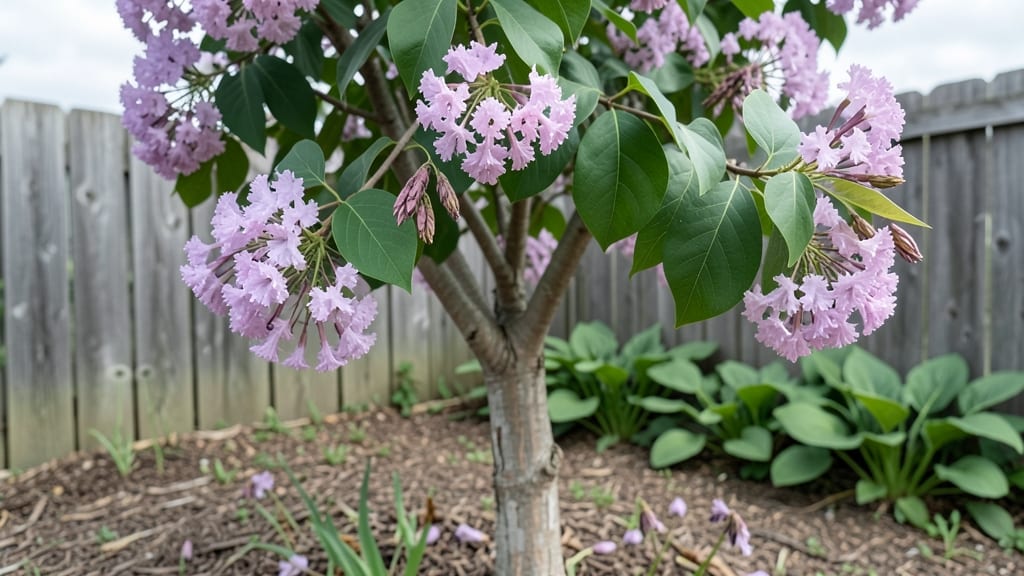
Florida’s red flower trees aren’t just shrubs—they’re hummingbird superhighways in full bloom. 🌺 The Royal Poinciana and Crape Myrtle turn neighborhoods into vibrant canvases, their fiery hues lighting up driveways and gardens from spring through fall.
These aren’t just pretty faces; they’re tough, drought-resistant workhorses that thrive in Florida’s heat and humidity.
Picture this: a Royal Poinciana’s showstopping pink-orange blooms in March, or a Crape Myrtle’s lacey clusters in shades of red that last until frost. Both attract pollinators like crazy while requiring minimal fuss—just full sun, well-drained soil, and occasional pruning to keep them shaped.
They’re the kind of plants that make neighbors stop and stare, and once they’re established, they barely need watering.
You’ll end up with a year-round focal point that doubles as a wildlife magnet. Hummingbirds hover constantly, butterflies flutter through the branches, and the scent? Pure Florida magic.
These trees play well with others too—pair them with palmettos or muhly grass for a coastal vibe, or add some Firebush for extra color and pollinator power.
Perfect for borders, specimen plantings, or even street-tree spots where they’ll grow into 15-30-foot stunners. The key is choosing the right spot and giving them room to shine. Let’s get your garden buzzing with color!
📚 In This Guide
- What you need
- Instructions
- Tips and common mistakes
- Wrapping up and next steps
What you need
- ● Red Flower Tree (Florida Shrub): 1 healthy, disease-free Caesalpinia pulcherrima (Mexican Bird of Paradise) or Hibiscus coccineus (Scarlet Rose Mallow) plant (3–5 ft tall, depending on variety).
- ○ Optional: Bare-root or potted plant (check local nurseries for Florida-friendly options!).
- ● Planting Site: Full sun location (6+ hours of direct sunlight daily).
- ● Well-draining soil (amend with compost if your soil is heavy clay).
- ● Space: 6–10 ft apart for mature shrubs (or 3–5 ft for dwarf varieties).
- ● Tools: 1 shovel or trowel (for digging).
- ● 1 garden fork (to loosen soil).
- ● 1 hose with spray nozzle (for watering).
- ● 1 pair of gloves (to protect your hands!).
- ● Soil Amendments (if needed): 2–3 gallons of organic compost or aged manure.
- ● 1 cup of balanced fertilizer (10-10-10 or similar, for initial planting).
- ● Mulch (2–3 inches of pine bark or shredded leaves to retain moisture).
- ● Pruning shears (for shaping or post-planting cleanup).
- ● Plant support stake (if your shrub is top-heavy or in a windy area).
- ● Slow-release fertilizer (for ongoing nutrient boosts).
- ● Hummingbird feeder (to complement your new floral buffet!).
Step-by-step guide to planting and caring for a red flower tree in Florida
Here’s how to establish a vibrant, hummingbird-friendly red flower tree that thrives in Florida’s climate.
🌱 Step 1: Choose the Right Location and Prepare the Soil
Select a site with full sun exposure (6+ hours daily) and well-draining soil. Florida’s sandy soil often needs amendment—mix in 2-3 inches of organic compost to improve fertility and moisture retention. Dig a hole twice as wide as the root ball but no deeper, ensuring the tree sits at the same depth it was in its nursery container.
I always test the soil pH before planting. Red flower trees prefer slightly acidic to neutral soil (pH 6.0-7.0). If your soil runs alkaline, add sulfur or peat moss to adjust. Avoid planting in low-lying areas where water pools—root rot is the fastest way to kill this otherwise hardy tree.
🪴 Step 2: Plant with Care and Water Deeply
Gently remove the tree from its container and loosen any circling roots with your fingers. Place it in the hole, backfilling with native soil mixed with compost. Press the soil lightly around the base to eliminate air pockets, but don’t compact it heavily—this restricts root growth. Water immediately after planting to settle the soil and eliminate gaps.
Use 1-2 gallons of water for each inch of trunk diameter. For a young tree, this means 10-15 gallons total spread evenly around the root zone. Avoid watering the leaves to prevent fungal diseases. Mulch with 2-3 inches of organic mulch (like pine bark) to retain moisture and regulate soil temperature.
☀️ Step 3: Maintain Year-Round with Strategic Care
Established red flower trees are drought-tolerant once rooted, but young trees need deep watering every 7-10 days during Florida’s dry season. Check moisture by pushing your finger 2-3 inches into the soil—if it feels dry, water again. Overwatering is worse than underwatering; these trees hate soggy roots.
Fertilize lightly in early spring and late summer with a balanced, slow-release fertilizer (10-10-10). Apply ½ cup per inch of trunk diameter, working it into the top 2-3 inches of soil. Skip winter fertilization—Florida’s mild climate means growth slows, and excess nutrients can harm the tree.
✂️ Step 4: Prune for Shape and Bloom Encouragement
Prune in late winter or early spring before new growth begins. Remove any dead, diseased, or crossing branches first. Then, shape the tree by trimming back overgrown limbs to open the canopy, allowing sunlight to reach inner branches. This encourages more vibrant blooms and prevents leggy growth.
Never prune in fall or winter—it stimulates tender new growth that won’t survive Florida’s occasional cold snaps. If you see suckers (shoots growing from the base), remove them immediately. These saplings divert energy from the main tree and can weaken its structure over time.
🌿 Step 5: Protect and Enjoy the Hummingbird Haven
Red flower trees are naturally pest-resistant, but watch for scale insects or aphids during Florida’s humid summers. Spray infested branches with neem oil or a horticultural oil if you spot sticky residue (honeydew) on leaves. Avoid chemical pesticides—they repel the hummingbirds you’re trying to attract.
Once established, these trees bloom year-round in Florida’s climate, providing nonstop nectar for hummingbirds. To maximize their appeal, plant companion flowers like salvias or fuchsias nearby. These create a layered feeding station that keeps hummingbirds visiting daily. Sit back and enjoy the show—your sun-kissed red blooms will be the star of the neighborhood.
Tips & tricks for perfect red flower tree planting in Florida
Between Florida’s sandy soil and intense sun, a few key tricks will help your red flower tree thrive and bloom spectacularly year-round.
Soil Preparation Secret: Florida’s native sandy soil drains too quickly for young trees. After mixing in the 2-3 inches of organic compost as instructed, add 10% coconut coir to the soil mix—this improves moisture retention without compacting. I also recommend spreading a thin layer of hydro-mulch over the amended soil before planting to lock in moisture during the critical first few weeks.
Watering Strategy: The 10-15 gallons of water for young trees should be applied slowly over 30-45 minutes using a soaker hose. This prevents runoff in Florida’s sandy soil and ensures water penetrates to the root zone. I schedule my watering for early morning to reduce evaporation and fungal risks. For established trees, the 7-10 day watering schedule works beautifully, but always check that soil 2-3 inches deep—if it's dry, water again immediately.
Fertilizer Timing: The early spring and late summer fertilization schedule is perfect, but here's what I've learned: apply the ½ cup per inch of trunk diameter of 10-10-10 fertilizer when you see new growth beginning—not before. In Florida's mild winters, growth often starts by February, so adjust your timing accordingly. I also recommend using a mycorrhizal inoculant at planting time to boost root development, which makes the tree more resilient to Florida's occasional droughts.
Pruning Pro Tip: When shaping your tree in late winter or early spring, focus on creating an open vase shape rather than a rounded canopy. This allows sunlight to reach all branches, which is crucial for Florida's intense sun exposure. I always prune on a dry, windless morning to minimize stress on the tree. For stubborn suckers at the base, cut them off at the soil line with clean pruners—don't pull them, as this can damage the main root system.
Pro Tips for Red Flower Tree Florida
- Between Florida’s sandy soil and intense sun, a few key tricks will help your red flower tree thrive and bloom spectacularly year-round.
- Soil Preparation Secret: Florida’s native sandy soil drains too quickly for young trees.
- Watering Strategy: The 10-15 gallons of water for young trees should be applied slowly over 30-45 minutes using a soaker hose.
Frequently asked questions
Got questions about Florida’s stunning red-flowering trees? You’re not alone! Here are answers to the most common queries to help you grow, care for, and enjoy these vibrant hummingbird magnets with ease.
What are the most common red-flowering trees in Florida?
The Firebush (Hamelia patens) and Royal Poinciana (Delonix regia) are top picks! Firebush thrives in partial shade and blooms year-round, while Poinciana loves full sun and bursts into fiery red blooms in spring. Both attract hummingbirds and butterflies—perfect for Florida’s climate!
When is the best time to plant a red-flowering tree in Florida?
Plant in early spring (March–April) or fall (September–October) for ideal results. Avoid extreme heat or cold snaps. Young trees benefit from consistent moisture, so mulch well and water deeply until established. Pro tip: Container-grown trees can be planted year-round if kept hydrated!
Do red-flowering trees really attract hummingbirds?
Trees like Firebush and Coral Berry (Symphoricarpos orbiculatus) produce nectar-rich flowers that hummingbirds love. Plant near feeders for a double attraction. For extra appeal, add native shrubs like Crossvine (Bignonia capreolata)—hummingbirds will flock in no time!
How do I keep my red-flowering tree healthy in Florida’s heat?
Most Florida-friendly red trees thrive with well-draining soil and regular watering (1–2 inches per week). Prune lightly after blooming to encourage new growth, and watch for pests like aphids or scale. Pro tip: A layer of mulch retains moisture and regulates soil temp—just avoid piling it against the trunk!
What can I do if my red-flowering tree isn’t blooming?
Lack of blooms often signals over-fertilizing (too much nitrogen) or poor sunlight. Try this:
If issues persist, consider pruning to stimulate growth!
Wrapping up and next steps
The red flower tree Florida shrub isn’t just a splash of color—it’s a year-round hummingbird magnet that brings life, beauty, and low-maintenance charm to your landscape. With its vibrant blooms and adaptability, it’s the perfect choice for Florida’s sunny climate, offering effortless elegance for gardeners of all levels.
Ready to transform your yard? Start by selecting your favorite variety—whether it’s the classic Burning Bush or the delicate Firebush—and plant it in a spot where it can thrive. Watch as your garden becomes a buzzing, blooming paradise! 🌸🐦