Flowers
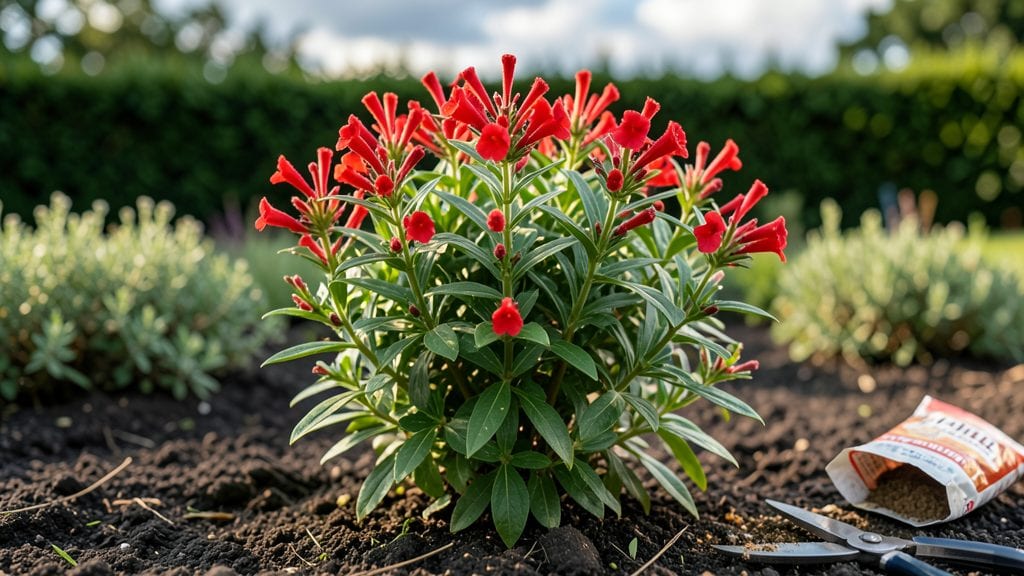
Growing the striking Red Lucifer flower (Mirabilis jalapa) means waking up to a garden that smells like vanilla and chocolate—because that’s exactly what its night-blooming scent delivers. 🌿 This drought-tolerant perennial thrives in full sun, delivering bold red blooms that last from late summer through frost, plus glossy green foliage that stays lush even when other plants wilt.
Here’s the secret to success: well-draining soil, minimal watering once established, and a spot where it gets at least 6 hours of direct sunlight daily.
The tubers (not seeds) are the easiest way to start—just plant them 1 inch deep in spring, and you’ll see those signature trumpet-shaped flowers within weeks. It’s hardy in zones 7-11, making it a low-maintenance star for borders, containers, or cottage gardens.
What makes this plant magical is its year-round interest: vibrant blooms by day, intoxicating fragrance by night, and even edible tubers if you’re adventurous.
The only real challenge is preventing leggy growth by pinching back stems early—once you master that, you’ll have a plant that blooms nonstop with almost no effort.
Perfect for gardeners who want color, fragrance, and resilience without fuss. Whether you’re filling a sunny border or adding drama to containers, this plant delivers—just give it sun, space, and a little patience for those first tubers to establish.
📚 In This Guide
- What you need
- Instructions
- Tips and common mistakes
- Wrapping up and next steps
What you need
- ● Plant: 1–3 Red Lucifer Flower plants (bare-root or container-grown, 1–2 years old)
- ● Size: 6–12 inches tall (for mature plants, expect 2–4 feet in height and spread)
- ● Soil: 5–10 gallons of well-draining, fertile garden soil (amend with compost if needed)
- ● pH Level: 6.0–7.0 (slightly acidic to neutral)
- ● Sunlight: Full sun exposure: 6–8+ hours of direct sunlight daily
- ● Water: 1–2 gallons of water per plant (deep watering 2–3 times per week, adjust for drought)
- ● Garden Tools: Trowel or hand shovel
- ● Garden fork (for loosening soil)
- ● Pruning shears (for deadheading and shaping)
- ○ Optional (But Helpful!): Mulch (2–3 inches of organic mulch like shredded bark or straw)
- ● Fertilizer (balanced 10-10-10 or slow-release granular fertilizer)
- ● Garden gloves (to protect your hands)
- ● Plant markers (to label your Red Lucifer)
Step-by-step guide to planting and caring for Red Lucifer flower
This striking perennial thrives with minimal fuss—here’s how to establish it for bold, sun-loving impact.
🌱 Step 1: Select the Perfect Planting Location
The Red Lucifer (Mentzelia lindleyi) demands full sun—at least 6-8 hours daily—to maintain its fiery red blooms and vibrant foliage. Choose a spot with well-draining soil; this plant despises soggy roots. I always test drainage by digging a 6-inch hole, filling it with water, and waiting to see if it drains within 30 minutes. If not, amend the soil with sand or gravel before planting.
This perennial grows 2-3 feet tall and spreads 1-2 feet wide, so space plants 18-24 inches apart. Avoid areas with strong afternoon shade—Red Lucifer wilts dramatically in partial shade, losing its signature color intensity. If your garden has limited sun, consider a south-facing raised bed to maximize exposure.
🪴 Step 2: Prepare Soil and Plant with Care
Amend the soil with compost or aged manure to enrich it without compacting, as Red Lucifer prefers loose, airy conditions. Mix in a handful of perlite per planting hole to improve drainage further. The soil pH should be neutral to slightly alkaline (6.5-7.5)—test with a soil kit if unsure.
Dig a hole twice as wide as the root ball but no deeper. Gently remove the plant from its container, tease apart any circling roots, and place it in the hole so the top of the root ball sits level with the surrounding soil. Backfill with native soil, pressing lightly to eliminate air pockets. Water deeply to settle the soil around the roots—1 gallon per plant is ideal.
☀️ Step 3: Water and Fertilize for Establishment
Water deeply once a week during the first month to encourage strong root growth, then taper to every 10-14 days once established. Overwatering is the fastest way to kill Red Lucifer—let the top 2 inches of soil dry out between waterings. You’ll notice healthy plants developing a woody base and upright stems within 4-6 weeks of planting.
Fertilize lightly in early spring with a balanced 10-10-10 formula (½ teaspoon per plant). Avoid high-nitrogen fertilizers—they promote leafy growth at the expense of those stunning red blooms. Red Lucifer is drought-tolerant once established, but a monthly feeding with compost tea keeps it vibrant through the growing season.
✂️ Step 4: Prune and Maintain for Year-Round Appeal
Deadhead spent blooms in early summer to encourage a second flush of flowers. Snip stems ¼ inch above a leaf node with clean pruners—this redirects energy to new growth. In late fall, cut back one-third of the plant’s height to tidy up, but leave some stems for winter interest. Red Lucifer’s papery seed pods add texture to winter gardens.
Divide clumps every 3-4 years in early spring to prevent overcrowding. Dig up the plant, separate the roots, and replant sections 12 inches apart. Mulch with 2 inches of shredded bark to retain moisture and suppress weeds, but keep mulch 3 inches away from the stem to avoid rot.
🌿 Step 5: Overwinter for Next Year’s Blooms
Red Lucifer is hardy to USDA Zone 5, but young plants may need winter protection. In colder climates, mound 2-3 inches of mulch around the base after the first frost. The plant’s semi-evergreen foliage often persists through winter, adding color when little else blooms.
Prune back lightly in late winter (February) to shape the plant before new growth begins. Avoid heavy pruning—Red Lucifer blooms on new wood, so early cuts encourage earlier, more abundant flowers. With proper care, your Red Lucifer will reward you with vibrant blooms from early summer through fall and striking winter structure.
Tips & tricks for perfect Red Lucifer flower planting and care
These simple yet game-changing tips will help you coax the most vibrant, long-lasting blooms from your Red Lucifer plants.
Sunlight Strategy: The 6-8 hours of full sun requirement is non-negotiable for those signature fiery red blooms. If your garden has limited sun exposure, consider using reflective surfaces like light-colored walls or mirrors to bounce extra sunlight onto the plants during peak hours. I've seen dramatic improvements in bloom intensity by positioning plants near south-facing windows or using portable grow lights for 2-3 hours in early morning or evening during cloudy periods.
Soil Test Tip: Before amending your soil, conduct a proper pH test using a reliable soil kit. Red Lucifer thrives in neutral to slightly alkaline conditions (6.5-7.5), but many garden soils run acidic. If your test shows pH below 6.5, incorporate crushed limestone at a rate of 1 pound per 100 square feet of bed area, working it into the top 6 inches of soil at least 2 months before planting. This adjustment makes all the difference in root health and bloom production.
Planting Depth Secret: When positioning your Red Lucifer in the planting hole, pay special attention to the root flare—the area where roots meet the stem. This should sit just above soil level, never buried. I've seen many gardeners accidentally plant too deep, which can lead to stem rot and poor establishment. Use a small stake to mark the correct depth before removing the plant from its container as a visual guide.
Watering Wisdom: The first month's weekly deep watering is crucial, but don't assume this means heavy watering every single week. Instead, focus on thorough saturation—water should penetrate at least 12 inches deep each time. I use a soil probe to check moisture levels; if it comes out clean, you've watered enough. For established plants, the 10-14 day interval works best when combined with proper mulching to retain moisture.
Pro Tips for Red Lucifer Flower
- These simple yet game-changing tips will help you coax the most vibrant, long-lasting blooms from your Red Lucifer plants.
- Sunlight Strategy: The 6-8 hours of full sun requirement is non-negotiable for those signature fiery red blooms.
- Soil Test Tip: Before amending your soil, conduct a proper pH test using a reliable soil kit.
Frequently asked questions
Got questions about the stunning red Lucifer flower? You’re not alone! Here are answers to the most common queries—from care tips to troubleshooting—to help you grow this fiery beauty with confidence.
How much sunlight does a red Lucifer flower actually need?
The red Lucifer flower (Echeveria ‘Lipstick’) thrives in full sun (6+ hours daily), but in scorching climates, morning sun + afternoon shade prevents leaf scorch. Watch for pale or crispy edges—these are red flags (literally!) for too much heat. Pro tip: If grown indoors, place it near a south-facing window.
Can red Lucifer flowers survive winter?
This succulent is hardy to USDA Zone 9b+, meaning it may survive mild winters but often dies back in frost. Protect it by moving pots indoors (50–60°F) or mulching outdoor plants heavily. If leaves shrivel, they’ll often regrow in spring—patience is key! For colder zones, grow it as an annual or in containers.
Why is my red Lucifer flower turning mushy or rotting?
Overwatering is the #1 killer! These plants store water in their leaves, so let soil dry completely between waterings (every 2–3 weeks in summer, less in winter). Ensure pots have drainage holes, and avoid soggy soil. Yellow, translucent leaves? That’s a classic sign of root rot—trim affected areas and repot in fresh, dry soil.
Are there any non-succulent alternatives with similar red foliage?
If succulents aren’t your style, try these vibrant red-leaved plants:
- Heuchera ‘Fire Chief’: Bold red-purple foliage, shade-tolerant.
- Coleus ‘Redhead’: Fast-growing annual with fiery leaves (needs partial shade).
- Coral Bells (Heucherella): Hybrid with deep red tones, great for borders.
How long does it take for a red Lucifer flower to mature?
From seed, it takes 6–12 months to reach its iconic rosette shape, while propagated cuttings mature in 3–6 months. Growth slows in winter, so be patient—these plants reward consistency! Expect full color intensity by their second year, especially with proper sun exposure.
Wrapping up and next steps
The Red Lucifer flower isn’t just a stunning addition to your garden—it’s a year-round showstopper that thrives with minimal fuss. With its bold foliage, fiery blooms, and sun-loving nature, this perennial brings drama and resilience to any landscape.
Whether you’re a seasoned gardener or just starting, its adaptability makes it a must-have for vibrant, low-maintenance beauty.
Ready to transform your garden? Start by grab your supplies and plant your first Red Lucifer—your future garden will thank you! 🌸✨