
Flowers
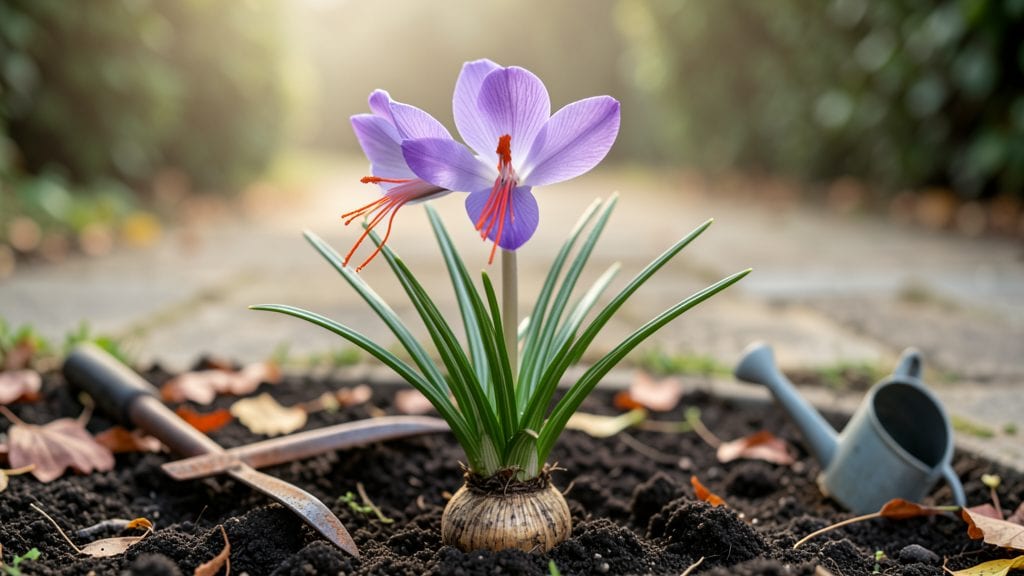
Growing saffron crocus flowers unlocks the secret to one of the world’s most valuable spices—right in your own garden. 🌱 These delicate purple blooms hide golden threads worth more by weight than gold, but they’re surprisingly easy to cultivate if you time it right.
I learned the hard way that patience is key: saffron crocus needs a cold period to trigger blooms, and rushing the process means no harvest.
The magic happens in well-draining soil with full sun, though they’ll tolerate partial shade in hot climates. Plant corms in fall—3-4 inches deep—and water lightly until spring. Overwatering is the fastest way to kill them, but once established, they’re drought-tolerant.
My first harvest came after just two years, and the flavor was richer than anything I’d bought in jars.
When those vibrant purple flowers appear in late fall or early spring, harvest the threads within hours of opening for peak potency. Each flower yields just three threads, so you’ll need 50-100 flowers per teaspoon—but the effort pays off in dishes that taste like luxury.
The blooms also make stunning cut flowers, adding a pop of color to winter arrangements.
This isn’t just a spice crop—it’s a year-round gardener’s joy. The corms multiply over time, and with proper care, you’ll have saffron for decades. Just be patient: the first harvest is the hardest part, but once you’ve tasted homegrown saffron, you’ll never go back to store-bought again.
📚 In This Guide
- What you need
- Instructions
- Tips and common mistakes
- Wrapping up and next steps
What you need
- ● Saffron Crocus Corms: 10–20 Crocus sativus corms (ensure they’re certified organic or disease-free for best results).
- ● Well-Draining Soil: A mix of 60% potting soil + 30% perlite/sand + 10% compost (or use a pre-made cactus/succulent blend).
- ○ Growing Containers (Optional but Recommended): 6–8 inch clay or terra cotta pots (with drainage holes) for each corm, or
- ● A shallow raised garden bed (4–6 inches deep) if planting outdoors.
- ● Drainage Layer: 1–2 inches of gravel, pebbles, or broken pottery (placed at the bottom of containers).
- ● Watering Can or Spray Bottle: With a gentle misting nozzle (overwatering is the #1 enemy!).
- ● Hand Trowel or Small Spade: For planting and soil adjustments.
- ○ Gloves (Optional): To protect hands from sharp corm edges.
- ● USDA Zones 6–9: Plant corms in late summer/early fall (August–September) for blooms in fall/winter.
- ● Zones 10+ or Warm Climates: Plant in late fall (November) for spring blooms.
- ● Chilling Requirement: Corms need 6–8 weeks of temps below 60°F (15°C) to trigger flowering.
- ● 🌡️ Light Needs: Full sun to partial shade (4–6 hours of sunlight daily). Avoid deep shade.
- ● ✨ Soil pH: Aim for 6.0–7.0 (neutral to slightly acidic). Test your soil if unsure!
- ● 🌱 Container Hack: Plant 3–4 corms per pot to encourage clustering and easier harvest.
Step-by-Step instructions for cultivating saffron crocus
Here's how I grow these delicate blooms for their prized golden threads—no greenhouse needed.
🌱 Step 1: Select and Prepare Corm Bulbs
Choose certified disease-free corms (not tubers) labeled for saffron production. These are typically smaller than regular crocus corms, about 1 inch in diameter. I soak mine in lukewarm water for 30 minutes before planting to encourage root growth—this small step makes a noticeable difference in early vigor.
Planting too deep or too shallow throws off the flowering cycle. Aim for 3-4 inches deep in well-draining soil. The corms need room to establish roots downward while keeping their tops near the surface for sunlight. I space mine 3-4 inches apart in rows 6 inches apart—this gives enough room for the corms to multiply over time.
☀️ Step 2: Plant in Full Sun with Perfect Drainage
Saffron crocus thrives in full sun (6+ hours daily), but it's the drainage that makes or breaks success. Amend heavy clay soil with 2-3 inches of coarse sand or perlite to prevent rot. I plant mine in raised beds or containers with drainage holes—this ensures water flows away immediately after rain.
Don't use fresh manure or rich compost in the planting hole. These corms prefer lean soil. A light sprinkle of bone meal (1 tablespoon per plant) at planting time provides phosphorus for root development without overfeeding. Water thoroughly after planting, then let the soil dry completely before watering again.
⏰ Step 3: Wait for Fall Blooming and Harvest Timing
Saffron crocus flowers in late fall (October-November), often before the first frost. The blooms appear suddenly—one day nothing, the next day vibrant purple flowers. This is your 3-5 day harvest window, so stay alert. The flowers open in the morning and close by afternoon, so harvest between 8 AM and 10 AM for best results.
Use a sharp knife to cut the 3 stigmas (threads) from each flower, leaving the flower intact. Handle them carefully—they're delicate and brittle. I place them on a clean paper towel to dry naturally in a dark, well-ventilated area for 2-3 days. This drying process preserves their flavor and color.
🌿 Step 4: Post-Harvest Care for Next Year's Crop
After flowering, the foliage will die back naturally. Don't remove it until it turns completely brown—this process returns nutrients to the corm. I mark the planting spots with small flags so I don't disturb them during winter. The corms need a dormant period of 6-8 weeks in cold soil (40-50°F) to regenerate properly.
In early spring, when new shoots appear (usually March-April), fertilize lightly with 5-10-10 fertilizer (1 tablespoon per plant). This encourages strong foliage growth, which in turn produces more robust corms for next fall's harvest. Water moderately throughout the growing season, keeping the soil evenly moist but never soggy.
✂️ Step 5: Divide and Expand Every 3-4 Years
Saffron corms multiply slowly, so I divide them every 3-4 years to maintain vigor. In early spring, carefully dig up the corms and separate any clusters. Discard any that are soft, shriveled, or show signs of rot. Healthy corms should feel firm and plump. I replant the largest, healthiest corms immediately at the same depth.
This is also a good time to expand your crop. Each corm produces 2-4 offsets over time, so you'll naturally increase your yield. I plant the new corms in fresh soil to prevent disease buildup. With proper care, each mature corm produces enough saffron for 1-2 teaspoons of threads per year—enough for several recipes!
Tips & tricks for perfect saffron crocus cultivation
A few simple strategies that'll help you grow vibrant saffron crocus flowers and harvest those precious golden threads.
Soaking Secret: That 30-minute lukewarm water soak in Step 1 is your secret weapon for stronger roots. I've found using distilled or rainwater works even better than tap water—it prevents mineral buildup that can stress the corms. After soaking, let them air dry completely before planting to avoid fungal issues. This extra step makes all the difference in early growth vigor, especially in cooler climates.
Drainage is Non-Negotiable: If your soil doesn't drain well, your corms will rot before they flower. I've had the most success with a 50/50 mix of native soil and coarse sand in raised beds. For containers, use at least two drainage holes and elevate them slightly—water should run out freely within 15 minutes after watering. The instructions mention 2-3 inches of sand, but I often double that for heavy clay soils.
Harvest Timing is Everything: That 3-5 day window in Step 3 is tighter than it sounds. I set up a small tent over my beds with a bell to alert me when flowers open—saffron crocus blooms can appear and disappear overnight. The 8 AM-10 AM window is critical because the stigmas lose their vibrant color and flavor if harvested after noon. I harvest with a pair of small scissors rather than a knife to avoid damaging the delicate threads.
Dormancy Matters: Don't skip that 6-8 week cold dormancy period in Step 4. I've tried growing saffron without proper dormancy, and while the plants survive, they produce far fewer flowers. In warmer climates, I move potted corms to an unheated garage during winter to simulate natural cold periods. This ensures robust flowering the following fall.
Pro Tips for Saffron Crocus Flower
- A few simple strategies that'll help you grow vibrant saffron crocus flowers and harvest those precious golden threads.
- Soaking Secret: That 30-minute lukewarm water soak in Step 1 is your secret weapon for stronger roots.
- Drainage is Non-Negotiable: If your soil doesn't drain well, your corms will rot before they flower.
Frequently asked questions
Got questions about growing and harvesting saffron crocus flowers?
You’re not alone! Here are some of the most common queries—plus straightforward answers to help you cultivate these golden gems like a pro.
How long does it take for saffron crocus to bloom after planting?
The first blooms typically appear 8–12 weeks after planting bulbs in fall. However, full saffron production (harvesting the stigmas) may take 2–3 years for mature plants to establish. Patience pays off—each bulb can yield 50–75 threads per flower!
When is the best time to harvest saffron crocus flowers?
Harvest on cool, dry mornings after the first frost (late fall to early winter). Flowers should be fully open but not wilted. Pro tip: Use sharp scissors to snip the stems just above the bulb—never pull the flower by hand to avoid damaging the bulb.
Can I grow saffron crocus in containers, or do they need garden beds?
Yes! Saffron thrives in containers (12+ inches deep) with well-draining soil. Use a mix of potting soil and perlite, and place pots in a sunny spot (6+ hours of light). Just ensure the container has drainage holes to prevent bulb rot. Bonus: Containers make it easy to move bulbs indoors during harsh winters!
Why aren’t my saffron crocus flowers producing saffron threads?
Common culprits include:
- Improper planting depth: Bulbs should be 4–6 inches deep in well-draining soil.
- Overwatering: Saffron bulbs rot in soggy soil. Water only when the top inch is dry.
- Lack of sunlight: These flowers need full sun (6+ hours daily).
- Young bulbs: First-year plants may bloom but won’t produce threads. Wait until year 2–3.
If issues persist, test your soil’s pH (ideal: 6.0–7.0) and amend with compost.
Are there any alternatives to saffron crocus for similar golden flavor?
While nothing replaces saffron’s complex, floral-caramel notes, try these substitutes for color and warmth:
- Turmeric: Adds golden color but has an earthy, peppery taste (use sparingly).
- Safflower (false saffron): Mild floral notes but no spice. Best for garnishes.
- Annatto (achiote): Bright yellow-orange hue with a subtle smoky flavor.
- Marigold petals: Adds color and a mild floral touch (not spicy).
Warning: Avoid paprika or curry powder—they lack saffron’s depth and aroma.
Wrapping up and next steps
The saffron crocus flower is a rewarding gem to cultivate—whether for its vibrant beauty or the prized spice hidden within. With patience and care, you can harvest golden threads that elevate dishes and infuse your garden with magic.
Ready to dive deeper? Start planting your first batch today and transform your garden into a saffron sanctuary! 🌱✨
- Pro Tip: Keep a journal to track blooming cycles—saffron thrives on consistency!