
Tools
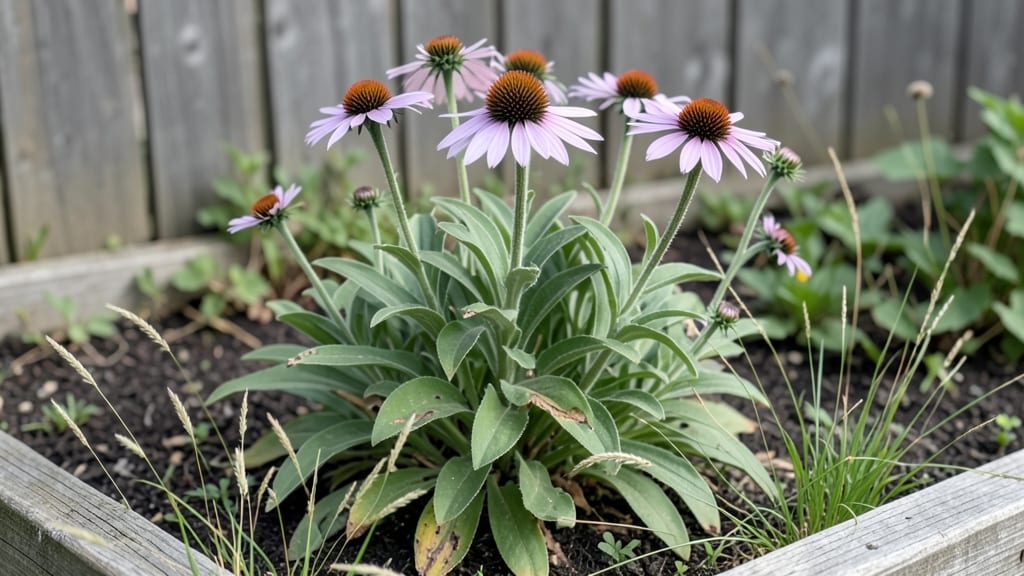
Transforming your small front yard wildflower garden into a buzzing pollinator paradise starts with just 3 square feet—no fancy tools or sprawling space required. 🌸 I once had a concrete slab where neighbors admired my "green thumb" (read: sad potted herbs).
Now that same spot teems with bees, butterflies, and blooms that outshine any lawn. The secret? Choosing the right native wildflowers and letting nature do the heavy lifting.
You’ll need three simple elements: a sunny spot (even partial shade works), a shallow container or bare soil patch, and a mix of drought-tolerant seeds like black-eyed Susan, coneflower, or milkweed. These plants thrive with minimal fuss—no weekly watering, no pruning, just season-long color and life.
The payoff? A front yard that hums with activity while requiring less time than weeding a traditional lawn.
Imagine waking to purple, gold, and white blooms framing your doorstep, their fragrance drawing hummingbirds at dawn. By late summer, you’ll harvest seeds to share or replant, creating a self-sustaining ecosystem.
Even urban wildlife—like ladybugs and lacewings—will move in, turning your yard into a tiny wildlife refuge. The best part? Every square foot counts toward saving bees and butterflies.
Whether you’re working with a narrow border, a balcony planter, or a cracked sidewalk, this approach adapts to your space. Start small, experiment with colors, and watch your front yard become the neighborhood’s most talked-about (and pollinator-packed) feature. Ready to turn concrete into a garden?
📚 In This Guide
- What you need
- Instructions
- Tips and common mistakes
- Wrapping up and next steps
What you need
- ● Wildflower seeds: Choose a pollinator-friendly mix (e.g., 50% native wildflowers, 30% clover, 20% grasses). Aim for 1–2 lbs per 100 sq ft (for 3 sq ft, use 6–12 oz). Brands like American Meadows or Wildseed Farms offer great options.
- ○ Native soil or compost: 1–2 cubic feet to amend existing soil (optional but recommended for poor soil). Look for organic compost or topsoil with a pH of 6.0–7.0.
- ● Mulch or straw: 1–2 bags (5–10 lbs each) to retain moisture and suppress weeds.
- ○ Drip irrigation or soaker hose: 5–10 ft of tubing (optional but ideal for water efficiency).
- ● Garden fork or tiller: For loosening 6–12 inches of soil.
- ● Garden rake: To level the soil after tilling.
- ● Hand shovel or transplanter: For planting seeds or small plugs.
- ● Hoe or weeding tool: To clear debris and maintain the bed.
- ● Watering can or hose with spray nozzle: For gentle watering (especially after planting).
- ● Gloves and knee pads: Because comfort matters! 😉
- ● Edging material: Stones, bricks, or metal edging to define your garden’s borders.
- ● Birdbath or shallow water dish: Adds a pollinator magnet and aesthetic charm.
- ● Natural fertilizer (e.g., bone meal or compost tea): Boosts soil health if your area has poor nutrients.
- ● Garden markers: Label seeds if you’re testing varieties!
Step-by-Step instructions for creating a small front yard wildflower garden
This is how I transform even the tiniest urban space into a buzzing pollinator haven.
🌱 Step 1: Prepare the Soil in Your 3-Square-Foot Plot
Clear the area of grass, weeds, or debris—even small patches matter. I use a sharp spade to slice through roots and remove everything down to about 2 inches deep. This prevents competition with your wildflowers later. For compacted soil, loosen it further with a garden fork, creating 3-4 inch deep furrows where roots can establish.
Wildflowers thrive in poor soil, but they need good drainage. If your yard drains poorly, mix in 1-2 inches of coarse sand or composted leaves to improve structure. I like to rake the surface smooth afterward—this creates a fine seedbed that mimics natural conditions where wildflowers naturally germinate.
🌿 Step 2: Choose and Plant Native Wildflower Seeds
Select native annual and perennial wildflower seeds suited to your region—these attract the most pollinators. I scatter seeds by hand, aiming for 10-15 seeds per square foot, since wildflowers self-seed naturally. Lightly press them into the soil with your fingertips—just enough to ensure contact, but don't bury them deeper than ¼ inch. This prevents smothering and encourages quick germination.
Cover the area with ¼ inch of straw mulch to protect seeds from birds and wind. Water gently but thoroughly until the soil feels damp 2 inches down. You'll see the first sprouts in 7-14 days, depending on your climate. Here's the thing—don't overwater now. Wildflowers hate soggy soil, and damping-off will kill seedlings overnight.
☀️ Step 3: Maintain Low-Maintenance Growth Through the Season
Once seedlings emerge, water 2-3 times per week until they reach 3-4 inches tall, then reduce to once weekly during dry spells. Wildflowers develop deep roots that store moisture, so they tolerate drought once established. You'll notice leaves turning crispy at the edges during heatwaves—that's normal, but mulch helps retain moisture longer.
Let the flowers bloom and go to seed naturally. Deadheading spent blooms isn't necessary—it encourages pollinators to linger, and the seeds will spread for next year's garden. By late summer, you'll see butterflies, bees, and hummingbirds visiting daily. This is the moment that matters: your tiny plot becomes a pollinator magnet.
✂️ Step 4: Winterize and Plan for Next Year
In fall, cut back dead foliage to 2 inches above ground level after the first frost. This prevents disease and makes room for new growth in spring. Leave seed heads if you want more wildflowers next year—birds and wind will scatter seeds naturally. I always mark my plot boundaries with 4 landscape stakes to avoid accidentally disturbing it during yard work.
Come spring, you'll find new volunteers popping up where last year's flowers dropped seeds. This is how wildflower gardens thrive with almost no effort. Just repeat the process in any bare patches, and your pollinator paradise will grow year after year.
Tips & tricks for perfect small front yard wildflower garden
Transforming a tiny urban space into a thriving pollinator haven takes more than just seeds—it's about understanding the subtle details that make all the difference.
Soil Preparation Secret: In Step 1, when you're clearing that 3-square-foot plot, don't just remove the surface layer—dig down to 2 inches deep to eliminate competing roots. For compacted soil, use a garden fork to create those 3-4 inch deep furrows like you're fluffing a pillow for your wildflowers. This aeration is what gives their roots the room to establish properly, especially in urban environments where soil gets packed down from foot traffic.
Seed Placement Technique: The key to successful germination in Step 2 lies in that ¼ inch depth—any deeper and you'll smother the seeds, any shallower and they might dry out. I like to think of it as planting tiny seeds in a cozy blanket: just enough coverage to feel secure but still able to peek through. After pressing them in, use a spray bottle for that initial watering to avoid disturbing their delicate placement.
Watering Wisdom: That damp 2 inches down test in Step 2 is crucial—stick your finger in and feel how moist it is. Wildflowers despise soggy conditions, so if your soil stays wet longer than expected, consider adding more of that 1-2 inches of coarse sand from Step 1. Once seedlings appear, the 2-3 times per week watering schedule in Step 3 should only continue until they hit 3-4 inches tall—after that, they're basically self-sufficient.
Pollinator Magnet Strategy: In Step 3, when you're letting those flowers go to seed naturally, here's a pro move: leave some of the seed heads standing even after they've browned. These dried stalks provide perfect perching spots for birds and shelter for beneficial insects. It's amazing how this one simple decision turns your garden from pretty to purposeful overnight.
Pro Tips for Small Front Yard Wildflower Garden
- Transforming a tiny urban space into a thriving pollinator haven takes more than just seeds—it's about understanding the subtle details that make all the difference.
- Soil Preparation Secret: In Step 1, when you're clearing that 3-square-foot plot, don't just remove the surface layer—dig down to 2 inches deep to eliminate competing roots.
- Seed Placement Technique: The key to successful germination in Step 2 lies in that ¼ inch depth—any deeper and you'll smother the seeds, any shallower and they might dry out.
Frequently asked questions
Got questions about creating your tiny pollinator paradise? Here are some of the most common ones—plus quick, actionable answers to help you grow with confidence!
How do I keep weeds from taking over my wildflower garden?
Weeds are a natural part of wildflower ecosystems, but you can minimize them by mulching lightly with straw or leaves (1–2 inches) and choosing competitive wildflower mixes like coneflowers or black-eyed Susans. Hand-pull weeds early in the season when soil is moist—it’s easier on your back (and the plants!).
When is the best time to plant wildflowers in a small front yard?
For most U.S. regions, late summer to early fall (August–September) is ideal—seeds germinate in cooler temps, and flowers establish roots before winter. Spring planting (March–April) works too, but watering will be critical. Pro tip: Check your seed packets for regional timing!
How much water do wildflowers need in a small space?
Wildflowers are drought-tolerant once established, but newly planted seeds need consistent moisture (water 2–3 times weekly for the first 2 weeks). After germination, reduce to 1 inch of water per week (rain counts!). Use a soaker hose to avoid disturbing soil—it’s like giving your garden a spa day.
Will wildflowers attract bees or other pests to my home?
Wildflowers attract pollinators like bees and butterflies, which are beneficial for your garden (and food crops!). To keep them near the garden (not your porch), plant in a sunny, corner spot away from high-traffic areas. Avoid invasive species like Lantana, which can spread aggressively.
What if my front yard has poor soil or shade?
No problem! Wildflowers thrive in average to poor soil—just loosen the top 6 inches with a fork or tiller. For shade (<3 hours of sun/day), choose native shade-tolerant flowers like wild columbine or Virginia bluebells. Test your soil’s pH (most wildflowers prefer 6.0–7.0), and amend with compost if needed.
Can I replant wildflowers every year, or do they come back?
Many wildflowers are perennials (like coneflowers or milkweed) and return yearly, while annuals (e.g., cosmos) need replanting. Mix both types for continuous blooms. For small spaces, deadhead spent blooms in late summer to encourage regrowth. Some seeds self-sow—you might get “volunteers” popping up next year!
Wrapping up and next steps
Creating a small front yard wildflower garden is a rewarding way to support pollinators while adding beauty to your space—no matter how limited your area! With just 3 square feet, you’ve got the power to transform a tiny patch into a thriving haven for bees, butterflies, and hummingbirds. 🌸
Ready to take the next step? Start by sketching your design, then gather your materials and dive in! Whether you’re a beginner or a seasoned gardener, every wildflower planted makes a difference. Your pollinator paradise awaits—let’s grow it together! 🐝✨