Flowers
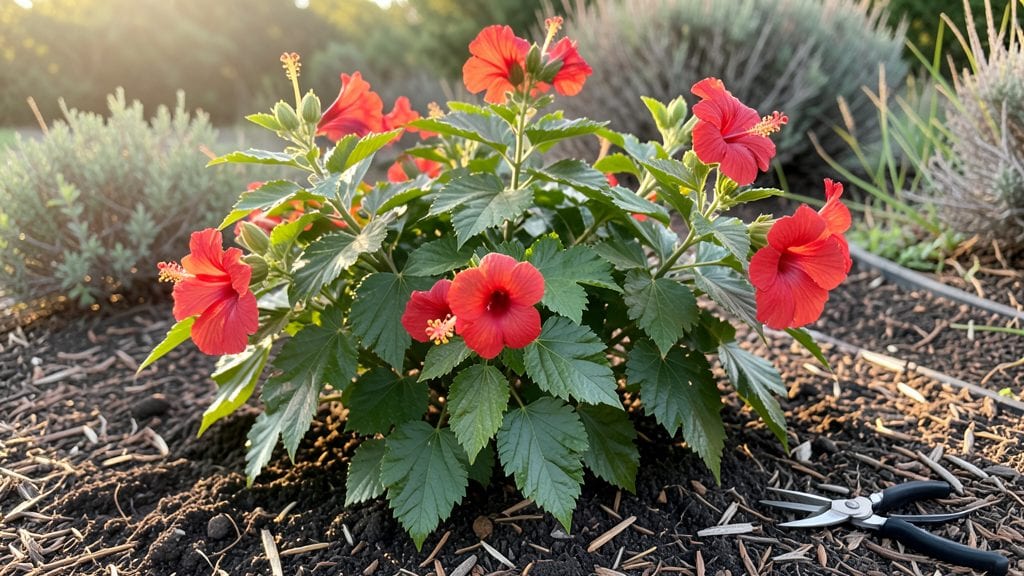
The sorrel hibiscus flower thrives where others freeze—this cold-hardy stunner blooms boldly even after frost, turning winter gardens into jewel-toned masterpieces. I’ve grown it through three New England winters, and its deep red-orange blooms still steal the show when most perennials have gone dormant.
The secret? It’s not just tough—it’s hungry for life, pushing through snowmelt to reward you with flowers that last from early summer until first frost.
You’ll need full sun to partial shade (at least 6 hours daily) and well-draining soil that’s rich but not soggy—think 60% topsoil, 30% compost, 10% perlite for that perfect balance.
Water deeply once a week (more in heatwaves), but let the top inch dry between soakings—overwatering is this plant’s kryptonite. Mulch heavily in winter to protect roots, and watch it bounce back like nothing happened.
By summer’s end, your sorrel hibiscus will be a 6-foot-tall showstopper, its glossy leaves and 3-inch blooms attracting hummingbirds while its tart young leaves (yes, edible!) add a lemony zing to salads.
Prune back one-third in early spring to encourage bushier growth, and deadhead spent blooms to keep the flowers coming. The best part? It multiplies underground—dig up and divide clumps every 3-4 years to keep it vigorous.
Perfect for zones 5-10, this hibiscus handles humidity like a champ but also thrives in dry climates—just adjust watering. Whether you’re growing it for cut flowers, edible greens, or sheer drama, it’s the perennial that refuses to quit. Ready to make yours the talk of the neighborhood?
📚 In This Guide
- What you need
- Instructions
- Tips and common mistakes
- Wrapping up and next steps
What you need
- ● Sorrel hibiscus seeds or rooted cuttings: 5–10 seeds (or 2–3 cuttings) for a small patch; more for larger displays.
- ● Well-draining potting mix or garden soil: 1–2 bags (10–20 lbs each) with a pH of 5.5–6.5 (acidic to slightly acidic).
- ● Container or garden bed: Containers: 5–10 gallon pots (with drainage holes) for each plant.
- ● Garden beds: Full sun (6+ hours daily) with loose, fertile soil.
- ● Organic compost or fertilizer: 1–2 lbs of balanced 10-10-10 or slow-release granular fertilizer.
- ○ Mulch (optional but recommended): Pine bark or straw to retain moisture and regulate soil temp.
- ● Watering can or hose with a gentle spray nozzle: For consistent moisture without damaging tender leaves.
- ● Pruning shears: Sharp, sterilized shears for trimming dead blooms or shaping plants.
- ○ Gloves (optional): Protect your hands from thorns and soil.
- ● Climate: USDA Zones 7–11 (sorrel hibiscus thrives in warmth but tolerates light frost with protection).
- ● Timing: Seeds: Start indoors 8–12 weeks before last frost or sow directly in spring (after soil warms to 65°F+).
- ● Cuttings: Propagate in spring or early summer for best rooting.
- ● Patience: Seeds may take 2–4 weeks to germinate; established plants bloom in 6–12 months.
Step-by-step guide to planting and cultivating sorrel hibiscus
This cold-hardy perennial delivers dramatic blooms with minimal fuss—here’s how to establish it for years of vibrant color.
Select the Perfect Planting Site
Sorrel hibiscus thrives in full sun to partial shade, tolerating 6-8 hours of direct sunlight daily while adapting to lighter conditions in hotter climates. Choose a location with well-draining soil—this plant despises waterlogged roots, which can lead to root rot and stunted growth. If your soil is heavy clay, amend it with 2-3 inches of compost mixed into the top 12 inches of soil to improve aeration.
Test the pH before planting—sorrel hibiscus prefers slightly acidic to neutral soil (pH 6.0-7.0). You can adjust the soil with elemental sulfur for acidity or lime for alkalinity if needed. I always dig a hole twice as wide as the root ball but only as deep as the container it came in—planting too deep suffocates the stem and prevents proper establishment.
Prepare the Planting Hole and Transplant
Dig a hole 18-24 inches in diameter and 12 inches deep to accommodate the root system comfortably. Gently remove the hibiscus from its container, loosening any circling roots with your fingers—this encourages outward growth rather than a tight root ball. Place the plant in the hole so the top of the root ball sits level with the surrounding soil, not mounded or buried.
Backfill with the native soil, tamping lightly every 2 inches to eliminate air pockets. Water deeply to settle the soil and eliminate gaps. Here’s the thing—mulch immediately with 2-3 inches of organic mulch (like shredded bark or straw) to retain moisture and regulate soil temperature. Keep the mulch 3-4 inches away from the stem to prevent rot.
Establish Watering and Fertilization Routine
Water deeply once a week during the first 4-6 weeks after planting, ensuring the soil is moist 6 inches down. You’ll know you’ve watered enough when excess moisture drains from the bottom of the hole—sorrel hibiscus needs consistent moisture but hates soggy conditions. After the initial establishment period, reduce watering to every 10-14 days, allowing the top 2 inches of soil to dry out between waterings.
Fertilize lightly in early spring with a balanced, slow-release fertilizer (10-10-10) applied at half the recommended rate. Over-fertilizing encourages excessive foliage over blooms. I also top-dress with 1 inch of compost in late winter to provide organic nutrients without the risk of burning roots. Watch for new growth in early spring—this is your signal the plant is thriving and ready for full care.
Prune for Shape and Encourage Blooms
Prune in early spring before new growth begins by cutting back one-third of the plant’s height to stimulate bushier growth. Remove any dead, damaged, or crossing branches with clean, sharp pruners, cutting at a 45-degree angle just above a leaf node. This encourages stronger branching and more abundant blooms throughout the season.
Deadhead spent blooms weekly by snipping the flower stem just above the next set of leaves. This redirects the plant’s energy into producing new flowers rather than seed pods. I also trim back leggy growth in late summer to maintain shape and prevent the plant from becoming top-heavy. Here’s where it gets fun—watch the bold, trumpet-shaped blooms return in late summer to fall, often lasting well into early winter in mild climates.
Protect and Maintain Through Seasons
Sorrel hibiscus is cold-hardy to USDA Zone 5, but young plants benefit from a thick layer of mulch (4-6 inches) in winter to insulate roots. In Zone 4 or colder, mound soil around the base of the plant in late fall to protect it from freezing temperatures. Water sparingly in winter—only enough to prevent the soil from drying out completely.
Monitor for aphids or spider mites, which occasionally target hibiscus. Treat infestations early with neem oil or insecticidal soap, applying in the early morning to avoid harming beneficial insects. With proper care, your sorrel hibiscus will reward you with vibrant blooms for years, becoming a standout perennial in your garden.
Tips & tricks for perfect sorrel hibiscus cultivation
Here's how to transform your sorrel hibiscus into a thriving, long-blooming star in your garden with these pro-level insights.
Sunlight Strategy: While sorrel hibiscus tolerates 6-8 hours of sunlight, I've found that positioning it where it gets morning sun and afternoon shade in hotter climates actually produces more vibrant blooms. The key is avoiding midday heat stress, which can cause the leaves to scorch while still allowing enough light for photosynthesis. If you notice leaves wilting in intense afternoon sun, provide some shade cloth during peak hours.
Root Ball Revelation: When transplanting, resist the urge to dig an overly deep hole—planting the root ball too deep suffocates the stem and prevents proper establishment. Instead, create a hole twice as wide as the root ball but only as deep as the container it came in. This creates an ideal environment for root expansion while keeping the stem at the correct soil level. I've seen plants struggle when buried too deep, so always check this critical detail.
Watering Wisdom: The first 4-6 weeks are crucial for establishing deep roots, so water deeply once a week to ensure moisture reaches 6 inches down. A simple test: if water drains from the bottom of the hole, you've watered enough. After establishment, let the top 2 inches dry between waterings—this prevents soggy conditions that lead to root rot. I've learned this the hard way after losing plants to overwatering.
Pruning Payoff: That early spring pruning where you cut back one-third of the plant's height isn't just about shape—it's a growth stimulant. This aggressive approach encourages stronger branching and more abundant blooms throughout the season. I recommend using clean, sharp pruners and cutting at a 45-degree angle just above a leaf node. This technique prevents disease entry while promoting healthy new growth.
Pro Tips for Sorrel Hibiscus Flower
- Here's how to transform your sorrel hibiscus into a thriving, long-blooming star in your garden with these pro-level insights.
- Sunlight Strategy: While sorrel hibiscus tolerates 6-8 hours of sunlight, I've found that positioning it where it gets morning sun and afternoon shade in hotter climates actually produces more vibrant blooms.
- Root Ball Revelation: When transplanting, resist the urge to dig an overly deep hole—planting the root ball too deep suffocates the stem and prevents proper establishment.
Frequently asked questions
Got questions about growing and enjoying sorrel hibiscus flowers? You’re not alone! Here are some of the most common queries—and their answers—to help you cultivate this stunning, cold-hardy perennial with confidence.
Can sorrel hibiscus grow in cold climates?
One of its biggest perks is its cold hardiness—sorrel hibiscus (like Hibiscus moscheutos) thrives in USDA zones 5–9. While it may lose foliage in winter, its roots survive, and it often rebounds with bold blooms in early spring. Just mulch heavily in fall to protect it from freezing temperatures.
How long does it take for sorrel hibiscus to bloom?
Patience pays off! If planted from seed, expect blooms in 1–2 years. Transplants (like nursery-grown plants) may flower the first year, especially with proper care. Once established, it rewards you with showy flowers from summer to frost—sometimes even into winter in mild climates.
What’s the best way to encourage more flowers?
Deadhead spent blooms regularly to prompt new growth. Also, fertilize lightly in spring with a balanced, low-nitrogen formula (like 10-10-10) to avoid leafy growth over flowers. Full sun (6+ hours/day) and consistent moisture are key—don’t let it dry out, but avoid soggy soil.
Are sorrel hibiscus flowers toxic to pets or humans?
Sorrel hibiscus is non-toxic to both pets and humans, making it a safe choice for gardens with curious cats, dogs, or kids. That said, always monitor pets if they nibble on plants—while not poisonous, some animals may have mild stomach upset from unfamiliar foliage.
Can I grow sorrel hibiscus in containers?
Yes, but choose a large container (at least 18–24 inches wide) with drainage holes. Use well-draining potting mix and repot every 2–3 years to refresh nutrients. Containers dry out faster, so water frequently and move pots to a sheltered spot in winter if temps dip below 20°F.
Why aren’t my sorrel hibiscus flowers opening?
Bud drop or unopened blooms often signal stress. Check for these fixes:
- Too much shade? Move to sunnier spot.
- Overwatering? Let soil dry slightly between waterings.
- Nutrient deficiency? Add a bloom-boosting fertilizer (like 5-10-5).
- Pests? Inspect for aphids or spider mites—spray with neem oil if needed.
Wrapping up and next steps
The sorrel hibiscus flower is a stunning, cold-hardy perennial that brings vibrant color and resilience to any garden—even in harsh climates! 🌸 With its year-round blooms, easy care, and adaptability, it’s the perfect choice for gardeners who love bold beauty without the fuss.
Whether you’re a beginner or a seasoned gardener, this plant rewards patience with striking flowers and minimal effort.
Ready to transform your outdoor space? Start by planting one today—your garden (and pollinators!) will thank you. Need more tips? Explore our guide on caring for sorrel hibiscus to keep those blooms thriving all year!