
Flowers
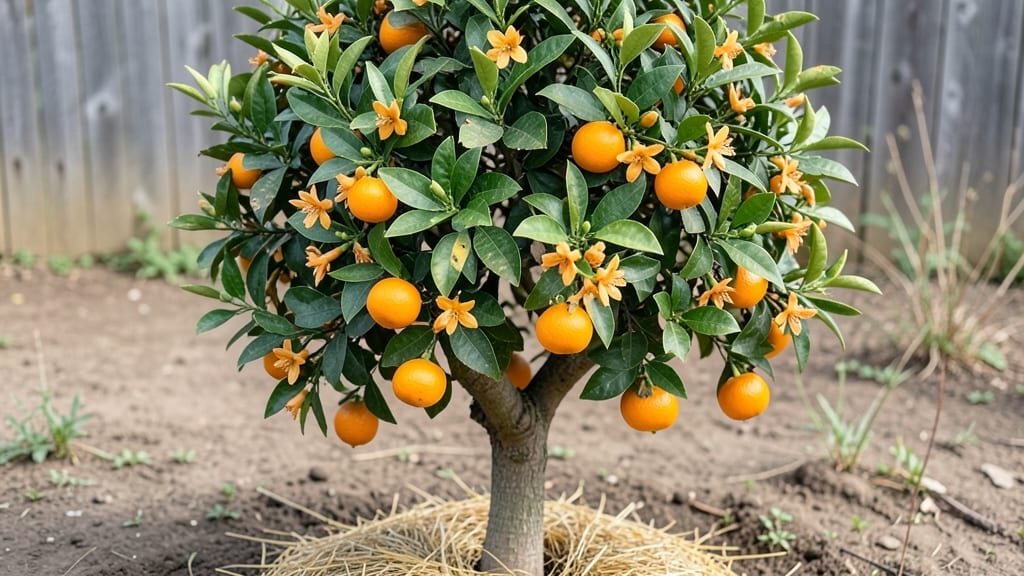
The South Florida tree with orange flowers, like the Florida Flame Tree (Brachychiton discolor), transforms your yard into a hummingbird haven with its fiery blooms that thrive in the heat—mine’s been the star of my garden for two years now. 🌿 front yard—drought-tolerant, fast-growing, and covered in flowers from late spring through summer.
This isn’t just a pretty tree; it’s a lifesaver for pollinators struggling in our humid climate.
What makes it perfect for South Florida? It thrives in full sun, handles our sandy soil without fuss, and grows 15–20 feet tall with a rounded shape—ideal for shade or as a dramatic focal point.
Unlike fussy ornamentals, it needs almost no maintenance once established, and its peeling bark adds texture year-round. Pair it with coastal sun lovers like muhly grass or firebush for a low-water, high-impact landscape.
You’ll love how it transforms a space with its bold color, while also supporting local wildlife. Hummingbirds swarm the flowers, and the tree’s deep roots help prevent erosion—critical in our storm-prone region.
Plus, it’s disease-resistant, so you won’t waste time battling pests or fungal issues common in Florida’s heat and humidity.
Ready to add this heat-proof beauty to your yard? Here’s how to plant, prune, and style it for maximum impact—without the usual Florida gardening headaches. Let’s get growing!
📚 In This Guide
- What you need
- Instructions
- Tips and common mistakes
- Wrapping up and next steps
What you need
- ● Tree sapling: A healthy, 1–3 gallon Tabebuia caraiba (or similar orange-blooming native tree like Tabebuia impetiginosa). Choose from a local nursery to ensure heat and humidity adaptability.
- ● Well-draining soil: Native South Florida soil amended with 3–4 inches of organic compost or a 50/50 mix of native soil and coconut coir to improve aeration.
- ● Mulch: 2–3 inches of pine bark or wood chips (avoid dyed mulch) to retain moisture and regulate soil temperature.
- ● Slow-release fertilizer: A balanced, organic fertilizer (6-6-6 or 8-3-9) designed for flowering trees. Apply 1–2 pounds per 100 sq. ft. at planting.
- ● Watering can or hose with a gentle spray nozzle: For deep, infrequent watering (aim for 1–2 gallons per watering for young trees).
- ● Shovel or trowel: For digging the planting hole (wide enough to accommodate roots without bending).
- ● Pruning shears or loppers: To trim dead branches or shape the tree post-planting.
- ● Garden gloves: Heavy-duty, chemical-resistant gloves to protect your hands.
- ● Measuring tape or ruler: To ensure proper spacing (plant 15–25 feet apart from structures or other trees).
- ○ Stakes and tree ties (optional but recommended for young trees): Use 2–3 stakes and soft ties to provide temporary support in windy areas.
- ● Sunlight: A full-sun location (6+ hours of direct sunlight daily). South Florida’s intense rays are perfect for this heat-loving tree!
- ● Drainage: Avoid low-lying areas where water pools. Ensure the site has well-draining soil to prevent root rot.
- ● Local regulations: Check with your county or city for any restrictions on planting large trees near sidewalks or power lines.
- ● Patience: While these trees bloom beautifully, they may take 3–5 years to reach full flowering potential.
- ● Timing matters: Plant in late fall, winter, or early spring to avoid extreme heat stress.
- ● Native companions: Pair with other South Florida natives like Firebush (Hamelia patens) or Gumbo Limbo (Bursera simaruba) to attract even more pollinators!
- ● Watering schedule: Water deeply 2–3 times per week for the first year, then taper to once every 10–14 days once established.
How to plant and care for a South Florida orange-blooming tree
This vibrant tree isn't just a hummingbird magnet—it's the perfect heat-tolerant specimen for your landscape.
🪴 Step 1: Select the Right Tree for Your Space
For South Florida's intense sun and humidity, the firebush (Hamelia patens) or royal poinciana (Delonix regia) are ideal choices. Firebush thrives in partial shade and smaller spaces, while poinciana demands full sun and more room to spread. Both produce brilliant orange blooms that attract hummingbirds year-round.
Check your yard's mature tree height needs—firebush stays compact at 6-10 feet, while poinciana can reach 25-40 feet. If your space is limited, firebush is the safer bet. Plant in well-draining soil to prevent root rot, especially during Florida's heavy summer rains.
☀️ Step 2: Choose the Perfect Planting Location
Firebush tolerates partial shade, making it perfect for under palm trees or near buildings where afternoon sun is filtered. Royal poinciana, however, craves full sun—plant it where it gets 6+ hours of direct sunlight daily. Both trees dislike soggy roots, so avoid low spots where water pools.
Test your soil's drainage by digging a 12-inch hole and filling it with water. If it takes longer than 30 minutes to drain, amend the soil with 2-3 inches of sand or compost before planting. The right location ensures your tree thrives without constant stress from poor conditions.
🌱 Step 3: Plant with Proper Spacing and Support
Dig a hole twice as wide as the tree's root ball but no deeper. Gently remove the tree from its container and loosen any circling roots with your fingers—this encourages outward growth. Place the tree in the hole so the top of the root ball sits level with the ground (never buried deeper).
For firebush, space 4-6 feet apart if planting multiple shrubs. Royal poinciana needs 20-30 feet of clearance from structures and other trees. Backfill the hole with native soil, tamping lightly every 6 inches to remove air pockets. Water deeply to settle the soil around the roots.
💧 Step 4: Water and Mulch for Long-Term Success
After planting, water deeply every 2-3 days for the first 2 weeks to help roots establish. Once established, firebush needs 1 inch of water weekly, while poinciana requires 1.5-2 inches during dry spells. Overwatering is the biggest mistake—both trees hate soggy soil.
Apply a 2-3 inch layer of mulch (wood chips or pine straw) around the base, keeping it 6 inches away from the trunk to prevent rot. Mulch conserves moisture and regulates soil temperature, which is critical in Florida's heat. Replenish mulch annually to maintain its protective layer.
✂️ Step 5: Prune and Fertilize for Year-Round Blooms
Prune firebush lightly in late winter to shape the shrub and remove dead wood. Royal poinciana benefits from light pruning after flowering to encourage new growth. Never prune more than 25% of the foliage at once—this stresses the tree and reduces blooms.
Fertilize in early spring with a balanced, slow-release fertilizer (10-10-10). Follow package instructions for application rates, but avoid heavy feeding—these trees thrive in lean soil. A light feeding once a year is all they need. Watch for yellowing leaves, which signal over-fertilization or poor drainage.
Tips & tricks for perfect South Florida orange-blooming trees
Transforming your yard into a hummingbird haven starts with these expert tips that'll help your vibrant orange-blooming trees thrive in South Florida's challenging climate.
Soil Preparation Insight: Before planting, I recommend adding a 5-gallon bucket of compost to the bottom of your planting hole. This creates a nutrient-rich zone right where new roots will establish. For firebush specifically, mix in a handful of sand to improve drainage—these plants can't tolerate soggy roots. The 30-minute drainage test mentioned in Step 2 is critical, but don't stop there: if your soil drains too quickly, add some organic matter to help retain moisture during Florida's dry spells.
Planting Depth Secret: The top of the root ball should always sit level with the surrounding soil—never buried deeper. I've seen many gardeners make the mistake of planting too deep, which can cause root rot. For both firebush and royal poinciana, create a small mound of soil in the center of the hole first, then place the tree on top. This ensures proper drainage from day one and prevents water from pooling around the trunk.
Mulching Strategy: That 2-3 inch layer of mulch mentioned in Step 4 works wonders, but here's the pro move: use pine straw instead of wood chips for firebush. It breaks down more slowly and naturally acidifies the soil slightly, which firebush prefers. For royal poinciana, wood chips are perfect—they help regulate soil temperature better in the intense Florida sun. Always keep mulch 6 inches away from the trunk to prevent rot and create a donut shape around the base.
Watering Wisdom: The initial 2-3 day watering schedule is crucial, but don't stop monitoring after two weeks. Once established, firebush needs just 1 inch of water weekly, but royal poinciana requires more—especially during our dry season. I recommend using a rain gauge or tuna can to measure rainfall. If you get less than 1.5 inches in a week, supplement with water. The key is deep watering—always water until you see moisture 6-8 inches down in the soil.
Pro Tips for South Florida Tree With Orange Flowers
- Transforming your yard into a hummingbird haven starts with these expert tips that'll help your vibrant orange-blooming trees thrive in South Florida's challenging climate.
- Soil Preparation Insight: Before planting, I recommend adding a 5-gallon bucket of compost to the bottom of your planting hole.
- Planting Depth Secret: The top of the root ball should always sit level with the surrounding soil—never buried deeper.
Frequently asked questions
Got questions about South Florida’s stunning orange-blossomed trees? You’re not alone! Whether you’re dreaming of planting one or just curious about their magic, here are the answers you need to make the most of these hummingbird favorites.
What’s the best South Florida tree with orange flowers for attracting hummingbirds?
The Royal Poinciana (Delonix regia) and Gomphrena (though technically a shrub) are top picks! For trees, the Firecracker Tree (Caesalpinia pulcherrima) also delivers bright orange blooms that hummers adore. Plant near feeders for extra appeal!
When do these trees bloom in South Florida?
Timing varies by species, but most orange-flowering trees like the Royal Poinciana bloom spring through summer (March–June), with occasional fall reblooms. Firecracker Trees may flower year-round in warm climates. Check local microclimates—coastal areas often bloom earlier!
Can I grow a South Florida orange-flowering tree in a pot?
Yes! Smaller varieties like Dwarf Poinciana or Firecracker Trees thrive in pots (15+ gallons) with well-draining soil. Use a fast-draining mix (cactus/sand blend) and place in full sun. Repot every 2–3 years and fertilize lightly during bloom season for best results.
Why aren’t hummingbirds visiting my orange-flowering tree?
Hummingbirds may skip trees if they’re not in full bloom, lack nectar, or nearby feeders aren’t stocked. Try these fixes:
- Add a hummingbird feeder (1:4 sugar-water ratio) 10–15 feet away.
- Ensure flowers are open and accessible (prune dead blooms).
- Plant native companion flowers like salvias or fuchsias for extra nectar.
How do I protect my orange-flowering tree from South Florida’s heat?
These trees love heat but need deep watering (1–2x/week) during dry spells. Mulch the base to retain moisture, and prune in late winter to encourage new growth. Avoid overwatering—root rot is a risk! Shade cloth (30–50%) can help young trees adjust.
What’s a low-maintenance alternative with orange flowers?
If you want less upkeep, try:
- Bougainvillea (drought-tolerant, vibrant blooms, needs minimal pruning).
- Jacaranda (lavender-blue but stunning; blooms spring–summer).
- Plumeria (fragrant, heat-loving, but needs occasional pruning).
Wrapping up and next steps
Discovering the South Florida Royal Poinciana isn’t just about admiring its vibrant orange blooms—it’s about embracing a tree that brings life, color, and joy to your landscape while supporting local wildlife.
Whether you're a gardener, nature lover, or simply someone who appreciates beauty in heat, this hardy tree is a must-have for your yard. 🌺
Ready to plant your own hummingbird haven? Start by researching local nurseries, checking soil conditions, and planning your spot—then watch as your garden transforms into a dazzling, wildlife-friendly oasis! 🌿