
Planting
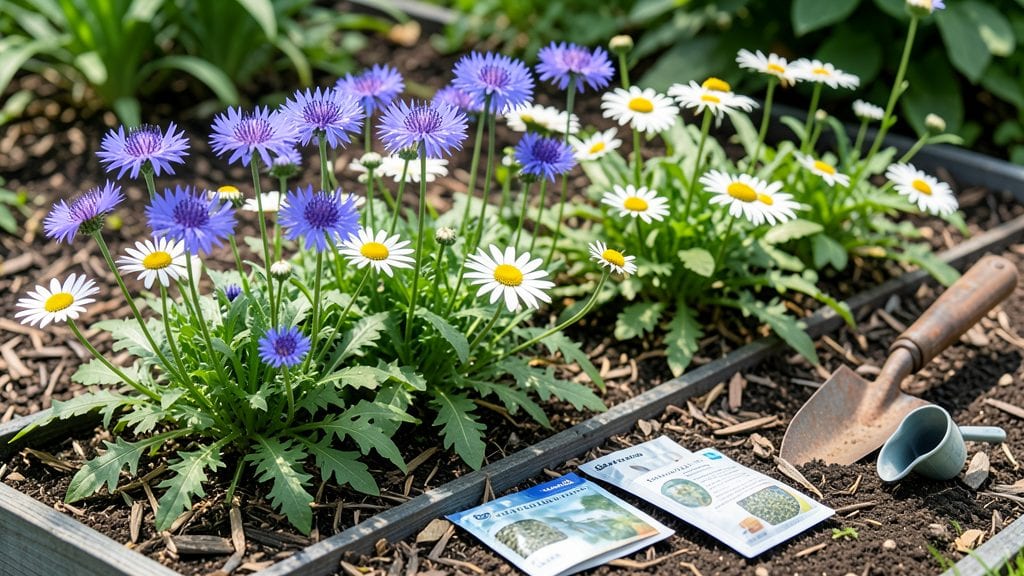
Sowing wildflower gardens in the Pacific Northwest transforms barren patches into buzzing, colorful ecosystems that hum with life. 🌸 I’ve seen it happen—what starts as a sprinkle of seeds becomes a thriving meadow within months, attracting bees, butterflies, and birds that turn your yard into a sanctuary.
The best part? These gardens thrive with almost no effort once established, making them perfect for busy gardeners or anyone who wants nature to do most of the work.
The secret lies in mimicking nature’s own planting process. You’ll need a sunny spot with well-draining soil (even rocky ground works), a mix of native wildflower seeds tailored to your region, and a light rake for even distribution.
The right seeds—like California poppies, yarrow, or blue-eyed grass—ensure your garden blooms from spring through fall, providing nectar for pollinators year-round. Most varieties are drought-tolerant once rooted, so watering becomes a minimal task.
By late summer, you’ll be rewarded with a riot of color and movement—hummingbirds darting between blooms, bees lazily collecting pollen, and butterflies fluttering from flower to flower.
The best time to sow is early spring or fall, when soil temperatures are cool and moisture is reliable, but even a late-summer planting can succeed with extra care.
The key is patience: the first year focuses on root growth, while the second and third years deliver the full, lush spectacle.
This approach works for small patches, large meadows, or even container gardens. Whether you’re restoring a degraded area or simply adding beauty to your landscape, wildflowers deliver results with less work than traditional gardens. Ready to let nature take the lead?
📚 In This Guide
- What you need
- Instructions
- Tips and common mistakes
- Wrapping up and next steps
What you need
- ● Wildflower seeds: Choose a Pacific Northwest-specific mix (e.g., 50% native wildflowers like Lupinus, Achillea, or Erigeron; 30% clover/alfalfa for nitrogen; 20% annuals like Phacelia for quick color). Aim for 1–2 lbs per 100 sq ft.
- ● Soil: Loamy, well-draining soil (amend with compost if your soil is heavy clay—common in PNW!). Test pH (ideal: 6.0–7.5).
- ● Water source: Hose with adjustable nozzle or drip irrigation (critical for first 2–3 weeks!).
- ● Garden rake (for leveling soil).
- ● Hoe or broadfork (to loosen soil 6–8 inches deep).
- ● Handheld seed spreader (or a cheap DIY solution: mix seeds with sand in a bucket and sprinkle evenly).
- ○ Garden twine & stakes (optional: mark seed rows if sowing in stages).
- ● Mulch: Straw or wood chips (1–2 inches) to retain moisture and suppress weeds.
- ● Bird netting (if squirrels are seed thieves!).
- ● Native plant guidebook (for ID’ing blooms later—PNW Wildflowers by Pojar & MacKinnon is a classic!).
- ● Pollinator-friendly fence (e.g., bee bath or butterfly puddler).
Step-by-Step instructions for sowing a Pacific Northwest wildflower garden
Here’s how to create a thriving pollinator haven that thrives with minimal fuss in our rainy climate.
🌱 Step 1: Prepare the Soil for Wildflower Success
Wildflowers love loose, well-draining soil—especially in the Pacific Northwest where winter rains can compact the earth. Clear any existing vegetation and loosen the top 6 inches of soil with a broadfork or tiller. Avoid heavy tilling, which disrupts beneficial soil microbes. If your soil is particularly dense, mix in 2-3 inches of compost to improve aeration and fertility without smothering delicate wildflower seeds.
Wildflowers often thrive in poor soil, so don’t over-amend with rich compost—just enough to help them establish. Test for moisture: press your finger 2 inches deep—if it feels damp, wait a few days before sowing. The goal is slightly dry soil at planting time, which prevents seed rot and encourages germination.
☀️ Step 2: Choose and Scatter Seeds Strategically
Select a mix of native wildflowers suited for your region’s USDA Hardiness Zone (typically 7-9 in the PNW). Look for species like lupine, yarrow, checkerbloom, or Oregon sunshine, which attract pollinators and handle our mild winters. Scatter seeds by hand in late summer or early fall—just before the first rains—to mimic natural dispersal patterns.
For a natural look, avoid over-planting. Aim for 1/8 to 1/4 teaspoon of seed per square foot. Lightly press seeds into the soil with a board or your foot—just enough to ensure contact, but don’t bury them deeper than 1/4 inch. Wildflower seeds need light to germinate, so keep disturbance to a minimum. Mark your planting area with stakes to avoid accidentally disturbing the soil later.
💧 Step 3: Water Gently and Let Nature Take Over
Water the area lightly after sowing to settle the seeds, then let the winter rains do the work. Overwatering can wash seeds away or create a soggy environment that invites mold. Instead, aim for 1/4 inch of water per week during dry spells—just enough to keep the soil from drying out completely. You’ll see tiny green sprouts in 2-4 weeks, though some species may take longer.
Once seedlings emerge, resist the urge to thin them. Wildflowers grow best in a natural, crowded arrangement, and thinning can stress young plants. Instead, let them self-thin as they compete for resources. Mulch lightly with straw or leaf litter (if available) to suppress weeds without smothering the delicate seedlings.
✂️ Step 4: Maintain with Minimal Effort
Wildflowers are tough—they thrive on neglect once established. Pull weeds by hand in early spring before they compete with seedlings, but avoid disturbing the soil too deeply. Mow or trim back spent blooms in late summer to encourage a second flush of flowers, but leave some seed heads for pollinators and next year’s growth.
Fertilizer is rarely needed—wildflowers adapt to lean soil. If your garden looks sparse after the first year, add a thin layer of compost in early spring and water deeply. By year two, your pollinator paradise will be in full bloom, requiring little more than an occasional drink of water and the joy of watching bees, butterflies, and hummingbirds visit.
Tips & tricks for perfect Pacific Northwest wildflower gardens
Creating a thriving wildflower garden in the Pacific Northwest is all about working with nature—not against it. Here are my go-to tips to ensure your pollinator paradise takes root and flourishes with minimal effort.
Soil Prep Secret: The 6-inch soil loosening in Step 1 is crucial, but don't overdo it! Use a broadfork to break up compaction without disrupting the soil structure too much. For clay-heavy soils common in the PNW, mix in 2-3 inches of compost and let it sit uncovered for a week before planting—this helps break down clay particles naturally. The goal is crumbly, well-aerated soil that drains well but still holds moisture.
Seed Scattering Strategy: When scattering your 1/8 to 1/4 teaspoon of seed per square foot in Step 2, think of it like snowfall—light and even. Walk in a grid pattern and toss seeds from 1-2 feet away to avoid clumping. For larger areas, mix seeds with sand first (use 1 part seed to 10 parts sand) to make scattering more precise. This ensures even coverage without overcrowding.
Timing is Everything: The 2-4 week germination window in Step 3 can vary dramatically based on species and weather. Lupine often sprouts within 2 weeks, while checkerbloom may take 3-4. Plant in late summer (August-September) to take advantage of fall rains, which provide consistent moisture without the risk of spring floods. Mark your planting area with stakes to avoid accidentally disturbing the soil later—this is especially important in windy PNW conditions.
Pollinator Power Move: Leave some seed heads standing after flowering to provide winter food for birds and shelter for beneficial insects. In Step 4, when you trim back spent blooms, leave a few stalks in each section of your garden. This simple act creates a year-round habitat that supports pollinators even when flowers aren't blooming. Plus, it adds beautiful texture to your winter landscape!
Pro Tips for Sowing A Wildflower Garden
- Creating a thriving wildflower garden in the Pacific Northwest is all about working with nature—not against it.
- Soil Prep Secret: The 6-inch soil loosening in Step 1 is crucial, but don't overdo it!
- Seed Scattering Strategy: When scattering your 1/8 to 1/4 teaspoon of seed per square foot in Step 2, think of it like snowfall—light and even.
Frequently asked questions
Got questions about creating your own wildflower haven? Here are some of the most common ones—and their answers—to help you get started with confidence!
When is the best time to plant wildflower seeds in the Pacific Northwest?
The ideal window is late summer to early fall (August–September) for fall sowing, or early spring (March–April). These periods mimic natural seed dispersal cycles and give seeds time to establish roots before winter. Avoid planting in late fall—seeds may not germinate before freezing. Pro tip: If you miss these windows, try spring planting but keep soil moist until germination!
Do wildflowers need a lot of water once established?
Once rooted, most native wildflowers are drought-tolerant and thrive with rainfall alone in the PNW’s mild climate. However, newly sown seeds require consistent moisture—water lightly daily for 2–3 weeks until sprouts appear. After that, let nature take over! Mulching lightly with straw can help retain moisture during dry spells.
Will wildflowers attract bees or other pests I don’t want?
Wildflowers are pollinator magnets—but they only attract beneficial insects like bees, butterflies, and hoverflies, which don’t sting unless provoked. If you’re concerned, plant flowers away from high-traffic areas (like patios) and avoid species like yellow star-thistle, which can be invasive. Native mixes (e.g., lupine, yarrow, or checkermallow) are the safest choices for harmony with wildlife.
Can I sow wildflowers in an existing lawn without killing the grass first?
Yes! Try the “scatter and wait” method: Spread seeds in late summer, then mow the lawn short to reduce competition. Water lightly to encourage germination, and avoid fertilizing—it can harm wildflower seedlings. Over time, the grass will thin out naturally. For faster results, use a straw mulch blanket (3–4 inches thick) to smother grass while protecting seeds.
What if my wildflowers don’t grow? Troubleshooting tips!
Common issues and fixes:
- No germination: Seeds may need stratification (cold treatment). Try chilling them in a damp paper towel in the fridge for 2–4 weeks before planting.
- Weeds taking over: Hand-pull weeds early or use corn gluten meal (a natural pre-emergent) before sowing.
- Slow growth: Wildflowers often take 1–2 years to fully bloom. Be patient! Thin seedlings if crowded.
- Animals eating seeds: Cover seeds with lightweight netting until sprouts appear (2–3 weeks).
If all else fails, test your soil’s pH (PNW wildflowers prefer slightly acidic to neutral, 6.0–7.0). Adjust with lime or sulfur if needed.
Wrapping up and next steps
Sowing a wildflower garden in the Pacific Northwest isn’t just about adding beauty—it’s a simple, rewarding way to support pollinators and embrace nature’s resilience. 🌸 With the right seeds, soil prep, and a little patience, you’ll create a thriving ecosystem that requires minimal upkeep. Now’s your chance to take that first step!
Ready to dive in? Start small—even a 4x4-foot patch makes a difference—and watch your garden transform into a buzzing, blooming haven. Your pollinators (and future visitors) will thank you! Grab your tools, and let’s get planting!