Flowers
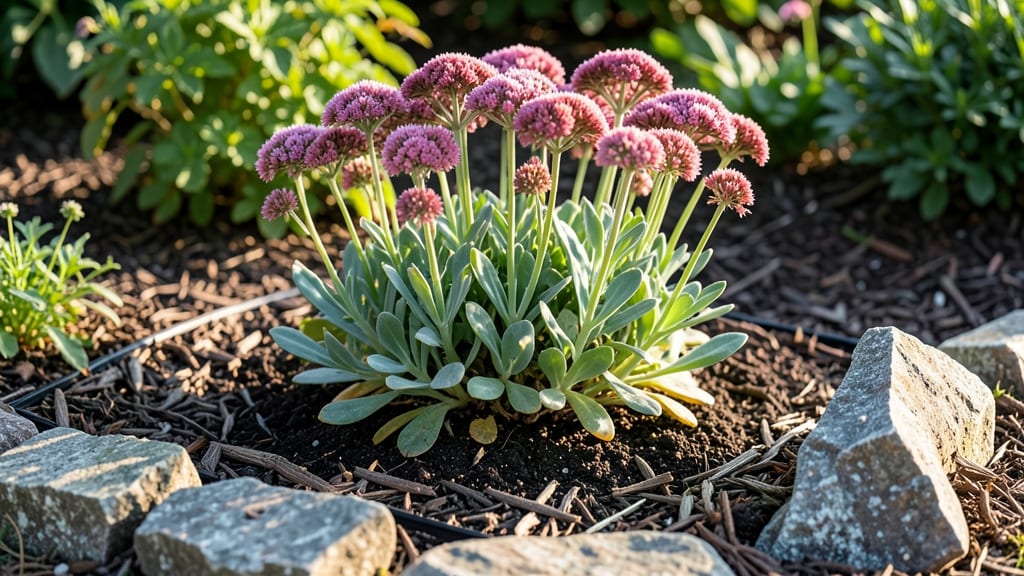
Creating stone flower beds transforms your yard into a timeless, frost-resistant garden that never loses its charm—even in winter’s grip. 🌿 The key is pairing rugged stones with hardy perennials that thrive where others freeze, like sedum or lavender, while letting the rocks do the heavy lifting on drainage and erosion.
Start with stones that match your vision: smooth river rocks for a Zen feel, stacked fieldstone for rustic warmth, or sleek slate for modern edges. My go-to is a mix of locally sourced stones—it cuts costs and blends seamlessly with the landscape.
A 3-foot-wide bed gives plants enough room to establish while keeping maintenance manageable.
By summer’s end, you’ll have a bed bursting with color—deep purple coneflowers, silver-blue salvia, and golden-orange daylilies—all framed by stones that stay cool to the touch even under blazing sun. The best part? These beds need half the watering of traditional gardens and stay lush through droughts and light frosts.
Whether you’re outlining a winding path or framing a focal point, stone beds add structure while letting plants shine. The real magic happens in layering textures: pair rough-hewn granite with delicate ferns or glossy river rocks with spiky yucca. Let’s build something that lasts decades, not just seasons.
📚 In This Guide
- What you need
- Instructions
- Tips and common mistakes
- Wrapping up and next steps
What you need
- ● Stone: Frost-resistant stones (granite, limestone, or flagstone) – 10–50 lbs per sq. ft. (adjust based on bed size).
- ● Gravel: Crushed stone or pea gravel (½"–1" size) – 2–3 inches deep for drainage.
- ● Landscape Fabric: Heavy-duty woven fabric to suppress weeds.
- ● Soil: High-quality garden soil or potting mix (enriched with compost).
- ● Frost-Resistant Plants: Succulents, ornamental grasses, or perennials (e.g., lavender, sedum, or hellebores).
- ● Tools: Shovel & spade
- ● Wheelbarrow
- ● Level & measuring tape
- ● Rubber mallet (for stone placement)
- ● Garden gloves & knee pads
- ● Edging: Metal or plastic garden edging for a polished look.
- ● Mulch: Decorative stones (e.g., river rocks) for a cohesive finish.
- ● Drip Irrigation: Low-maintenance watering system for drought-prone plants.
- ● Outdoor Lighting: Solar-powered path lights to highlight your bed at night.
Step-by-Step guide to designing frost-resistant stone flower beds
Here's how to create timeless, low-maintenance beds that thrive through every season.
🪴 Step 1: Plan Your Layout and Select Stones
Start by sketching your bed's shape—stone beds work best with clean lines or organic curves that complement your landscape. I prefer 3-6 inch flat stones for edges, as they create structure while allowing drainage. Choose stones in complementary colors (like slate gray with quartz accents) to unify the look. Measure your space carefully—most stone beds need 12-18 inches of depth to accommodate roots and mulch properly.
For a 4-bed project, you'll need about 100-150 square feet of stone coverage (including borders). Arrange stones first without mortar to visualize flow—this is your dry run. I like to stagger edges slightly for a natural, wind-resistant look. Mark stone positions with spray paint before digging to avoid uneven placement later.
🌱 Step 2: Prepare the Base and Install Edging
Excavate 6-8 inches deep along your marked layout, removing grass and roots. For frost resistance, add a 2-inch layer of crushed gravel at the bottom to improve drainage—this prevents root rot in winter. Compact the base lightly with a hand tamper to create a stable foundation. Now install your edge stones, setting them 1-2 inches below ground level so they appear flush when finished.
Use landscape adhesive between stones for a seamless look, or leave small gaps (about ¼ inch) if you prefer a rustic style. For curved sections, cut stones with a masonry saw—never force-fit, as cracks will show later. Test stability by gently pressing down; edges should hold firm without shifting.
☀️ Step 3: Layer Soil and Plant Frost-Resistant Perennials
Fill the bed with a mix of topsoil and compost (60/40 ratio) to a depth of 4-5 inches. Amend with slow-release fertilizer to support winter survival. Choose perennials like heuchera, sedum, or Russian sage—they thrive in rocky soil and tolerate 10-25°F temperatures. Space plants 12-18 inches apart to allow airflow, which reduces frost damage.
Dig holes twice as wide as the root ball but only as deep. Gently tease roots outward before backfilling with native soil—this encourages deeper root growth. Water deeply immediately after planting to settle soil around roots. For a 4-bed project, expect to plant 20-30 mature perennials total, depending on variety.
✂️ Step 4: Add Mulch and Final Stone Accents
Cover the soil surface with 3-4 inches of shredded bark mulch—this insulates roots in winter and suppresses weeds. Avoid dyed mulch, as it can harm plants over time. Top with flat accent stones (like slate or flagstone) arranged in patterns or randomly for texture. Leave 2-3 inches of space between plants and stones to prevent moisture buildup.
For a polished look, sweep stones clean with a stiff brush after placement. Water the entire bed thoroughly to help mulch settle. In colder climates, add a lightweight fabric barrier over delicate perennials before the first frost—remove it in spring to avoid overheating.
🌿 Step 5: Maintain Through Seasons
Check soil moisture every 7-10 days in spring/fall, watering only when the top 2 inches feel dry. In winter, remove excess snow from stone surfaces to prevent ice buildup that can crack stones. Prune dead foliage in early spring, but leave seed heads on some plants (like coneflowers) for winter interest.
Replenish mulch annually in late winter—this protects roots during freeze-thaw cycles. Fertilize lightly in early spring with balanced 10-10-10 formula. Stone beds require minimal upkeep, but I find one deep watering per month in summer keeps perennials thriving without overwatering.
Tips & tricks for perfect stone flower beds
Creating stunning stone flower beds that withstand winter’s harshest conditions takes thoughtful planning—and these pro tips will help you avoid common pitfalls while elevating your design.
Stone Selection Wisdom: When choosing stones for your 3-6 inch edges, prioritize weight and texture. Heavier stones (like slate or granite) stay put better in windy areas, while rough-textured stones blend seamlessly into natural landscapes. For a cohesive look, limit your palette to 3-4 complementary colors—this prevents visual clutter. I always source stones from the same supplier to ensure consistent color tones throughout the project.
Drainage is Non-Negotiable: That 2-inch crushed gravel layer in Step 2 isn’t just about drainage—it’s your secret weapon against winter root rot. Compact it firmly but don’t overdo it; you want about 10% give when pressed. For clay-heavy soils, increase to 3 inches of gravel to prevent waterlogging during freeze-thaw cycles. Pro tip: Test drainage by pouring water on the base before planting—it should absorb within 15 minutes.
Plant Placement Strategy: When spacing your frost-resistant perennials 12-18 inches apart, group plants with similar water needs together. Place taller varieties (like Russian sage) at the back of the bed, and cluster moisture-loving plants (like heuchera) near the edges where mulch retains more moisture. This zoning reduces maintenance while maximizing winter survival rates—critical for those 10-25°F nights.
Winter Protection Hacks: For delicate perennials in colder climates, use a lightweight fabric barrier (like frost cloth) instead of heavy mulch over the top. This allows sunlight to penetrate while trapping heat. I’ve found that adding a 1-inch layer of straw over the mulch in late fall creates an extra insulating barrier without smothering plants. Remove both in early spring before new growth emerges.
Pro Tips for Stone Flower Beds
- Creating stunning stone flower beds that withstand winter’s harshest conditions takes thoughtful planning—and these p...
- Stone Selection Wisdom: When choosing stones for your 3-6 inch edges, prioritize weight and texture. Heavier stones (...
- Drainage is Non-Negotiable: That 2-inch crushed gravel layer in Step 2 isn’t just about drainage—it’s your secret wea...
Frequently asked questions
What’s the best time of year to install a stone flower bed?
The ideal time is early spring or fall—when temperatures are mild, and plants can establish roots without extreme heat or cold. Avoid winter (frost risk) and peak summer (drought stress). If planting perennials, aim for 6-8 weeks before the first frost for optimal growth.
Will stone flower beds survive harsh winters?
Stone beds themselves are frost-resistant, but choose cold-hardy plants like sedum, hellebores, or Russian sage. Mulch around plants in late fall to insulate roots. Stones also prevent soil heaving, keeping plants stable under freeze-thaw cycles.
Are stone flower beds more expensive than traditional gardens?
Initial costs may be higher due to stones and frost-resistant plants, but they save money long-term. Stones suppress weeds (fewer herbicides), reduce watering needs (lower bills), and last decades—unlike mulch or soil that needs annual replacement.
Can I add colorful annuals to stone beds for extra pops of color?
Yes! Just place annuals in shallow pockets or containers nestled among stones to avoid smothering them. Opt for drought-tolerant varieties like petunias, lantana, or portulaca. Replace them seasonally for fresh vibrancy without disrupting the stone base.
How do I fix weeds popping up between stones?
Weeds are inevitable, but stones make them easier to manage! Pull them early (when small) or spot-treat with vinegar (50/50 vinegar-water mix) for organic control. For stubborn weeds, add a layer of landscape fabric under stones before planting—just leave gaps for plant roots.
What’s the best stone size/color for a cohesive look?
Size matters: 2–3 inch stones strike a balance—small enough for texture, large enough to suppress weeds. For color, neutral tones (beige, gray, or slate) pair with any flowers, while earthy reds or blues add drama. Mix textures (smooth + rough) for depth!
Wrapping up and next steps
Creating a stone flower bed is more than just a landscaping project—it’s an investment in timeless beauty and low-maintenance charm. With the right frost-resistant plants and durable materials, you’ll enjoy vibrant blooms and elegant stonework year-round, even in harsh winters.
Whether you’re a seasoned gardener or just starting out, this guide gives you the confidence to design a stunning, resilient space that thrives with minimal effort.
Ready to transform your outdoor space? Start small—pick one corner or a single stone type—and let your creativity bloom! 🌸✨ Shop plants and materials or sketch your dream design today!