
Advice
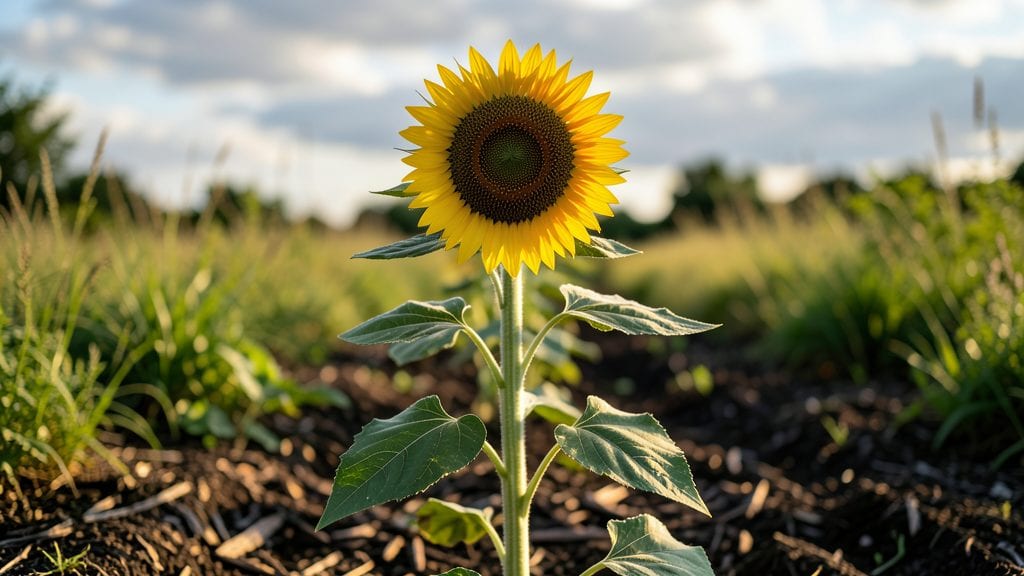
Mastering these sunflower care tips turns growing sunflowers from seed to sun-drenched giants into one of summer’s simplest, most rewarding gardening triumphs. 🌻 complicated—it’s about timing, soil, and a little patience.
The key is starting them in well-draining soil when the ground is warm, usually after the last frost in spring, and giving them plenty of space to spread their roots.
Once planted, sunflowers are shockingly low-maintenance. A deep watering every 3-4 days keeps them happy, though they’ll tolerate drought once established. The real magic happens when you let them soak up full sun—6+ hours daily—which is why they’re perfect for open fields or sunny garden corners.
With the right care, you’ll end up with stems thick enough to support those massive blooms, and the process is simpler than you’d think.
📚 In This Guide
- What you need
- Instructions
- Tips and common mistakes
- Wrapping up and next steps
What you need
- ● Sunflower seeds: Choose Helianthus annuus varieties (e.g., 'Mammoth', 'Autumn Beauty', or 'Teddy Bear' for dwarf types). Buy 10–50 seeds depending on space.
- ● Well-draining potting mix: 1–2 bags (10–20 lbs each) for containers or blend with garden soil for in-ground planting.
- ○ Containers (optional): 5–10 gallon pots with drainage holes for seedlings or urban growers.
- ● Fertilizer: Balanced 10-10-10 or organic options like compost (1–2 cups per plant at planting time).
- ● Watering can or hose: With a gentle spray nozzle for seedlings.
- ● Garden gloves: To protect hands while handling soil or thorns.
- ● Trowel or transplant tool: For digging holes (6–12 inches deep).
- ○ Stakes or trellis (optional): Tall varieties (6+ ft) may need support (1–2 stakes per plant).
- ○ Mulch (optional): Straw or wood chips to retain moisture and suppress weeds.
- ○ Pruning shears (optional): For deadheading spent blooms or trimming excess growth.
Step-by-step instructions for sunflower care and growth
Here’s how I nurture sunflowers from tiny seeds into towering, sun-soaked giants.
🌱 Step 1: Choose the Right Variety and Planting Site
Sunflowers thrive in full sun—at least 6-8 hours daily—and well-draining soil. I always opt for dwarf varieties like 'Teddy Bear' for containers or giant types like 'Mammoth' for open ground. Before planting, test your soil’s pH—sunflowers prefer 6.0-7.5. If your soil is heavy clay, amend it with compost to improve drainage.
Sunflowers need space, so plant them 12-24 inches apart depending on the variety. Giant types require more room to avoid crowding and disease. I mark planting spots with a stick to ensure even spacing—crowded sunflowers grow lopsided and weak. This is the moment that matters: proper spacing ensures strong stems and abundant blooms.
☀️ Step 2: Provide Consistent Water and Light
Water deeply 1-2 times per week, ensuring the soil stays moist but not soggy. The key is consistency—sunflowers hate drought stress, which causes buds to drop prematurely. I water at the base in the morning to prevent fungal issues from evening moisture. Let the top 2 inches of soil dry out between waterings; this prevents root rot while keeping plants hydrated.
Sunflowers grow toward the light, so rotate containers or adjust plants every few days if they start leaning. You’ll notice this when stems bend toward the sun—it’s their way of stretching for more light. If growing indoors, place them within 12-18 inches of a south-facing window or under grow lights for 14-16 hours daily. Without enough light, stems grow leggy and weak.
💧 Step 3: Fertilize and Monitor for Pests
Feed sunflowers with a balanced fertilizer (10-10-10) every 4-6 weeks starting when they’re 6 inches tall. Too much nitrogen makes them grow leaves instead of blooms, so I stick to the recommended dose. Organic options like compost or fish emulsion work well too. Watch for yellowing leaves—this often signals over-fertilization or nutrient imbalance.
Keep an eye out for common pests like aphids or sunflower moths. I spray affected plants with neem oil or introduce beneficial insects like ladybugs. If you see holes in leaves, it’s likely sunflower moth larvae—remove damaged foliage immediately to protect the main stem. Healthy plants develop strong, sturdy stems that support those massive blooms.
✂️ Step 4: Deadhead and Support Tall Varieties
Once flowers fade, deadhead them by cutting the stem 2-3 inches below the bloom. This redirects energy to new growth and encourages more flowers. I always use clean, sharp shears to avoid damaging the stem. For tall varieties, install stakes or cages early—sunflowers can grow 10-12 feet tall and need support to avoid toppling in wind or rain.
Real talk: I’ve seen sunflowers snap in storms if not properly supported. Tie stems loosely to stakes with soft plant ties, leaving room for growth. This step prevents heartbreak later. If growing in containers, choose a pot with a wide base to improve stability—even dwarf varieties can get top-heavy.
🌿 Step 5: Harvest and Enjoy the Rewards
Harvest seeds when the back of the flower turns yellow and the petals droop. Cut the head and hang it upside down in a dry, dark place for 1-2 weeks to fully dry. Once seeds rattle inside, remove them and store in a cool, dry spot. You’ll know they’re ready when they’re plump and dry to the touch.
Don’t skip this: Save seeds from your best plants for next year’s garden. Sunflowers self-seed easily, but storing your own ensures you’ll get the exact variety you love. The first time you watch a sunflower bloom, you’ll understand why it’s worth every step—those golden faces are pure magic.
Tips & tricks for perfect sunflower cultivation
Here's what I've learned from years of growing sunflowers that'll help you avoid common pitfalls and grow those towering beauties.
Location is Everything: The 6-8 hours of daily sun mentioned in Step 1 is non-negotiable for healthy growth. I've found that morning sun is especially important—it helps dry dew quickly and prevents fungal diseases. If you're growing in containers, place them where they get sun all day without shade from nearby structures or trees. For indoor growers, that 14-16 hours of light under grow lights makes a huge difference in preventing those leggy, weak stems we all dread.
Soil Preparation Secret: Before planting, I always mix in a handful of mycorrhizal fungi with the compost. These beneficial fungi help sunflower roots absorb nutrients more efficiently, which translates to stronger plants and bigger blooms. Think of it as giving your sunflowers a natural growth boost right from the start. The 12-24 inch spacing becomes even more important when you consider how these roots will spread.
Watering Wisdom: The key to the 1-2 times per week watering schedule is actually in the "deeply" part. Water should penetrate at least 6 inches into the soil—this encourages deep root growth. I test this by pushing a screwdriver into the soil; if it goes in easily, watering is needed. The top 2 inches drying out between waterings prevents root rot while ensuring consistent moisture for those massive stems.
Pest Prevention Pro Tip: I've found that planting sunflowers alongside marigolds or basil acts as a natural pest deterrent. These companion plants repel many of the same insects that target sunflowers, like aphids and sunflower moths. Plus, they add beautiful color to your garden while serving a functional purpose. It's like having built-in pest control that also enhances your landscape!
Pro Tips for Sunflower Care Tips
- Here's what I've learned from years of growing sunflowers that'll help you avoid common pitfalls and grow those towering beauties.
- Location is Everything: The 6-8 hours of daily sun mentioned in Step 1 is non-negotiable for healthy growth.
- Soil Preparation Secret: Before planting, I always mix in a handful of mycorrhizal fungi with the compost.
Frequently asked questions
Got questions about growing sunflowers? You’re not alone—these cheerful giants are full of surprises! Here are answers to the most common queries to help you cultivate sunflowers like a pro.
How often should I water sunflowers?
Water sunflowers deeply but infrequently—about 1-1.5 inches per week, especially during dry spells. Young plants need consistent moisture, but mature sunflowers are drought-tolerant. Water at the base to prevent fungal issues, and avoid soggy soil. Pro tip: Mulch around the stem to retain moisture and suppress weeds!
When is the best time to plant sunflower seeds?
Sunflowers thrive in warm soil, so wait until after the last frost when temperatures stay above 50°F (10°C). For most regions, April–May is ideal. If you’re in a hot climate, plant in early spring or late summer to avoid bolting. Bonus: Direct-sow seeds—sunflowers hate transplanting!
Why are my sunflower leaves turning yellow?
Yellowing leaves often signal overwatering, nutrient deficiency, or pests. Check the soil—it should be damp but not waterlogged. Lack of nitrogen or magnesium can cause yellowing; feed with a balanced fertilizer if needed. Spider mites or aphids also love sunflowers—inspect the undersides of leaves and treat with neem oil if pests are present.
Can I grow sunflowers in containers?
Choose dwarf varieties (like ‘Teddy Bear’ or ‘Moulin Rouge’) for containers. Use a 5-gallon pot or larger with drainage holes and well-draining soil. Place in full sun and fertilize regularly. Warning: Container-grown sunflowers may need staking to support their weight.
How do I prevent sunflowers from toppling over?
Tall sunflowers (over 5 feet) often need support. Bury stakes or cages gently near the stem when the plant is young, or use a tomato cage for extra stability. If you miss this step, tie the stem loosely to the stake as it grows. Pro tip: Plant in well-draining soil and avoid overwatering to keep roots strong!
Wrapping up and next steps
With these sunflower care tips, you’re well on your way to nurturing vibrant, towering blooms that bring joy and beauty to your garden! 🌻 Remember, patience and consistency are key—whether you’re adjusting soil, spacing seeds, or protecting them from pests.
Now that you’re armed with the know-how, grab those seeds and watch your sunflowers grow into a stunning centerpiece.
Ready to take the next step? Plant your seeds today and enjoy the rewarding journey from tiny sprouts to sun-drenched masterpieces! 🌱