Flowers
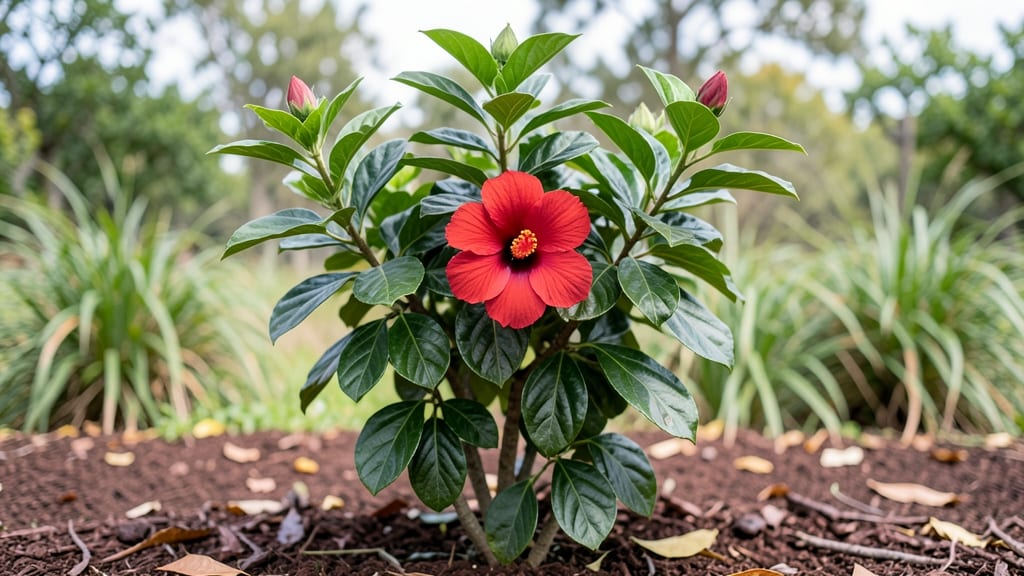
Planting a Texas hibiscus (Hibiscus martianus) turns your yard into a hummingbird buffet with bold red blooms that last all year. 🌿 I’ve watched these tough plants thrive through Texas summers while most flowers wilt—drought-resistant, sun-loving, and impossible to ignore once they’re in full bloom.
The secret starts with well-draining soil (amend heavy clay with compost) and full sun (at least 6 hours daily). Water deeply but infrequently—these plants hate soggy roots but bounce back from dry spells.
Prune lightly after blooms fade to encourage more flowers, and watch hummingbirds flock to your yard by spring.
By late summer, you’ll have a vibrant, low-maintenance shrub that outshines store-bought flowers. The glossy leaves stay lush even in heatwaves, and the blooms attract pollinators year-round. No deadheading or fuss—just bold color and wildlife on autopilot.
Works in containers for patios or as a privacy screen in larger yards. Here’s how to get those first blooms in just 8-12 weeks—no green thumb required.
📚 In This Guide
- What you need
- Instructions
- Tips and common mistakes
- Wrapping up and next steps
What you need
- ● Texas hibiscus seeds or nursery-grown plants: Seeds: 10–20 seeds (or 3–5 plants for a small garden)
- ● Nursery plants: 1–3 mature plants (for faster blooms!)
- ● Well-draining potting mix or garden soil: 1–2 bags (18–20 lbs each) of high-quality garden soil or potting mix
- ○ Optional boost: Mix in 1 part perlite or sand for drainage.
- ● Fertilizer: Balanced 10-10-10 or 20-20-20 granular fertilizer (1 lb bag)
- ● OR slow-release organic compost (5–10 lbs)
- ● Watering can or hose with a gentle spray nozzle
- ● Trowel or small shovel (for planting)
- ● Garden gloves (to protect your hands from thorns!)
- ● Pruning shears (for shaping and maintenance)
- ○ Optional: Mulch (straw or wood chips, 2–3 bags) to retain moisture
- ● Stakes or trellis (for taller varieties, 3–5 ft tall)
- ● Hummingbird feeder (to attract pollinators faster!)
- ● Sunlight: Full sun (6+ hours daily)
- ● Climate: USDA Zones 5–10 (Texas is perfect!)
- ● Water: Consistent moisture (1–2 inches per week)
- ● Space: 3–5 ft apart for mature plants (they spread!)
Step-by-step guide to planting and cultivating Texas hibiscus
Here's how to nurture these sun-loving beauties into a hummingbird haven.
🌱 Step 1: Choose the Perfect Planting Location
Texas hibiscus thrives in full sun—at least 6-8 hours daily—so select a spot that gets unfiltered afternoon rays. I always check for at least 6 hours of direct sunlight before planting, as these beauties wilt dramatically in shade. The soil should drain well; if your yard holds water after rain, amend with 2-3 inches of coarse sand or perlite mixed into the top 12 inches of soil.
Here's the thing—Texas hibiscus roots spread aggressively. Space plants 6-8 feet apart to prevent root competition and allow air circulation. I like to sketch a rough layout first, marking each plant's future location with stakes. This prevents overcrowding and makes future pruning easier.
💧 Step 2: Plant at the Right Time and Depth
Spring is ideal—plant after your last frost date when soil warms to at least 60°F. Dig a hole twice as wide as the root ball but no deeper; hibiscus roots need room to expand horizontally. Gently loosen the roots if they're circling the container, then place the plant so the top of the root ball sits 1 inch above soil level. This prevents rot during heavy rains.
Backfill with native soil mixed with 1 part compost to enrich nutrients. Water deeply right after planting to eliminate air pockets, then let the soil settle for 24 hours before watering again. I always add a 2-inch layer of mulch (like pine straw) around the base to retain moisture and regulate soil temperature.
☀️ Step 3: Water Deeply and Maintain Consistent Moisture
Texas hibiscus loves water but hates soggy roots. Water deeply 2-3 times per week during the first growing season, aiming for 1-2 inches of moisture per week. You'll know you're doing it right when the soil feels damp 3 inches down—not soggy, not bone-dry. Overwatering is the fastest way to kill these plants, so I always check with my finger before watering.
Once established, hibiscus becomes drought-tolerant, but never let the soil dry out completely. During extreme heat (above 95°F), increase watering to 3-4 times per week and water in the early morning to reduce evaporation. I set a reminder on my phone for the first few weeks to avoid skipping watering days.
✂️ Step 4: Prune for Shape and Encourage Blooms
Prune in late winter or early spring before new growth begins. Remove dead, damaged, or crossing branches first, then cut back any leggy growth to just above a leaf node. I like to shape the plant into a rounded bush for better airflow and bloom production. Never prune more than one-third of the plant at once—this stresses hibiscus and reduces flowering.
After the first flush of blooms (usually spring to early summer), give your hibiscus a light trim to encourage a second round of flowers. Deadhead spent blooms regularly to redirect energy into new growth. I use clean, sharp pruners dipped in rubbing alcohol between cuts to prevent disease spread.
🪴 Step 5: Fertilize for Vibrant Blooms and Pest Control
Feed with a balanced, slow-release fertilizer (10-10-10) in early spring and again in mid-summer. I scatter granules around the base, then water deeply to activate them. Avoid high-nitrogen fertilizers—they promote leafy growth at the expense of flowers. For organic options, use compost tea or fish emulsion every 4-6 weeks during the growing season.
Watch for aphids or spider mites, which love hibiscus. I spray affected areas with neem oil (mix 1 tablespoon per gallon of water) or introduce ladybugs for natural control. Yellowing leaves often signal overwatering or nutrient deficiency—adjust care based on what you observe.
Tips & tricks for perfect Texas hibiscus cultivation
These pro tips will help you grow Texas hibiscus that thrives year-round and attracts hummingbirds like crazy.
Sunlight Strategy: The 6-8 hours of daily sun requirement is non-negotiable, but here's the thing—morning sun is gentler than afternoon heat. I position my plants to catch those golden morning rays first, then shield them from the harshest afternoon sun with a light shade cloth if needed. This balance prevents leaf scorch while still satisfying their sun requirements.
Soil Prep Secret: Before planting, I always test my soil's drainage by digging a hole, filling it with water, and timing how long it takes to drain. If it takes more than 2 hours, I know I need to add that 2-3 inches of perlite or coarse sand. Proper drainage is the single most important factor for preventing root rot in Texas hibiscus—don't skip this step!
Planting Depth Trick: That 1-inch elevation above soil level for the root ball might seem minor, but it's crucial for preventing rot during Texas's heavy summer rains. I use a level to ensure perfect positioning, and I always mound a small berm around the base to create a natural drainage channel away from the plant.
Watering Hack: For the 2-3 weekly waterings during the first season, I use a moisture meter to check that dampness at 3 inches down. But here's my real tip: water in the early morning when temperatures are cooler. This reduces evaporation and gives roots time to absorb moisture before the heat of day. I've found this simple adjustment can cut water usage by nearly 30% while keeping plants thriving.
Pro Tips for Texas Hibiscus Flower
- These pro tips will help you grow Texas hibiscus that thrives year-round and attracts hummingbirds like crazy.
- Sunlight Strategy: The 6-8 hours of daily sun requirement is non-negotiable, but here's the thing—morning sun is gentler than afternoon heat.
- Soil Prep Secret: Before planting, I always test my soil's drainage by digging a hole, filling it with water, and timing how long it takes to drain.
Frequently asked questions
Got questions about growing Texas hibiscus flowers?
Here are the most common ones—and their answers—to help you cultivate this stunning, hummingbird-friendly plant with ease!
When is the best time to plant Texas hibiscus in Texas?
The ideal time to plant Texas hibiscus (Hibiscus coccineus) is in early spring (after the last frost, around March–April) or late summer/early fall (August–September). This gives roots time to establish before extreme heat or cold. For container growing, you can plant year-round in warmer climates!
How often should I water Texas hibiscus?
Texas hibiscus loves consistent moisture—water deeply 2–3 times per week during dry spells, ensuring the top 2–3 inches of soil stay damp. Pro tip: Mulch around the base to retain moisture and protect roots from heat. Reduce watering slightly in winter if temperatures drop below 40°F.
Why aren’t my Texas hibiscus flowers blooming?
Lack of blooms usually stems from over-fertilizing (too much nitrogen), poor sunlight, or stress (like drought or root damage). Ensure your plant gets full sun (6+ hours daily), prune leggy growth in early spring, and use a balanced, bloom-boosting fertilizer (like 10-10-10) sparingly. Hummingbirds love them—so if they’re visiting, you’re on the right track!
Can Texas hibiscus survive winter in Texas?
Yes! While young plants may need light winter protection (like mulch or a frost cloth), established Texas hibiscus is hardy to USDA Zone 5 (with some cold tolerance down to 10°F). In North Texas, prune back dead growth in late winter and watch for new shoots—signs it’s bouncing back!
What are some low-maintenance alternatives to Texas hibiscus?
If Texas hibiscus seems high-maintenance, try these drought-tolerant, hummingbird-friendly Texas natives:
- Mexican Bush Sage (Salvia leucantha): Purple blooms, thrives in heat, minimal water.
- Firebush (Hamelia patens): Bright orange flowers, attracts birds, Zone 7–11.
- Autumn Sage (Salvia greggii): Colorful blooms, drought-resistant, blooms spring–fall.
Wrapping up and next steps
The Texas hibiscus isn’t just a stunning addition to your garden—it’s a hummingbird haven and a symbol of resilience with its vibrant blooms. Whether you’re a seasoned gardener or a beginner, nurturing this beauty is rewarding, and with the right care, you’ll enjoy its year-round color and ecological benefits. 🌸
Ready to transform your outdoor space? Start by planting one today—your garden (and local pollinators!) will thank you. Check out our step-by-step guide to kick off your Texas hibiscus journey with confidence!