Flowers
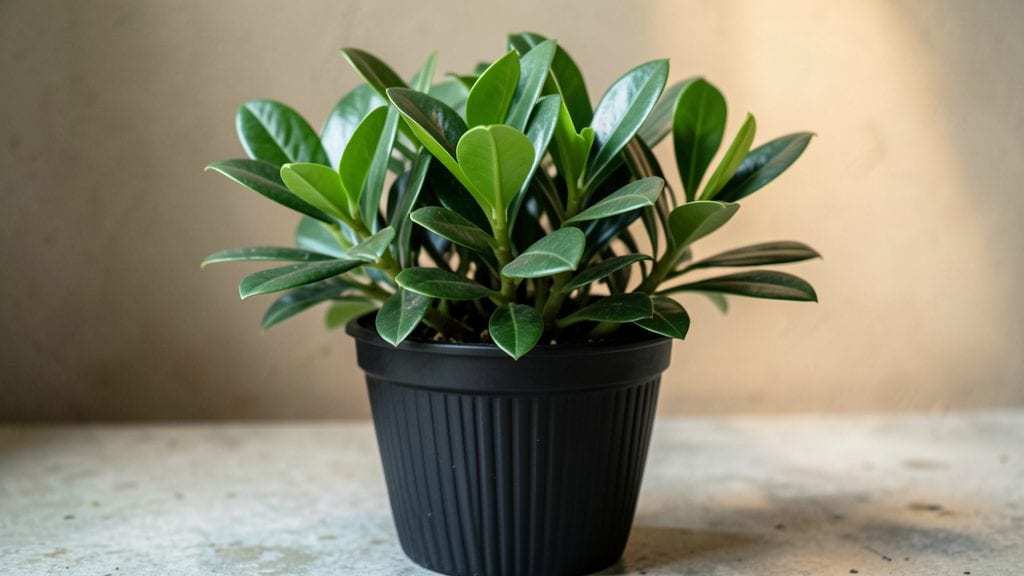
Growing flowers in the dark isn’t just possible—it’s where some of the most dramatic blooms shine. 🌙 The African violet’s velvety petals or the moonflower’s nocturnal beauty prove that light isn’t everything. These plants don’t just survive in shadowy corners; they thrive, often with less fuss than sun-loving varieties.
My first African violet nearly died from too much sunlight, but once I moved it to an east-facing windowsill, it exploded with purple blooms. The trick is matching the right plant to your space—whether it’s a dim bathroom, a north-facing room, or a heavily shaded patio.
Peace lilies and spider plants also excel here, turning forgotten spots into lush green oases.
You’ll end up with plants that reward patience: fragrant night-blooming cereus or the delicate, waxy flowers of the peace lily. These aren’t just survivors; they’re showstoppers that transform dark corners into vibrant focal points. The key is understanding their subtle light needs and keeping soil consistently moist without drowning roots.
Works for indoor growers, apartment dwellers, and gardeners with shaded yards. Let’s bring life to those shadowy spots—without sacrificing beauty or ease.
📚 In This Guide
- What you need
- Instructions
- Tips and common mistakes
- Wrapping up and next steps
What you need
- ● Low-light-tolerant flower seeds or seedlings: African Violet (Saintpaulia) – 3-5 plants
- ● Cast Iron Plant (Aspidistra elatior) – 2-3 plants
- ● Peace Lily (Spathiphyllum) – 1-2 plants
- ● Snake Plant (Sansevieria) – 1 plant (bonus: thrives in near-darkness!)
- ● Zebra Plant (Aphelandra squarrosa) – 2-3 plants
- ● Well-draining potting mix: 1-2 bags (look for "low-light" or "indoor plant" blends)
- ● Containers with drainage holes: 6-8" pots for seedlings (3-5 units)
- ● 10-12" pots for mature plants (2-3 units)
- ● Watering can or spray bottle (with a fine mist setting)
- ○ Grow lights (optional but helpful): LED full-spectrum bulb (15-20W) or a small grow light kit
- ● Gloves (to keep hands clean—some soil can be gritty!)
- ● Trowel or small shovel (for transplanting)
- ● Humidity tray or pebble tray (helps maintain moisture in dry air)
- ● Fertilizer (balanced, 10-10-10 or liquid houseplant food) (1 small bottle)
- ● Pruning shears (for trimming dead leaves or overgrowth)
- ○ Thermometer/hygrometer (optional) (to monitor light and humidity levels)
Step-by-step guide to cultivating low-light flowering plants
Transform dim corners into lush displays with these resilient bloomers that thrive in shade.
🌱 Step 1: Select the Right Low-Light Flowers
Choose from shade-tolerant varieties like impatiens, African violets, or peace lilies—each adapts beautifully to low to moderate light conditions. I always opt for African violets first, as they bloom reliably even under fluorescent lighting, making them perfect for indoor spaces. Check the light levels in your target spot: if it's below 1,000 foot-candles, these plants will flourish where others fail.
Peace lilies, with their glossy leaves and occasional white blooms, tolerate even dimmer conditions than violets. You’ll notice their leaves stay vibrant and upright, signaling they’re content in indirect light. Avoid sun-loving flowers like geraniums or petunias—they’ll quickly wilt in these conditions. Instead, focus on plants that naturally grow under tree canopies in their native habitats.
🪴 Step 2: Prepare Containers and Soil
Use well-draining pots with drainage holes to prevent root rot—a common issue in low-light environments where plants grow slower and retain moisture longer. I prefer 6-inch terracotta pots for most shade-loving flowers, as terracotta wicks away excess moisture naturally. Fill the bottom 1 inch with orchid bark or perlite to improve drainage further.
Fill the remaining space with a lightweight, airy potting mix designed for flowering plants. A blend of 50% peat moss, 30% perlite, and 20% compost works wonders. Avoid garden soil—it compacts easily and suffocates roots. Gently press the mix into the pot to eliminate air pockets, then water until moisture reaches 1 inch deep. The soil should feel damp but not soggy to the touch.
☀️ Step 3: Position Plants for Optimal Growth
Place your new plants in their permanent low-light spots immediately after planting. African violets and peace lilies thrive in bright, indirect light, so position them near east-facing windows or under grow lights set to 12-14 hours daily. If natural light is scarce, supplement with a full-spectrum LED grow light placed 12-18 inches above the plants.
Watch for signs of stress: Leggy stems or pale leaves mean the plant needs more light, while yellowing leaves signal overwatering. Rotate pots quarter-turn weekly to ensure even growth. In rooms with no windows, a south-facing window with sheer curtains can provide enough filtered light for these resilient bloomers.
💧 Step 4: Water and Fertilize for Thriving Blooms
Water when the top 1 inch of soil feels dry—low-light plants grow slower and need less frequent watering than sun-lovers. I use a spray bottle for African violets to avoid disturbing the soil surface, which can cause root damage. Peace lilies, however, prefer bottom-watering: place the pot in a tray of water for 10-15 minutes, then drain excess. Overwatering is the fastest way to kill these plants.
Feed every 4-6 weeks with a balanced liquid fertilizer (10-10-10 or 20-20-20) diluted to half-strength. This encourages blooming without burning tender roots. I always fertilize in the morning so the plants have time to absorb nutrients before evening. Skip fertilizer in winter when growth slows naturally—these plants are dormant in cooler months.
✂️ Step 5: Prune and Encourage Continuous Blooms
Deadhead spent blooms weekly to redirect energy into new flowers. For African violets, pinch off faded blossoms at the base with clean scissors. Peace lilies rarely need deadheading, but removing yellow leaves keeps the plant looking fresh. Prune leggy stems back by one-third to encourage bushier growth—this is especially helpful if stems stretch toward the light source.
Repot every 12-18 months when roots crowd the container. Choose a pot 2 inches larger in diameter and refresh the soil mix. This prevents root-bound stress, which stunts flowering. In late summer, reduce watering slightly to prepare plants for their natural dormancy period. With consistent care, your low-light flowers will reward you with year-round blooms in even the gloomiest corners.
Tips & tricks for perfect low-light flower cultivation
Here's what nobody tells you about keeping your shade-loving bloomers thriving in dim corners.
Light Level Insight: That 1,000 foot-candle threshold isn't arbitrary—it's the sweet spot where African violets and peace lilies perform best. Use a light meter app on your phone to check your space. If you're below 500 foot-candles, supplement immediately with a full-spectrum LED grow light placed 12-18 inches above your plants. I've seen peace lilies revive completely when moved from a dark bathroom corner to under a grow light for just 12 hours daily.
Soil Science: The 50-30-20 mix of peat moss, perlite, and compost isn't just random numbers—it's about aeration and moisture balance. The 1 inch deep watering after planting establishes proper moisture without waterlogging. Pro tip: Add a handful of orchid bark to the mix for African violets—it mimics their natural epiphytic growing conditions and prevents compacting.
Watering Wisdom: The 10-15 minute bottom-watering for peace lilies might seem excessive, but it's essential. This method ensures roots absorb moisture without soggy soil. For African violets, that spray bottle isn't just for gentle watering—it prevents crown rot by keeping water off the leaves. I've lost count of how many violets I've saved by switching to this method after initial failures.
Pruning Precision: When you prune those leggy stems back by one-third, you're not just making them look better—you're triggering bushier growth through apical dominance. For African violets, use clean scissors and cut at a 45-degree angle just above a leaf node. This creates a larger surface for new growth while preventing disease entry points.
Pro Tips for The Flower That Grows In The Dark
- Here's what nobody tells you about keeping your shade-loving bloomers thriving in dim corners.
- Light Level Insight: That 1,000 foot-candle threshold isn't arbitrary—it's the sweet spot where African violets and peace lilies perform best.
- Soil Science: The 50-30-20 mix of peat moss, perlite, and compost isn't just random numbers—it's about aeration and moisture balance.
Frequently asked questions
Got questions about nurturing flowers that thrive in the dark?
You’re not alone! Here are some of the most common queries—plus quick, practical answers to help you grow lush greenery in shady spots.
What are the best flowers for dark, low-light spaces?
Look for shadow-tolerant varieties like African violets, peace lilies, or snake plants. These beauties flourish with minimal light—some even thrive under artificial lighting! Check their care tags for "low-light" labels to avoid disappointment.
How often should I water flowers in dark corners?
Overwatering is the #1 killer of low-light flowers! Most prefer soil to dry out slightly between waterings. Stick your finger 1–2 inches into the soil—if it’s dry, it’s time to water. Peace lilies and ZZ plants are forgiving, but African violets hate soggy roots.
Can I grow flowers in a windowless room?
Use grow lights (LED or fluorescent) for 12–16 hours daily. Opt for low-light specialists like cast iron plants or pothos, which are nearly indestructible. Rotate plants weekly for even growth.
Why are my dark-grown flowers wilting or turning yellow?
Yellow leaves? Usually overwatering or poor drainage. Brown edges? Low humidity or fluoride sensitivity (common with tap water). Try distilled water or mist leaves lightly. If pests like spider mites appear, isolate the plant and treat with neem oil.
Are there any flowering plants that bloom in low light?
Yes! While most flowers need bright light, African violets and orchids (like Phalaenopsis) can bloom in bright indirect light. For true darkness, focus on foliage plants—their "flowers" (like spathiphyllum’s white blooms) are a bonus!
Wrapping up and next steps
The flower that grows in the dark proves that beauty thrives even in shadowy corners—no sunlight required! From the resilient Zamioculcas zamiifolia to the striking Spathiphyllum, these plants remind us that growth isn’t limited by light.
Embrace their care tips, and let your space bloom with confidence, even in low-light zones.
Ready to transform your dimmest spots? Start with one plant—pick your favorite from this list, gather your supplies, and watch nature’s magic unfold. Your shadowy corner will thank you! 🌱✨