
Flowers
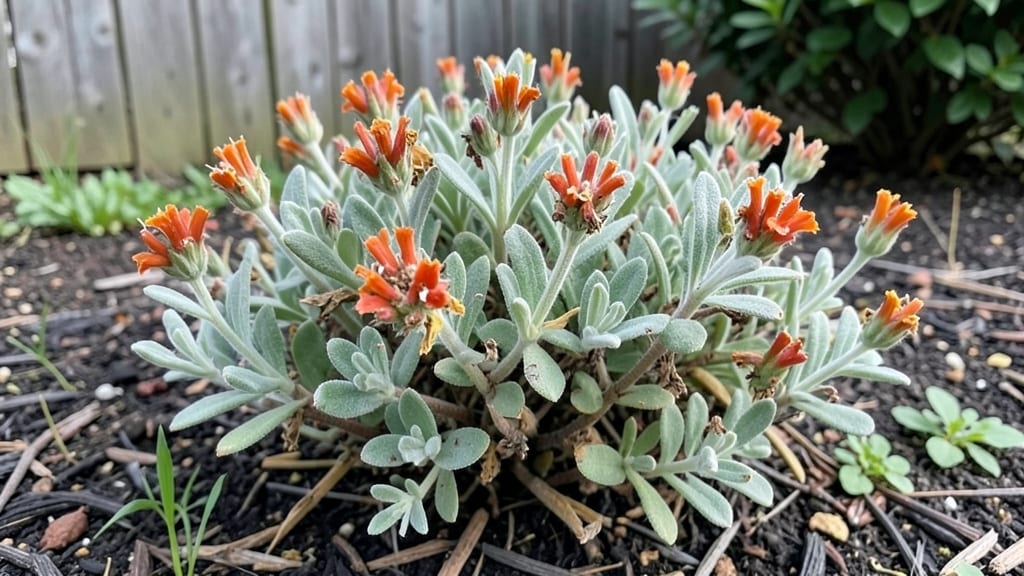
Growing the paradise flower means adding vibrant purple blooms that last from spring until frost—no other shrub gives you that kind of show. 🌿 I fell for this plant after seeing it transform a dull corner of my garden into a riot of color, and it’s since become my go-to for low-maintenance drama.
The secret lies in its adaptability: it thrives in zones 9-11 but can even survive brief cold snaps with the right care, making it a standout for warm climates and patient gardeners.
This tropical-looking beauty actually loves well-draining soil mixed with compost—think of it as a cross between a fuchsia and a hibiscus, but with bold, papery petals that catch the light. It craves morning sun and afternoon shade, which keeps the leaves from scorching while fueling those nonstop blooms.
Watering is simple: keep the soil moist but never soggy, and you’ll avoid the root rot that plagues so many showy plants.
By midsummer, you’ll have a shrub bursting with flowers, and the best part? It reblooms effortlessly with minimal pruning—just snip back leggy stems after flowering to encourage fresh growth. The fragrance alone (think jasmine meets gardenia) makes it worth the effort, and it attracts hummingbirds like crazy.
Once established, it’s basically unkillable—just feed it occasionally and enjoy the show.
Whether you’re tucking it into a mixed border, using it as a privacy screen, or letting it spill over a raised bed, the paradise flower delivers year-round interest with almost no fuss. Let’s get yours thriving!
📚 In This Guide
- What you need
- Instructions
- Tips and common mistakes
- Wrapping up and next steps
What you need
- ● Seeds or nursery-grown plants: 3–5 seeds (if starting from scratch) or 1–2 young plants (for faster blooms). Choose Angelia ilicifolia or its cold-hardy varieties.
- ● Well-draining potting mix: 5–10 gallons (for containers) or amended garden soil (for in-ground planting). Mix with perlite or sand for aeration.
- ○ Containers (optional but helpful): 12–16" pots with drainage holes (if growing in pots). Terracotta or fabric pots work best.
- ● Slow-release fertilizer: Balanced 10-10-10 or organic options like composted manure (1 tbsp per plant).
- ● Watering can or hose with gentle nozzle: For even moisture without disturbing roots.
- ○ Mulch (optional but recommended): 1–2 inches of shredded bark or straw to retain moisture and protect roots.
- ● Gloves and knee pads: For comfortable handling of soil and plants.
- ● Trowel or small shovel: For digging and transplanting.
- ● Pruners (sterilized): Sharp bypass pruners for trimming dead blooms or shaping plants.
- ● Sunlight access: Full sun to partial shade (6+ hours of sunlight daily for optimal blooms).
- ○ pH test kit (optional): Ideal soil pH: 6.0–7.0. Adjust with lime (to raise pH) or sulfur (to lower) if needed.
- ● Best planting time: Early spring (after last frost) or late summer for fall blooms. Cold-hardy zones: 5–9.
- ● Hardiness: Tolerates light frosts but may need winter mulch in colder zones (💡 Pro tip: Cover with burlap in extreme cold!)
Step-by-Step instructions for planting paradise flowers
Here's the simple method I've used to grow lush, cold-hardy paradise flowers that bloom reliably all season.
🌱 Step 1: Choose the Perfect Planting Location
Paradise flowers thrive in partial shade to full sun, but they reward you best with morning sun and afternoon shade—especially in hotter climates. I always test the spot by placing a plant there for a day first. If the leaves feel scorched by afternoon, it's too hot.
These perennials tolerate a range of soil types but prefer well-draining soil with a slightly acidic to neutral pH (6.0-7.0). If your soil is heavy clay, mix in 2-3 inches of compost when planting to improve drainage. The roots spread wide, so give each plant 2-3 feet of space for optimal air circulation.
🪴 Step 2: Prepare the Soil and Plant Bare-Root Tubers
Dig a hole twice as wide and just as deep as the root system of your bare-root tubers. Gently loosen the roots if they're tightly bound—this encourages them to spread quickly. I like to soak the tubers in lukewarm water for 30 minutes before planting to hydrate them thoroughly.
Place each tuber in the hole with the eyes (growth points) facing upward. These look like small buds on the top of the tuber. Cover with soil, leaving the top 1/4 inch exposed. Press the soil gently around the tuber to remove air pockets, then water deeply until the soil is moist 6 inches down. You'll know it's right when water runs out the bottom of the hole.
☀️ Step 3: Establish Watering and Mulching Routine
Water your newly planted paradise flowers once a week for the first month to help roots establish, then taper to every 2 weeks once they're settled. These plants are drought-tolerant once established, but they need consistent moisture during their first growing season. I check soil moisture by sticking my finger 2 inches down—if it's dry, it's time to water.
Apply a 2-inch layer of organic mulch around the base (but not touching the tuber) to retain moisture and regulate soil temperature. I use shredded bark or straw—both work well. Mulch also helps suppress weeds, which can compete for nutrients. Replenish mulch annually in early spring to maintain its effectiveness.
✂️ Step 4: Deadhead and Fertilize for Continuous Blooms
When your paradise flowers finish blooming, deadhead spent flowers by snipping them off at the base with clean scissors. This encourages the plant to produce more blooms instead of setting seed. I do this every 2-3 weeks during the growing season—it's a small effort that pays off with nonstop color.
Fertilize lightly in early spring with a balanced 10-10-10 fertilizer applied at half strength. Too much nitrogen makes the plant grow leaves instead of flowers, so I skip heavy feeding. After the first flush of blooms, you can apply a low-phosphorus fertilizer (like 5-10-10) to promote more flowering without excessive foliage growth.
⏰ Step 5: Prepare for Winter Dormancy
In fall, when temperatures drop below 50°F and the plant begins to yellow, it's time to prepare for dormancy. Reduce watering to once every 3-4 weeks and stop fertilizing entirely. The plant will go dormant naturally, and the tubers will store energy for next year's growth.
Leave the mulch in place over winter—it insulates the tubers and protects them from freeze-thaw cycles. In early spring, when you see new shoots emerging, remove any dead foliage and add a fresh layer of mulch. This is your signal to resume regular watering and fertilizing for the new growing season.
Tips & tricks for perfect paradise flower planting
A few simple tricks will help your cold-hardy paradise flowers thrive and bloom beautifully year after year.
Soil Test First: Before planting, test your soil's pH using a simple kit from your garden center. While paradise flowers tolerate 6.0-7.0, they prefer the slightly acidic end of that range. If your soil is too alkaline, work in 2-3 inches of peat moss or sulfur when amending—this helps adjust the pH naturally. I learned this the hard way after struggling with poor growth in alkaline soil.
Root Soaking Secret: That 30-minute soak for bare-root tubers isn't just hydration—it's about waking them up! I fill a bucket with lukewarm water and add a handful of seaweed fertilizer to give them a gentle nutrient boost. This jumpstarts root growth and helps them establish faster in Step 2. Don't skip this—it makes all the difference in first-year performance.
Mulch Layering Technique: When applying that 2-inch mulch layer in Step 3, create a slight mound around the base but keep it 1 inch away from the tuber itself. This prevents rot while still protecting the roots. I use straw mulch because it breaks down slowly and adds organic matter to the soil as it decomposes. In hot climates, add an extra inch of mulch to keep roots cool.
Deadheading Timing: The 2-3 week deadheading schedule in Step 4 works best if you do it on a cloudy day or in the evening. This prevents sun stress on the plant while it recovers. I carry a pair of clean scissors in my gardening apron and do a quick round every Sunday—it takes just 5 minutes and keeps blooms coming nonstop all season.
Pro Tips for The Paradise Flower
- A few simple tricks will help your cold-hardy paradise flowers thrive and bloom beautifully year after year.
- Soil Test First: Before planting, test your soil's pH using a simple kit from your garden center.
- Root Soaking Secret: That 30-minute soak for bare-root tubers isn't just hydration—it's about waking them up!
Frequently asked questions
Got questions about the Paradise Flower (Lilium regale)? You’re not alone!
Here are some of the most common ones—plus quick, practical answers to help you grow this stunning cold-hardy perennial with confidence.
What’s the best way to plant Paradise Flower bulbs for maximum blooms?
Plant bulbs in well-draining soil (mix in compost for fertility) at a depth of 6–8 inches, with the pointed end facing up. Space them 12–18 inches apart in full sun to partial shade. Water deeply after planting, then mulch to retain moisture. Pro tip: Avoid overcrowding—this encourages stronger stems and bigger blooms!
When should I expect the first blooms, and how long does the Paradise Flower rebloom?
With proper care, you’ll see the first fragrant, trumpet-shaped blooms in early summer (June–July). The good news? This cold-hardy perennial reblooms in late summer or fall (August–September) if deadheaded regularly. Bonus: Some varieties even surprise you with winter blooms in mild climates!
Can Paradise Flower survive winter in cold climates (Zone 3–5)?
This is one of the hardiest lilies, tolerating temps down to -20°F (-29°C). Just mulch heavily (4–6 inches) after the first frost to protect bulbs. In Zone 6+, mulching is still helpful but less critical. Warning: Avoid soggy soil—drainage is key to preventing rot.
Why aren’t my Paradise Flower stems tall or my blooms opening properly?
Common culprits:
- Poor sunlight: Move to a sunnier spot (at least 6 hours of direct sun).
- Overcrowding: Dig up and replant bulbs 12+ inches apart.
- Nutrient deficiency: Feed with bulb-specific fertilizer in early spring.
- Pests: Check for lily beetles or aphids—spray with neem oil if needed.
Are there any non-toxic alternatives to Paradise Flower for pollinators?
If you love the look but want bee- and butterfly-friendly options, try:
- Daylilies (Hemerocallis)
- Bee Balm (Monarda)
- Black-Eyed Susan (Rudbeckia)
- Russian Sage (Perovskia)
Wrapping up and next steps
The Paradise Flower isn’t just a beauty—it’s a reliable, low-maintenance superstar for any garden. With its cold-hardy nature and stunning reblooming ability, it’s the perfect choice for gardeners who crave color and resilience without the fuss.
Whether you’re a beginner or a seasoned pro, this flower proves that growing dreamy blooms is easier than you think!
Ready to transform your garden? Start by planting one (or ten!) this season—your future self (and your pollinators) will thank you! 🌱✨