
Blooming
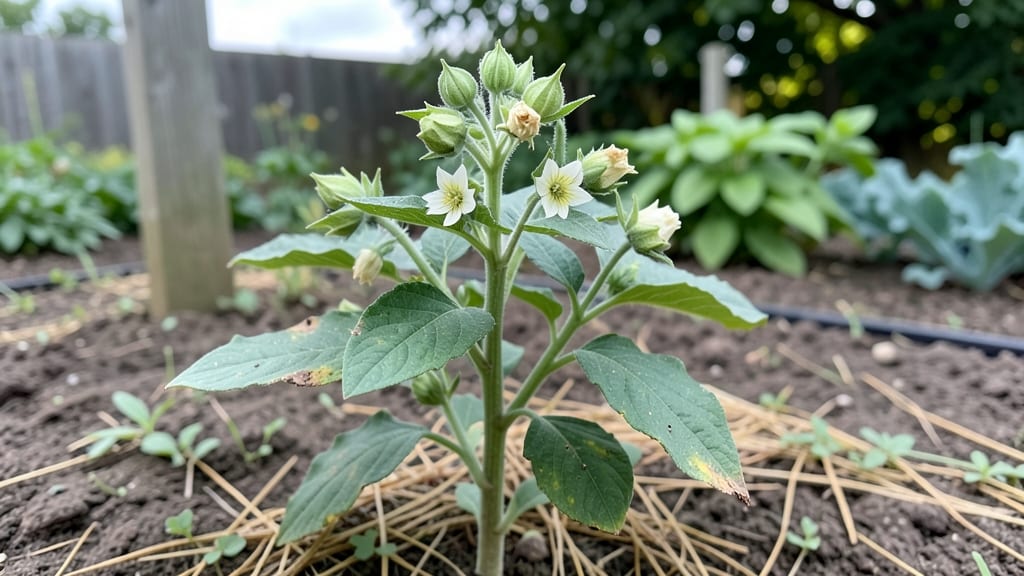
Tomatillo flower stages reveal whether your plants will produce fruit or fizzle out—here’s how to spot each one. 🌱 The journey starts with tiny green buds that look like miniature limes, then unfurls into delicate white blooms with purple centers, before finally setting fruit.
Understanding these stages helps you anticipate harvests and troubleshoot problems before they derail your crop.
Each stage lasts about 7-10 days under ideal conditions: 60-80°F temperatures, 6+ hours of sunlight, and consistent moisture. Buds form first, then open into flowers that need pollination to set fruit.
Skipping this step means no tomatillos—so watch for bees or give them a hand if your garden’s quiet. The key to success is recognizing when flowers are ready for pollination and what healthy (vs. struggling) blooms look like.
By the time you see small green fruit forming, you’re just weeks away from harvest. These early tomatillos start hard and tart but soften as they ripen. Keep an eye out for yellowing leaves or dropped buds, which signal stress—usually from heat, drought, or poor pollination.
With the right care, your plants will reward you with abundant, flavorful tomatillos ready for salsas and sauces.
This knowledge works year-round in warm climates and during summer in cooler zones. Whether you’re growing in containers or a full garden, these stages apply. Next, we’ll dive into how to hand-pollinate for guaranteed fruit set—perfect for greenhouses or areas with few bees.
📚 In This Guide
- What you need
- Instructions
- Tips and common mistakes
- Wrapping up and next steps
What you need
- ● Tomatillo plants (2–5 mature plants, depending on your garden size; choose a variety like Physalis philadelphica or P. ixocarpa for best results).
- ● Garden gloves (1 pair, lightweight and breathable for comfort during handling).
- ○ Hand lens or magnifying glass (optional but helpful for closely inspecting flower structures).
- ● Notebook and pen (to log observations of bud development, bloom timelines, and harvest readiness).
- ● Camera or smartphone (with a macro setting or attachment for capturing flower details).
- ● Pruning shears (small, sharp pair for gently trimming spent blooms or excess foliage).
- ● Watering can or hose with a gentle spray nozzle (to keep plants hydrated without damaging delicate flowers).
- ● Sunlight exposure tracking tool (e.g., a simple timer or app to monitor daily sunlight hours for your plants).
- ● Growth chart or diagram of tomatillo flower stages (printable or digital) for easy reference.
- ● Pest control spray (organic neem oil or insecticidal soap to protect blooms from aphids or whiteflies).
- ● Stake or trellis (if your tomatillo plants are sprawling; helps keep flowers accessible and upright).
- ● pH testing kit (to ensure soil pH is between 6.0–7.0, ideal for tomatillos).
- ● Humidity tray (if your climate is dry; a shallow tray with water and pebbles can boost moisture around plants).
Understanding tomatillo flower stages for peak yields
Here’s how to read your tomatillo plant’s progress from bud to harvest.
🌱 Step 1: Identify Early Bud Formation
Tomatillo buds appear as small, rounded bumps along the plant’s stems, usually 4-6 weeks after transplanting. These buds are pale green to white, about the size of a pea, and form in clusters near leaf axils. The key is patience—don’t mistake early buds for leaves or flower stalks. I like to check plants in the morning when buds are fully hydrated and easier to spot.
If buds drop off prematurely, your plant may need more consistent moisture or warmer temperatures (ideal range is 65-85°F). I’ve found that mulching around the base helps stabilize soil temps and prevents stress. Once buds firm up, they’ll begin swelling slightly—this is your cue to monitor closely for the next stage.
☀️ Step 2: Recognize Full Bloom and Pollination
When buds open, they reveal tiny, star-shaped white flowers with six petals, each about ½ inch wide. These blooms appear in clusters and last only 24-48 hours—timing is critical. The flowers are self-pollinating, but a light gently shake the plant in the morning can boost fruit set, especially in greenhouses or wind-protected areas.
Watch for yellow pollen on the flower centers—this indicates readiness for pollination. After blooming, flowers wilt and drop, leaving behind tiny green tomatillos about the size of a marble. If flowers fall without setting fruit, your plant may need more sunlight (tomatillos thrive in full sun, 6+ hours daily) or balanced fertilizer (high in phosphorus for blooming).
🌿 Step 3: Track Fruit Development to Harvest Readiness
After pollination, tomatillos grow rapidly, starting as round, golf-ball-sized fruits that eventually swell to 2-3 inches in diameter. Their skin turns from pale green to bright green or purple, depending on the variety. The real test is firmness—press a fruit gently; it should yield slightly like a ripe avocado. Overripe tomatillos soften and may develop a mealy texture.
Harvest when fruits are fully colored and firm, typically 6-8 weeks after flowering. I pick in the morning when temps are coolest to preserve flavor. Cluster fruits with their stems intact—this protects them from bruising. If left too long, tomatillos can split or develop a bitter taste, so timing is everything.
⏰ Step 4: Monitor Post-Harvest Signs for Next Season
After harvesting, observe the plant’s stems and leaves for signs of disease or nutrient depletion. Healthy plants will produce secondary flushes of flowers if given proper care. If growth slows, add a low-nitrogen fertilizer to encourage new blooms. I’ve seen tomatillo plants produce two harvests per season with consistent care and warm fall weather.
Save seeds from your best fruits by fermenting the pulp in water for 3-5 days, then drying the seeds. Store them in a cool, dry place for next year’s crop. This ensures you’ll grow varieties perfectly adapted to your climate. The cycle starts anew when you replant in spring—just watch for those first buds again!
Tips & tricks for perfect tomatillo flower development
Mastering these key moments in your tomatillo plant's lifecycle transforms average yields into bountiful harvests.
Morning Inspection Advantage: I can't stress enough how morning checks at Step 1 make all the difference. Buds are fully hydrated after nighttime moisture, making them easier to spot against the stems. Use a magnifying glass if needed—those early buds are only pea-sized! I've caught premature bud drop by simply observing at 8am daily during the 4-6 week window after transplanting. The trick is catching swelling before it's too late.
Environmental Rescue Strategy: When buds drop prematurely at Step 1, don't panic—this is often a temperature issue. I've had success creating microclimates by placing a clear plastic dome over plants during cool nights (below 65°F). For daytime heat, shade cloth works wonders. Remember, the ideal 65-85°F range is your target—anything outside this creates stress. Mulching with straw helps stabilize soil temperatures naturally.
Pollination Boost: At Step 2, when those star-shaped flowers appear, give them a gentle shake in the morning to dislodge pollen. I've seen fruit set double in greenhouses by doing this daily during the 24-48 hour bloom window. For larger plants, use a soft paintbrush to transfer pollen between flowers. The key is timing—do this when flowers are fully open but before pollen becomes sticky from morning dew.
Firmness Test Secret: The real test at Step 3 comes when fruits reach 2-3 inches. Press gently—you're looking for that slight give like a ripe avocado, not a hard ball or mushy mess. I've learned to harvest in the morning when fruits are coolest, which preserves their firm texture. For variety identification, purple-hued tomatillos often have slightly thicker skins than green varieties—this affects both harvest timing and storage life.
Pro Tips for Tomatillo Flower Stages
- Mastering these key moments in your tomatillo plant's lifecycle transforms average yields into bountiful harvests.
- Morning Inspection Advantage: I can't stress enough how morning checks at Step 1 make all the difference.
- Environmental Rescue Strategy: When buds drop prematurely at Step 1, don't panic—this is often a temperature issue.
Frequently asked questions
about tomatillo flower stages—because growing these tangy green gems can raise a few curious questions! Here’s what gardeners often wonder:How long does it take for tomatillo flowers to go from bud to fruit?
Once you spot those purple-green buds, it typically takes 4–6 weeks for them to bloom, pollinate, and develop into harvest-ready tomatillos. Warmth (60–85°F) and consistent watering speed up the process—just avoid overwatering, which can cause buds to drop.
Why aren’t my tomatillo flowers turning into fruit?
If your blooms aren’t setting fruit, it’s often due to lack of pollination (hand-pollinate with a soft brush if bees are scarce) or temperature stress (too hot or cold). Also, check for pests like aphids, which can damage buds. If flowers fall off quickly, they may be too young or stressed—give them time or adjust care.
Can I eat tomatillos before they fully ripen?
Yes! While fully green tomatillos (size of a golf ball) are ideal for salsas, you can harvest them earlier (as small as a ping-pong ball) for a milder, less tart flavor. Just note: they’ll be softer and less flavorful. For best results, wait until they’re firm and bright green—like nature’s tangy treasure!
What’s the difference between male and female tomatillo flowers?
Tomatillos are self-pollinating, so you won’t see distinct male/female flowers like tomatoes. However, the first flowers (often smaller) may not produce fruit—focus on the larger, later blooms for reliable harvests. Prune early non-fruitful flowers to encourage stronger growth!
Can I grow tomatillos in containers? What size pot do I need?
Tomatillos thrive in 5-gallon containers (or larger) with drainage. Choose a deep pot (12+ inches) to support their bushy growth. Use well-draining soil and place them in full sun (6+ hours daily). Just be ready to harvest frequently—container plants may produce smaller but prolific crops!
Wrapping up and next steps
Understanding the tomatillo flower stages—from delicate buds to vibrant blooms and finally to harvest-ready fruit—can transform your gardening confidence! 🌱 With the right tools, a little patience, and these insights, you’re now equipped to nurture thriving tomatillo plants. Ready to take the next step?
Start by planting your first tomatillo seeds or transplanting seedlings this season, and keep an eye out for those telltale signs of progress. Soon, you’ll be savoring fresh, tangy tomatillos straight from your garden—one stage at a time!