Vegetables
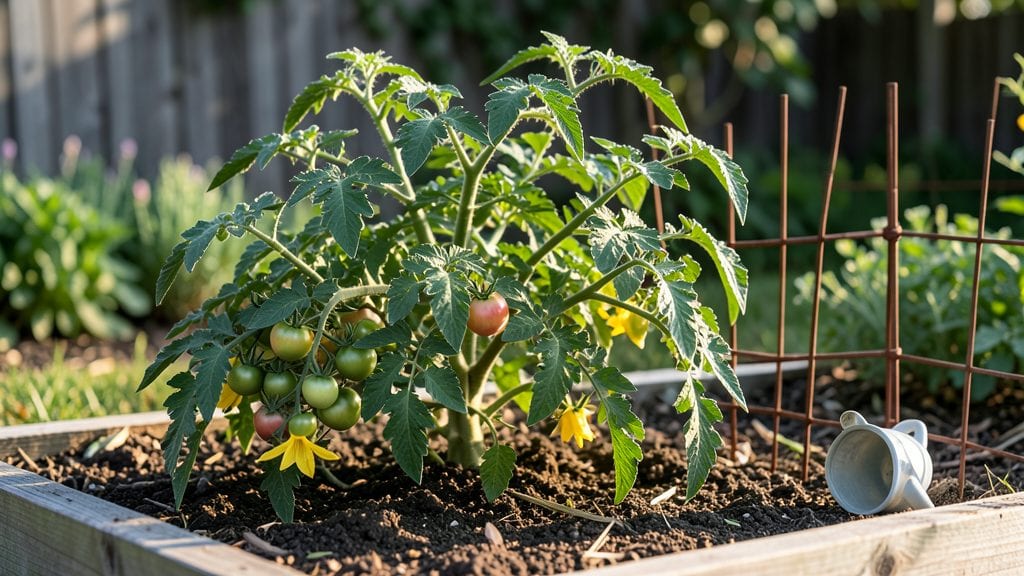
That first tomato flower opening like a tiny yellow star is your garden’s secret code to a harvest—if you understand the tomato flower-to-fruit process. 🌱 I’ve watched those blooms turn into plump red fruits (and just as often, fall off empty-handed), and the difference comes down to what happens in those critical hours after pollination.
The right conditions turn a flower into a fruit, while heat waves or poor pollination leave you with blossom drop instead of dinner.
Here’s the thing—nature handles most pollination, but tomatoes need a little help when bees stay home or temperatures spike. A gentle shake in the morning or a soft brush stroke mimics wind and insect activity, giving those flowers the nudge they need.
Too hot? Humidity drops? That’s when flowers abort, and you’re left wondering why your plants look full but produce little. The key is timing: pollinate when flowers first open, and keep an eye on weather forecasts.
What you’ll end up with is a vine heavy with fruit—6-8 weeks after those first flowers appear—if you catch the process early.
The first tomatoes might still be small, but each one is a reward for paying attention to the tiny details that separate a decent harvest from a spectacular one. And yes, I mean that literally: those little yellow stars hold the future of your garden.
This works for greenhouses, patios, and backyard plots alike—just adjust for your climate. Let’s turn those blooms into a harvest you’ll actually eat.
📚 In This Guide
- What you need
- Instructions
- Tips and common mistakes
- Wrapping up and next steps
What you need
- ● Tomato plants: 3–6 healthy seedlings or seeds (choose varieties like Cherry, Beefsteak, or Roma based on your climate and space).
- ● Potting soil or garden bed soil: 10–20 lbs of nutrient-rich, well-draining soil (pH 6.0–6.8). Add compost or aged manure for extra fertility.
- ● Containers (if not planting in-ground): 5-gallon pots or larger (1 plant per container for optimal growth). Ensure pots have drainage holes!
- ● Fertilizer: Balanced fertilizer (10-10-10 or 5-5-5): 1–2 tbsp per plant every 2–3 weeks after flowering begins.
- ○ Tomato-specific fertilizer (optional): High in phosphorus and potassium (e.g., 3-4-6 ratio) to boost fruiting.
- ● Watering can or hose with a gentle spray nozzle: 1–2 gallons of water per plant, 1–2 times daily during hot/dry periods.
- ● Pruning shears or scissors: Sharp, clean pair for trimming suckers and dead flowers.
- ● Stakes or cages: 4–6 ft tall (1 per plant) to support vining varieties like Indeterminate tomatoes.
- ● Mulch (straw or shredded leaves): 2–3 inches thick to retain moisture and suppress weeds.
- ● Shade cloth (30–50% coverage): For hot climates to protect flowers from scorching.
- ○ Pollination aid (optional): A small paintbrush or hand-held duster to help pollinate flowers if bees are scarce.
- ● Grow lights (indoor gardening): LED lights with full-spectrum bulbs for 12–16 hours/day if growing tomatoes inside.
- ● Know your last frost date—tomatoes thrive in warm soil (60°F/15°C+) and should be planted 2–3 weeks after frost.
- ● Ensure your plants get 6–8 hours of sunlight daily (more is better for fruiting!).
- ● Monitor for pests (aphids, hornworms) and diseases (blight, wilt) weekly. Act fast if you spot issues!
Step-by-Step guide to turning tomato flowers into fruit
Watch your tomato plants transform blossoms into ripe fruit with this foolproof timeline.
🌱 Step 1: Identify Pollinated Flowers
Start by examining your tomato flowers closely—look for tiny white or yellow pollen grains on the flower's anthers (those dusty-looking parts). When pollen transfers to the stigma (the sticky tip at the center), the flower will begin to swell slightly within 24-48 hours. I always check flowers in the morning when they're fully open and pollen is most active.
Here's the thing—some flowers self-pollinate easily, while others need a little help, especially in containers or greenhouses. If you see bees buzzing around, great! But if not, give the flowers a gentle shake or use a small paintbrush to transfer pollen yourself. This ensures every blossom has a chance to set fruit.
☀️ Step 2: Provide Ideal Conditions for Fruit Set
Tomato flowers need temperatures between 55-85°F to set fruit properly. Below 55°F, flowers may drop before fruiting, while above 90°F, pollen becomes sterile. I've found that morning watering keeps plants cool during heatwaves—water the soil, not the leaves, to prevent fungal issues.
Keep flowers well-hydrated but avoid overwatering—soggy soil stresses plants and can cause blossom end rot later. You'll know you're doing it right when the soil feels moist 1-2 inches down but not dripping wet. Consistent moisture prevents fruit from cracking or splitting as it grows.
💧 Step 3: Monitor Fruit Development Over 3-5 Weeks
After pollination, watch for the flower to drop and a tiny green fruit to form within 7-10 days. This is your first true sign of success! I like to mark the date on my calendar so I can track the 3-5 week timeline to maturity. During this phase, keep plants in full sun (6-8 hours daily) and fertilize lightly with a balanced 10-10-10 formula every 2-3 weeks.
If fruits start turning yellow or purple before ripening, they're not getting enough sun. Move your plants closer to a south-facing window or supplement with a grow light. You'll see the difference in just a few days—fruits will plump up faster and develop vibrant color.
✂️ Step 4: Prune and Support for Maximum Yield
Once fruits reach penny-sized, focus on removing any suckers (those little shoots in the leaf junctions) to direct the plant's energy into existing fruit. I prune in the morning when plants are dry—this helps prevent disease entry. Leave 2-3 main stems per plant to support the weight of the harvest.
Support heavy branches with stakes or cages immediately. Without support, fruits can split or break stems. I tie stems to the stake every 4-6 inches using soft plant ties. This keeps the plant upright and prevents damage as fruits swell.
🍅 Step 5: Harvest at Peak Ripeness
Harvest tomatoes when they've fully colored and yield slightly to gentle pressure—this usually takes 70-85 days from transplanting, depending on the variety. I pick in the morning when fruits are coolest and firmest. Twist gently to avoid tearing the stem, or use pruning shears for larger fruits.
Don't wait too long! Overripe tomatoes on the vine attract pests and can split in heavy rain. Once harvested, store at 55-65°F for up to 2 weeks. You'll know they're perfect when they smell sweet and give just slightly when squeezed.
Tips & tricks for perfect tomato fruit development
Here's how to maximize your tomato plant's potential without the common pitfalls that leave gardeners frustrated.
Timing is Everything: That 24-48 hour window after pollination is critical—this is when the ovary begins swelling into fruit. I've seen flowers drop completely if not pollinated within this timeframe, so check your plants twice daily during this period. For greenhouse growers, use a small paintbrush to transfer pollen manually if bees aren't visiting.
Temperature Matters: The 55-85°F range isn't just a suggestion—it's the sweet spot for fruit set. I've had entire batches of flowers drop when temperatures crept above 90°F during heatwaves. Try morning watering to cool plants naturally, and provide afternoon shade cloth if your area frequently exceeds 85°F. The difference in fruit production is dramatic.
Pruning Strategy: When your fruits reach penny-sized in Step 4, focus on removing suckers from the lower third of the plant first. This redirects energy to existing fruit rather than new growth. I always leave 2-3 main stems—any more and you'll get smaller tomatoes, any fewer and you risk breaking stems under fruit weight. Use soft plant ties every 4-6 inches for support.
Sunlight Secret: Those 6-8 hours of full sun aren't negotiable for quality fruit. If your tomatoes start developing uneven color or small size, supplement with a grow light for 4-6 hours daily. I've seen plants in partial shade produce fruits that never fully ripened—always prioritize southern exposure or artificial light during cloudy periods.
Pro Tips for Tomato Flower To Fruit
- Here's how to maximize your tomato plant's potential without the common pitfalls that leave gardeners frustrated.
- Timing is Everything: That 24-48 hour window after pollination is critical—this is when the ovary begins swelling into fruit.
- Temperature Matters: The 55-85°F range isn't just a suggestion—it's the sweet spot for fruit set.
Frequently asked questions
Got questions about transforming tomato flowers into juicy, ripe fruit? You’re not alone! Here are answers to the most common curiosities—from timing to troubleshooting—so you can grow tomatoes like a pro.
How long does it take for a tomato flower to turn into fruit?
Most tomato flowers take 24–48 hours to pollinate and set fruit, but the fruit itself won’t ripen for 45–85 days, depending on the variety. Cherry tomatoes ripen fastest (35–50 days), while heirlooms can take up to 90 days. Patience is key—watch for color changes from green to your favorite shade!
Why isn’t my tomato flower turning into fruit?
If flowers drop off or fruit fails to form, check these common culprits:
- Poor pollination: Gently shake plants or use a small brush to transfer pollen.
- Extreme temps: Flowers may abort if temps drop below 55°F (13°C) or rise above 90°F (32°C).
- Nutrient deficiency: Lack of phosphorus or calcium can stunt fruit development.
- Overwatering/underwatering: Keep soil consistently moist but not soggy.
Can I speed up the ripening process?
While you can’t rush nature, these tricks help:
- Harvest green tomatoes and ripen indoors with a paper bag + banana (ethylene gas speeds ripening).
- Move plants to a warmer, sunny spot (70–85°F / 21–29°C is ideal).
- Avoid over-fertilizing with nitrogen—it boosts leaves, not fruit.
What’s the best way to tell if a tomato flower will produce fruit?
Healthy tomato flowers have:
- A swollen ovary at the base (signs of pollination).
- Bright yellow stamens (pollen-rich for bees).
- No wilting or browning (signs of stress or disease).
Are there tomato varieties that set fruit more reliably?
Yes! Some varieties are self-pollinating and heat-tolerant, making them great for beginners:
- Determinate types: ‘Roma,’ ‘Celebrity,’ or ‘Better Boy’ (compact, high-yield).
- Heat-resistant picks: ‘Solar Fire,’ ‘Heatmaster,’ or ‘Mountain Merit.’
- Disease-resistant hybrids: Look for labels like VFN (Verticillium, Fusarium, Nematode).
Wrapping up and next steps
Watching a tomato flower transform into a ripe, juicy fruit is one of gardening’s most rewarding experiences! 🌱 By understanding the bloom-to-harvest timeline, you’ve unlocked the secrets to a thriving garden. Whether you’re nurturing heirlooms or hybrid varieties, consistency in care—watering, pruning, and pollination—makes all the difference.
Now that you’re armed with knowledge, roll up your sleeves and get growing! Start by planting a few more seeds or gifting tomato plants to fellow green thumbs. Every harvest is a celebration—so enjoy the process, and soon, you’ll be savoring homegrown tomatoes straight from vine to plate. 🍅✨