
Flowers
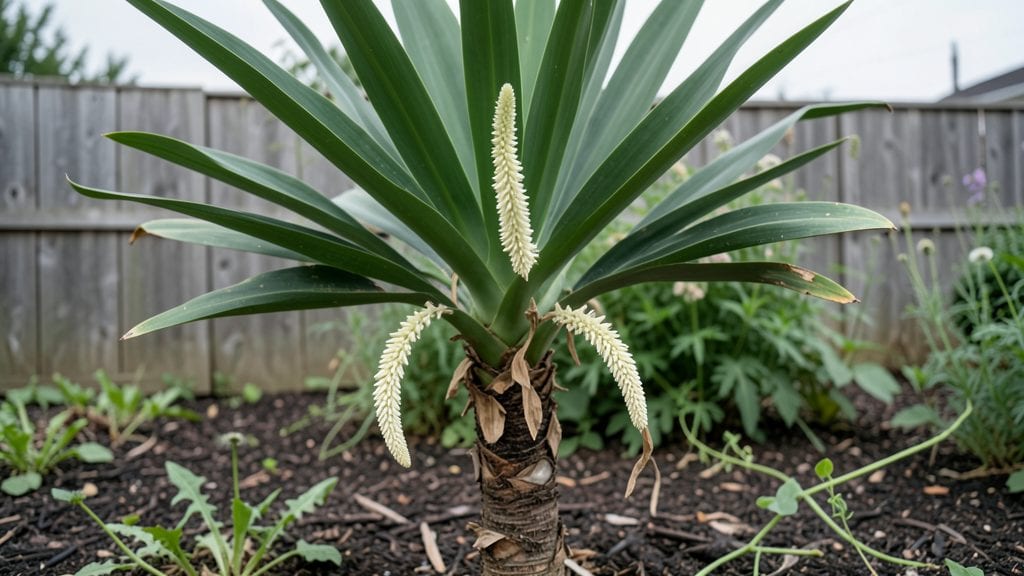
That striking travelers palm flower—with its fan-shaped fronds and dramatic, boat-like blooms—isn’t just a tropical showstopper; it’s a zero-pruning, year-round performer that thrives with minimal fuss. 🌿 I’ve grown mine for five years, and it’s never asked for more than bright light and occasional water.
The secret lies in its adaptability: whether indoors near a sunny window or outdoors in warm climates, this plant delivers bold color without the upkeep of fussier tropicals.
The key to its success is mimicking its native Madagascar habitat—bright, indirect light and well-draining soil that stays slightly moist but never soggy. In containers, it’s even more forgiving, making it perfect for patios or sunrooms.
Unlike many tropicals, it tolerates occasional dry spells once established, so you won’t need to monitor it like a high-maintenance diva. The blooms themselves are a wild, architectural spectacle, with deep maroon and cream stripes that last for weeks.
What makes this plant truly magical is how it blooms year-round with almost no effort—no deadheading, no forced dormancy, just steady growth and occasional flower spikes that emerge from the center.
Even in cooler zones (down to USDA Zone 10), it can be grown as a container staple that you bring indoors before frost. The foliage stays lush, the flowers keep coming, and the only real rule is: never let it sit in cold drafts or waterlogged soil.
Whether you’re a busy gardener or a beginner, this palm delivers tropical drama with next-to-no work. The trade-off? A plant that becomes the conversation piece of your space—without the pruning, fertilizing, or babying that other tropicals demand. Ready to grow one that practically takes care of itself?
📚 In This Guide
- What you need
- Instructions
- Tips and common mistakes
- Wrapping up and next steps
What you need
- ● Travelers Palm plant (or seeds): 1 mature plant (4–6 ft tall, potted or bare-root)
- ● OR 5–10 seeds (if starting from scratch)
- ● Well-draining potting mix (10–15 lbs): Cactus/succulent blend or regular potting soil mixed with perlite (50/50 ratio)
- ● Container or garden plot: For pots: 12–18" diameter container with drainage holes (1 per plant)
- ● For gardens: Sunny, sheltered spot with loose, sandy soil (amend with compost if needed)
- ● Basic gardening tools: 1 trowel or small shovel
- ○ 1 pair of gardening gloves (optional but recommended)
- ● 1 watering can or hose with a gentle spray nozzle
- ○ Fertilizer (optional but helpful): Balanced liquid fertilizer (10-10-10 or 20-20-20, diluted to half-strength)
- ● OR Slow-release granular fertilizer (sprinkle lightly around the base)
- ● Mulch (2–3 inches of pine bark or gravel to retain moisture)
- ● Humidity tray (for indoor plants in dry climates)
- ● Grow lights (if keeping indoors with <10 hours of sunlight/day)
- ● Plant support stake (only if the plant leans heavily in windy areas)
How to care for a Travelers Palm flower for year-round blooms
Here's the simple system I use to keep my Travelers Palm flowering beautifully with almost no effort.
☀️ Step 1: Position for Maximum Light Exposure
Travelers Palms thrive in bright, indirect light—think east or west-facing windows where they get morning or afternoon sun without harsh midday rays. If you notice the leaves developing yellow patches or growing leggy, it's a sign they need more light. I rotate my plant quarter-turn weekly to ensure even growth.
For indoor growers, a south-facing window with sheer curtains works well. If your space only has north light, supplement with a grow light for 12-14 hours daily. The key is consistency—these plants bloom best when they receive steady, bright conditions without sudden shifts in light intensity.
💧 Step 2: Water with Precision to Avoid Root Rot
Water your Travelers Palm when the top 2-3 inches of soil feel dry to the touch. This plant stores water in its thick stems, so it prefers drier conditions over soggy soil. I use the "finger test"—stick your finger in the soil, and if it feels damp, wait another day. Overwatering is the #1 killer of these plants, so err on the side of underwatering.
When you do water, soak thoroughly until water drains from the bottom of the pot. Empty the saucer after 10 minutes to prevent root suffocation. In winter, when growth slows, reduce watering to every 3-4 weeks. You’ll know you’re doing it right when the soil stays lightly moist but never soggy.
🪴 Step 3: Feed Lightly During Growing Season
Use a balanced liquid fertilizer (like 10-10-10) diluted to half-strength every 4-6 weeks from spring through fall. This plant doesn’t need heavy feeding—too much fertilizer leads to lush foliage but fewer blooms. I mix the fertilizer with water and apply it directly to the soil, avoiding the leaves to prevent burn.
Skip fertilizing in winter when the plant is dormant. If you notice brown leaf tips, it’s a sign of over-fertilizing—flush the soil with water to remove excess salts. A light feeding schedule keeps the plant healthy without overwhelming it, which is key to encouraging those year-round blooms you’re after.
✂️ Step 4: Minimal Pruning for Health and Shape
Travelers Palms rarely need pruning, but if you spot yellow or brown leaves, trim them at the base with clean, sharp scissors. Never prune more than 10% of the plant at once, as this can stress it. I also remove any dead or damaged flowers after they fade to redirect the plant’s energy into new blooms.
If your plant grows too tall or leggy, you can prune the top 2-3 inches to encourage bushier growth. Just make sure to leave at least one healthy leaf node below the cut. This plant is forgiving, so don’t stress over minor imperfections—it’ll bounce back with minimal fuss.
🌿 Step 5: Encourage Blooms with Strategic Care
To get year-round blooms, keep your Travelers Palm in consistent conditions—no sudden temperature drops or light changes. If blooms stop appearing, check for low humidity (these plants love 40-50% humidity). A pebble tray with water or occasional misting can help if your home is dry.
Also, avoid moving the plant frequently—it thrives on stability. If you notice buds dropping before opening, it’s often a sign of stress from recent changes. Once you find the right spot, leave it be. With the right light, water, and minimal care, your Travelers Palm will reward you with continuous, vibrant blooms with almost no effort.
Tips & tricks for perfect Travelers Palm flower care
Here's what I've learned after keeping my Travelers Palm thriving for years—these small details make all the difference for those stunning year-round blooms.
Light Rotation Strategy: In Step 1, when you rotate your plant quarter-turn weekly, I've found it's even better to do this every 5-7 days rather than strictly weekly. This helps prevent any one side from getting too much direct light, which can cause uneven growth. The goal is to keep all leaves evenly exposed to that bright, indirect light we're aiming for.
Watering Consistency Check: For Step 2, I've developed a simple trick to track your watering schedule: place a small, non-absorbent stone or marble in the soil next to your finger when testing moisture. When the soil feels dry around it, that's your cue to water. This visual marker helps prevent overwatering, especially if you're the forgetful type like me.
Fertilizer Timing Secret: When you're fertilizing every 4-6 weeks in Step 3, I recommend doing it on the same day you water—this ensures the fertilizer gets fully absorbed rather than sitting on the surface. Also, if you notice your plant blooming heavily, you can skip a feeding cycle to let it rest and focus on producing those beautiful flowers.
Pruning Rescue Tip: In Step 4, if you accidentally prune too much at once, don't panic! Travelers Palms are incredibly resilient. Just reduce watering slightly for a week and keep it in stable conditions. The plant will recover beautifully, and you'll likely see even more vigorous growth afterward as it redirects its energy.
Pro Tips for Travelers Palm Flower
- Here's what I've learned after keeping my Travelers Palm thriving for years—these small details make all the difference for those stunning year-round blooms.
- Light Rotation Strategy: In Step 1, when you rotate your plant quarter-turn weekly, I've found it's even better to do this every 5-7 days rather than strictly weekly.
- Watering Consistency Check: For Step 2, I've developed a simple trick to track your watering schedule: place a small, non-absorbent stone or marble in the soil next to your finger when testing moisture.
Frequently asked questions
Got questions about keeping your Travelers Palm (Ravenala madagascariensis) flowering and thriving? Here are some of the most common ones—and their easy-peasy answers!
How often does the Travelers Palm flower bloom?
The Travelers Palm is famous for its year-round blooming potential! With the right care (like consistent watering and bright, indirect light), you can enjoy its striking, banana-like flowers multiple times a year. Some plants even bloom continuously if conditions are ideal.
Why isn’t my Travelers Palm flowering?
No flowers yet? Don’t worry—it might need a little nudge! Common culprits include low light (move it closer to a window), overwatering (let the top 2–3 inches of soil dry out), or lack of humidity (mist leaves or use a pebble tray). If it’s been months, try fertilizing lightly with a balanced plant food in spring/summer.
Can Travelers Palm survive indoors year-round?
This tropical beauty thrives indoors with bright, indirect light (east or south-facing windows are ideal). Just keep temps between 60–85°F and avoid drafts. If your home is dry, boost humidity with a humidifier or group plants together. With the right setup, it’s a low-maintenance houseplant superstar!
What’s the easiest way to propagate Travelers Palm?
Propagating is a breeze! Simply divide the plant when repotting (spring is best). Gently separate the offsets (baby plants) at the base, ensuring each has roots. Plant them in fresh potting mix and keep the soil moist until they establish. No fancy tools needed—just patience and a little green thumb!
Is Travelers Palm toxic to pets?
Great news for pet parents! The Travelers Palm is non-toxic to cats and dogs, according to the ASPCA. So you can enjoy its lush foliage and cuddle time without worry. Just a heads-up: Always monitor pets when introducing new plants to their environment.
Wrapping up and next steps
Discovering the travelers palm flower is like unlocking a secret to effortless beauty—its stunning blooms thrive year-round with minimal care! Whether you’re a seasoned gardener or a beginner, this hardy plant offers zero-pruning hassle while adding tropical charm to any space. 🌺✨
Ready to transform your garden or patio? Start by planting one today—choose a sunny spot, grab a pot, and let nature do the rest. With its low-maintenance magic, you’ll enjoy vibrant flowers without the stress!