
Flowers
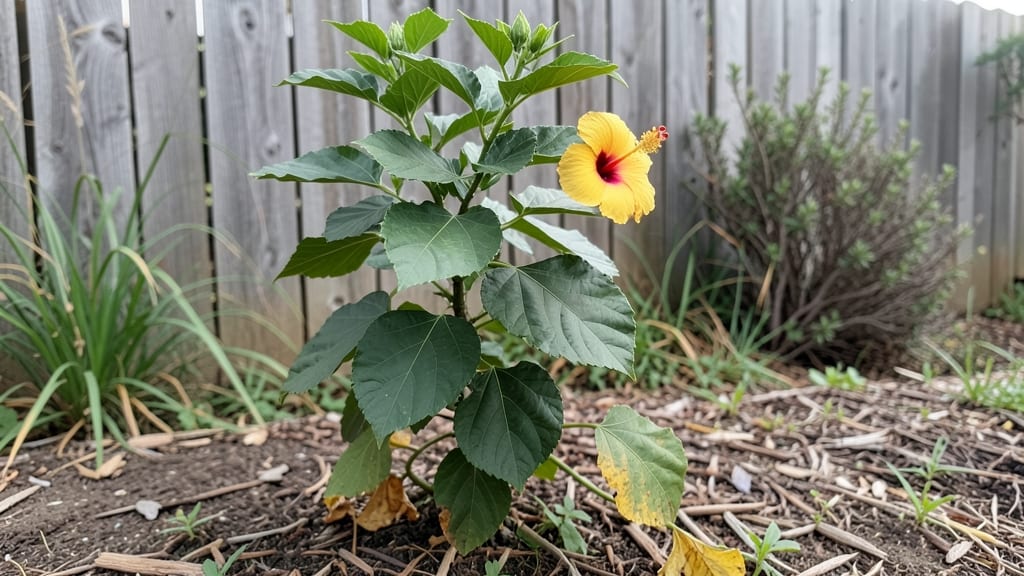
The velvety tropical hibiscus flower in full bloom is nothing short of living art—those petals that seem to shimmer with every glance. 🌺 I’ve grown them for years, and the secret to their success isn’t just heat and humidity—it’s the right balance of sunlight. soil, and a little winter prep that keeps them thriving even when temps drop.
Most gardeners assume these plants can’t survive cold snaps, but with the right care, they’ll reward you with edible blooms and lush foliage year after year.
The good news? You don’t need a greenhouse or fancy equipment to grow them. A south-facing spot with at least 6-8 hours of sunlight, well-draining soil, and consistent moisture are all you need.
In colder climates, a thick mulch layer or even bringing potted plants indoors for winter can make all the difference. The blooms start appearing in late spring and last through fall, giving you months of vibrant color and even culinary uses for their petals.
By summer’s end, you’ll have a plant that’s not only stunning but also productive—think tea, salads, or garnishes from your own garden. The key is pruning after each bloom cycle to encourage new growth, and watching for pests like spider mites early.
With these simple steps, your hibiscus will become the showstopper of your garden, no matter where you live.
Whether you’re in a warm coastal zone or a cooler inland area, this guide covers the adaptations that work. Let’s get those roots growing strong!
📚 In This Guide
- What you need
- Instructions
- Tips and common mistakes
- Wrapping up and next steps
What you need
- ● Tropical hibiscus plants: 1–3 nursery-grown plants (choose varieties like Hibiscus rosa-sinensis or Hibiscus sabdariffa for edible flowers).
- ● Well-draining potting mix: 5–10 gallons (or enough to fill containers 12–18" deep). Mix with perlite or sand for aeration.
- ○ Containers (optional but recommended for cold climates): Large pots (15–20 gallons) with drainage holes for 1–2 plants.
- ● OR raised beds (if planting in-ground).
- ● Slow-release fertilizer: 1–2 cups of 10-10-10 or organic options like composted manure.
- ● Watering can or hose: With a gentle spray nozzle for hydration.
- ● Pruning shears: Sharp, sterilized shears for trimming dead blooms or shaping plants.
- ○ Mulch (optional but helpful): 2–3 inches of shredded bark or straw to retain moisture.
- ● Sunlight: 6+ hours of direct sunlight daily (partial shade in scorching climates).
- ● Temperature: Ideal range: 65–85°F (35–30°C). Protect from frost (<32°F/0°C).
- ● Soil pH: Slightly acidic to neutral (6.0–7.0). Test soil if planting in-ground.
- ● Patience: Hibiscus may take 6–12 months to bloom fully!
- ● 🌡️ Cold-hardy hack: Move potted hibiscus indoors (near a sunny window) during frost.
- ● ✨ Edible bonus: Harvest flowers when fully open for teas, salads, or jams!
- ● 🔄 Rotate pots: Turn containers weekly for even sunlight exposure.
Step-by-step instructions for growing tropical hibiscus flowers
Here's my foolproof method for coaxing vibrant tropical hibiscus blooms—whether you're growing them as edible flowers or for their striking beauty.
🌱 Step 1: Choose the Right Location and Plant at the Correct Time
Tropical hibiscus thrives in full sun—at least 6-8 hours daily—so pick a spot where they’ll get morning light and afternoon warmth. I always plant mine in late spring after the last frost, when soil temperatures hit at least 65°F. The roots need warmth to establish properly.
Dig a hole twice as wide as the root ball but only as deep. This prevents burying the stem too deeply, which can cause rot. Gently loosen the roots if they’re circling tightly in the pot. The first true leaves will appear within 4-6 weeks—that’s your signal the plant is settling in.
✂️ Step 2: Prune for Shape and Encourage Blooms
Pruning isn’t just about looks—it’s how you get more flowers. I cut back leggy stems by one-third in early spring to encourage bushier growth. Always prune just above a leaf node where new growth will sprout. Never cut into old wood; hibiscus blooms only on new growth.
Deadhead spent blooms regularly to redirect energy into new flowers. You’ll see new buds forming within 2-3 weeks of pruning. If your plant gets woody or overgrown, a harder prune in late winter (before new growth starts) rejuvenates it beautifully.
💧 Step 3: Water Deeply and Feed for Continuous Blooms
Hibiscus roots run deep, so water deeply once a week—until water runs out the drainage holes. Let the top 2 inches of soil dry between waterings to prevent root rot. Mulch with 2-3 inches of organic matter (like shredded bark) to retain moisture and keep roots cool.
Feed every 4-6 weeks with a balanced liquid fertilizer (10-10-10) during the growing season. You’ll notice brighter blooms and faster growth within a month. In fall, switch to a low-nitrogen fertilizer to harden off the plant for winter.
☀️ Step 4: Protect from Cold and Extend the Season
Tropical hibiscus can’t handle frost, but with the right care, you can push their growing season. In USDA Zones 9-11, they’re perennial. In colder zones, dig up potted plants before frost or mulch heavily with 4-6 inches of straw around the base.
If you’re growing hibiscus as edible flowers, harvest blooms in the morning when petals are fully open. The center stamen (the red part) is the edible portion—tastes like berries! Just avoid the bitter white parts. With proper care, one plant yields dozens of blooms per season.
Tips & tricks for perfect tropical hibiscus blooms
Here's what nobody tells you about growing these stunning edible flowers—little details that make all the difference between a few blooms and a garden full of vibrant color.
Sunlight Secret: Those 6-8 hours of daily sun are non-negotiable, but morning sunlight is especially important. East-facing locations give gentle morning warmth without scorching in the afternoon. If your garden gets afternoon shade, place your hibiscus where it catches the first rays—this is when they photosynthesize most efficiently.
Soil Temperature Matters: Waiting until soil hits 65°F before planting is crucial, but don't just check the air temperature. Stick your finger in the soil—it should feel warm like a hot bath, not cool like morning coffee. Cold soil shocks roots and delays growth. I've seen plants take twice as long to establish when planted in cooler soil.
Pruning Precision: When cutting back those leggy stems by one-third in early spring, make your cuts at a 45-degree angle just above a leaf node. This creates a larger surface for water absorption and directs growth where you want it. I always sterilize my pruners with rubbing alcohol between cuts to prevent spreading disease—especially important when working with multiple plants.
Watering Wisdom: That "water deeply once a week" rule assumes well-draining soil. If your soil stays soggy, reduce to every 10 days and let the top 3 inches dry out completely. The key is checking the soil 2 inches down—if it's dry, it's time to water. Overwatering is the #1 killer of hibiscus plants, and it's completely preventable with this simple check.
Pro Tips for Tropical Hibiscus Flower
- Here's what nobody tells you about growing these stunning edible flowers—little details that make all the difference between a few blooms and a garden full of vibrant color.
- Sunlight Secret: Those 6-8 hours of daily sun are non-negotiable, but morning sunlight is especially important.
- Soil Temperature Matters: Waiting until soil hits 65°F before planting is crucial, but don't just check the air temperature.
Frequently asked questions
Got questions about growing and caring for tropical hibiscus flowers? We’ve got answers!
Whether you’re a beginner or a seasoned gardener, these FAQs cover everything from planting tips to troubleshooting common issues.
How do I know if my tropical hibiscus is getting enough sunlight?
Tropical hibiscus thrives in full sun (6–8+ hours daily) but can tolerate partial shade in hotter climates. Look for pale or yellowing leaves—a sign of too little light—or drooping buds (too much heat without shade). If indoors, place near a south-facing window or use grow lights.
Can tropical hibiscus survive cold weather? What’s the coldest temperature they can handle?
Most tropical hibiscus (like Hibiscus rosa-sinensis) are tender perennials and die back in temps below 40°F (4°C). For cold snaps (<32°F/0°C), move potted plants indoors or cover outdoor plants with frost cloth. Hardy varieties (e.g., Hibiscus moscheutos) tolerate 10–15°F (-12 to -9°C).
Why aren’t my hibiscus flowers opening, even though there are buds?
Bud drop or failure to open is often due to stress. Check for:
- Underwatering (soil should stay evenly moist, not soggy).
- Overcrowding (prune nearby plants for airflow).
- Nutrient deficiency (use a balanced fertilizer like 20-20-20 every 4–6 weeks).
- Temperature swings (they hate drafts or sudden cold).
Are all hibiscus flowers edible? How do I prepare them safely?
Only tropical hibiscus flowers (like Hibiscus rosa-sinensis) are edible—avoid Hibiscus syriacus (rose of Sharon), which is toxic. To prepare:
- Harvest fully open blooms (remove stamens/pistils for a cleaner look).
- Rinse in cold water to remove pesticides (organic is best!).
- Use fresh in salads, teas, or garnishes, or dry for later.
What pests commonly attack tropical hibiscus, and how do I treat them?
Keep an eye out for:
- Aphids: Tiny green/black bugs on new growth. Blast off with water or use neem oil.
- Spider mites: Yellow stippling on leaves + webbing. Increase humidity and spray with soapy water.
- Whiteflies: Sticky residue on leaves. Sticky traps or insecticidal soap works.
Wrapping up and next steps
The tropical hibiscus flower isn’t just a stunning addition to your garden—it’s a versatile, edible treasure that thrives with the right care! Whether you’re drawn to its vibrant blooms, cold-hardy varieties, or culinary potential, this guide has given you the tools to grow one successfully.
With patience and the right techniques, you’ll soon be enjoying fresh hibiscus tea, vibrant flowers, and a lush, tropical vibe—even in cooler climates.
Ready to take the next step? Start small: pick a sunny spot, gather your supplies, and plant your first hibiscus. Watch it grow, experiment with recipes, and share your blooms with the world! 🌺✨