Pests
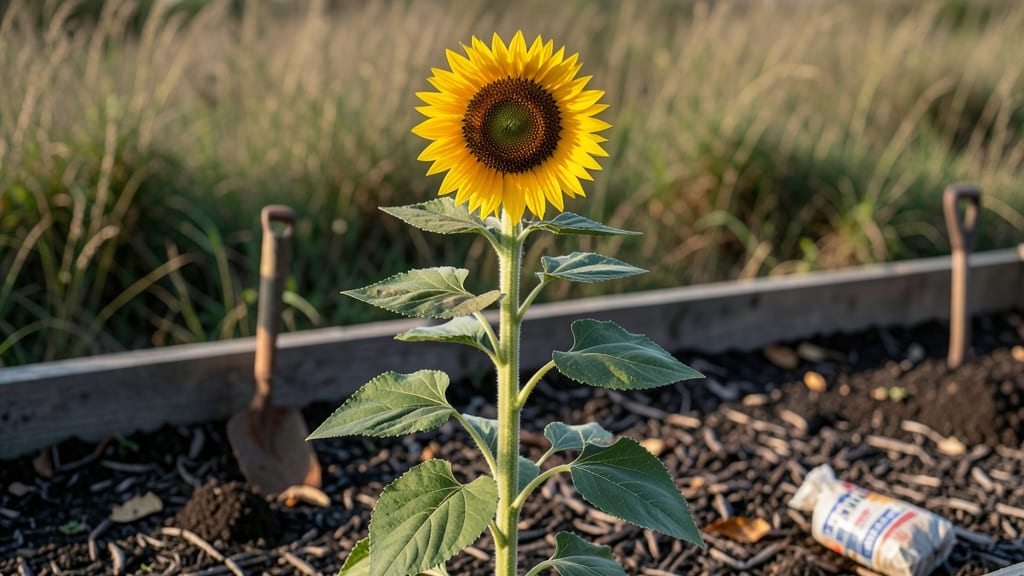
What about the sunflower? It thrives in the Pacific Northwest’s dry summers—here’s how to grow them with minimal fuss. 🌻 I planted my first batch last year and was shocked by how well they handled our drought conditions, producing 6-foot stalks by August with... almost no extra water.
The secret lies in their deep roots and simple care routine, which even my black thumb can master.
These cheerful giants need full sun (at least 6 hours daily) and well-draining soil—no fancy amendments required. A basic mix of garden soil and compost works perfectly, and they tolerate poor soil better than most plants.
Start seeds indoors 4-6 weeks before your last frost or sow directly after soil warms, spacing them 12-18 inches apart for sturdy growth.
Once established, sunflowers are nearly self-sufficient. Water deeply once a week during dry spells, and watch them grow—some varieties like ‘Moulin Rouge’ reach 10 feet tall! The seeds are edible (tasty roasted), and the blooms attract pollinators while adding bold color to any space.
Even in our rainy winters, they’re a low-maintenance star.
For beginners, start with dwarf varieties like ‘Teddy Bear’ (3 feet tall) to avoid staking hassles. Deadhead spent blooms to encourage more flowers, and save seeds for next year’s garden. These sun-loving plants prove that drought-resistant doesn’t mean dull—just try one this season!
📚 In This Guide
- What you need
- Instructions
- Tips and common mistakes
- Wrapping up and next steps
What you need
- ● Sunflower seeds: Choose Helianthus annuus varieties like ‘Mammoth’ (for height) or ‘Teddy Bear’ (compact, great for containers). Buy 1–2 lbs (enough for ~100–200 plants).
- ● Well-draining soil: Mix 50% native soil with 50% compost or aged manure to improve moisture retention. Test pH (ideal: 6.0–7.5).
- ● Watering supplies: Drip irrigation kit (recommended for drought zones) or a 5-gallon watering can.
- ● Mulch (straw or wood chips, 2–3 inches thick) to lock in moisture.
- ● Fertilizer: Slow-release granular fertilizer (e.g., 10-10-10) or compost tea for organic growth.
- ● Garden trowel or transplanter (for seedling care).
- ● Pruning shears (to trim dead leaves or encourage bushier growth).
- ○ Stakes or cages (optional for tall varieties like ‘Russian Giant’).
- ● Gloves (to protect hands from prickly stems!).
- ● Shade cloth (30–50%) for seedlings if direct sun is intense.
- ● Pest deterrents: Neem oil or insecticidal soap (for aphids/beetles).
- ● Sunflower-specific companion plants (e.g., basil or marigolds) to repel pests.
How to grow drought-resistant sunflowers in the Pacific Northwest
Sunflowers thrive in our region’s dry summers—here’s how to coax their bold blooms with minimal fuss.
🌱 Step 1: Choose the Right Variety for Dry Conditions
Pacific Northwest sunflowers need varieties bred for heat and drought tolerance. I always reach for ‘Autumn Beauty’ or ‘Moulin Rouge’—their deep roots and sturdy stems handle our dry summers better than fussy hybrids. These varieties also tolerate partial shade, which comes in handy if your yard has afternoon sun but no morning rays.
Check your seed packet for days to maturity—aim for varieties that mature in 60-90 days to finish blooming before our first fall rains. Shorter varieties (4-5 feet tall) also resist wind better than towering types, which can snap in coastal storms.
☀️ Step 2: Plant in Well-Draining Soil After Last Frost
Sunflowers despise soggy roots, so amend your soil with 2-3 inches of compost before planting. Work it into the top 6 inches of soil to improve drainage without compacting. I always test moisture by squeezing a handful—if it forms a loose ball but crumbles when released, it’s perfect.
Plant seeds 1 inch deep and 6 inches apart in rows 18 inches apart for airflow. Thin seedlings to the strongest plant per spot when they reach 3 inches tall. This prevents overcrowding, which stresses roots and invites powdery mildew in our humid summers.
💧 Step 3: Water Deeply but Infrequently
Here’s the secret: Deep watering once a week beats daily shallow drinks. Sunflowers develop deep taproots when watered thoroughly, which helps them access moisture during droughts. I water at the base until 6 inches of soil feels damp—use your finger to check.
Once established (after 4-6 weeks), sunflowers rarely need supplemental water. Mulch with 2-3 inches of straw to lock in moisture and keep soil temperatures stable. Avoid wetting foliage to prevent fungal diseases common in our damp summers.
✂️ Step 4: Provide Support and Monitor for Pests
Stake tall varieties (6 feet or taller) with 3-foot bamboo stakes tied loosely to the stem as they grow. Our Pacific Northwest winds can topple sunflowers before they bloom. I use soft plant ties to avoid girdling the stem—check them monthly to prevent cutting into the plant.
Watch for sunflower moths or beetles, which chew leaves. Handpick adults and drop them in soapy water. A neem oil spray applied at dusk prevents egg-laying without harming bees. If you see holes in leaves, act fast—sunflowers can recover from minor damage but won’t rebound from severe defoliation.
🌻 Step 5: Harvest and Extend the Season
Cut blooms when 2-3 inches of stem remain and petals begin wilting. Hang upside-down in a dry, dark place for 1-2 weeks to dry completely. Store seeds in airtight containers—our dry climate makes seed storage easy, but keep them in a cool (50-60°F) spot.
For a second crop, succession-plant seeds every 2 weeks until 6 weeks before your first frost. This stretches your harvest and ensures continuous blooms. Deadhead spent flowers to encourage more blooms, but leave a few to dry for seeds if you want to save them for next year.
Tips & tricks for Pacific Northwest sunflower success
Here’s what nobody tells you about growing sunflowers that actually thrive in our dry summers—no guesswork, just proven tricks.
Variety Matters More Than You Think: In Step 1, when selecting seeds, prioritize those labeled "drought-tolerant" or "heat-resistant." I’ve found that ‘Autumn Beauty’ and ‘Moulin Rouge’ not only handle our dry conditions but also produce the most vibrant blooms. The 60-90 day maturity range is key—shorter varieties like these finish blooming before our first fall rains, preventing mold issues. For windy coastal areas, choose 4-5 foot varieties—they’re less likely to snap than towering types.
The Soil Test You’re Probably Skipping: Before planting in Step 2, dig a small hole and fill it with water. If it drains within an hour, your soil is perfect. If it pools, amend with 2-3 inches of compost mixed into the top 6 inches—this improves drainage without compacting. I always work in a handful of perlite or coarse sand for extra insurance against soggy roots, which sunflowers absolutely despise.
Watering Hack for Drought Conditions: The once-a-week deep watering in Step 3 works, but here’s the pro move: water in the early morning so foliage dries quickly. This prevents fungal diseases that thrive in our humid summers. For the first 4-6 weeks, check soil moisture by sticking your finger 2 inches deep—if it’s dry, water again. Once established, mulch with 2-3 inches of straw to lock in moisture and regulate soil temperature.
Pest Prevention You Can’t Ignore: When staking tall varieties in Step 4, use 3-foot bamboo stakes but tie them loosely with soft plant ties. Check monthly to prevent girdling. For pests, I’ve had the most success with neem oil—mix 1 tablespoon per gallon of water and spray at dusk. This prevents egg-laying without harming bees, and it’s far more effective than commercial pesticides for our Pacific Northwest sunflower moths.
Pro Tips for What About Sunflower
- Here’s what nobody tells you about growing sunflowers that actually thrive in our dry summers—no guesswork, just prov...
- Variety Matters More Than You Think: In Step 1, when selecting seeds, prioritize those labeled "drought-tolerant" or ...
- The Soil Test You’re Probably Skipping: Before planting in Step 2, dig a small hole and fill it with water. If it dra...
Frequently asked questions
Got questions about growing sunflowers in the Pacific Northwest’s dry climate? You’re not alone!
Here are some of the most common concerns—and straightforward answers—to help you cultivate thriving, drought-resistant sunflowers with ease.
Can sunflowers survive without much water in the PNW?
Sunflowers are naturally drought-tolerant, especially once established. While seedlings need consistent moisture, mature plants thrive with 1–2 inches of water per week (rain or irrigation). Mulching around the base retains soil moisture and reduces evaporation—perfect for the PNW’s dry summers.
How long does it take for sunflowers to mature in this climate?
Most sunflower varieties mature in 80–100 days, but cooler PNW nights can slow growth slightly. Choose fast-maturing varieties like ‘Moulin Rouge’ (60–70 days) or ‘Autumn Beauty’ (85–90 days) for reliable blooms. Start seeds indoors 4–6 weeks before the last frost (typically mid-April in the PNW) for a head start.
What pests should I watch for in PNW sunflowers?
The PNW’s biggest sunflower threats are sunflower moths, aphids, and bird damage. Use row covers for seedlings to deter moths, and spray aphids with soapy water. For birds, try netting over blooms or planting sunflowers near taller crops (like corn) to create a barrier.
Are there sunflower varieties better suited for dry climates?
Yes! Opt for drought-resistant hybrids like:
- ‘ProCut’ – Disease-resistant and heat-tolerant.
- ‘Russian Giant’ – Classic tall variety with deep roots.
- ‘Teddy Bear’ – Compact, low-water, and great for containers.
What if my sunflowers wilt or droop in the heat?
Wilting is often a sign of underwatering or root stress. Give the soil a deep drink (1–2 inches) and avoid overhead watering to prevent fungal issues. If wilting persists, check for root rot (common in heavy clay soils). Adjust mulch thickness or space plants 18–24 inches apart for better airflow.
Wrapping up and next steps
Sunflowers aren’t just cheerful, drought-resistant stars of the Pacific Northwest—they’re also low-maintenance, pest-tolerant powerhouses that bring beauty and resilience to any garden. 🌻 Whether you’re a seasoned gardener or a curious beginner, their ability to thrive in tough conditions makes them a smart, sustainable choice for your outdoor space.
Ready to grow your own sunflower success story? Start by picking the right variety, prepping your soil, and keeping an eye out for common pests like aphids or birds.
With these tips, you’ll be well on your way to a sunflower-filled paradise that stands tall—no matter what Mother Nature throws your way!