
Flowers
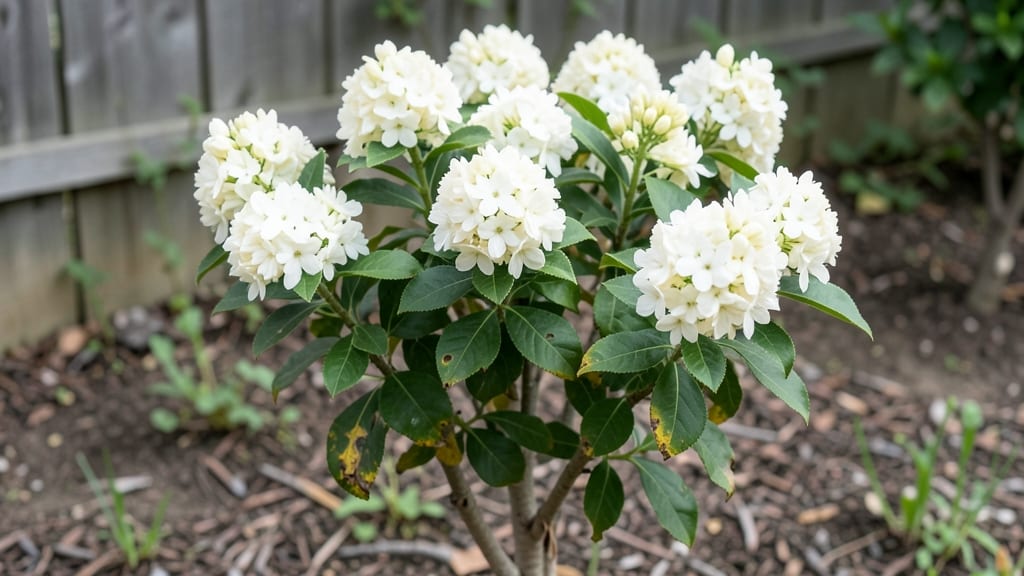
Nothing beats the way a white flower bush smells good as it perfumes the evening air with its sweet, intoxicating scent. 🌸 I’ve planted these fragrant beauties near my patio, and every summer breeze carries their aroma—like a natural candle that never burns out.
The best part? They don’t just smell amazing; they attract bees, butterflies, and hummingbirds, turning your garden into a living sanctuary.
Mock orange, jasmine, and gardenia top the list for their long-lasting fragrance and easy care. Mock orange bursts with creamy blooms in late spring, while gardenia thrives in heat with its tropical perfume.
For beginners, deutzia or abutilon offer low-maintenance beauty with minimal fuss—just prune lightly after blooming to keep them lush. The key is planting them where you’ll walk by often, so you can’t help but stop and inhale.
Imagine your front door framed by a cloud of white blooms, their scent lingering even after the flowers fade. These bushes thrive in partial shade to full sun, depending on the variety, and most handle drought once established.
A little deadheading keeps them blooming longer, and a yearly pruning session ensures they stay compact and fragrant. The payoff? A garden that feels like a five-star retreat without the upkeep.
Whether you’re lining a path, softening a fence, or adding height to a border, these fragrant stars deliver. Start with one or two this season—your senses (and pollinators) will thank you. Ready to transform your outdoor space into a sensory haven?
📚 In This Guide
- What you need
- Instructions
- Tips and common mistakes
- Wrapping up and next steps
What you need
- ● Fragrant white-flowering bush: Choose from varieties like Deutzia, Pieris japonica, or Weigela (check local nurseries for disease-resistant options).
- ● Well-draining potting mix: 2–3 bags (10–12 quarts each) of a blend designed for shrubs or flowering plants.
- ● Garden soil (if planting outdoors): Amend with 1–2 bags of compost to improve fertility.
- ● Pruning shears: Sharp, clean pair (sterilize with rubbing alcohol before use).
- ● Garden gloves: A pair to protect your hands from thorns or rough stems.
- ● Trowel or spade: For digging holes (12–18 inches deep and wide).
- ● Mulch (pine bark or shredded leaves): 2–3 cubic feet to retain moisture and suppress weeds.
- ● Slow-release fertilizer (10-10-10 or 20-20-20): 1–2 lbs for planting or mid-season feeding.
- ● Watering can or hose with nozzle: A gentle spray setting helps avoid disturbing roots.
- ○ Stakes & twine (optional): For supporting young or top-heavy bushes.
- ● Pest control (neem oil or insecticidal soap): Only if aphids or mites become an issue.
How to choose and plant a fragrant white flowering bush
Here’s how I select and establish fragrant white bloomers that fill your garden with scent and pollinators.
🌱 Step 1: Select the Right Fragrant White Bush
Pick a bush known for both white flowers and strong fragrance—like mock orange (Philadelphus), gardenia, or jasmine. These thrive in full sun to partial shade and bloom from late spring through summer. Mock orange, for example, releases its sweetest scent in the evening, attracting moths and bees.
Check your hardiness zone—most fragrant white shrubs prefer zones 6-9. Gardenias need zones 8-10 and demand more humidity, while jasmine can handle cooler climates. I always verify the mature size too: gardenias stay compact (3-6 feet), while mock orange can reach 8-10 feet if left unpruned.
☀️ Step 2: Choose the Perfect Planting Spot
Fragrant white bushes need at least 6 hours of sunlight daily for best blooming. A south- or west-facing spot works best, but gardenias tolerate light shade. Avoid low-lying areas where cold air settles—frost can damage tender blooms.
Check soil drainage before planting. Fragrant shrubs hate soggy roots. If your soil drains poorly, amend it with 2-3 inches of compost mixed into the top 12 inches. I dig a hole twice as wide as the root ball but only as deep—planting too deep suffocates roots and causes stress.
🪴 Step 3: Plant with Care for Strong Roots
Remove the bush from its container and loosen any circling roots gently with your fingers. Place it in the hole so the top of the root ball sits 1 inch above ground level—this prevents rot during heavy rains. Backfill with native soil mixed with a handful of slow-release fertilizer (like 10-10-10).
Water deeply right after planting to settle the soil and eliminate air pockets. You’ll know it’s right when water drains freely from the bottom of the hole. Mulch with 2-3 inches of shredded bark around the base, keeping it 3 inches away from the stem to prevent rot.
💧 Step 4: Water and Feed for Fragrant Blooms
Keep the soil evenly moist but not soggy for the first 4-6 weeks after planting. Deep water once a week if rainfall is light—fragrant bushes need consistent moisture to develop strong roots and blooms. You’ll see new growth within 2-3 weeks if the soil stays damp.
Fertilize lightly in early spring with a balanced fertilizer (like 10-10-10) to encourage blooms. Too much nitrogen makes leaves grow at the expense of flowers. I skip fertilizer in fall to let the plant rest—it’s when roots strengthen for next year’s scent.
✂️ Step 5: Prune for Health and More Fragrance
Prune right after blooming to shape the bush and encourage next year’s flowers. Remove dead or crossing branches first, then trim back overgrown stems by ⅓ to open the center for airflow. Fragrant bushes like mock orange bloom on new wood, so late-winter pruning keeps them bushy.
Watch for pests like aphids or spider mites—they can weaken scent and blooms. A strong spray of water usually knocks them off, but I treat stubborn infestations with neem oil in early morning when bees aren’t active. Prune again in late summer to tidy up, but avoid heavy cuts after August.
Tips & tricks for perfect fragrant white flowering bushes
A few simple tricks will help you maximize scent, blooms, and pollinator appeal from your fragrant white bushes.
Location is Everything: In Step 2, when choosing your spot, pay special attention to wind patterns. Planting near a south-facing wall or fence creates a "microclimate" that can extend the blooming season by 2-3 weeks. Mock orange bushes, in particular, release their strongest scent in the evening, so positioning them near seating areas or pathways ensures you get the full aromatic experience.
Soil Prep Makes All the Difference: Before planting, I always mix in 1 cup of bone meal with the compost in Step 2. This adds phosphorus, which encourages strong root development and more abundant blooms. The bone meal also helps prevent yellowing leaves—a common issue with gardenias. Just be sure to water thoroughly after amending to help the nutrients distribute evenly.
Watering Wisdom: During those first 4-6 weeks in Step 4, I check soil moisture by sticking my finger 2 inches deep—if it feels dry, that's when I water. Overwatering is the #1 reason fragrant bushes fail. I also water in the morning so the foliage has time to dry, reducing the risk of fungal diseases that can dull the scent and damage blooms.
Pruning Pro Tip: When you prune in Step 5, look for stems that have already bloomed—they won't produce flowers again this season. Focus your cuts on these spent stems first, then shape the bush. For gardenias specifically, I avoid heavy pruning in late summer as it can stimulate tender new growth that won't survive fall frosts, reducing next year's fragrance potential.
Pro Tips for White Flower Bush Smells Good
- A few simple tricks will help you maximize scent, blooms, and pollinator appeal from your fragrant white bushes.
- Location is Everything: In Step 2, when choosing your spot, pay special attention to wind patterns.
- Soil Prep Makes All the Difference: Before planting, I always mix in 1 cup of bone meal with the compost in Step 2.
Frequently asked questions
Got questions about those dreamy white-flowered bushes that fill the air with sweet fragrance? You’re not alone! Here are some of the most common queries—and their answers—to help you get the most out of your fragrant blooms.
What are the most fragrant white-flowering bushes?
The top picks for sweet-smelling white blooms include Deutzia, Pieris japonica (Japanese andromeda), Weigela, Spiraea, and Philadelphus (mock orange). Each has its own unique scent—some floral, others citrusy or spicy! Choose based on your climate and pollinator goals.
When is the best time to plant a fragrant white bush?
For most varieties, early spring or fall is ideal—when soil is workable but not frozen. This gives roots time to establish before extreme heat or cold. If you’re in a mild climate, late winter (before buds swell) also works. Pro tip: Water deeply after planting to reduce transplant shock!
Do fragrant white bushes attract bees and butterflies?
Absolutely!
White flowers are highly visible to pollinators (especially in UV light), and many, like Deutzia and Philadelphus, produce nectar. For extra buzz, pair them with purple or yellow blooms to create a pollinator magnet. Just avoid pesticides—keep your garden chemical-free!
Why isn’t my white-flowering bush smelling as strong as expected?
Several factors can dull fragrance:
- Overcrowding—thin out nearby plants for better airflow.
- Poor soil—amend with compost to boost nutrient uptake.
- Drought stress—deep water weekly during dry spells.
- Old age—some bushes (like Pieris) peak in scent when young.
What’s a low-maintenance white-flowering bush alternative?
If you want fragrance with minimal fuss, try Abelia or Dwarf Fothergilla. Both thrive in partial shade, handle drought, and reward you with sweet, white blooms. Bonus: Fothergilla also has fragrant fall foliage! For containers, Dwarf Deutzia is a compact, pollinator-loving star.
Wrapping up and next steps
Transforming your garden into a fragrant haven is easier than you think! A white flower bush with a sweet scent isn’t just a visual treat—it’s a magnet for pollinators and a breath of fresh air for your outdoor space.
Whether you’re drawn to Deutzia, Mock Orange, or Pieris, these blooms bring beauty, fragrance, and life to your yard all season long.
Ready to take the next step? Start small—pick one bush that fits your climate and space, then expand your garden’s charm with complementary plants. Your fragrant oasis awaits! 🌸✨