Flowers
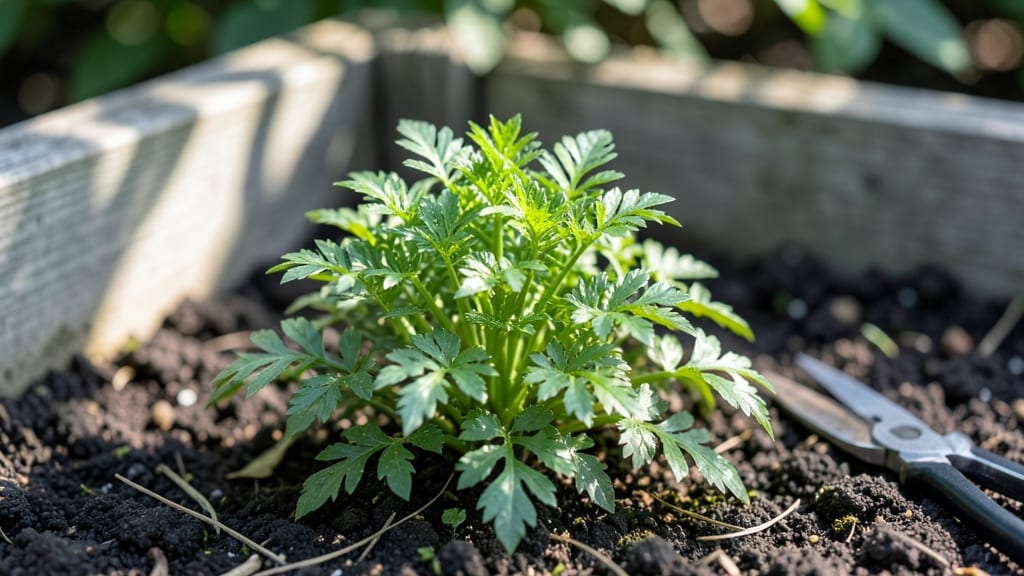
Growing wildflower seedlings in the Pacific Northwest means inviting hummingbirds with every fragrant bloom. 🌸 I learned the hard way that these delicate plants need patience—too much water or shade, and they bolt before showing their colors. The key is mimicking their natural habitat: loose, well-draining soil and bright sunlight.
Start with native seeds like penstemon or lupine, which thrive in our damp climate. A 5-gallon container with a mix of potting soil and perlite works perfectly for early starts.
Plant seeds just below the surface in February or March, then keep them moist but never soggy—think of a damp sponge, not a swamp.
By late spring, your seedlings will be ready for transplanting. Space them 12-18 inches apart in sunny spots, and watch as they transform bare patches into fragrant meadows. Hummingbirds will follow the scent, and you’ll have a garden that feels alive with every visit.
This method works for rain gardens, slopes, or container edges—just adjust watering for your specific site. The first year is about establishing roots; by summer, you’ll have a haven that rivals any wildflower meadow.
📚 In This Guide
- What you need
- Instructions
- Tips and common mistakes
- Wrapping up and next steps
What you need
- ● Wildflower seed mix: Choose a Pacific Northwest-native blend (e.g., 50% Penstemon, 20% Lupine, 15% Yarrow, 10% Phlox, 5% Blanket Flower). Quantity: 1–2 lbs (enough for ~100 sq ft).
- ● Seedling trays or small pots: 72-cell trays or 4-inch pots (biodegradable preferred). Quantity: 1 tray or 50+ pots.
- ● Potting soil: Lightweight, well-draining mix (e.g., 50% peat moss, 30% perlite, 20% compost). Quantity: 1–2 cubic feet.
- ● Watering can or spray bottle: Fine mist nozzle for gentle hydration.
- ● Grow lights or sunny windowsill: 12–16 hours of light daily (LED grow lights work great).
- ● Hand trowel or spoon: For planting tiny seeds.
- ○ Plastic wrap or humidity dome: To retain moisture (optional but helpful).
- ● Fertilizer: Balanced, water-soluble (5-5-5 ratio) or organic fish emulsion. Quantity: Small bottle.
- ● Transplanting tools: Small shovel or knife for moving seedlings outdoors.
- ○ Mulch (optional): Straw or wood chips to retain soil moisture after transplanting.
Step-by-Step guide to cultivating wildflower seedlings for hummingbird gardens
Transform your Pacific Northwest garden into a fragrant, hummingbird-friendly oasis with these proven techniques.
🌱 Step 1: Select and Prepare Native Wildflower Seeds
Choose Pacific Northwest native wildflower seeds like penstemon, lupine, or columbine—these thrive in local climates and attract hummingbirds naturally. I always source seeds from reputable native plant nurseries to ensure genetic purity and disease resistance. Store seeds in a cool, dry place until ready to sow, as many native wildflowers have hard seed coats that require stratification for germination.
For seeds needing cold treatment (like many PNW natives), place them in a sealed bag with slightly damp sand and refrigerate for 4-8 weeks. This mimics winter conditions and breaks dormancy. Check moisture levels weekly—seeds should feel damp but not soggy. Once stratification is complete, you'll see the seed coats soften slightly, signaling readiness for planting.
💧 Step 2: Create Optimal Germination Conditions
Fill 4-inch deep trays with a sterile seed-starting mix—never garden soil, as it compacts and suffocates delicate wildflower seedlings. Moisten the mix until it holds together when gently squeezed but doesn't drip. Scatter seeds evenly, following packet spacing guidelines (typically ¼ inch apart). Cover lightly with a thin layer of fine sand—this prevents seeds from drying out while allowing light to penetrate.
Place trays in a humidity dome or under plastic wrap to retain moisture. Wildflower seeds germinate best at 65-75°F, so a seedling heat mat helps in cooler PNW homes. Expect germination in 14-30 days, depending on the species. Keep the soil consistently moist but never waterlogged—overwatering causes damping-off, a fatal fungal disease that collapses seedlings overnight.
☀️ Step 3: Transition to Outdoor Conditions
Once seedlings develop 2-3 true leaves, harden them off by moving trays to a shaded outdoor spot for 1-2 hours daily, gradually increasing exposure over 7-10 days. This acclimates them to wind, sun, and temperature fluctuations. Choose a partially shaded location for the first few days—direct PNW sun can scorch tender seedlings. You'll notice leaves darkening slightly as they toughen up, a sure sign they're ready for full sun.
Transplant seedlings into the garden after the last frost date, spacing them 6-12 inches apart depending on the species. Dig holes slightly deeper than the root ball and water deeply to settle soil. Mulch lightly with 1-2 inches of straw to retain moisture and suppress weeds. The first week after transplanting is critical—watch for wilting, which signals either underwatering or shock from the move.
🌿 Step 4: Maintain for Blooms and Hummingbird Visits
Wildflowers thrive with minimal intervention once established. Water deeply 1-2 times weekly during dry spells, focusing on the root zone to encourage deep growth. Avoid overhead watering, which can spread fungal diseases. Fertilize lightly in spring with a balanced organic fertilizer (10-10-10) at half strength—wildflowers prefer lean soil and over-fertilizing produces lush foliage at the expense of blooms.
Deadhead spent flowers by pinching off faded blooms with clean scissors. This redirects energy to new growth and prolongs the flowering season, which hummingbirds rely on for nectar. In late fall, cut back dead foliage but leave seed heads for winter interest and food for birds. By next spring, you'll see new growth emerging from the base—a sign your hummingbird haven is thriving.
Tips & tricks for perfect wildflower seedlings
Creating a thriving hummingbird garden starts with these essential tips to ensure your wildflower seedlings grow strong and vibrant.
Stratification Success: The 4-8 week cold treatment in Step 1 is non-negotiable for many PNW native seeds. I've learned the hard way that skipping this step results in poor germination rates. Place your sealed bag of seeds on a shelf in your fridge where the temperature stays consistently around 35-40°F. This mimics natural winter conditions and breaks the seed's dormancy, allowing them to germinate properly once planted.
Germination Temperature Control: Maintaining that 65-75°F range during germination in Step 2 makes all the difference. If your home tends to be cooler, invest in a small seedling heat mat—it's a game-changer for PNW gardeners. I place mine under my germination trays and monitor temperatures with a simple thermometer. The goal is to keep seeds warm enough to germinate without overheating, which can cause them to dry out.
Hardening Off Strategy: When you begin the 1-2 hour daily outdoor exposure in Step 3, start with the shadiest spot in your garden. I've seen many seedlings get sunburned when moved to full sun too quickly. Gradually increase their sun exposure over the 7-10 day period, watching for that telltale leaf darkening that indicates they're ready for full sun conditions. This gradual transition helps them develop stronger cell walls and better withstand our Pacific Northwest weather fluctuations.
Transplanting Timing: Never rush the transplanting process after the last frost date. I always wait until nighttime temperatures consistently stay above 50°F before moving seedlings outdoors permanently. This gives them the best chance to establish strong root systems without the shock of cold nights. When transplanting, I water the seedlings thoroughly in their trays first—this helps prevent transplant shock and ensures they don't wilt during their first critical week in the garden.
Pro Tips for Wild Flower Seedling
- Creating a thriving hummingbird garden starts with these essential tips to ensure your wildflower seedlings grow strong and vibrant.
- Stratification Success: The 4-8 week cold treatment in Step 1 is non-negotiable for many PNW native seeds.
- Germination Temperature Control: Maintaining that 65-75°F range during germination in Step 2 makes all the difference.
Frequently asked questions
Got questions about growing wildflower seedlings in the Pacific Northwest? You’re not alone! Here are some common queries—and their answers—to help you cultivate a fragrant, hummingbird-friendly garden with ease.
When is the best time to plant wildflower seedlings in the PNW?
The ideal window is late spring to early summer (May–June), after the last frost but before scorching summer heat. For fall-blooming varieties, plant in early autumn (September) to establish roots before winter. Avoid planting in deep winter—seedlings struggle with cold soil and frost.
How often should I water wildflower seedlings?
Keep soil consistently moist but not soggy for the first 2–3 weeks. Water lightly daily if rain is scarce, then taper to 2–3 times per week once seedlings sprout. Once established (4–6 weeks), reduce to weekly deep watering—wildflowers thrive with drought tolerance!
Will wildflower seedlings attract hummingbirds if I plant them now?
Yes! Choose native PNW varieties like penstemon, lupine, or columbine—they’re hummingbird magnets. However, seedlings take 6–8 weeks to bloom. For instant action, mix in established wildflower plugs or plant annuals like salvia for quicker nectar.
Can I grow wildflower seedlings from store-bought seeds instead?
Start seeds indoors 6–8 weeks before last frost (February–March) in trays with well-draining soil. Keep them warm (70–75°F) and under grow lights until they’re 2–3 inches tall, then transplant outdoors. Seedlings from seeds may take longer to bloom than nursery starts but offer more variety.
Why aren’t my wildflower seedlings sprouting?
Check these fixes:
- Light: Seedlings need 6+ hours of sunlight daily—move them if shaded.
- Moisture: Soil should stay evenly damp (not dry or waterlogged).
- Depth: Seeds need proper burial depth (usually 1/4 inch max).
- Temperature: Cold soil (<50°F) slows germination—use a seedling heat mat if needed.
Wrapping up and next steps
Transforming your Pacific Northwest garden into a hummingbird haven with fragrant wildflower seedlings is easier—and more rewarding—than you think! 🌸 By choosing the right species like Penstemon, Ceanothus, or Lupinus, you’re not just adding beauty; you’re creating a thriving ecosystem that supports pollinators and fills the air with intoxicating scents.
The key is patience, preparation, and a little love—your garden will soon buzz with life and color.
Ready to take the next step? Start small—plant a few seedlings this season, observe what thrives in your space, and expand your garden over time. Every bloom is a victory! Grab your gloves, call your local nursery for native varieties, and let nature do the rest. Happy gardening! 🌿✨