Flowers
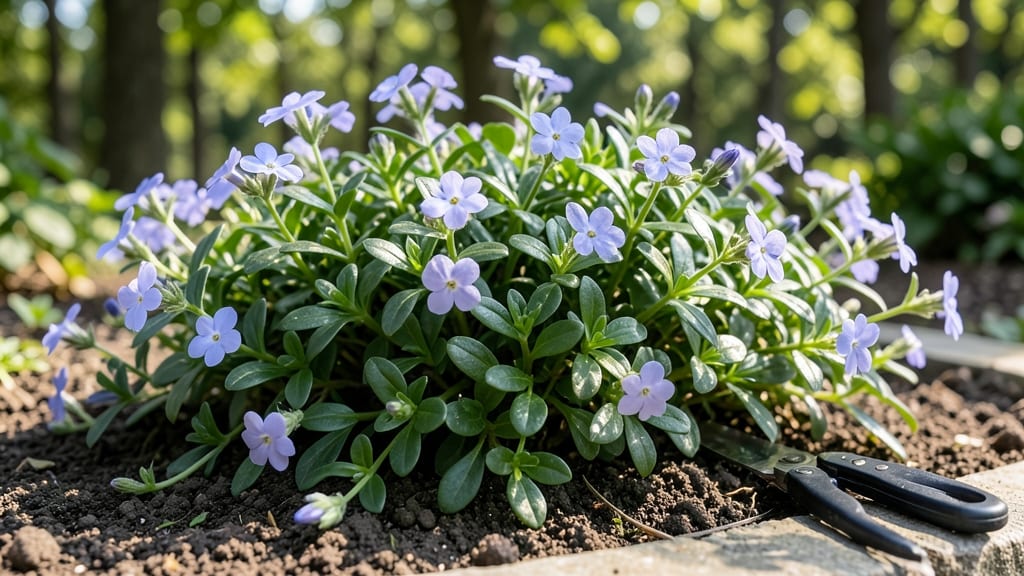
The wild periwinkle flower thrives where others freeze—its deep green leaves and delicate purple blooms defy Pacific Northwest winters like a stubborn survivor. 🌿 I’ve watched mine push through frost every February, proving that beauty doesn’t need coddling.
The secret lies in its native resilience: this plant evolved in rocky, coastal gardens where wind and rain rule, not in manicured beds.
You’ll love how it spreads effortlessly—whether from seed or cuttings—without demanding constant attention. It thrives in partial shade, tolerates poor soil, and even crowds out weeds.
The key is mimicking its wild habitat: well-draining soil and minimal fuss. Once established, it blooms reliably for years, attracting bees while repelling slugs—nature’s multitasker.
Imagine a garden where purple blooms peek through ferns in spring, then linger into summer. That’s wild periwinkle’s magic: it blends into meadows or steals the show in containers. The wild varieties, with their lighter lavender hues, stand out against cultivated types, adding texture and movement to any space.
Perfect for low-maintenance gardeners who want color without the upkeep. Start with cuttings in early spring or scatter seeds in fall—either way, you’ll have a self-sustaining groundcover that outlasts trends. Let’s get yours growing!
📚 In This Guide
- What you need
- Instructions
- Tips and common mistakes
- Wrapping up and next steps
What you need
- ● Wild Periwinkle Plants: 6–12 mature plants (for a 10’ x 10’ area) or 1,000–2,000 seeds (if starting from scratch).
- ● Look for Vinca minor labeled as "wild" or "native" for best cold-hardiness.
- ○ Soil Amendments (Optional but Helpful): 1–2 bags (50 lb each) of compost or well-rotted manure to improve drainage.
- ● 1 lb of bone meal (for phosphorus-rich soil, encouraging root growth).
- ● Mulch: 2–3 cubic feet of pine bark mulch or shredded leaves (to retain moisture and suppress weeds).
- ● A garden trowel or small spade (for transplanting seedlings).
- ● A hand fork or digging tool (to loosen soil).
- ● Garden gloves (to protect hands from prickly stems).
- ● A watering can or hose with a gentle spray nozzle (periwinkle prefers consistent moisture).
- ● Measuring tape (to space plants 12–18" apart for optimal growth).
- ● A part-shade to full-shade location (periwinkle thrives under trees or on north-facing slopes).
- ● Well-draining, slightly acidic soil (pH 6.0–7.0)—amend clay soil with sand if needed.
- ● Patience! Wild periwinkle spreads slowly but forms a lush, evergreen carpet over time.
Step-by-Step guide to planting wild periwinkle in your Pacific Northwest garden
This cold-hardy beauty thrives in the PNW’s mild winters and damp summers—here’s how to get it growing strong.
🌱 Step 1: Select the Perfect Planting Site
Wild periwinkle (Vinca minor) loves dappled shade to partial sun, making it ideal for understory planting beneath trees or along north-facing foundations. In the Pacific Northwest’s cooler microclimates, it performs best with 4-6 hours of morning sunlight and afternoon shade—this prevents leaf scorch while encouraging lush, dense growth.
Test your spot by observing how long it stays moist after rain. Periwinkle tolerates moderately moist to dry soil, but soggy conditions invite root rot. If your soil drains poorly, amend with 2-3 inches of compost mixed into the top 6 inches of soil to improve aeration. I like to plant mine where fallen leaves naturally accumulate—this mimics its woodland habitat.
🪴 Step 2: Prepare the Soil and Plant Bare-Root Specimens
Wild periwinkle thrives in well-draining, slightly acidic soil (pH 6.0-7.0). If your garden soil is heavy clay, dig a hole twice as wide as the root ball and fill it halfway with a mix of equal parts native soil and compost. This ensures roots establish quickly without suffocating.
Place each plant so the top of the root crown sits just below soil level—burying it too deep causes stem rot, while leaving it exposed risks drying. Space plants 12-18 inches apart for a dense, ground-covering effect. Water deeply immediately after planting to eliminate air pockets and encourage root contact with the soil.
☀️ Step 3: Establish Mulch and Watering Routine
Spread 2-3 inches of organic mulch (like shredded bark or wood chips) around each plant, keeping it 2 inches away from stems to prevent moisture buildup. Mulch conserves soil moisture and suppresses weeds—critical in the PNW’s damp-but-cool summers. Replenish mulch annually in early spring to maintain its insulating properties.
Water deeply once a week during the first growing season, ensuring moisture reaches 4-6 inches down. You’ll know it’s right when the top 1-2 inches of soil feel dry to touch but deeper layers stay moist. Once established, periwinkle becomes drought-tolerant, but flowering peaks when soil stays consistently hydrated. Avoid overhead watering to prevent fungal diseases like powdery mildew.
✂️ Step 4: Prune and Maintain for Year-Round Interest
In early spring, trim back any woody or leggy stems to encourage bushier growth. Cut just above a set of leaves or a bud to promote branching. I also shear the edges lightly in late summer to maintain a neat appearance—this stimulates fresh foliage and prepares the plant for winter.
Deadhead spent flowers in late spring to redirect energy into foliage growth rather than seed production. Periwinkle’s evergreen leaves provide winter interest, but a light pruning in late winter (just before new growth starts) keeps the plant tidy and prevents overcrowding. Fertilize lightly in early spring with a balanced 10-10-10 formula if growth slows.
🌿 Step 5: Propagate and Expand Your Garden
Divide mature periwinkle clumps every 3-4 years in early spring or fall to rejuvenate growth. Dig up a section with a sharp spade, ensuring each piece has 3-4 stems. Replant divisions immediately in prepared soil and water thoroughly. This prevents overcrowding and keeps your garden looking vigorous.
You can also propagate from softwood cuttings in summer. Take 4-inch tips, strip the lower leaves, and dip in rooting hormone before planting in moist perlite. Keep cuttings under bright, indirect light and mist daily until roots form in 4-6 weeks. This method lets you fill gaps or share plants with fellow gardeners.
Tips & tricks for perfect wild periwinkle planting in Pacific Northwest gardens
These practical insights will help you establish thriving wild periwinkle that thrives in the PNW's unique climate.
Site Selection Strategy: Observe your garden's microclimates before choosing a spot. The 4-6 hours of morning sunlight mentioned in Step 1 works best on east-facing slopes or beneath deciduous trees that provide afternoon shade. I've found that north-facing foundations often create ideal conditions—test potential spots by checking how quickly they dry after rain.
Soil Preparation Secret: For heavy clay soils, mix in equal parts native soil and compost as instructed, but add 1/4 cup of perlite per hole to improve drainage further. This prevents the root rot risk while maintaining that slightly acidic pH 6.0-7.0. I also recommend adding a handful of worm castings to the planting hole—they introduce beneficial microbes that help roots establish faster.
Watering Wisdom: The deep watering routine in Step 3 is crucial, but timing matters too. Water in the early morning to allow foliage to dry before evening—a simple habit that dramatically reduces fungal diseases like powdery mildew. I use a moisture meter to check that 4-6 inches down stays consistently moist during the first growing season, adjusting my weekly watering schedule as needed.
Pruning Pro Tip: When deadheading in late spring, don't just remove the flowers—snip the stem just above a set of leaves or bud. This encourages bushier growth and prevents leggy stems. For the light pruning in late winter, I use sharp, clean shears and make cuts at a 45-degree angle to prevent water from pooling on the stems, which can lead to rot.
Pro Tips for Wild Periwinkle Flower
- These practical insights will help you establish thriving wild periwinkle that thrives in the PNW's unique climate.
- Site Selection Strategy: Observe your garden's microclimates before choosing a spot.
- Soil Preparation Secret: For heavy clay soils, mix in equal parts native soil and compost as instructed, but add 1/4 cup of perlite per hole to improve drainage further.
Frequently asked questions
Got questions about growing wild periwinkle flowers in your Pacific Northwest garden? You’re not alone! Here are answers to the most common queries—from planting tips to troubleshooting—so you can cultivate these charming, cold-hardy beauties with confidence.
What’s the best time to plant wild periwinkle in the PNW?
Plant Vinca minor in early spring or fall for ideal root establishment. Spring planting gives roots time to settle before summer heat, while fall allows them to grow slowly in cooler temps. Avoid planting in mid-summer, as the heat can stress young plants.
How do I keep wild periwinkle from spreading too aggressively?
Wild periwinkle is a low-maintenance ground cover, but its creeping habit can be managed. Edge plantings with barriers (like buried landscape fabric) or prune back runners in early spring. For contained growth, plant in containers or raised beds—just ensure they’re at least 12 inches wide.
Can wild periwinkle grow in full shade?
This shade-loving perennial thrives in full to partial shade (2–6 hours of sunlight daily). In the PNW’s damp, shady forests, it naturally flourishes under tree canopies or along north-facing walls. Just avoid waterlogged soil, as it prefers well-draining, moist conditions.
Why aren’t my periwinkle flowers blooming?
Blooming can be finicky! Lack of sunlight (needs at least 4 hours of light), over-fertilizing (too much nitrogen = leafy growth, no flowers), or old plants (rejuvenate by dividing clumps every 3–4 years) are common culprits. Try deadheading spent blooms to encourage more flowers.
Are there deer-resistant alternatives to wild periwinkle?
While periwinkle is deer-resistant, if you’re dealing with hungry critters, try these PNW-friendly swaps:
- Creeping thyme – Drought-tolerant, fragrant, and deer-proof.
- Heuchera (coral bells) – Stunning foliage; deer usually avoid it.
- Lungwort (Pulmonaria) – Shade-loving with spotted leaves.
- Sedum (stonecrop) – Succulent, low-growing, and deer-resistant.
Pro Tip: Mulch lightly (1–2 inches of shredded bark) to retain moisture and suppress weeds without smothering periwinkle’s delicate roots.
Wrapping up and next steps
The wild periwinkle flower is a stunning, low-maintenance addition to Pacific Northwest gardens, thriving in cold climates while offering vibrant color and resilience. Whether you're drawn to its delicate blooms or its adaptability, this cold-hardy perennial brings effortless beauty to your outdoor space. 🌸
Ready to bring some charm to your garden? Start by gathering your materials and following the simple steps to plant and care for your wild periwinkle. With a little patience, you’ll soon enjoy a garden bursting with life and color—and you’ll be the envy of the neighborhood!