
Blooming
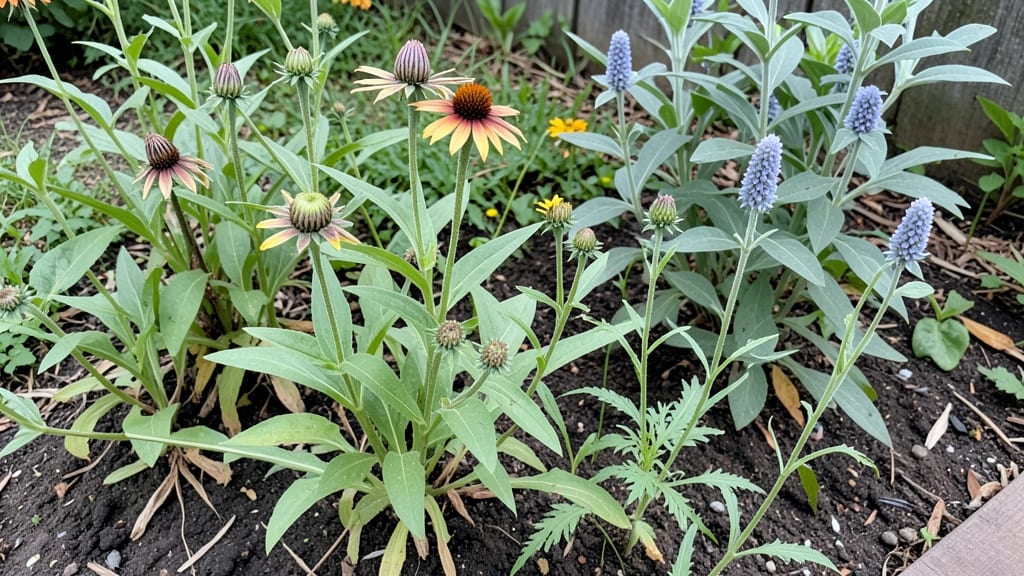
Wildflowers before they bloom steal the show with their own quiet kind of magic—velvety foliage, striking textures, and colors that shift like a painter’s palette. 🌿 I’ve learned that the best gardens don’t just wait for blooms; they celebrate the foliage that makes them shine long before summer arrives.
The secret lies in choosing varieties known for their early-season drama, like purple coneflower’s fuzzy silver leaves or black-eyed Susan’s bold, toothed edges that catch the light.
This isn’t about waiting for flowers—it’s about designing with foliage first. Pair wildflowers with low-growing perennials like lamb’s ear or creeping thyme to create a tapestry of shapes and hues. The result?
A garden that stays visually rich from spring through early summer, even when some plants are still waking up. Plus, pollinators like bees and butterflies adore the early nectar sources hidden in those lush leaves.
You’ll end up with a garden that feels alive from the moment the first shoots appear—deep greens, silvers, and purples creating a mosaic long before the blooms arrive. The best part?
This approach cuts down on summer maintenance because the foliage keeps things looking intentional even when some plants take their time. Let’s turn those early-season leaves into your garden’s star feature.
Works for borders, meadows, or even container gardens—just focus on contrast and layering. Start with a few bold foliage plants this year, and watch how they transform your space before the first bloom even appears. The pollinators will thank you too.
📚 In This Guide
- What you need
- Instructions
- Tips and common mistakes
- Wrapping up and next steps
What you need
- ● Wildflower seeds: Choose early-blooming varieties like lupine, phlox, or crocus (1–2 lbs per 100 sq. ft.). Opt for native species to support local pollinators.
- ● Well-draining soil: Test your soil’s pH (ideal: 6.0–7.0 for most wildflowers). Amend with compost if needed (1–2 inches mixed into the top 6 inches).
- ● Watering can or hose: With a fine-mist nozzle for gentle hydration (avoid overwatering—wildflowers hate soggy roots!).
- ● Garden fork or tiller: Loosen soil to a depth of 6–8 inches (breaks up compaction for seedling roots).
- ● Rake: Smooth the soil surface after planting (avoid clumping—seeds need light to germinate!).
- ● Gloves & knee pads: Protect your hands and joints (trust us, your back will thank you!).
- ○ Optional: Seedling trays (if starting indoors, 2–3 months before last frost).
- ● Mulch (straw or shredded leaves, 1–2 inches thick) to retain moisture.
- ● Pollinator-friendly markers (e.g., bamboo stakes) to label your early bloomers.
- ● Timing: Plant seeds 4–6 weeks before your last frost date (check local averages!). Early bloomers need a head start.
- ● Sunlight: Ensure your site gets at least 6 hours of direct sun daily (most wildflowers are sun-worshippers!).
- ● Pollinator awareness: Avoid pesticides—even "natural" ones can harm bees and butterflies before they bloom! 🚫🐝
How to create early-season wildflower pollinator havens
Pollinators need food as soon as spring unfolds—here's how to get colorful blooms going early.
🌱 Step 1: Select Fast-Germinating Wildflower Seeds
Choose native wildflower varieties with 14-21 day germination times like sweet alyssum, bachelor's buttons, or early poppies. These species start blooming within 6-8 weeks of planting, giving bees and butterflies their first spring buffet. I always pick seeds labeled "early blooming" or "spring ephemeral" to ensure timely color.
Look for seed packets that specify "cold-hardy" varieties—they'll survive light frosts and start growing as soon as soil reaches 40°F. Avoid seeds requiring warm soil, which won't germinate until late spring. The earlier you plant, the sooner pollinators will find your garden irresistible.
💧 Step 2: Prepare Soil and Plant at the Right Time
Wildflowers thrive in well-draining soil with 1-2 inches of organic matter worked into the top layer. Till or loosen the top 6 inches of soil to break up compaction, then level the surface with a rake. This prevents water pooling that can rot seeds before they sprout.
Plant seeds as soon as soil is workable in early spring—typically 4-6 weeks before your last frost date. Scatter seeds thinly (about 1/8 inch apart) and cover with just 1/4 inch of soil. Press lightly to ensure good seed-to-soil contact, then water gently with a fine mist until the surface is damp but not soggy.
☀️ Step 3: Provide Consistent Moisture and Light
Keep the planting area consistently moist until seeds germinate—water when the top 1 inch of soil feels dry. Use a soaker hose or drip irrigation to avoid disturbing seedlings with overhead watering. Once sprouts appear, reduce watering slightly but maintain even moisture until plants reach 2-3 inches tall.
Position your wildflower patch in full sun to partial shade (6+ hours of sunlight daily). Early bloomers often appreciate morning sun and afternoon shade, especially in hot climates. You'll notice seedlings growing fastest in the sunniest spots—this is where you'll get the earliest blooms.
✂️ Step 4: Thin and Fertilize for Strong Growth
When seedlings reach 1-2 inches tall with 2-3 true leaves, thin them to stand 6-12 inches apart, depending on the species. This prevents overcrowding and gives each plant room to develop strong roots. I use scissors to cut unwanted seedlings at soil level rather than pulling, which disturbs remaining plants.
Apply a light balanced fertilizer (10-10-10) at half-strength when plants are 3-4 inches tall. Wildflowers generally don't need heavy feeding, but this early boost encourages vigorous growth. Water thoroughly after fertilizing to prevent root burn, and watch for new leaf growth within 7-10 days.
🐝 Step 5: Monitor for Early Blooms and Pollinator Activity
Check your wildflowers daily starting 6-8 weeks after planting for the first signs of color. Early bloomers often start with just a single flower opening per stem. When you see the first buds, you'll notice bees and butterflies investigating—this is your reward for timing everything right.
Remove any dead or diseased foliage immediately to prevent spread, but otherwise let nature take its course. The more you observe, the better you'll understand which species attract which pollinators. Keep a small notebook nearby to record which flowers bloom earliest in your area—this becomes your secret recipe for next year's early-season color.
Tips & tricks for perfect early-season wildflower planting
Here's what nobody tells you about getting those first wildflowers blooming just in time for hungry pollinators.
Seed Selection Secret: Look for seed packets labeled "early blooming" or "spring ephemeral"—these are specifically bred to push out flowers in those critical first weeks. I've found that sweet alyssum and bachelor's buttons often bloom within 6-8 weeks, while poppies can sometimes surprise you with color even sooner. The key is checking the "days to bloom" on the packet, not just germination time.
Soil Temperature Matters: That 40°F soil temperature isn't just a suggestion—it's when seeds finally wake up from dormancy. Use a soil thermometer to check before planting. In colder regions, you might need to plant slightly later or use black plastic mulch to warm the soil faster. I've seen seeds planted too early just sit there until conditions improve.
Thinning Technique: When you're thinning those 1-2 inch seedlings, use scissors instead of pulling. This prevents disturbing the roots of your keepers while removing the competition. I mark the plants I want to keep with small sticks before cutting the others—it makes the process faster and less messy. This step is crucial for preventing overcrowding that can lead to weak, leggy plants.
Fertilizer Timing: The 3-4 inch height mark is perfect for that half-strength fertilizer application because it gives roots time to establish before getting a nutrient boost. I've found that wildflowers actually respond better to less fertilizer than most garden plants—too much can make them grow all leaves with no flowers. A light application is all they need to really shine.
Pro Tips for Wildflowers Before They Bloom
- Here's what nobody tells you about getting those first wildflowers blooming just in time for hungry pollinators.
- Seed Selection Secret: Look for seed packets labeled "early blooming" or "spring ephemeral"—these are specifically bred to push out flowers in those critical first weeks.
- Soil Temperature Matters: That 40°F soil temperature isn't just a suggestion—it's when seeds finally wake up from dormancy.
Frequently asked questions
Got questions about capturing wildflowers before they bloom? You’re not alone! Here are some of the most common queries—plus straightforward answers—to help you get started with confidence.
Why should I plant wildflowers before they bloom?
Planting wildflowers early ensures they establish strong roots before the heat of summer. This gives them a head start, leading to vibrant blooms and a longer flowering season. Plus, early-season flowers provide critical nectar for pollinators like bees and butterflies when food is scarce!
When is the best time to sow wildflower seeds?
The ideal window is late summer to early fall (August–September) or early spring (March–April). Fall-sown seeds germinate in cooler weather, while spring planting works in milder climates. Avoid sowing in extreme heat or frost.
Can I still enjoy wildflowers if I miss the planting window?
If you miss the ideal timing, try potted wildflowers or plugs (young plants) in early spring. Some species, like coreopsis or black-eyed Susans, are resilient and may still thrive if planted in late spring with extra care (like consistent watering).
How do I attract pollinators with early wildflowers?
Choose native species like bee balm, lupine, or purple coneflower, which are pollinator magnets. Plant in sunny spots with well-draining soil, and avoid pesticides. Cluster flowers in groups (even small patches work!) to make them easier for bees and butterflies to find.
What if my wildflowers don’t bloom the first year?
Don’t worry—many perennials take 1–2 years to establish and flower. Focus on watering deeply but infrequently (1–2 inches per week) and weeding out competitors. Some annuals, like cosmos, may bloom the first year if sown early enough!
Wrapping up and next steps
Capturing wildflowers before they bloom is a rewarding way to support pollinators and add early-season beauty to your garden! 🌸 These delicate blooms offer vital nutrition and habitat, proving that small actions—like planting early varieties or creating pollinator-friendly spaces—can make a big difference.
Ready to take the next step? Start by sketching a simple garden plan or exploring local native species to see what thrives in your area. Every seed sown today is a future feast for bees and butterflies!