Flowers
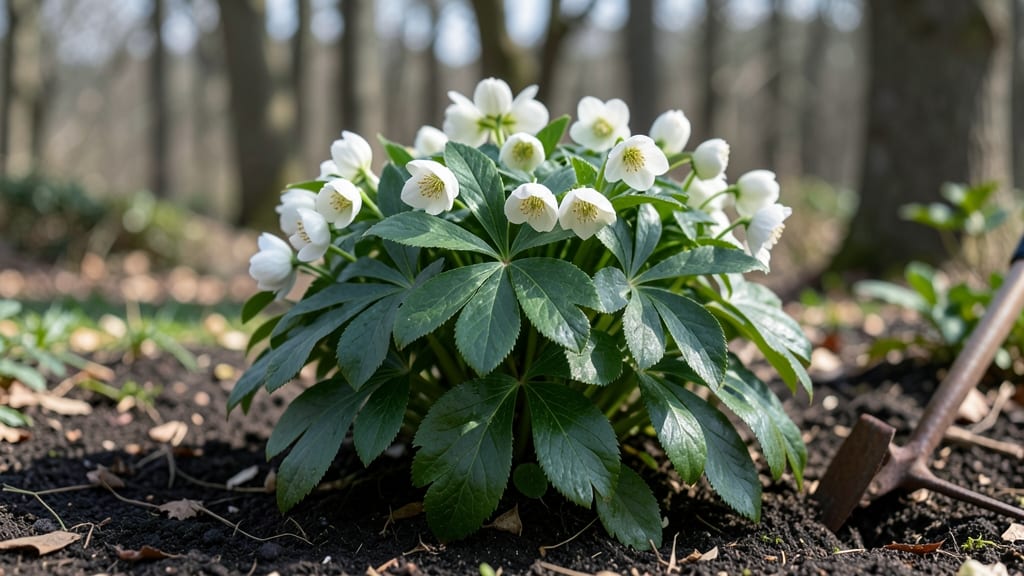
Winter shade flowers bring color when most gardens sleep under frost. ✨ I’ve discovered varieties that defy winter’s chill, blooming even when snow dusts the leaves—like hellebores with their nodding, papery blooms or winter aconites that punch through snow like tiny yellow stars.
These plants thrive where sunlight barely reaches, in spots where spring bulbs give up by March. Most need little to no deadheading and bounce back after hard freezes, making them the ultimate low-maintenance stars.
Hellebores, for example, reward patience with months of blooms, while winter jasmine drapes fences in fragrant yellow cascades.
Your garden will stay lively through bleak months with jewel-toned foliage and delicate blossoms that catch the weak winter light. These varieties also attract pollinators early, giving bees their first nectar source of the year.
The secret? Choosing the right mix for your zone—some handle Zone 3’s deep freezes while others prefer milder coastal climates.
Perfect for woodland edges, north-facing borders, or under mature trees where nothing else grows. Let’s pick the perfect frost fighters for your shade garden—each one a quiet hero in winter’s palette.
📚 In This Guide
- What you need
- Instructions
- Tips and common mistakes
- Wrapping up and next steps
What you need
- ● Frost-resistant flower varieties: 3–5 plants per type (e.g., Hellebores, Cyclamen, Winter Aconite, Snowdrops)
- ● Well-draining potting mix: 10–15 gallons (look for peat-based or organic blends with perlite)
- ● Containers or garden beds: Containers: 12–16" pots (1–2 per plant) with drainage holes
- ● Garden beds: Partially shaded spots (4–6 hours of indirect light daily)
- ● Mulch: 2–3 inches of straw, shredded bark, or pine needles (to insulate roots)
- ● Garden trowel or transplant spade (for planting)
- ● Gloves & knee pads (for comfort)
- ● Watering can or hose with gentle spray (avoid soaking soil)
- ○ Slow-release fertilizer (optional, for nutrient boost)
- ● Garden twine or stakes (to support taller varieties like Winter Jasmine)
How to select and plant frost-resistant shade flowers for winter color
Bring vibrant blooms to your darkest corners—even in winter—with these cold-hardy shade stars!
🌱 Step 1: Choose the Right Frost-Resistant Varieties
Start with shade-tolerant perennials that thrive in 20-50°F temperatures. Hellebores (Lenten roses) are my top pick—they bloom from late winter through spring and handle light frosts beautifully. Other winners include cyclamen, lungwort, and Japanese painted ferns, which add texture without needing sun. Check your hardiness zone (most of these handle zones 4-9).
Look for plants labeled "evergreen" or "semi-evergreen" to ensure year-round interest. I always buy from reputable nurseries that specify cold tolerance—avoid generic "shade plants" without frost ratings. If your winters dip below 10°F, opt for hellebores or hardy cyclamen varieties like Cyclamen coum, which pops up early and survives deep freezes.
🪴 Step 2: Prepare the Planting Site for Winter Conditions
Test your soil’s moisture retention—shade flowers need consistently damp (but not soggy) conditions. Amend heavy clay with 2-3 inches of compost or peat moss to improve drainage while retaining moisture. I dig in a handful of slow-release fertilizer (like 10-10-10) at planting time to give roots a nutrient boost before dormancy. For containers, use a well-draining potting mix with added perlite to prevent root rot in winter’s cooler, wetter soils.
Choose a location with dappled light or partial shade (3-6 hours of filtered sun daily). Too much shade stunts blooms, while too much sun scorches leaves. Mulch heavily with 3-4 inches of shredded bark or pine needles to insulate roots from temperature swings. This mulch layer also suppresses weeds, which compete for moisture in winter’s damp conditions.
☀️ Step 3: Plant at the Right Time for Winter Establishment
Plant in early fall (6-8 weeks before first frost) to give roots time to establish before winter. Dig holes twice as wide as the root ball but only as deep—planting too deep suffocates roots. Gently tease apart roots if they’re circling, then backfill with native soil mixed with compost. Water deeply to settle soil and eliminate air pockets, then add a 1-inch layer of mulch around the base (keep mulch 2 inches away from stems to prevent rot).
For containers, use pots with drainage holes and place them on elevated trays to prevent waterlogging. Group containers close together to create a microclimate that retains warmth. I always plant in black or dark-colored pots—they absorb heat during the day and radiate it slowly at night, giving plants a slight temperature buffer.
💧 Step 4: Adjust Watering for Winter’s Unique Challenges
Water deeply once every 10-14 days in winter—soil stays cooler and takes longer to dry. Check moisture by pushing a finger 1 inch into the soil; if it’s dry, water until it’s evenly moist but not saturated. Overwatering in winter leads to root rot, while underwatering causes leaves to crisp in cold air. I use a soaker hose set on low to avoid disturbing mulch or dislodging plants.
Protect new plantings from freezing rain or ice by covering them with frost cloth or burlap during extreme cold snaps (below 15°F). Remove covers during the day to allow light and air circulation. If snow accumulates, gently brush it off leaves to prevent breakage—especially for delicate cyclamen or hellebores. Their blooms are worth preserving!
✂️ Step 5: Prune and Fertilize for Next Year’s Blooms
After the first frost, cut back dead or damaged foliage but leave dormant stems intact—they protect emerging buds. I prune hellebores in early spring (just as new growth appears) to encourage bushier plants. For cyclamen, remove spent blooms but leave leaves until they yellow naturally—they photosynthesize even in winter light.
Apply a light layer of balanced fertilizer (5-5-5) in early spring as new growth emerges. Avoid high-nitrogen fertilizers in winter—they promote leafy growth at the expense of blooms. I also top-dress with compost in late winter to replenish nutrients without shocking the plants. This timing ensures they’re ready to burst into color as temperatures rise.
Tips & tricks for perfect winter shade flowers
Bringing winter color to your garden doesn't have to be tricky—these insider tips will help you create a stunning, frost-resistant display that thrives all season long.
Variety Selection Insight: When choosing your shade flowers, pay special attention to the specific hardiness zone ratings on the plant tags. Hellebores are my go-to for zones 4-9 because they handle light frosts beautifully, while cyclamen varieties like Cyclamen coum are perfect for those colder zones that dip below 10°F. Look for plants labeled "evergreen" or "semi-evergreen" to ensure you'll have year-round interest—those leaves will keep your garden looking lush even when other plants have gone dormant.
Soil Preparation Secret: The 2-3 inches of compost or peat moss you add to amend your soil is doing more than just improving drainage—it's creating a moisture reservoir that's crucial for winter survival. I always mix in a handful of slow-release fertilizer (like 10-10-10) at planting time to give roots an immediate nutrient boost before they go dormant. For container plants, that extra perlite makes all the difference in preventing root rot during winter's cooler, wetter conditions.
Planting Timing Tip: That early fall planting window (6-8 weeks before first frost) is your golden opportunity to establish strong roots before winter sets in. The key is to plant when daytime temperatures are still warm enough to encourage root growth, but nights are cooling down—typically late September to early October in most zones. For containers, those black or dark-colored pots are a game-changer—they absorb heat during the day and radiate it slowly at night, giving your plants that extra warmth buffer they need.
Winter Care Strategy: The 10-14 day watering schedule in winter might seem infrequent, but it's perfect for maintaining that crucial moisture balance. Remember to check soil moisture by pushing your finger 1 inch deep—this is the zone where roots are actively drawing up water. And when those temperatures drop below 15°F, don't forget about frost cloth or burlap—it's your best defense against freezing rain or ice damage. Just remember to remove covers during the day to let light and air circulate.
Pro Tips for Winter Shade Flowers
- Bringing winter color to your garden doesn't have to be tricky—these insider tips will help you create a stunning, frost-resistant display that thrives all season long.
- Variety Selection Insight: When choosing your shade flowers, pay special attention to the specific hardiness zone ratings on the plant tags.
- Soil Preparation Secret: The 2-3 inches of compost or peat moss you add to amend your soil is doing more than just improving drainage—it's creating a moisture reservoir that's crucial for winter survival.
Frequently asked questions
about winter shade flowers—because even chilly gardens deserve a splash of color! Whether you're a newbie or a seasoned gardener, these answers will help you keep your shade garden thriving all winter long.Can winter shade flowers survive heavy frost or snow?
Many frost-resistant varieties like Hellebores (Lenten Rose) and Winter Aconite are built to handle freezing temps and even light snow. Their thick leaves and hardy roots protect them—just avoid heavy, wet snow that can break stems. Mulch lightly with straw or leaves for extra protection.
When is the best time to plant winter shade flowers?
Fall planting (4–6 weeks before your first frost) is ideal—it gives roots time to establish before winter. For spring, plant as soon as the ground is workable (early March in most zones). Avoid planting in extreme heat or cold. Pro tip: Water deeply after planting to help roots settle in!
What are some low-maintenance winter shade flowers for beginners?
Start with these easy-care stars:
- Hellebores – Thrives in deep shade, blooms early, and rarely needs deadheading.
- Cyclamen – Drought-tolerant once established; great for woodland gardens.
- Lungwort (Pulmonaria) – Hardy, spreads slowly, and offers spotted foliage.
- Winter Jasmine – Climbing vine with bright yellow blooms; loves partial shade.
Why aren’t my winter shade flowers blooming this year?
Several factors could be at play:
- Light levels: Even shade-loving plants need some light (6+ hours of dappled sun). Check your garden’s microclimate.
- Soil issues: Poor drainage or heavy clay? Amend with compost or organic matter.
- Age: Some plants (like Hellebores) take 2–3 years to bloom. Be patient!
- Fertilizer: Too much nitrogen = lush leaves, few flowers. Use a balanced 10-10-10 or bloom booster in early spring.
How do I protect winter shade flowers from rain or wind damage?
While most winter bloomers are tough, heavy rain or wind can stress delicate stems (like Winter Aconite or Snowdrops). Use these tricks:
- Stake tall varieties (e.g., Winter Honeysuckle) with bamboo stakes before storms.
- Create a windbreak with evergreens or a lattice screen.
- Avoid overhead watering—rain is enough! Let soil dry slightly between downpours to prevent rot.
Wrapping up and next steps
Winter shade flowers bring joy and color even when the world feels dormant—proving that beauty thrives in the cold! 🌸 From hardy hellebores to elegant ferns, these frost-resistant varieties prove that shade gardens can stay vibrant year-round.
Whether you're a seasoned gardener or just starting, now’s the perfect time to plant for a stunning, low-maintenance display.
Ready to transform your space? Start small: Pick 1-2 varieties from this guide, prep your soil, and watch your garden flourish with minimal effort. Happy gardening!