
Flowers
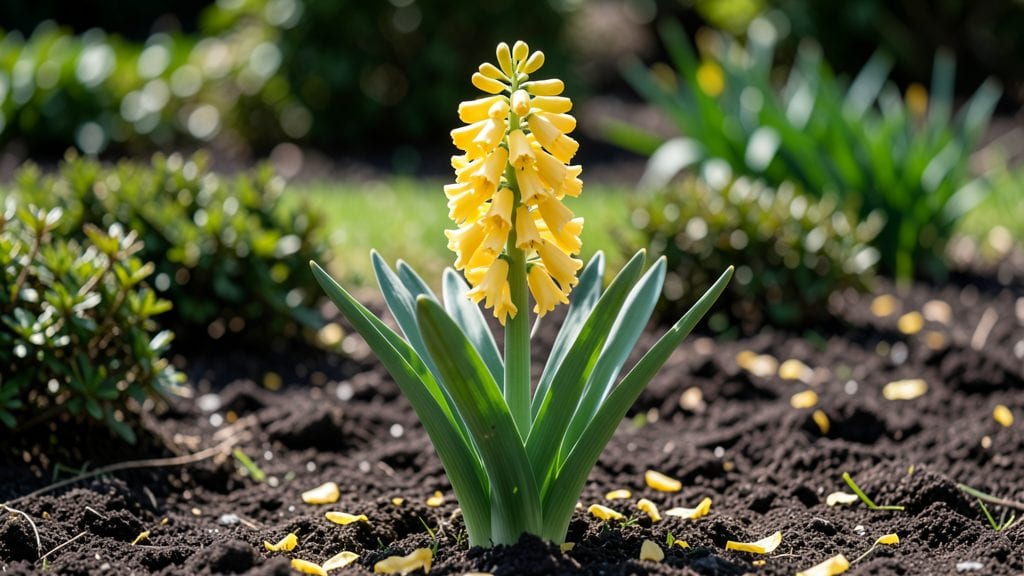
Growing yellow hyacinth flowers in your garden means waking up to a burst of sunshine and scent every spring. 🌸 I’ve learned that these fragrant blooms aren’t just pretty—they’re resilient, thriving in cooler climates where many flowers struggle.
The secret lies in timing, soil, and a little patience, but the payoff is worth it.
These flowers love well-draining soil and partial shade, making them perfect for under trees or along north-facing walls. Plant bulbs in fall, about 6 inches deep and 4-6 inches apart, and they’ll reward you with vibrant blooms by early spring. Water moderately—never soggy—and watch them multiply over the years.
When they bloom, your garden will smell like a spring meadow, with clusters of golden-yellow flowers that hummingbirds adore. The fragrance lingers for days, turning even a small corner into a fragrant oasis. Just avoid overcrowding, and you’ll enjoy these cheerful blooms for seasons to come.
Whether you’re adding them to borders, containers, or cutting gardens, yellow hyacinths bring effortless charm. They naturalize beautifully, so once established, they’ll keep coming back—year after year, with almost no effort. Let’s get those bulbs in the ground!
📚 In This Guide
- What you need
- Instructions
- Tips and common mistakes
- Wrapping up and next steps
What you need
- ● Yellow hyacinth bulbs: 5–10 bulbs (depending on desired coverage; choose certified disease-free bulbs for best results).
- ● Well-draining potting mix or garden soil: 2–3 bags (amend garden soil with compost for optimal fertility).
- ● Container or garden bed: For containers: 6–8" deep pots with drainage holes (1 bulb per 2–3" of pot diameter).
- ● For in-ground planting: A sunny spot with 6+ hours of light and loose, rocky soil.
- ● Slow-release fertilizer: 1–2 tbsp (5–10g) per bulb (look for a 10-10-10 or bulb-specific formula).
- ○ Mulch (optional but recommended): 1–2 inches of straw or shredded bark to retain moisture.
- ● Garden trowel or bulb planter: For planting bulbs without damage.
- ● Watering can or hose with gentle spray: Avoid overwatering—hyacinths hate soggy roots!
- ● Pruning shears: For trimming spent blooms (sterilize with rubbing alcohol).
- ○ Gloves (optional): Protect hands from soil and sharp bulb edges.
- ● Epsom salt: 1 tsp per gallon of water (monthly feed for vibrant blooms).
- ● Copper fungicide: Preemptive treatment if your area has fungal risks.
- ● Decorative stones or pebbles: For a polished container garden look.
- ● Grow lights (indoor option): 12–14 hours of light daily if forcing bulbs early.
Step-by-Step guide to growing yellow hyacinths
These fragrant beauties reward patience with clusters of cheerful yellow blooms—here’s how to coax them into your garden.
🌱 Step 1: Choose and Prepare Bulbs for Planting
Select firm, plump yellow hyacinth bulbs (about 2-3 inches in diameter) from a reputable supplier. Avoid any with soft spots or mold, as these won’t survive. I like to soak the bulbs in lukewarm water for 12 hours before planting—this jumpstarts root growth and ensures faster blooms next spring.
Once soaked, let them dry briefly on a paper towel. This prevents rot when you tuck them into the soil. If planting in fall, aim for 6-8 weeks before the first hard frost. The bulbs need time to establish roots before winter sets in. Yellow hyacinths thrive in USDA Zones 3-8, so check your local climate zone to time planting correctly.
🪴 Step 2: Plant Bulbs in Well-Draining Soil
Dig a hole 6 inches deep and 4-6 inches apart for each bulb—this spacing gives them room to multiply over time. The bulb’s base should sit 2-3 inches below the soil surface. If your soil drains poorly, mix in sand or perlite to improve aeration. Yellow hyacinths hate soggy roots, which leads to rot.
Gently press the soil around the bulb to eliminate air pockets, but don’t compact it too tightly. Water lightly after planting to settle the soil without displacing the bulb. A 1-inch layer of mulch (like shredded bark) helps insulate the bulbs through winter and retains moisture. I always mark the planting spot with small stakes or a garden flag—hyacinths disappear underground after blooming!
☀️ Step 3: Provide Cool, Sunny Conditions
Yellow hyacinths need full sun to partial shade—at least 6 hours of morning sun daily. Too much afternoon sun in hot climates can scorch the leaves. In cooler regions, they tolerate light shade, especially in summer when temperatures rise. If you’re forcing bulbs indoors for early blooms, place them in a cool (50-60°F) spot with bright, indirect light.
Water moderately throughout the growing season—1 inch per week is ideal. Once the foliage turns yellow after blooming, reduce watering to let the bulb store energy for next year. Overwatering now causes the bulb to rot before it can rest. In winter, natural rainfall usually suffices unless you’re in a drought-prone area.
⏰ Step 4: Encourage Reblooming and Division
After the flowers fade, let the foliage die back naturally—this process feeds the bulb for next year’s blooms. I never cut back leaves until they turn completely brown. If you want more yellow hyacinths, dig up bulbs 4-6 weeks after blooming and separate any offsets (small bulbs that form around the parent). Replant the largest offsets immediately for next year’s flowers.
For established clumps, divide every 3-4 years in early fall. This prevents overcrowding and ensures stronger blooms. Store any unused bulbs in a cool, dry place (like a mesh bag in the fridge) until planting season. With proper care, your yellow hyacinths will multiply and return year after year with their signature sweet fragrance.
✂️ Step 5: Deadhead and Protect for Winter
Snip off spent flower stems once the blooms fade, but leave the leaves intact. This redirects energy to the bulb for next season. In colder climates, add a 2-inch layer of mulch around the base in late fall to protect the bulbs from freezing. In warmer zones, a light mulch still helps retain moisture during dry spells.
Yellow hyacinths are surprisingly hardy—they’ll bounce back year after year with minimal fuss. Just remember: cool soil, full sun, and patience are the keys to success. Watch for those first shoots in early spring, and you’ll be rewarded with fragrant clusters of cheerful yellow blooms!
Tips & tricks for perfect yellow hyacinth blooms
These simple tricks will help you coax the most vibrant, fragrant yellow hyacinth blooms from your garden—without the guesswork.
Soaking Secret: That 12-hour lukewarm water soak in Step 1 isn't just optional—it's a game-changer. I've found that bulbs soaked this way send up shoots 2-3 weeks earlier than unsoaked ones. Use a clean container with just enough water to cover the bottom, and change the water halfway through if it gets cloudy. This jumpstarts root growth while preventing rot from sitting in stale water.
Planting Depth Matters: When you're planting those 2-3 inch bulbs 6 inches deep in Step 2, think of it like this: the top third of the bulb should remain above soil level. This prevents rot while allowing the bulb to access moisture. If your soil is particularly heavy clay, mix in extra perlite—this improves drainage and mimics the well-draining conditions hyacinths love in their native Mediterranean climates.
Sunlight Strategy: For that critical 6 hours of morning sun in Step 3, position your hyacinths where they'll catch the cooler morning rays first. In hotter climates, afternoon shade becomes essential—even just a few hours of direct afternoon sun can scorch the leaves. I've seen hyacinths planted in full afternoon sun wilt dramatically by midday, while those with morning sun plus afternoon shade thrive all season.
Reblooming Boost: After blooming, let those leaves turn completely brown before cutting them back in Step 4. This might seem counterintuitive, but the dying foliage is actually feeding the bulb for next year's flowers. I've had hyacinths that produced 50% more blooms the following year simply because I resisted the urge to tidy up too soon. The energy stored in those brown leaves translates directly to bigger, more abundant flowers next spring.
Pro Tips for Yellow Hyacinth Flower
- These simple tricks will help you coax the most vibrant, fragrant yellow hyacinth blooms from your garden—without the guesswork.
- Soaking Secret: That 12-hour lukewarm water soak in Step 1 isn't just optional—it's a game-changer.
- Planting Depth Matters: When you're planting those 2-3 inch bulbs 6 inches deep in Step 2, think of it like this: the top third of the bulb should remain above soil level.
Frequently asked questions
Got questions about growing yellow hyacinth flowers? You’re not alone! Here are some of the most common ones—plus quick, practical answers to help you cultivate these fragrant beauties with confidence.
When is the best time to plant yellow hyacinth bulbs?
Plant them in fall (4–6 weeks before the first frost) for spring blooms. If your climate is mild, you can even plant in early winter. Avoid planting in summer—the bulbs need a cold period to root properly. For containers, plant 6–8 weeks before the first frost to ensure they’re established before winter.
Can yellow hyacinths survive harsh winters?
Yes! These hardy bulbs thrive in USDA Zones 3–9 and tolerate light frosts. In colder regions (Zones 3–5), mulch the soil with straw or leaves (3–4 inches) to insulate the bulbs. If you’re in a warmer zone (Zone 9+), they may need a brief cool spell in winter to bloom reliably.
Why aren’t my yellow hyacinths blooming?
Common culprits include:
- Not enough sunlight: They need full sun to partial shade (6+ hours of sun daily).
- Overcrowded bulbs: Dig up and divide bulbs every 3–4 years if they’re not flowering.
- Poor drainage: soggy soil can rot bulbs. Plant in well-draining soil or raised beds.
- Lack of dormancy: If your climate is too warm year-round, they may skip blooming. Simulate winter with a cool, dark place (like a garage) for 8–10 weeks.
What can I plant with yellow hyacinths for a stunning combo?
Pair them with:
- Tulips (especially red or purple varieties for contrast)
- Daffodils (they bloom at similar times and repel pests)
- Crocuses (early spring bloomers for layered color)
- Fern or hosta foliage (to soften the bold flower spikes)
For containers, mix with grape hyacinths (Muscari) or pansies for a pop of color.
Are yellow hyacinths toxic to pets or kids?
Yes, they’re toxic if ingested, containing alkaloids that can cause vomiting, diarrhea, or drooling in pets (especially dogs). Keep them out of reach of curious pets and small children. If your pet ingests any part of the plant, contact your vet or the ASPCA Poison Control immediately.
Wrapping up and next steps
The yellow hyacinth flower is a fragrant, low-maintenance gem that brings vibrant color and sweet scents to cool-season gardens. With the right soil, sunlight, and care, you can enjoy their cheerful blooms year after year—whether in containers or garden beds. 🌸
Now that you’re equipped with the how-to, why not take the next step? Start with a single bulb this fall and watch your garden transform into a blooming paradise. Happy gardening! 🌱