Flowers
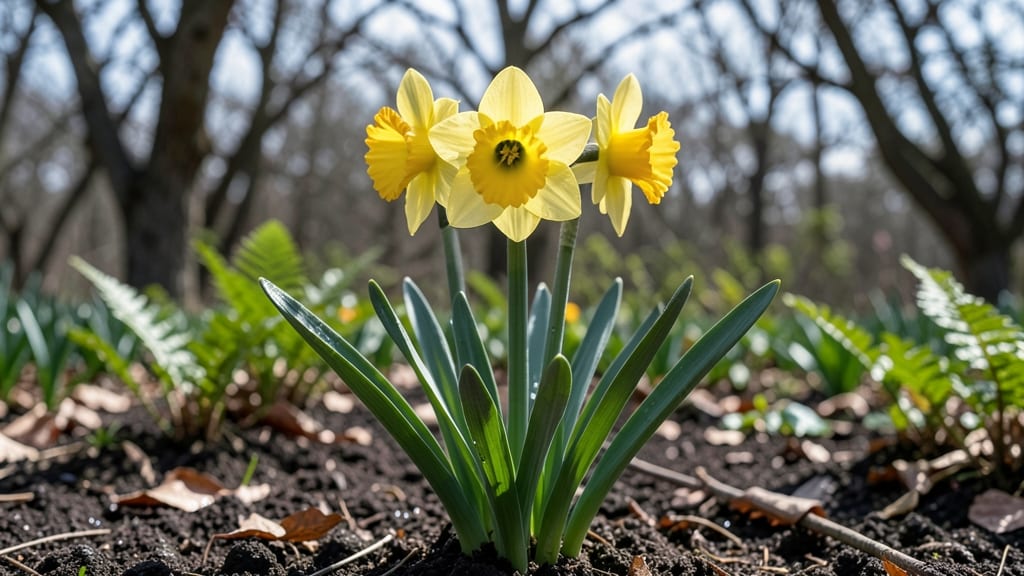
Yellow narcissus daffodils light up the Pacific Northwest's drizzly spring mornings with their cheerful, sunburst blooms—proof that early spring doesn’t have to feel gloomy. 🌸 These daffodils aren’t just flowers; they’re the first bold statement in your garden, pushing through cold soil to announce that winter’s over.
Their bright yellow cups and ruffled petals create a striking contrast against the muted greens and grays of early spring, making them the perfect anchor for borders and woodland gardens.
The secret to their showstopping impact lies in how you stage them. Plant them in clusters of three or five for a natural, drifty look that mimics wild meadows—this creates movement and draws the eye.
Pair them with hellebores for early color harmony or add ferns and hostas later in the season for layered texture. In containers, they shine alongside dusty miller or purple statice, offering height and drama when paired with their soft, rounded foliage.
Imagine your front yard in April: the air smells of rain and damp earth, and these daffodils stand tall, their petals catching the first real sunlight of the season. They’ll bloom for weeks, their golden centers fading to soft cream as they age, creating a romantic, lived-in feel.
The best part? They multiply every year, rewarding patience with more vibrant displays without extra effort.
For a truly cohesive look, time your plantings so that later-blooming varieties take over as the earlier ones fade. Mix in some alliums or tulips for height and variety, or let them naturalize in grassy areas where their cheerful faces will pop against green blades.
The Pacific Northwest’s mild climate makes them nearly foolproof—just plant them in well-drained soil, and they’ll do the rest.
📚 In This Guide
- What you need
- Instructions
- Tips and common mistakes
- Wrapping up and next steps
What you need
- ● Daffodil bulbs: 10–20 Narcissus pseudonarcissus (yellow narcissus) bulbs, size 12–14 cm (4.7–5.5 in) in diameter. Choose firm, pest-free bulbs for best results.
- ● Well-draining soil: 5–10 gallons of a mix of garden soil, compost, and sand/perlite (ratio: 2:1:1). Aim for slightly acidic to neutral pH (6.0–7.0).
- ● Planting location: A sunny spot (6+ hours of sunlight daily) with partial shade in hot afternoons (ideal for PNW’s mild climate).
- ● Mulch: 2–3 inches of pine straw or wood chips to retain moisture and protect bulbs.
- ● Hand trowel or bulb planter for digging.
- ● Garden gloves (to protect hands from soil and bulb sharpness).
- ● Watering can or hose with a gentle nozzle (daffodils dislike soggy soil!).
- ● Measuring tape or ruler (to ensure proper bulb spacing: 4–6 inches apart).
- ● Slow-release fertilizer (e.g., 10-10-10, 1 tbsp per bulb at planting).
- ● Epsom salt (1 tsp dissolved in water, sprayed lightly after planting for magnesium boost).
- ● Pest deterrent: Granular bulb fertilizer with nematode protection (e.g., Bonide Bulb Guard).
- ● Stakes or rings (if planting in windy areas to support tall stems).
How to grow stunning yellow narcissus daffodils in the Pacific Northwest
Here's the straightforward method I've used for years to bring bold yellow blooms to my PNW garden every spring.
🌱 Step 1: Choose the Right Variety for Your Climate
For the Pacific Northwest's mild, wet winters and cool springs, select early-blooming yellow narcissus varieties like 'Tête-à-Tête' or 'Ice Follies'. These compact types thrive in our zone 7-9 conditions and bloom reliably each year. Avoid late-blooming varieties—they often get rained out or struggle with our unpredictable spring weather.
Check the bloom time on seed packets or bulbs. You want varieties that push through the soil by late February to early March, before our spring rains become heavy. The key is getting those vibrant yellow trumpets showing when days are still cool but lengthening—around 50-55°F.
🪴 Step 2: Plant Bulbs at the Right Depth and Time
Plant your bulbs in fall (October-November) when soil temperatures drop below 60°F. This gives roots time to establish before winter dormancy. Dig holes 6-8 inches deep—about 3 times the bulb's height—and space them 4-6 inches apart for a dense, natural look.
Mix the planting hole with compost or well-rotted manure to give your bulbs an energy boost for next spring. The PNW's acidic soil benefits from this amendment. Gently place each bulb with the pointed end up, then cover with soil. Water thoroughly after planting to settle the soil around the bulbs.
☀️ Step 3: Provide Winter Care and Spring Maintenance
Once planted, leave your daffodils alone until spring. They need the cold to bloom properly. In winter, a 2-3 inch mulch layer of straw or shredded leaves protects them from freezing and thawing cycles. Remove the mulch in late winter (February) when you see green shoots emerging.
When the first green foliage appears, apply a balanced 10-10-10 fertilizer around the base. This encourages strong growth and better blooms. Water lightly during dry spells in spring, but avoid soggy soil—the bulbs rot easily in our region's wet climate. You'll know your bulbs are happy when they produce 6-12 inch tall stems with vibrant yellow flowers.
✂️ Step 4: Deadhead and Feed for Next Year's Blooms
After flowering, leave the foliage until it yellows completely—usually 6-8 weeks after blooming. This gives the bulbs time to photosynthesize and store energy for next year. When the leaves finally turn brown, cut them back to 2 inches above the soil line.
Apply a low-nitrogen fertilizer (5-10-10) in early summer to encourage bulb development. This is when your bulbs are actively growing roots for next year's show. In late summer (August-September), add a 2-3 inch layer of compost around the plants. This keeps the soil fertile and helps retain moisture during our dry summer months.
🌿 Step 5: Divide and Multiply Every 3-5 Years
Daffodils multiply over time, so every 3-5 years, dig up clumps in late summer (July-August) when foliage has died back. Separate the bulbs carefully, discarding any that are soft or moldy. Replant the healthiest bulbs immediately at the same depth, or store them in a cool, dry place until fall planting.
This division keeps your daffodils blooming strongly. You'll often find 5-10 new bulbs for every one you planted originally. The PNW's mild climate makes this process easier than in hotter regions—just be gentle with the roots when separating them.
Tips & tricks for perfect yellow narcissus daffodils in the Pacific Northwest
Here's what I've learned from years of growing these cheerful blooms in our unpredictable PNW climate.
Variety Selection Tip: When choosing your yellow narcissus bulbs, look for labels that specify "early blooming" varieties like 'Tête-à-Tête' or 'Ice Follies'. These compact types are specifically bred to handle our region's wet springs. The bloom time listed on the packet is crucial—aim for varieties that push through the soil by late February to early March, when our spring rains are still manageable. I've found that bulbs promising blooms by mid-March often get rained out here.
Planting Depth Secret: The 6-8 inch planting depth (about 3 times the bulb's height) is perfect for our climate. In the PNW's acidic soil, this depth protects bulbs from winter moisture while allowing roots to spread comfortably. I always mix in a handful of compost with the native soil—this gives your bulbs that extra energy boost they'll need to push through our wet winters. Don't skip this step, especially in clay-heavy soils common to our region.
Winter Protection Strategy: That 2-3 inch mulch layer in winter is your best defense against our freeze-thaw cycles. I use straw because it breaks down slowly and adds organic matter to the soil. Remove it in late winter only when you see those first green shoots—this prevents rot from spring rains. The mulch also helps moderate soil temperatures, which is especially important during our unpredictable PNW winters.
Fertilizing Timeline: The timing of your fertilizers matters more than you might think. That early spring 10-10-10 application when foliage first appears gives your bulbs a growth kick just as they need it. Then switch to low-nitrogen (5-10-10) in early summer when bulbs are developing roots for next year. I've seen dramatic improvements in bloom size and color by following this exact timing—especially in our nutrient-poor volcanic soils.
Pro Tips for Yellow Narcissus Daffodil Flowers
- Here's what I've learned from years of growing these cheerful blooms in our unpredictable PNW climate.
- Variety Selection Tip: When choosing your yellow narcissus bulbs, look for labels that specify "early blooming" varieties like 'Tête-à-Tête' or 'Ice Follies'.
- Planting Depth Secret: The 6-8 inch planting depth (about 3 times the bulb's height) is perfect for our climate.
Frequently asked questions
Got questions about these sun-kissed blooms? You’re not alone! Here are some of the most common queries about yellow narcissus daffodils—your go-to guide for growing, caring, and styling these PNW favorites.
When is the best time to plant yellow narcissus daffodils in the Pacific Northwest?
Plant them in fall (September–November) for early spring blooms. The bulbs need cold weather to root before winter. Aim for 6 weeks before the first frost—this gives them time to establish before dormancy. In the PNW’s mild climate, October is ideal!
Why aren’t my yellow narcissus daffodils blooming this year?
Several factors could be at play:
- Too much shade: They need full sun to partial shade (6+ hours of light).
- Over-fertilizing: Too much nitrogen = lush leaves, but fewer blooms. Use a low-nitrogen bulb fertilizer instead.
- Improper planting depth: Bulbs should be 6–8 inches deep (twice their height).
- Dormancy needs: They need a rest period—don’t cut back foliage until it yellows naturally!
Give them patience—they often take 2–3 years to reach peak bloom.
Can I grow yellow narcissus daffodils in containers, or are they only for gardens?
They thrive in containers with drainage. Use a well-draining potting mix and a pot at least 8 inches deep. Choose shallow but wide containers to mimic garden conditions. Just move them to a cool, dark place after blooming to simulate winter dormancy.
Are yellow narcissus daffodils toxic to pets or wildlife?
Yes, they’re toxic to cats, dogs, and horses due to lycorine, a compound in the bulb and leaves. Symptoms of ingestion include drooling, vomiting, or diarrhea. Keep pets away from chewed foliage or bulbs. However, they’re bee-friendly and support early pollinators—just supervise curious pets!
How can I make my yellow narcissus daffodils last longer in a vase?
Extend their life with these tips:
- Trim stems diagonally (1–2 inches) before arranging.
- Change the water every 2–3 days to prevent bacterial growth.
- Use cool water (not cold) and add a flower food packet.
- Avoid direct sunlight—place them in bright, indirect light.
With care, they’ll last 7–10 days in a vase!
Wrapping up and next steps
Yellow narcissus daffodils aren’t just flowers—they’re the Pacific Northwest’s vibrant heralds of spring, bringing sunshine and cheer to gardens and landscapes alike.
Whether you’re planting them for their bold beauty, early blooms, or wildlife-friendly appeal, these Narcissus varieties are a no-fail way to transform your outdoor space into a lively, early-season masterpiece. 🌸
Ready to dive in? Start small—pick a sunny spot, grab a few bulbs, and let nature do the rest! Or, if you’re feeling ambitious, check out our step-by-step planting guide to make your daffodil dreams a reality.