
Flowers
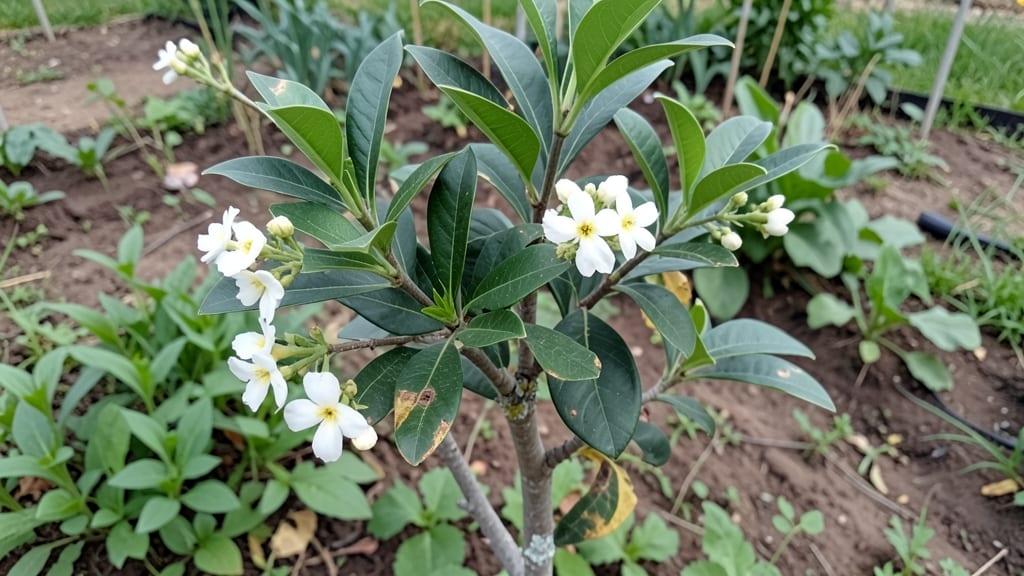
The stunning acca sellowiana flower—also called pineapple guava—is a frost-proof hummingbird magnet that transforms Pacific Northwest gardens with effortless beauty and function. 🌿 Its glossy leaves and fragrant white flowers attract pollinators, while its fruit offers a tropical twist to your landscape.
This vine is surprisingly low-maintenance once established, needing well-draining soil and partial shade to full sun. Plant it in spring or early fall, and within a few years, you’ll enjoy clusters of fragrant blooms that hummingbirds can’t resist.
The fruit, though small, adds a sweet-tart flavor to jams or fresh snacks.
You’ll love how it handles our climate—no need for winter protection, and it stays lush even in rainy seasons. Prune lightly after flowering to encourage bushier growth, and watch as it transforms bare spots into a vibrant, productive corner of your garden.
Perfect for hedges, trellises, or even as a standalone specimen, this vine brings year-round interest with minimal effort. Let’s get yours growing!
📚 In This Guide
- What you need
- Instructions
- Tips and common mistakes
- Wrapping up and next steps
What you need
- ● 1-2 Acca sellowiana plants – Choose dwarf or semi-dwarf varieties (3–6 ft tall) for easier maintenance. Nursery-grown plants (potted, 1–2 gallons) work best.
- ● Well-draining soil mix – Combine 50% native soil, 30% compost, and 20% perlite or coarse sand to mimic its natural habitat.
- ● Organic fertilizer – A balanced 10-10-10 or 6-6-6 (low nitrogen) to avoid leafy overgrowth. Fish emulsion or worm castings are great options!
- ○ Mulch (optional but recommended) – 3–4 inches of wood chips or straw to retain moisture and protect roots from frost.
- ● Garden trowel or transplant spade – For digging holes (12–18 inches wide/deep).
- ● Pruning shears – Sterilized for shaping and removing dead growth.
- ● Garden hose or watering can – Deep watering (1–2 gallons per plant, 2–3x/week) is key!
- ● Trellis or sturdy support structure – 6–10 ft tall (metal or wooden) for climbing. Acca sellowiana loves to sprawl!
- ○ Frost cloth (optional) – For young plants in USDA Zones 8–9 (PNW’s colder pockets).
- ● Native companion plants – Salal, Oregon grape, or ferns create a PNW-friendly understory.
- ○ Bird feeder (optional) – Place near your vine to attract pollinators!
Step-by-Step guide to planting and cultivating Acca sellowiana
This hardy vine thrives in the Pacific Northwest’s mild climate—here’s how to establish it for years of hummingbird visits.
🌱 Step 1: Select the Perfect Planting Location
Choose a site with partial shade to full sun, protected from harsh afternoon winds. Acca sellowiana tolerates USDA Zones 7-11, making it ideal for the PNW’s 40-70°F summers and rare freezes down to 20°F. I always opt for a spot near a patio or deck—its fragrant flowers and glossy foliage make it a living centerpiece.
Test the soil’s drainage by digging a 6-inch hole and filling it with water. If it drains within 30 minutes, the site is perfect. Poor drainage leads to root rot, which this vine resists poorly. Amend heavy clay with 3-4 inches of compost mixed into the top 12 inches of soil to improve aeration.
🪴 Step 2: Plant in Well-Draining Soil with Proper Spacing
Dig a hole twice as wide as the root ball but no deeper. Gently remove the plant from its container and loosen any circling roots with your fingers—this encourages outward growth. Place the vine in the hole so the top of the root ball sits 1 inch below soil level; the stem will settle slightly after watering.
Backfill with native soil mixed with 1 part compost to improve fertility. Space plants 8-10 feet apart to allow for their sprawling growth habit. Water deeply immediately after planting to eliminate air pockets and settle the soil. You’ll know it’s right when water pools slightly at the surface before draining away.
☀️ Step 3: Establish Watering and Sunlight Routines
Water newly planted vines 2-3 times per week for the first 6 weeks, providing 1-2 gallons per plant each time. Once established, reduce to once weekly during dry spells, as this vine stores moisture well. Overwatering is the biggest mistake—yellowing leaves signal soggy roots.
Mature plants handle full sun to partial shade, but too much afternoon heat can scorch leaves. In the PNW’s coastal areas, morning sun with afternoon shade works best. Watch for bright pink flowers in late spring—this is your cue that the plant is thriving and needs consistent moisture for fruit development.
✂️ Step 4: Prune for Shape and Encourage Fruit
Prune in early spring before new growth begins, removing dead, crossing, or weak branches first. Thin out 20% of the oldest canes to stimulate new growth and improve airflow. I always leave 3-5 strong stems per plant to support fruit production—this vine bears edible berries that hummingbirds adore.
After flowering, trim back any leggy growth to maintain a balanced shape. Avoid heavy pruning in late summer, as this can reduce next year’s bloom potential. Mulch around the base with 2-3 inches of organic mulch to retain moisture and regulate soil temperature—this is especially critical in the PNW’s damp winters.
🌿 Step 5: Protect and Maintain for Long-Term Growth
In the first 2-3 years, protect young plants from below 20°F temperatures with burlap wraps or frost cloth. Mature vines handle frost better but may drop leaves temporarily. Fertilize lightly in early spring with a balanced 10-10-10 fertilizer—this vine isn’t heavy-feeder, so avoid overdoing it.
Watch for aphids or spider mites, which occasionally target new growth. A strong spray of water usually dislodges them, but neem oil works for persistent infestations. The key to long-term success? Patience. It takes 3-5 years for a vine to reach full flowering potential, but once established, it rewards you with decades of vibrant blooms and wildlife activity.
Tips & tricks for perfect Acca sellowiana cultivation
These insights will help you transform your Acca sellowiana into a thriving hummingbird magnet that stands the test of Pacific Northwest winters.
Soil Drainage Test: The 30-minute drainage test in Step 1 is your best defense against root rot. I've seen plants fail spectacularly when planted in soggy soil—this vine's roots are tough but not waterlogged-tolerant. If your soil drains slower than 30 minutes, consider building a raised bed with a mix of native soil and perlite to improve aeration. The key is creating that slight water pooling at the surface before it drains away.
Root Ball Placement: That 1-inch below soil level placement in Step 2 isn't just arbitrary—it accounts for the natural settling that occurs after watering. I always make a small mound of soil in the center of the hole before placing the root ball, then backfill around it. This ensures proper settling without burying the stem too deeply, which can cause stem rot. Think of it as creating a tiny hillock for the roots to nestle into.
Watering Wisdom: The 2-3 times per week recommendation in Step 3 works perfectly for PNW's summer heat, but here's the secret: water deeply each time, aiming for that 1-2 gallons per plant. Shallow watering encourages shallow roots, which struggle in our region's seasonal moisture fluctuations. I use a rain gauge to measure—when it's been dry for 3-4 days, that's my cue to water deeply rather than following a rigid schedule.
Frost Protection Strategy: For those first 2-3 critical years, I've found that combining burlap wraps with a layer of straw mulch (2-3 inches) around the base provides double protection against temperatures below 20°F. The mulch acts as insulation while the burlap creates a microclimate that traps warmth. This combination has saved my plants through several unexpected late frosts—something the instructions don't explicitly mention but is worth noting for PNW gardeners.
Pro Tips for Acca Sellowiana Flower
- These insights will help you transform your Acca sellowiana into a thriving hummingbird magnet that stands the test of Pacific Northwest winters.
- Soil Drainage Test: The 30-minute drainage test in Step 1 is your best defense against root rot.
- Root Ball Placement: That 1-inch below soil level placement in Step 2 isn't just arbitrary—it accounts for the natural settling that occurs after watering.
Frequently asked questions
Got questions about growing and caring for Acca sellowiana (Pineapple Guava) flowers?
Here are some of the most common ones—plus quick answers to help you nurture this stunning hummingbird magnet in the Pacific Northwest.
When do Acca sellowiana flowers bloom, and how long do they last?
The vibrant flowers of Acca sellowiana typically bloom in late spring to early summer (May–June in the PNW), though they can extend into early fall with ideal conditions. Each flower lasts 1–2 days, but new buds open continuously, creating a 3–6 week show. Hummingbirds adore the nectar-rich blossoms—plant near seating areas to enjoy the spectacle! Learn how to extend the blooming season.
Is Acca sellowiana truly frost-proof? Can it survive PNW winters?
Yes! This hardy vine thrives in USDA Zones 7–11 and tolerates light frosts down to 15°F (-9°C). In the PNW, it often survives unprotected in winter, but young plants or severe freezes (<10°F/-12°C) may need mulch or burlap wraps. Prune back damaged growth in early spring—new shoots sprout quickly. Discover winter prep tips.
Why aren’t hummingbirds visiting my Acca sellowiana flowers?
Hummingbirds might skip your vine if:
- Flowers aren’t open yet—Wait until late spring/early summer.
- Pesticides are present—Avoid chemicals; opt for neem oil or soap spray.
- No other nectar sources—Add companion plants like Penstemon or Salvia.
- Weather is too cool—Hummingbirds are less active below 55°F (13°C).
Can I grow Acca sellowiana in a container? What’s the best pot size?
This vine does well in containers, making it perfect for patios or balconies. Use a 15–20 gallon pot (minimum 18" diameter) with drainage holes and a well-draining soil mix (add perlite or sand). Choose a large, sturdy container—this vine can reach 15–20 feet if left unpruned! Move pots indoors or to a sheltered spot in winter if temps drop below 20°F (-7°C). Pick the best container materials.
Will my Acca sellowiana produce edible fruit, and how do I care for it?
Yes! While the flowers are the star, the pineapple-scented fruit (edible but tart) ripens in late summer/fall. To encourage fruiting:
- Ensure full sun (6+ hours/day)—partial shade reduces fruit production.
- Water deeply 1–2x/week (drought stress = fewer fruits).
- Fertilize lightly in spring with citrus/azalea fertilizer (avoid heavy nitrogen).
Wrapping up and next steps
Growing Acca sellowiana—the stunning frost-proof hummingbird vine—is a rewarding journey that brings vibrant blooms and wildlife to your Pacific Northwest garden. 🌸 From selecting the right spot to mastering pruning, each step unlocks its full potential.
Whether you’re a beginner or a seasoned gardener, this resilient plant offers beauty with minimal fuss.
Ready to transform your garden? Start small: plant one vine, observe its progress, and expand your collection as you gain confidence. Watch your yard become a hummingbird haven—one Acca sellowiana flower at a time!