
Planting
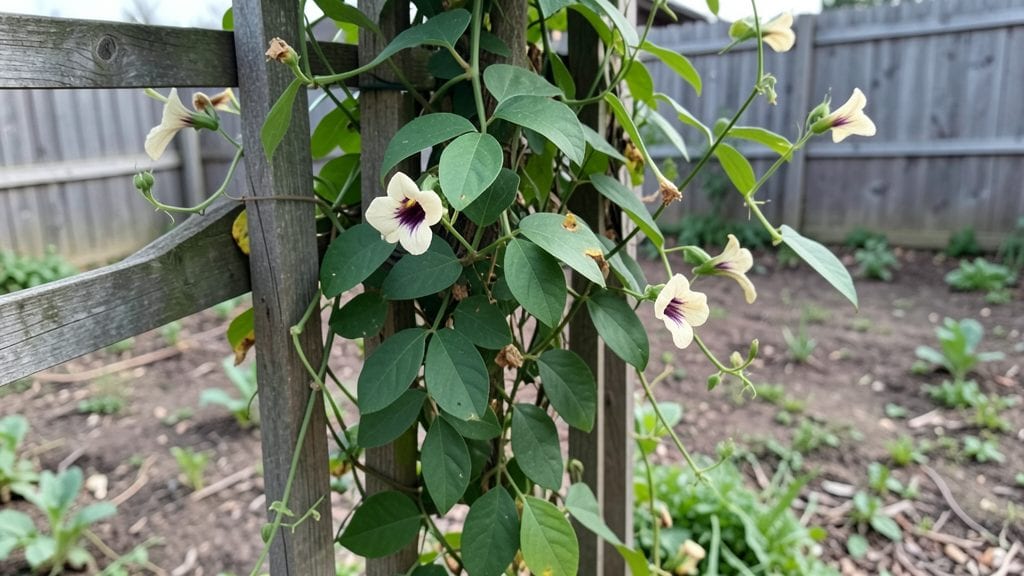
The Pacific Northwest's yellow-flowered vine plants don't just climb—they transform your garden into a hummingbird superhighway. 🌿 I've watched honeysuckle vines turn a shady corner into a buzzing ecosystem, their fragrant yellow trumpets drawing birds and bees by mid-June.
The secret lies in choosing the right varieties that thrive in our damp, mild climate while still delivering that vibrant color and sweet scent.
Honeysuckle (Lonicera spp.) and passionflower (Passiflora spp.) are my top picks for PNW gardens—both produce cheerful yellow blooms that hummingbirds can't resist. They handle our rainy winters better than morning glories, which often rot in the damp soil.
Plant them near trellises, fences, or arbors where they can sprawl freely, and you'll get fragrant stalks that perfume the air while attracting pollinators all season.
By late summer, your vine will be covered in blooms, each one a tiny landing pad for hummingbirds. The foliage stays lush even through our cool, foggy summers, and the plants are surprisingly low-maintenance once established. You'll spend more time admiring the visitors than fussing over the vines themselves.
Perfect for cottage gardens, privacy screens, or even container growing on patios. The key is starting with healthy plants and giving them room to grow—these vines aren't shy about stretching their legs. Let's get yours thriving in your PNW garden!
📚 In This Guide
- What you need
- Instructions
- Tips and common mistakes
- Wrapping up and next steps
What you need
- ● Yellow-flowered vine plant: 1–3 healthy nursery-grown plants (choose a variety like Lonicera flava or Clematis for vibrant blooms).
- ● Well-draining potting mix: 5–10 gallons (or enough to fill your chosen container). Opt for a mix with perlite or sand if planting in pots.
- ● Organic compost: 1–2 cups (to enrich soil and boost growth).
- ● Slow-release fertilizer: 1–2 tablespoons (balanced 10-10-10 or organic options like fish emulsion).
- ● Trellis or sturdy support: A 6–8 ft tall trellis, arbor, or fence (vines need vertical space to climb!).
- ● Pruning shears: Sharp, clean pair (for trimming and shaping).
- ● Watering can or hose with a gentle spray nozzle: For even moisture without damaging delicate blooms.
- ● Mulch (2–3 inches of shredded bark or straw) to retain moisture and suppress weeds.
- ● Plant ties or soft twine to secure young vines to the trellis.
- ● pH testing kit (to ensure soil pH is between 6.0–7.0, ideal for most vines).
- ● Hummingbird-friendly companion plants (like salvia or bee balm) to attract more pollinators!
- ● A sunny spot with at least 6–8 hours of direct sunlight daily (Pacific Northwest shade can work, but blooms may be fewer).
- ● Access to water (vines need consistent moisture, especially during the first growing season).
- ● Patience! Some vines take 1–2 years to fully establish and bloom spectacularly.
How to grow a fragrant yellow-flowered vine for hummingbirds
This Pacific Northwest favorite thrives with minimal fuss—here's how to coax its sweet, fragrant blooms and attract hummingbirds effortlessly.
🌱 Step 1: Choose the Right Vine and Planting Site
Honeysuckle (Lonicera spp.) is the classic yellow-flowered vine that hummingbirds adore. Select a variety suited to your climate—like the hardy Pacific honeysuckle (Lonicera hispidula) for coastal areas or trumpet honeysuckle (Lonicera sempervirens) for milder inland zones. Plant in partial shade to full sun, but avoid scorching afternoon rays in hotter microclimates.
This vine thrives on trellises, fences, or arbors, so install your support structure before planting. The roots spread aggressively, so give it at least 6 feet of space from sidewalks or driveways. Dig a hole twice as wide as the root ball but only as deep as the container it came in—planting too deep suffocates the roots.
💧 Step 2: Prepare Soil and Plant for Optimal Growth
Amend the native soil with 2-3 inches of compost mixed into the top 12 inches of the hole. Honeysuckle tolerates poor soil but rewards you with more blooms when the soil is rich in organic matter. Avoid heavy clay—it struggles to drain, leading to root rot. If your soil drains poorly, add a 1-inch layer of coarse sand to the bottom of the hole before backfilling.
Place the vine in the hole, spreading roots gently outward. Backfill with native soil mixed with compost, tamping lightly as you go. Water deeply until the soil is saturated to 12 inches deep—you'll see moisture appear at the surface when it's done. Mulch with 2-3 inches of wood chips, keeping it 6 inches away from the stem to prevent rot.
☀️ Step 3: Water and Fertilize for Fragrant Blooms
Water deeply 2-3 times per week during the first growing season, ensuring the soil stays moist but not soggy. After the first year, honeysuckle becomes drought-tolerant, but consistent moisture yields more fragrant flowers. You'll know it's thirsty when the leaves start curling slightly at the edges—water before they wilt.
Fertilize lightly in early spring with a balanced 10-10-10 formula, applying ½ cup per plant. Too much nitrogen produces lush foliage but fewer flowers. Stop fertilizing after mid-summer to encourage blooming for next year. Prune spent flowers by pinching them off—this redirects energy to new growth and keeps the vine bushier.
✂️ Step 4: Prune and Train for Healthy Vines
Prune in late winter or early spring before new growth begins. Remove dead or crossing branches first, then cut back one-third of the oldest stems to encourage new, vigorous growth. This also prevents the vine from becoming too woody and sparse. Wear gloves—honeysuckle thorns are sharp!
Train young vines by gently tying them to the trellis with soft plant ties every 6-12 inches. Avoid wire or zip ties—they can cut into the bark as the vine thickens. Once established, the vine will climb on its own, but early support keeps it growing upward instead of sprawling.
🪴 Step 5: Maintain for Hummingbird Visits Year After Year
Hummingbirds return to reliable food sources, so keep your vine healthy with minimal winter care. In cold climates, mulch heavily (4-6 inches) around the base to insulate roots. In mild PNW winters, no extra protection is needed—these vines are tough. By early spring, you'll spot the first bright yellow tubular flowers, signaling hummingbirds are on their way.
Watch for aphids or spider mites—they love honeysuckle too. Spray infested areas with neem oil or a soapy water solution (1 tsp mild dish soap per gallon of water). Aphids rarely cause lasting harm, but heavy infestations can weaken the plant. Shake the vine gently over a bucket of soapy water to dislodge them if they appear.
Tips & tricks for perfect hummingbird-friendly vine growth
Here's what nobody tells you about growing fragrant yellow vines that hummingbirds can't resist—these tricks make all the difference.
Sunlight Strategy: In Step 1, when choosing your planting site, remember that "partial shade to full sun" means different things depending on your microclimate. Coastal areas with foggy mornings can handle more direct sun, while inland spots benefit from afternoon shade—especially during those scorching summer afternoons. I've seen Pacific honeysuckle thrive in full sun on the coast but struggle in hot inland valleys without afternoon relief.
Soil Secrets: The compost recommendation in Step 2 is non-negotiable for fragrant blooms, but here's the real trick: mix that compost with your native soil BEFORE adding it to the hole. This creates a nutrient-rich blend that won't compact when wet. For clay-heavy soils, I like to add a handful of perlite to the bottom of the hole along with that coarse sand—it creates tiny air pockets that prevent waterlogging. This is especially important for trumpet honeysuckle varieties.
Watering Wisdom: Those 2-3 weekly waterings in Step 3 are perfect, but timing matters more than you think. Water in the early morning so the leaves dry completely by evening—this prevents fungal issues that can weaken your vine. I've found that watering at the base (not overhead) keeps the fragrant flowers cleaner too, which hummingbirds appreciate when they're feeding. And here's a pro move: use a moisture meter to check that 12-inch depth—you'll be shocked how often people overwater without realizing it.
Pruning Payoff: When it's time to prune in Step 4, don't just cut back those oldest stems—look for any stems growing inward toward the center of the plant. These "hidden" stems steal energy from your outward growth. I like to do a second pruning in early summer to pinch back any overly vigorous new growth—this encourages bushier, more fragrant blooms later in the season. And always sterilize your pruners with rubbing alcohol between cuts to prevent disease spread.
Pro Tips for Yellow Flowered Vine Plant
- Here's what nobody tells you about growing fragrant yellow vines that hummingbirds can't resist—these tricks make all the difference.
- Sunlight Strategy: In Step 1, when choosing your planting site, remember that "partial shade to full sun" means different things depending on your microclimate.
- Soil Secrets: The compost recommendation in Step 2 is non-negotiable for fragrant blooms, but here's the real trick: mix that compost with your native soil BEFORE adding it to the hole.
Frequently asked questions
Got questions about nurturing your yellow-flowered vine plant? You’re not alone! Here are answers to the most common queries from gardeners in the Pacific Northwest and beyond.
What’s the best time to plant a yellow-flowered vine like Clematis or Honeysuckle in my region?
For the PNW’s mild, wet winters, plant bare-root vines in early spring (March–April) or container-grown plants in fall (September–October). Avoid late summer—heat stress can hurt root establishment. Pro tip: Mulch heavily after planting to protect roots from winter dampness.
Why aren’t hummingbirds visiting my vine’s flowers?
Hummingbirds may skip your vine if flowers are overpruned, lacking nectar (thin blooms = less sugar!), or blocked by dense foliage. Try:
- Deadhead spent blooms to encourage new flowers.
- Plant companion flowers like Salvia or Bee Balm nearby for extra appeal.
- Ensure vines get 6+ hours of sun—hummingbirds love bright, accessible feeders!
How often should I water a yellow-flowered vine in the PNW’s rainy climate?
Newly planted vines need weekly deep watering (1–1.5 inches) even in rain, since soggy soil can suffocate roots. Once established, water only during dry spells—PNW’s natural moisture usually suffices! Watch for: Wilting leaves (underwatering) or yellowing foliage (overwatering).
Can I grow a yellow-flowered vine in a container? If so, what’s the best setup?
Choose fast-growing vines like Honeysuckle or Clematis ‘Jackmanii’ for containers. Use a:
Curling leaves often signal pests (aphids, spider mites) or fungal issues (powdery mildew). Try this:
Pro tip: Fertilize monthly in spring/summer with a balanced 10-10-10 formula.
My vine’s leaves are curling—what’s wrong, and how do I fix it?
Issue
Solution
Pests
Spray with neem oil or introduce ladybugs. Prune heavily infested leaves.
Fungal disease
Improve airflow (prune nearby plants), avoid overhead watering, and apply copper fungicide.
Underwatering
Water deeply at the base of the plant and mulch to retain moisture.
Wrapping up and next steps
Transforming your Pacific Northwest garden into a vibrant hummingbird haven is easier than you think! 🌸 With the right yellow-flowered vine plant, you’ve got a fragrant, low-maintenance solution that attracts pollinators while adding beauty to your space.
Whether you’re a seasoned gardener or just starting, this plant brings color, life, and a touch of nature’s magic to your outdoor oasis.
Ready to take the next step? Pick your favorite vine variety, gather your supplies, and start planting—your garden (and hummingbirds!) will thank you. 🌿