Flowers
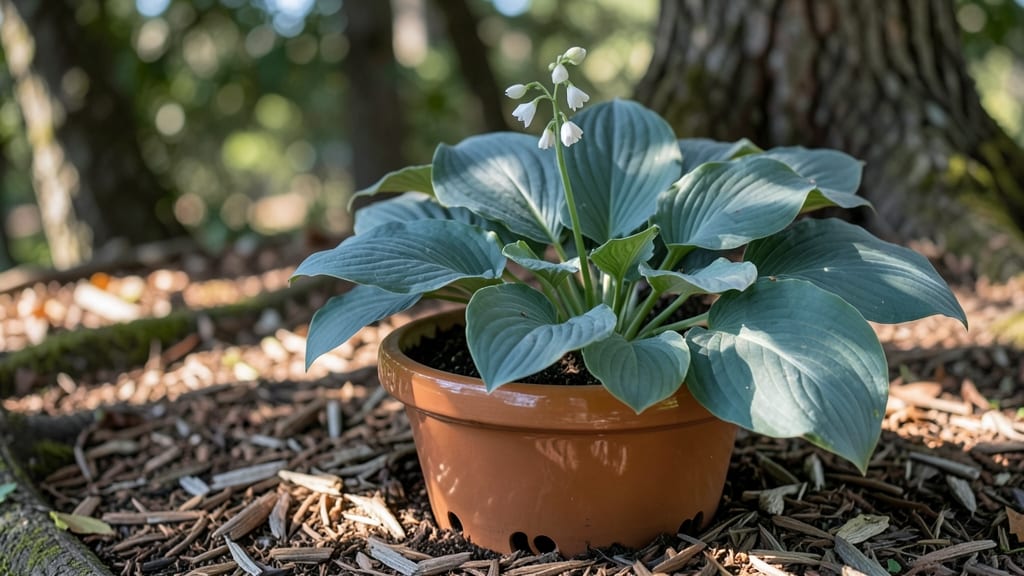
The flowers that like shade in pots I’ve discovered for my north-facing balcony are absolute game-changers—vibrant blooms that thrive where sunlight barely reaches, with zero fuss. These plants don’t just survive in low light; they flourish, turning gloomy spaces into lush, cheerful retreats.
The secret lies in choosing the right plants and containers. Impatiens, fuchsias, and begonias are top performers, but even caladiums and astilbes deliver stunning foliage and blooms with minimal effort.
A well-draining potting mix and containers with drainage holes prevent soggy roots, while consistent moisture keeps them happy without drowning them. Most of these beauties need water when the top inch of soil feels dry—simple checks that keep them thriving.
You’ll end up with a balcony garden that’s always in bloom, from spring impatiens to winter pansies. The foliage stays lush, the flowers pop against dark backdrops, and you’ll spend less time fretting over wilting than you would with sun-loving plants.
Plus, these containers can be moved to brighter spots for a few hours if needed, giving you flexibility for any light conditions.
Whether you’re working with a tiny windowsill or a spacious deck, these shade-tolerant picks adapt easily. The key is matching the right plant to your light levels—some handle deep shade better than others—and keeping an eye out for pests that love tender foliage. Let’s get your pots blooming beautifully!
📚 In This Guide
- What you need
- Instructions
- Tips and common mistakes
- Wrapping up and next steps
What you need
- ● Shade-loving flowers: Choose from Impatiens, Fuchsias, Begonias, Caladiums, or Hosta (3-5 plants per pot, depending on size).
- ● Containers: 1-3 pots (10-14" diameter) with drainage holes. Terracotta or fiberglass works best for airflow.
- ● Potting soil: 1 bag (5-10 qt) of well-draining, peat-based mix (add perlite or orchid bark for extra aeration).
- ● Drainage material: Small pebbles or coarse sand (1-2" layer at the pot’s bottom).
- ● Slow-release fertilizer: 1 packet (14-14-14 NPK ratio) or organic options like worm castings.
- ● Gloves (1 pair) – Protect your hands from soil and thorns.
- ● Trowel or small shovel – For planting and mixing soil.
- ● Watering can or hose with spray nozzle – Gentle watering prevents soil compaction.
- ○ Mulch (optional): Shredded bark or coconut coir (1" layer) to retain moisture.
- ○ Plant labels (optional): Wooden or metal tags to track varieties.
Step-by-Step guide to choosing and planting shade-loving flowers in pots
Here's how to create a thriving, low-maintenance container garden that blooms beautifully without direct sun.
Select the Right Shade-Tolerant Flowers
Start with plants that naturally thrive in low to partial shade (typically 2-6 hours of sunlight daily). Impatiens, fuchsias, and begonias are classic choices—they burst with color while handling dappled light or even deep shade. For slightly brighter spots, consider caladiums with their striking foliage or astilbes with feathery plumes.
Check the plant tags for light requirements—some shade lovers like heuchera or hostas prefer morning sun and afternoon shade, while others like coleus can handle full shade. I always opt for 4-5 plants per 12-inch pot to create a lush, full look without overcrowding. Mix heights for visual interest: place taller varieties like foxglove in the back and shorter bloomers like sweet potato vine in front.
Choose the Correct Containers and Soil
Use pots with drainage holes—shade plants still need good airflow to prevent root rot. Terracotta pots work well because they breathe, but any container with drainage will do. For 4 plants, a 12-inch diameter pot holds enough soil to support roots without drying out too quickly.
Fill the pot with a lightweight, well-draining potting mix—avoid garden soil, which compacts and suffocates roots. I mix equal parts potting mix and perlite to improve aeration. Add a slow-release fertilizer (like a 10-10-10 blend) to the soil before planting to give your flowers a nutrient boost right away. Press the soil down gently to remove air pockets but don’t pack it too tightly.
Plant with Proper Spacing and Watering
Dig holes twice as wide as the root ball but no deeper than the plant’s container. Gently remove each plant from its nursery pot and place it in the hole, ensuring the top of the root ball sits just below the soil line. Space plants 3-6 inches apart depending on their mature size—closer for smaller varieties like begonias, wider for bushier types like fuchsias. Fill the gaps with soil and press lightly around the base.
Water deeply right after planting—soak the soil until water drains freely from the bottom. Shade plants need consistent moisture, so check the soil every 2-3 days by sticking your finger 1 inch deep. If it feels dry, water again. Avoid letting the soil stay soggy, though—shade plants still need airflow at the roots. Mulch the surface with 1 inch of bark chips to retain moisture and keep roots cool.
Provide Care and Encourage Blooms
Shade plants appreciate humidity, so mist the foliage 2-3 times a week if your balcony is dry. Fertilize every 4-6 weeks with a balanced liquid fertilizer during the growing season (spring to fall). I use half-strength fertilizer to avoid burning tender roots. Watch for yellowing leaves—this often signals overwatering or nutrient deficiency. Adjust your watering or fertilizing routine accordingly.
Deadhead spent blooms regularly to encourage more flowers. Pinch back leggy stems to promote bushier growth. If leaves look pale or stems weaken, your plant might need more light—move it to a slightly brighter spot, but avoid direct sun, which can scorch shade-loving foliage. With proper care, your container garden will bloom continuously from spring through fall.
Tips & tricks for perfect shade-loving container gardens
Here's what I've learned from years of growing shade plants—these tricks will help your container garden thrive without direct sunlight.
Plant Selection Wisdom: In Step 1, when choosing flowers, pay close attention to the specific light requirements on plant tags. While impatiens and fuchsias handle deep shade, varieties like heuchera and hostas actually prefer morning sun and afternoon shade. If your balcony gets only 2-6 hours of sunlight, opt for coleus or sweet potato vine—they'll still flourish where others might struggle. I've found that mixing plants with slightly different light needs creates a more resilient garden.
Container Strategy: For Step 2, consider using hanging baskets for trailing plants like sweet potato vine or fuchsias. These containers maximize vertical space while providing excellent drainage. If you're using terracotta pots, soak them in water for 10 minutes before planting—this prevents them from wicking moisture away from the roots too quickly. I also recommend grouping pots together to create microclimates that retain more humidity for your shade plants.
Watering Technique: The "every 2-3 days" guideline in Step 3 works well, but I've learned that shade plants actually need more frequent checks. In the morning, lift the pot—if it feels light, it's time to water. Also, water at the base of the plants rather than overhead to reduce fungal risks. For extra moisture retention, add a layer of coconut coir to your soil mix—it holds water better than perlite alone while still providing aeration.
Long-Term Care Tip: In Step 4, when you notice yellowing leaves, don't automatically assume it's overwatering. Sometimes it's a sign of nutrient deficiency, especially if you've been using tap water. Try flushing the soil with distilled or rainwater to remove mineral buildup. I've also found that rotating pots every few weeks ensures even light exposure, preventing leggy growth and promoting bushier plants.
Pro Tips for Flowers That Like Shade In Pots
- Here's what I've learned from years of growing shade plants—these tricks will help your container garden thrive witho...
- Plant Selection Wisdom: In Step 1, when choosing flowers, pay close attention to the specific light requirements on p...
- Container Strategy: For Step 2, consider using hanging baskets for trailing plants like sweet potato vine or fuchsias...
Frequently asked questions
Got questions about growing shade-loving flowers in pots? You’re not alone! Here are answers to the most common concerns—so you can confidently pick, plant, and enjoy your low-light blooms without stress.
What’s the best soil mix for shade-loving potted flowers?
Use a well-draining, moisture-retentive mix like 60% potting soil, 20% perlite or orchid bark, and 20% compost. Avoid heavy garden soil—it compacts and suffocates roots. For extra moisture, add a handful of coconut coir or peat moss. Pro tip: Mix in a slow-release fertilizer (like 5-10-5) at planting to skip mid-season feeding.
How often should I water shade plants in pots?
Check soil moisture weekly: stick your finger 1–2 inches deep. Water when the top layer feels dry. Shade plants typically need water less frequently than sun-lovers, but containers dry out faster. Use a self-watering pot or cache pot to extend time between waterings. Watch for: Wilting leaves (underwatering) or yellowing (overwatering).
Can I grow shade flowers in small pots, or do they need big containers?
Size matters! Most shade-loving flowers (like impatiens or ferns) thrive in 6–12 inch pots, but larger plants (e.g., hostas or caladiums) need at least 14+ inches for root spread. Overcrowding leads to poor drainage and pests. If space is tight, opt for trailing varieties (like Sweet Potato Vine) to maximize vertical growth.
Why are my shade flowers dying, even though I’m following care tips?
Common culprits:
- Root rot: Yellow leaves + mushy stems = overwatering. Let soil dry slightly between waterings.
- Pests: Check undersides of leaves for aphids or spider mites. Spray with neem oil or insecticidal soap.
- Too much light: Even "shade-tolerant" plants can scorch in bright, indirect light. Move pots to a dappled shade spot.
- Nutrient deficiency: Feed monthly with a balanced liquid fertilizer (10-10-10) during growing season.
What’s a low-maintenance shade flower that blooms all season?
Try Impatiens (Busy Lizzie) or Begonias—both thrive in shade, bloom nonstop, and handle neglect better than fussy varieties. For foliage lovers, Caladiums or Hosta (in cooler climates) offer dramatic leaves with minimal care. Bonus: These plants self-clean (deadhead themselves) and rarely need pruning!
Can I reuse last year’s potted shade flowers, or should I repot them?
Repot every 1–2 years to refresh soil and roots. Signs it’s time:
- Roots circling the pot.
- Stunted growth or fewer blooms.
- Soil breaking down (loses structure).
Spring is ideal. Choose a pot 1–2 inches larger and refresh with new soil mix. Pro tip: Divide clumping plants (like hostas) every 3 years to rejuvenate them!
Wrapping up and next steps
Transforming your shady balcony into a vibrant oasis is easier than you think! These low-maintenance, shade-loving flowers in pots bring color and life without demanding sunlight. Whether you’re a beginner or a seasoned gardener, start small—pick one or two plants, experiment with containers, and enjoy the process.
Ready to dive in? Grab your pots, soil, and a favorite bloom from our list, and watch your balcony flourish! 🌿✨ Recap the essentials here before you begin.