
Flowers
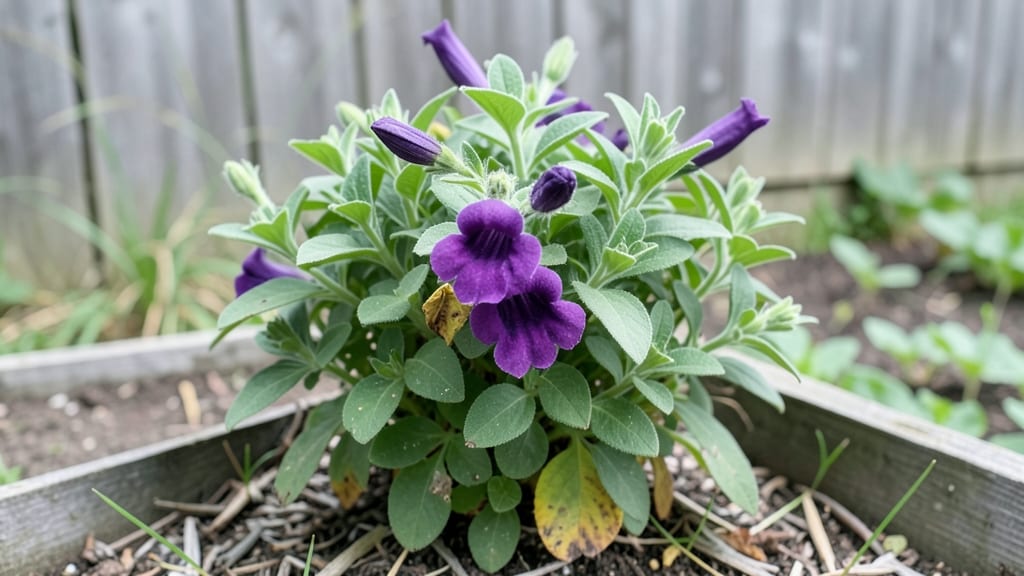
Growing angel bell flowers in the Pacific Northwest means year-round hummingbird traffic and cascading blooms that last from spring through frost. 🌿 I’ve watched these delicate Lobelia erinus plants transform my garden into a hummingbird highway, with their tiny trumpet-shaped flowers drawing in pollinators like magnets.
The secret lies in their love for cool, moist air—perfect for our region’s climate.
You’ll need partial shade to protect their tender foliage, well-draining soil that stays consistently moist, and containers or garden beds with good airflow. Angel bell flowers thrive in hanging baskets or window boxes, where their trailing habit creates a stunning waterfall effect.
Most gardeners start with cuttings for faster results, but seeds work too if you’re patient.
With the right care, you’ll enjoy continuous blooms in shades of blue, pink, and white, all while hummingbirds hover just inches from your fingertips. The key is regular watering, gentle pruning to encourage bushiness, and fertilizing lightly every few weeks.
Even in our damp climate, they rarely need pesticides—just the occasional check for slugs.
Whether you’re filling a balcony basket or edging a garden bed, these flowers bring color and life to every season. The best part? They’re just as happy in containers as they are in the ground, making them the ultimate low-maintenance star for any Pacific Northwest garden.
📚 In This Guide
- What you need
- Instructions
- Tips and common mistakes
- Wrapping up and next steps
What you need
- ● Seeds or nursery-grown plants: 3–5 angel bell flower seeds (or 1–2 young plants for faster results). Look for organic or locally sourced seeds for best adaptation.
- ● Well-draining potting mix: 2–3 gallons (for containers) or enrich your garden soil with compost (aim for a 50/50 mix of native soil and compost).
- ● Container or garden bed: Containers: 1–2 gallon pots with drainage holes (3+ inches deep). Terracotta or fabric pots work best.
- ● Garden beds: A sunny, sheltered spot with partial shade (morning sun, afternoon shade) and moist, well-draining soil.
- ● Slow-release fertilizer: A balanced, organic option (e.g., 10-10-10 or fish emulsion) to promote healthy growth.
- ● Mulch: 1–2 inches of organic mulch (e.g., wood chips or straw) to retain moisture and suppress weeds.
- ● Basic gardening tools: Trowel or small shovel
- ○ Gloves (optional but recommended)
- ● Watering can or hose with a gentle spray nozzle
- ○ Pruning shears: For trimming dead or overgrown stems (optional but helpful for maintenance).
- ○ Hummingbird feeder (optional): If you want to attract hummingbirds faster, place a feeder nearby with a 1:4 sugar-water ratio (no dye!).
- ● Patience & a sunny spot! 🌞 Angel bell flowers thrive in USDA Zones 5–9 and may take 1–2 years to fully bloom.
Step-by-step instructions for cultivating angel bell flowers
Here’s the foolproof method I’ve perfected for growing these Pacific Northwest hummingbird magnets—vibrant, resilient, and blooming reliably year-round.
🌱 Step 1: Select the Perfect Planting Location
Angel bell flowers (Ursinia anthemoides) thrive in full sun to partial shade, but in the Pacific Northwest’s cooler climate, they’ll reward you with the most blooms in at least 6 hours of direct sunlight daily. Choose a spot with well-draining soil—they hate soggy roots. I always test drainage by digging a hole, filling it with water, and checking if it drains within 30 minutes. If not, amend the soil with coarse sand or perlite to improve airflow.
These plants are drought-tolerant once established, but they’ll bloom most prolifically in loamy, slightly sandy soil with a pH between 6.0 and 7.0. If your soil is heavy clay, mix in 2-3 inches of compost to loosen it before planting. The key is mimicking their natural habitat in South Africa—bright, airy, and never waterlogged.
🪴 Step 2: Plant at the Right Time and Depth
In the Pacific Northwest’s mild climate, you can plant angel bell flowers anytime from early spring to late summer, but for the most robust growth, aim for late spring after the last frost (around mid-April to early May). Space plants 12-18 inches apart—they spread slowly but steadily, and crowding leads to leggy stems and fewer blooms.
Dig a hole twice as wide as the root ball but only as deep as the container’s base. Gently remove the plant from its pot and loosen any circling roots with your fingers. Place it in the hole so the top of the root ball sits level with the surrounding soil. Press the soil lightly around the roots to eliminate air pockets, then water deeply to settle everything. You’ll know you’ve done it right when the soil surface looks slightly concave around the base—this helps water pool where it’s needed.
☀️ Step 3: Water Strategically for Blooms and Resilience
Angel bell flowers are drought-tolerant once established, but they need consistent moisture during their first growing season to develop strong roots. Water deeply once a week (about 1 gallon per plant) until the soil is 6 inches deep and evenly moist. You’ll see the perfect moisture level when the top 2 inches of soil feel dry to the touch but the soil below stays damp. Overwatering is the fastest way to invite fungal diseases like powdery mildew—these plants despise wet foliage.
After the first year, reduce watering to every 10-14 days unless you’re in an extended heatwave. Mulch with 2-3 inches of organic mulch (like shredded bark or straw) to retain moisture and regulate soil temperature. The mulch should just cover the soil surface—never pile it against the stems. This simple step keeps roots cool in summer and insulated in winter, which is why these plants bloom so reliably in the PNW’s unpredictable climate.
✂️ Step 4: Prune for Continuous Blooms and Shape
Here’s the secret to nonstop blooms: deadhead spent flowers regularly. As soon as a bloom fades, pinch it off with your fingers or snip it with clean pruners just above the next set of leaves. This encourages the plant to redirect its energy into producing new buds instead of seed heads. I do this every 2-3 days during peak bloom season (late spring to early fall), and my plants reward me with weeks of continuous color.
In late fall or early winter, give your angel bell flowers a light pruning to tidy up any leggy growth. Cut back stems by one-third to encourage bushier, more compact growth in the spring. Avoid heavy pruning—these plants are resilient but not aggressive regrowers. The goal is to shape, not shear. You’ll notice new growth emerging from the base within 2-3 weeks of pruning, signaling that the plant is ready to burst into bloom again.
🌿 Step 5: Overwinter for Year-Round Beauty
The Pacific Northwest’s mild winters are perfect for angel bell flowers—they’re hardy to USDA Zone 7, meaning they’ll survive (and often bloom) through winter with minimal care. Once temperatures drop below 40°F at night, reduce watering to once every 3-4 weeks unless the soil is bone-dry. The plants enter a dormant but not dead state, conserving energy for spring.
In late winter (around February), fertilize lightly with a balanced, slow-release fertilizer (like 10-10-10) to kickstart new growth. You’ll see the first signs of life as tiny green buds emerge from the base of the plant. This is your cue to resume regular watering and watch as the plant transforms from a winter-brown skeleton into a spring explosion of color. With this approach, you’ll enjoy hummingbird visits from spring through fall—and sometimes even winter in the PNW’s mildest microclimates.
Tips & tricks for cultivating thriving angel bell flowers
These game-changing tips will help you transform your Pacific Northwest garden into a hummingbird haven with vibrant, year-round blooms.
Sunlight Strategy: While angel bell flowers tolerate partial shade, they'll reward you with the most spectacular blooms when positioned to receive at least 6 hours of direct sunlight daily. In the PNW's cooler climate, I recommend placing them in the morning sun with afternoon shade—this prevents heat stress while maximizing light exposure. If your garden only offers partial shade, consider container growing where you can move plants to sunnier spots during peak sunlight hours.
Drainage is Non-Negotiable: The 30-minute drainage test in Step 1 is crucial—angel bell flowers despise soggy roots, which can lead to root rot. For heavy clay soils, I've found that mixing in equal parts coarse sand and perlite creates the perfect airy environment. Pro tip: Add a 2-inch layer of gravel at the bottom of planting holes in containers to create a natural drainage layer that lasts for years.
Pruning Precision: When deadheading every 2-3 days during peak bloom season, use clean pruners and cut just above the next set of leaves to encourage bushier growth. I've noticed that plants deadheaded with fingers often develop more compact stems, while pruners give slightly cleaner cuts. For winter pruning, avoid cutting into old wood—focus on removing only the leggy growth that emerged last season. This targeted approach prevents shocking the plant while still encouraging spring regrowth.
Winter Care Hack: The PNW's mild winters make angel bell flowers surprisingly resilient, but there's one trick I've perfected: In early December, I apply a 2-inch layer of straw mulch around the base (keeping it away from stems) and cover the entire plant with a lightweight frost blanket during cold snaps. This simple step protects against temperature fluctuations that can stress the plants, ensuring they wake up ready to bloom in February.
Pro Tips for Angel Bell Flower
- These game-changing tips will help you transform your Pacific Northwest garden into a hummingbird haven with vibrant, year-round blooms.
- Sunlight Strategy: While angel bell flowers tolerate partial shade, they'll reward you with the most spectacular blooms when positioned to receive at least 6 hours of direct sunlight daily.
- Drainage is Non-Negotiable: The 30-minute drainage test in Step 1 is crucial—angel bell flowers despise soggy roots, which can lead to root rot.
Frequently asked questions
Got questions about growing angel bell flower (Emmenanthe penduliflora) in the Pacific Northwest? You’re not alone! Here are answers to the most common questions from gardeners eager to attract hummingbirds year-round.
Is angel bell flower easy to grow for beginners?
The good news is, yes! This native PNW beauty thrives in partial shade and moist, well-draining soil—similar to ferns or rhododendrons. Just avoid soggy roots (), and it’ll reward you with vibrant blooms from spring to fall. Start with nursery-grown plants to skip the slow seed-germination process.
How long does it take for angel bell flower to bloom after planting?
Patience pays off! If you plant a mature specimen (1-gallon size or larger), expect blooms the first year. Smaller starts may take 1–2 seasons to establish. Pro tip: Pinch back leggy growth in early summer to encourage bushier, flower-packed stems!
Why aren’t hummingbirds visiting my angel bell flowers?
Hummingbirds love this flower, but a few tweaks might help:
- Location: Plant near sunny edges (they spot flowers from above).
- Water: Keep soil consistently moist—they’re drawn to active nectar production.
- Alternatives: Add salal berries or red-flowering currants nearby for extra appeal.
Can I grow angel bell flower in containers?
Choose a 15+ gallon pot with drainage holes and a fast-draining mix (add perlite or orchid bark). Place in morning sun/afternoon shade to prevent stress. Container tip: Fertilize lightly with fish emulsion in spring for extra vigor.
Does angel bell flower survive PNW winters?
Yes! This hardy plant tolerates USDA Zones 5–9 and keeps foliage through mild winters. In harsh freezes (below 10°F), mulch heavily with wood chips or pine needles to protect roots. Prune back dead stems in early spring—new growth will emerge fast!
What can I plant with angel bell flower for a low-maintenance border?
Pair it with shade-tolerant PNW natives like:
- Sword fern (Polystichum) – Lush, evergreen backdrop.
- Oregon grape (Mahonia) – Spring blooms + berries.
- Salmonberry (Rubus spectabilis) – Bright foliage and fruit.
- Western azalea (Rhododendron) – Early-season color.
Wrapping up and next steps
The angel bell flower isn’t just a stunning addition to your Pacific Northwest garden—it’s a hummingbird magnet that brings joy year-round! With the right care, this resilient beauty thrives in your climate, rewarding you with vibrant blooms and wildlife visits.
Whether you’re a seasoned gardener or just starting, the key is patience, proper placement, and a little love.
Ready to transform your garden into a hummingbird haven? Start by gathering your supplies, then plant your angel bell flower with confidence. Watch as it grows into a thriving centerpiece—your garden (and local pollinators) will thank you! 🌸✨