
Flowers
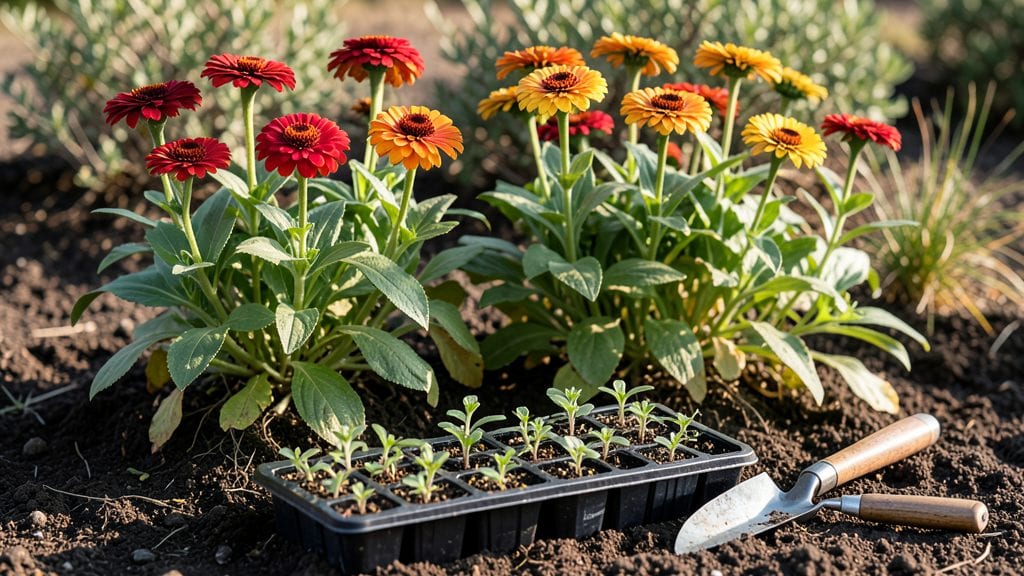
Annual flower bed plans that actually work—no gardening degree required. ✨ I’ve designed flower beds that bloom from May through October with just five hours of setup and one weekly watering routine, and I’ll show you how to do it too.
The key isn’t picking fancy plants; it’s matching sun exposure, water needs, and bloom times so everything thrives together without fighting for resources.
Start with a simple layout: divide your bed into three zones—tall back plants (like snapdragons), mid-height fillers (petunias or marigolds), and spiller plants (like lobelia) that cascade over edges. This creates instant depth and hides any messy soil.
Most annuals need 6-8 hours of sun, but I’ll show you how to stretch that to 4 hours with the right shade-tolerant picks.
By the end, you’ll have a bed that looks like a pro designed it—bold colors that shift with the seasons (cool blues in spring, fiery reds in summer) and minimal gaps between blooms.
No dead zones, no wilting drama, just nonstop color that keeps neighbors stopping to ask for your secret. Ready to skip the guesswork?
This works for any size bed, from a 4-foot-wide border to a 10-foot-long garden. We’ll cover mulch choices, plant spacing, and how to stagger planting so you’re never left with bare spots. Let’s make your flower bed the envy of the neighborhood—without the fuss.
📚 In This Guide
- What you need
- Instructions
- Tips and common mistakes
- Wrapping up and next steps
What you need
- ● Annual flowers: Choose 3–5 varieties (e.g., petunias, marigolds, zinnias, impatiens, or coleus) for color variety. Aim for 10–15 plants per square foot of bed space.
- ● Potting soil: 1–2 cubic yards (depending on bed size) of high-quality, well-draining garden soil or a 50/50 mix of potting soil and compost.
- ● Mulch: 2–3 inches of organic mulch (e.g., shredded bark or straw) to retain moisture and suppress weeds.
- ● Slow-release fertilizer: A 10–10–10 or 14–14–14 blend (follow package rates for application).
- ● Garden gloves (to protect your hands from thorns and dirt).
- ● Hand trowel or transplant spade (for digging small holes).
- ● Garden hose with nozzle (for watering—aim for 1 inch of water per week).
- ● Pruners (for trimming dead blooms and shaping plants).
- ● Measuring tape (to plan spacing and bed dimensions).
- ○ Optional but helpful: A wheelbarrow (for hauling soil and mulch).
- ● A knee pad (for comfort during planting).
- ● A spray bottle (for misting seedlings if starting from seed).
- ● Sunlight assessment: Know your bed’s sun exposure (full sun, partial shade, or full shade) to pick the right flowers.
- ● Bed preparation: Clear weeds, rocks, or debris. Loosen soil to a depth of 6–12 inches for easy root growth.
- ● Water source nearby: Ensure your hose or irrigation system can reach the bed.
- ● Planting schedule: Start with hardy annuals (like marigolds or snapdragons) 4–6 weeks before the last frost, then add heat-lovers (e.g., petunias) after frost.
Step-by-Step instructions for designing a zero-fuss annual flower bed
Here’s how I create a vibrant, low-maintenance flower bed that blooms from spring to frost.
🌱 Step 1: Choose a Sun Exposure and Soil Foundation
First, assess your bed’s sunlight: full sun (6+ hours) suits sunflowers, zinnias, and marigolds, while partial shade (3-6 hours) works for impatiens and begonias. I always test for 24 hours before planting—mark the sunniest and shadiest spots with stakes. For soil, till in 2-3 inches of compost to loosen the top layer and improve drainage. Compacted soil leads to root rot, so break up clumps with a garden fork until the mix feels fluffy like crumbled cake.
Test your soil’s moisture by squeezing a handful—if it holds a shape but crumbles when pressed, it’s perfect. If it sticks together, amend with sand or perlite to improve aeration. I avoid heavy clay beds unless I’m planting shade-loving annuals like ferns or astilbes, which tolerate moisture better. For most annuals, aim for soil that drains within 15-30 minutes after watering.
🪴 Step 2: Plan Your Planting Layout for Season-Long Color
Group plants by height and bloom time to create a layered effect. Start with tall back-row plants like sunflowers or snapdragons (18-36 inches tall), then add mid-height fillers like petunias or salvia (12-24 inches), and finish with short front-row plants like alyssum or lobelia (6-12 inches). I sketch a rough map on graph paper, using squares to represent mature plant sizes—this prevents overcrowding and ensures no plant gets shaded out.
For continuous blooms, mix early-season plants like pansies or sweet alyssum with mid-season favorites like zinnias and late-season performers like cosmos. I stagger planting dates by 2-3 weeks—start with cool-season annuals in early spring, then transition to heat-lovers like lantana or portulaca in late spring. This ensures your bed never looks bare.
☀️ Step 3: Plant with Proper Spacing and Mulch
Follow the spacing guidelines on seed packets or plant tags—crowding leads to weak stems and disease. For example, marigolds need 12 inches apart, while alyssum thrives at 6 inches. Dig holes twice as wide as the root ball and just as deep—burying stems too deep suffocates plants, while planting too shallow exposes roots to heat. Gently loosen roots before placing them in soil to encourage spreading.
After planting, spread 2-3 inches of mulch (I use shredded bark or straw) over the bed, leaving a 2-inch gap around stems to prevent rot. Mulch conserves moisture, suppresses weeds, and regulates soil temperature. Water deeply right after planting—1 inch of water per week—to settle the soil and encourage root growth. Avoid overhead watering, which can spread fungal diseases like powdery mildew.
✂️ Step 4: Maintain with Minimal Effort
Deadhead spent blooms weekly to encourage more flowers—simply pinch off faded blossoms with your fingers or snip with clean scissors. I set a timer every Sunday to spend 10 minutes on this task; it keeps plants looking fresh and prolongs the blooming season. Fertilize lightly every 4-6 weeks with a balanced, water-soluble fertilizer (10-10-10) diluted to half strength. Over-fertilizing leads to lush foliage but fewer flowers.
Watch for pests like aphids or spider mites—spray off infestations with a soapy water solution (1 tablespoon mild dish soap per gallon of water). I avoid chemical pesticides, as they harm beneficial insects. If leaves yellow, check for overwatering or nutrient deficiencies. Most annuals thrive with consistent moisture, not soggy soil—stick your finger 1 inch into the soil; if it’s dry, water again.
Tips & tricks for perfect annual flower bed design
A few simple strategies will help you create a stunning, low-maintenance flower bed that thrives all season long.
Sunlight Testing: The 24-hour sunlight test in Step 1 is non-negotiable. I use small wooden stakes to mark the sunniest and shadiest spots—this helps me visualize the bed's microclimates. If your area gets partial shade, consider shade-tolerant annuals like impatiens or coleus for those spots. For full sun areas, marigolds and zinnias will reward you with vibrant blooms all season.
Soil Preparation Pro Tip: When tilling in the 2-3 inches of compost, don't just scratch it in—really work it into the top 6-8 inches of soil. This creates a looser, more fertile root zone that annuals will love. For heavy clay soils, add 10% sand or perlite by volume to improve drainage. I always do a quick soil moisture test by squeezing a handful—if it holds a shape but crumbles when pressed, it's perfect for most annuals.
Planting Layout Secret: That graph paper sketch in Step 2 is my secret weapon. I use different colored pencils to represent each height category—tall back-row plants in blue, mid-height fillers in green, and short front-row plants in yellow. This visual helps me avoid overcrowding and ensures every plant gets the light it needs. Pro tip: Leave at least 6 inches of space between the front row and your garden path to prevent trampling.
Mulch Matters: The 2-3 inches of mulch in Step 3 isn't just for looks—it's a game-changer. I use shredded bark because it breaks down slowly and improves soil structure over time. The 2-inch gap around stems prevents rot while still keeping weeds at bay. For extra weed suppression, consider using landscape fabric under your mulch, especially in high-traffic areas.
Pro Tips for Annual Flower Bed Plans
- A few simple strategies will help you create a stunning, low-maintenance flower bed that thrives all season long.
- Sunlight Testing: The 24-hour sunlight test in Step 1 is non-negotiable.
- Soil Preparation Pro Tip: When tilling in the 2-3 inches of compost, don't just scratch it in—really work it into the top 6-8 inches of soil.
Frequently asked questions
Got questions about planning your dream annual flower bed? You’re not alone! Here are answers to the most common queries to help you create a stunning, low-maintenance display that blooms all season long.
What’s the best time of year to plant annual flower beds?
For most regions, spring (after the last frost) is ideal—typically late April to early June. However, fall planting (6-8 weeks before your first frost) works too, especially for cool-season annuals like pansies or snapdragons. Check your local frost dates to time it right!
How often should I water my annual flower bed?
Water deeply 2-3 times per week in the first month, then taper to 1-2 times weekly once established (adjust for heatwaves or drought). Aim for 1 inch of water per week, and water at the base of plants in the morning to reduce evaporation and fungal risks.
Can I mix perennials with annuals in the same bed?
Pairing perennials (like coneflowers or daylilies) with annuals creates a low-maintenance, long-lasting bed. Choose perennials with similar sun/water needs and place them at the back or center of the bed, leaving edges for annuals that’ll need occasional updates.
How do I keep pests and diseases away from my annuals?
Prevent issues with healthy spacing (3-6 inches between plants), mulch (2-3 inches of shredded bark or straw), and regular inspections. For pests, try neem oil or insecticidal soap; for fungal diseases, avoid overhead watering and remove affected leaves immediately.
What if my flower bed looks sparse mid-season?
Don’t panic! Deadhead spent blooms to encourage new growth, and add “filler” annuals like sweet alyssum or calibrachoa for instant color. If gaps are large, transplant seedlings (like marigolds or zinnias) into bare spots—they’ll fill in fast!
Wrapping up and next steps
Creating a stunning, low-maintenance annual flower bed is easier than you think—with the right plan, you’ll enjoy vibrant blooms all season long! 🌸 Whether you’re a gardening newbie or a seasoned pro, these zero-fuss designs let you sit back and soak in the beauty while nature does the heavy lifting.
Start small, experiment with colors, and don’t forget to repurpose last year’s leftovers—every stem counts!
Ready to transform your space? Grab your gloves, pick a theme, and get planting! 🌱 Your future self (and your pollinators) will thank you.