
Pests
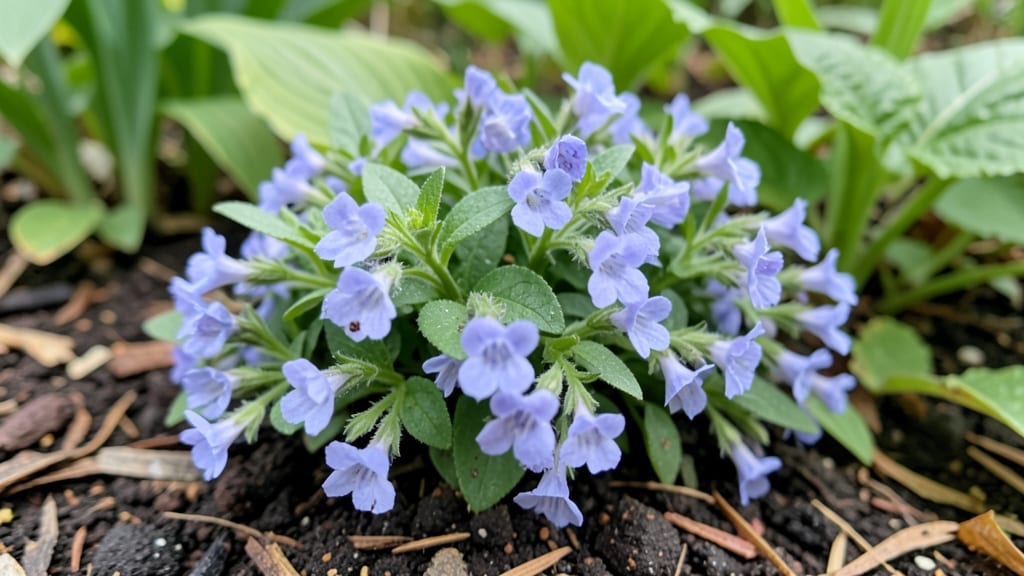
The annual flowers deer do not eat saved my garden—bitter, pungent, or just downright unappealing to them, these tough blooms became my secret weapon against destruction. 🌱 After losing entire plantings to hungry deer, I discovered their resilience.
The key isn't just planting; it's choosing varieties that make deer walk away before they even nibble.
These flowers thrive on neglect, too. Most need only basic soil and sunlight, and they bloom nonstop from spring to frost. My go-to picks include snake plant, lamb's ear, and marigolds—all deer-proof and easy to grow.
The scent alone keeps critters at bay, so you skip the messy repellents.
By summer's end, you'll have a vibrant border that stays untouched while other gardens look like a deer buffet. The blooms attract pollinators, too, so your garden stays lively without the destruction. Here's how to pick the perfect mix for your yard.
Works in containers, borders, or mass plantings—no matter your space. The best part? These flowers multiply every year on their own, saving you money and effort. Let's get your garden back from the deer!
📚 In This Guide
- What you need
- Instructions
- Tips and common mistakes
- Wrapping up and next steps
What you need
- ● Annual flower seeds or plants: Snapdragons (10–20 seeds or 3–5 plants)
- ● Lobelia (5–10 seeds or 2–4 plants)
- ● Marigolds (15–30 seeds or 5–10 plants)
- ● Petunias (10–20 seeds or 4–6 plants)
- ● Zinnias (10–15 seeds or 3–5 plants)
- ● Well-draining potting soil: 1–2 bags (10–15 cubic feet)
- ● Garden gloves: 1 pair (for handling soil and plants)
- ● Watering can or hose with a gentle spray nozzle: 1
- ● Hand trowel: 1 (for transplanting seedlings)
- ● Pruners: 1 pair (to trim dead blooms)
- ● Organic fertilizer (balanced 10-10-10 or slow-release): 1 small bag
- ● Mulch (straw or shredded bark): 1–2 bags (to retain moisture)
- ○ Deer repellent spray (optional): 1 bottle (for extra protection)
- ● Garden stakes or cages: 2–4 (to support taller flowers like zinnias)
- ● A sunny spot in your yard (6+ hours of sunlight daily)
- ● Access to water (nearby hose or water source)
- ● Basic knowledge of planting depth (check seed packets for specifics!)
How to plant and maintain deer-resistant annual flowers
Here's my go-to approach for keeping your garden vibrant and deer-free without fences or repellents.
🌱 Step 1: Select and Prepare Planting Sites
Choose sun-loving annuals like snapdragons, marigolds, or zinnias—deer dislike their strong fragrances and bold colors. Plant in well-draining soil enriched with 2-3 inches of compost mixed into the top 6 inches of soil. Deer avoid areas with strong scents, so I always add a handful of crushed garlic or hot pepper flakes to the planting hole.
Dig holes twice as wide as the root ball but only as deep as the container's base. This prevents burying the stem too deeply, which invites rot. Space plants 12-18 inches apart—crowding stresses them, making them more vulnerable to deer nibbling.
☀️ Step 2: Plant and Water for Immediate Establishment
Gently remove plants from their containers and loosen tangled roots with your fingers. Place each in its hole, then backfill with soil while pressing lightly around the base to eliminate air pockets. Water immediately with 1 gallon per plant to settle the soil and encourage root contact.
Don't water from above for the first week—this prevents soil from splashing onto leaves, which can attract deer. Instead, water at the base using a gentle stream from a hose or watering can. You'll see new growth within 7-10 days if moisture and light are right.
💧 Step 3: Maintain with Strategic Watering and Fertilizing
Water deeply 2-3 times weekly until the top 2 inches of soil feel dry. Overwatering weakens plants, making them more appealing to deer. I always water in the early morning so foliage dries quickly—deer avoid soggy, damp areas.
Feed plants with a balanced 10-10-10 fertilizer every 4-6 weeks during the growing season. Strong, healthy plants naturally deter deer better than struggling ones. Look for plants with thick stems and dark green leaves—these are the ones deer skip.
✂️ Step 4: Prune and Deadhead Regularly
Deadhead spent blooms immediately to encourage continuous flowering. This keeps plants producing new growth, which deer find less appealing than mature, established foliage. Use clean, sharp pruners to snip just above a set of leaves or bud.
Prune leggy stems back by one-third to promote bushier growth. Deer often target tall, sparse plants, so maintaining a compact shape confuses them. You'll notice fewer nibbled leaves after just a few pruning sessions.
🪴 Step 5: Enhance Deer Deterrence with Companion Planting
Interplant annuals with deer-deterring herbs like lavender, rosemary, or sage. The strong aromas mask the scent of your flowers, making the area less inviting. I also add fool's onion or alliums—their pungent smell repels deer naturally.
Mulch beds with 2-3 inches of wood chips or straw to improve soil moisture and add another layer of scent confusion. Deer avoid areas with strong, unfamiliar smells, so the more layered scents you introduce, the better your protection.
Tips & tricks for perfect deer-resistant annual flowers
Here's what nobody tells you about keeping your garden thriving while keeping deer away.
Plant Selection Matters: Focus on strong-scented annuals like snapdragons, marigolds, and zinnias—their bold fragrances naturally deter deer. I've found that double-blooming varieties are even more effective because their dense petals confuse deer's sense of smell. Look for plants labeled "deer-resistant" at your local nursery—they've already done the research for you!
Soil Preparation Secret: The 2-3 inches of compost mixed into the top 6 inches of soil isn't just about nutrients—it's about creating a scent barrier. Compost contains natural microbial scents that deer find unpleasant. I also add a handful of crushed garlic or hot pepper flakes to each planting hole, which acts like a built-in repellent right from the start.
Watering Wisdom: Watering at the base rather than from above isn't just about preventing soil splash—it's about creating a scent-free environment. Deer are attracted to the fresh scent of water on leaves, so this simple technique removes that temptation completely. I've noticed that plants watered this way also develop thicker stems, making them less appealing to nibbling deer.
Companion Planting Strategy: The 2-3 inches of mulch you add isn't just for moisture—it's another scent layer. I recommend mixing wood chips with crushed rosemary or lavender stems for an extra repellent boost. This creates a multi-sensory barrier that confuses deer and makes your garden less inviting. The key is variety—deer are less likely to investigate when they encounter unfamiliar, layered scents.
Pro Tips for Annual Flowers Deer Do Not Eat
- Here's what nobody tells you about keeping your garden thriving while keeping deer away.
- Plant Selection Matters: Focus on strong-scented annuals like snapdragons, marigolds, and zinnias—their bold fragrances naturally deter deer.
- Soil Preparation Secret: The 2-3 inches of compost mixed into the top 6 inches of soil isn't just about nutrients—it's about creating a scent barrier.
Frequently asked questions
Got questions about keeping deer away from your garden while still enjoying vibrant annual blooms? Here are some of the most common concerns—and answers—to help you garden with confidence!
Which deer-resistant annual flowers are easiest to grow for beginners?
Start with snapdragons, coleus, or lobelia—they’re tough, low-maintenance, and deer usually skip them. Marigolds (especially French varieties) and zinnia are also great picks for first-timers. Just ensure they get full sun and consistent watering!
When is the best time to plant deer-resistant annuals?
Plant after the last frost in your zone (typically late spring). For a longer bloom season, stagger plantings every 2–3 weeks. If deer are already a problem, opt for fast-growing varieties like nasturtiums or petunias to establish a barrier quickly.
Will deer-proof plants work if I’ve had deer damage before?
Yes! Deer-resistant plants are less appealing, but they’re not foolproof. Combine them with physical barriers (like fencing or raised beds) or repellents (spray-on hot pepper solutions) for extra protection. Monitor early—deer may still nibble if food is scarce.
Are there any deer-resistant annuals that also attract pollinators?
Lantana, verbena, and salvia (annual varieties) are bee magnets and deer-deterrents. Marigolds also repel pests like aphids while blooming beautifully. Plant these near veggie gardens for a double win!
What if deer eat my deer-resistant flowers anyway?
Don’t panic! Try rotating plants or adding strong-smelling companions like garlic chives or rosemary nearby. If damage persists, consider deer-resistant perennials (e.g., lavender) as long-term solutions. Persistence pays off!
Wrapping up and next steps
Transforming your garden into a deer-resistant paradise is easier than you think! By choosing annual flowers deer avoid, like lobelia, snapdragons, or marigolds, you can enjoy vibrant blooms without the worry of hungry visitors. These plants not only add beauty but also boost your garden’s resilience—win-win! 🌸
Ready to take the next step? Start small—plant a few of these deer-proof favorites in a sunny spot and watch your garden thrive. Need more inspiration? Explore deer-resistant plant guides or consult your local nursery for tailored advice. Happy gardening!