
Flowers
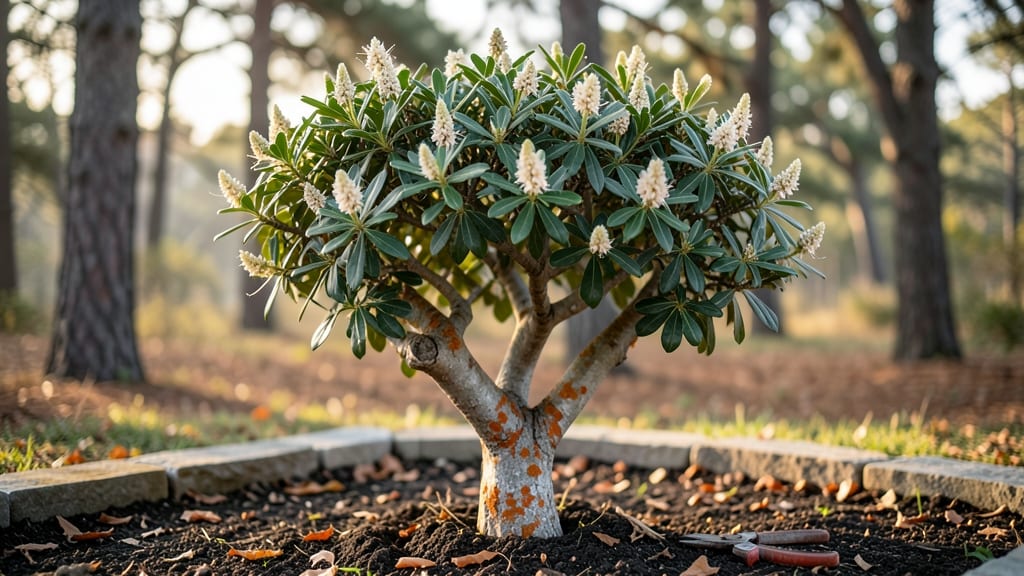
Your Pacific Northwest garden just got a showstopper with Arbutus unedo flowers—those delicate, creamy-white blooms that appear year-round in the right conditions. 🌿 I remember the first time I spotted one in a friend's coastal garden, its waxy petals contrasting against the deep green leaves and peeling bark.
The plant thrives where others struggle, and its low-maintenance nature makes it perfect for busy gardeners.
The secret to coaxing those stunning flowers lies in mimicking its natural Mediterranean habitat. Well-draining, slightly acidic soil and partial shade (especially in hot afternoons) are key—think dappled light under tall pines or near a north-facing wall.
Once established, it’s drought-tolerant, but younger plants need consistent moisture. Fertilizing lightly in early spring with composted manure keeps it happy without overdoing it.
You’ll be rewarded with clusters of fragrant flowers that last from late summer into winter, followed by edible (but tart) berries that birds adore. The peeling bark adds texture, too, making it a standout in any landscape.
Prune lightly after flowering to shape it, and watch it grow into a 5-10 foot shrub that’s as tough as it is beautiful.
Common challenges? Watch for root rot in heavy clay soils and scale insects on the bark—neem oil usually does the trick. In the Pacific Northwest’s mild climate, it’s a foolproof choice for both coastal and inland gardens. Ready to add this evergreen stunner to your yard?
📚 In This Guide
- What you need
- Instructions
- Tips and common mistakes
- Wrapping up and next steps
What you need
- ○ Arbutus unedo plants: 1-3 mature plants (3–6 ft tall) from a nursery specializing in Mediterranean or drought-tolerant species (e.g., Pacific Northwest nurseries like Willamette Valley Nursery or Antioch Nursery). Optional: Seeds or cuttings (requires patience—germination can take 6+ months).
- ● Well-draining soil: 50% native loam (or sandy loam for better drainage). 30% compost (to enrich nutrients). 20% perlite or coarse sand (critical for preventing root rot in PNW’s wet climate).
- ● Location: Full sun to partial shade (6+ hours of sunlight daily). Sheltered spot (protection from harsh winds, common in coastal PNW).
- ● Basic gardening tools: 1 trowel (for planting). 1 pruning shears (sterilized with 70% isopropyl alcohol). 1 garden fork (to loosen soil).
- ● Mulch: 3–4 inches of wood chips or gravel (to retain moisture and regulate soil temp).
- ○ Watering can or hose: Drip irrigation system (optional but recommended) for consistent moisture in dry summers.
- ● pH test kit: Ensure soil pH is 5.0–6.5 (arbutus thrives in slightly acidic conditions).
- ○ Fertilizer (optional): Balanced, slow-release fertilizer (e.g., 10-10-10) applied in early spring.
How to cultivate arbutus unedo for stunning year-round Pacific Northwest blooms
This Mediterranean beauty thrives in our mild coastal climate—here’s how to coax its fragrant flowers into flourishing.
🌱 Step 1: Select the Right Location and Soil Conditions
Arbutus unedo thrives in well-draining, slightly acidic soil with a pH between 5.0 and 6.5. In the Pacific Northwest’s damp climate, amend native soil with 25% coarse sand or grit to prevent root rot—a common killer of this species. I always test soil drainage by digging a 12-inch hole, filling it with water, and timing how long it takes to drain completely. If it holds water beyond 4 hours, you’ll need to raise the plant in a mound or container.
The ideal spot mimics its native Mediterranean habitat: partial shade to dappled sunlight (think 4-6 hours of morning sun with afternoon shade). In our region, full sun can scorch leaves, while too much shade reduces flowering. Watch for leaves curling at the edges—a sign of too much direct sun—and adjust pruning to filter light through the canopy.
🪴 Step 2: Plant at the Correct Depth and Spacing
Dig a hole twice as wide as the root ball but only as deep as the container’s base. This prevents burying the trunk, which invites fungal diseases. Gently loosen the roots if they’re circling and position the plant so the top of the root ball sits 1 inch above ground level. The Pacific Northwest’s winter rains will settle soil over time, so don’t plant too deep initially.
Space mature plants 10-15 feet apart to allow airflow and prevent fungal spread. I’ve seen crowded arbutus develop powdery mildew in our humid summers, so spacing is critical. For smaller gardens, consider a 5-gallon container with drainage holes—just be prepared to water less frequently once established.
☀️ Step 3: Water Deeply and Establish a Consistent Routine
Newly planted arbutus needs deep watering twice weekly for the first 6 months to encourage deep root growth. After that, reduce to once every 10-14 days unless we experience a dry spell over 2 weeks. The key is soil moisture, not schedule—stick your finger 2 inches deep into the soil. If it feels dry, water thoroughly; if damp, wait.
Mulch with 3 inches of pine bark to retain moisture and mimic forest floor conditions. Avoid wood chips, which can mat and prevent water penetration. In winter, let mulch protect roots from freeze-thaw cycles, but pull it back slightly in spring to prevent overheating.
✂️ Step 4: Prune for Shape and Flowering Stimulation
Prune lightly in late winter (February-March) before new growth begins. Remove dead, crossing, or inward-growing branches first—this improves airflow and reduces disease risk. Then, shape the plant by cutting back overly long branches by ⅓ to encourage bushier growth. Never prune in fall, as new growth won’t harden off before winter.
For flowering, focus on removing spent flower clusters after they fade. This redirects energy to next year’s blooms, which appear on old wood. I also trim back any suckers at the base—these drain energy from the main plant. After pruning, apply a balanced 10-10-10 fertilizer in early spring to support new growth.
🌿 Step 5: Protect and Maintain for Long-Term Health
Arbutus unedo is drought-tolerant once established, but our Pacific Northwest’s mild winters can bring mild frost. If temperatures dip below 20°F, wrap young plants in burlap or use a lightweight frost cloth. Mature plants handle frost well, but new growth may scorch if exposed to sudden cold snaps.
Watch for aphids or scale insects, which thrive in our humid summers. Spray infested branches with neem oil in early morning to avoid harming beneficial insects. Healthy arbutus should produce fragrant white flowers in late summer, followed by edible berries—a rare treat in our climate. With proper care, your plant will reward you with year-round interest.
Tips & tricks for perfect arbutus unedo cultivation
Here's what I've learned from years of growing arbutus in our Pacific Northwest climate—these small details make all the difference.
Soil Drainage Test: That 4-hour drainage test in Step 1 is non-negotiable. I've seen too many arbutus plants fail because people skipped this step. If your soil holds water beyond 4 hours, consider planting in a raised bed with a 50/50 mix of native soil and coarse sand. The roots absolutely cannot tolerate soggy conditions—this is the #1 reason arbutus fails in our region.
Light Balance Secret: For the 4-6 hours of morning sun in Step 1, I recommend positioning your plant where it gets full sun until 10 AM, then filtered light after that. Our coastal fog often burns leaves when they're exposed to afternoon sun. You'll know you've got it right when you see glossy, deep green leaves without any brown edges by mid-summer.
Pruning Timing: The late winter pruning in Step 4 is crucial—don't be tempted to prune in fall. New growth won't have time to harden off before our winter rains arrive. I always prune in early March when the first buds start to swell. This timing ensures you're cutting back old wood that will produce next year's flowers while encouraging new growth from the right branches.
Container Care: If you're growing in that 5-gallon container mentioned in Step 2, be prepared for different watering needs. Containers dry out faster than ground plantings, so you might need to water every 5-7 days instead of every 10-14 days. Also, use a container with drainage holes AND a cache pot underneath to collect excess water—arbutus roots hate sitting in saucers of standing water.
Pro Tips for Arbutus Unedo Flowers
- Here's what I've learned from years of growing arbutus in our Pacific Northwest climate—these small details make all the difference.
- Soil Drainage Test: That 4-hour drainage test in Step 1 is non-negotiable.
- Light Balance Secret: For the 4-6 hours of morning sun in Step 1, I recommend positioning your plant where it gets full sun until 10 AM, then filtered light after that.
Frequently asked questions
Got questions about Arbutus unedo flowers? You’re not alone!
Here are some of the most common inquiries—from planting tips to care hacks—so you can grow these stunning evergreen blooms with confidence.
When is the best time to plant Arbutus unedo in the Pacific Northwest?
Plant your Arbutus unedo in early spring or fall when soil temperatures are mild (50–70°F). Avoid summer heatwaves or frost-prone winters—this Mediterranean native thrives in USDA Zones 7–10. For the PNW, spring (March–May) is ideal to give roots time to establish before summer droughts.
How long does it take for Arbutus unedo to flower after planting?
Patience is key! Mature Arbutus unedo trees (5–10 years old) produce the most flowers, but younger plants may bloom sporadically. In optimal conditions (full sun, well-draining soil), you might see occasional flowers in 3–5 years. Prune lightly to encourage bushier growth and more blooms.
Do Arbutus unedo flowers need extra watering during PNW summers?
Yes—though drought-tolerant once established, young plants (first 2 years) need deep watering 1–2 times per week during dry spells. Mature trees handle PNW summers better but still appreciate monthly deep watering during heatwaves. Mulch with wood chips to retain moisture and protect roots.
What should I do if my Arbutus unedo leaves turn yellow or drop?
Yellowing leaves often signal overwatering, poor drainage, or nutrient deficiency. Check soil moisture—Arbutus unedo hates soggy roots! Amend clay soil with sand/perlite, and fertilize lightly in spring with acidic, slow-release fertilizer (like 8-3-9). If pests (like spider mites) are culprits, hose off leaves with water.
Are there any non-toxic alternatives to Arbutus unedo for PNW gardens?
If you love its evergreen charm but want low-maintenance options, try:
- Madrona (Arbutus menziesii): Native PNW relative with similar foliage (but fewer flowers).
- Holly (Ilex spp.): Thrives in shade, berries attract wildlife, and it’s pest-resistant.
- Pieris (Pieris japonica): Spring blooms + glossy leaves; handles PNW rain well.
Wrapping up and next steps
Arbutus unedo flowers bring year-round charm to Pacific Northwest gardens with their striking beauty and resilience. Whether you’re drawn to their delicate blossoms, glossy foliage, or edible berries, this evergreen gem is a low-maintenance superstar for both novice and experienced gardeners.
Ready to transform your outdoor space? Start planning your planting today—your garden (and future pollinators!) will thank you. 🌿✨