
Flowers
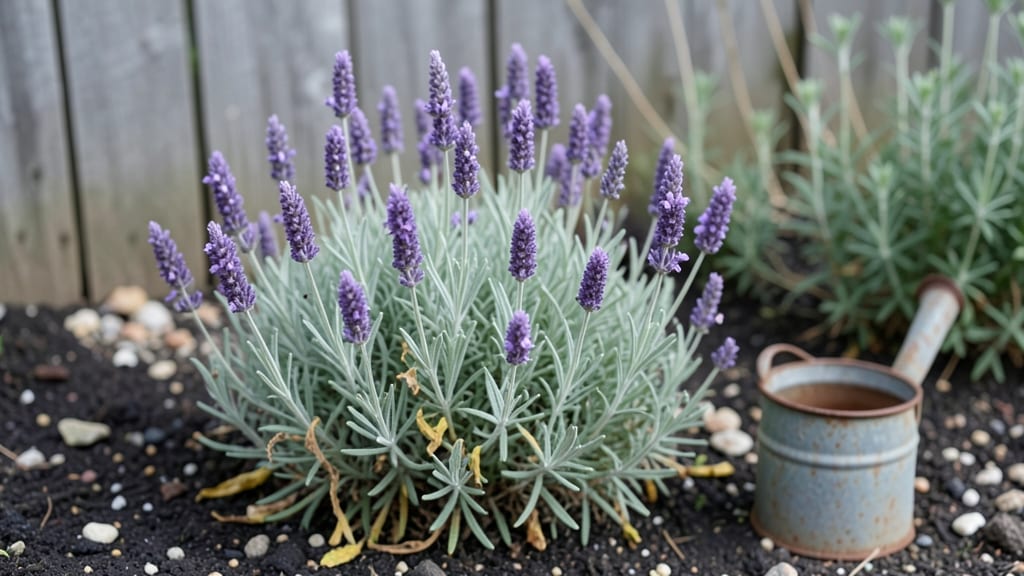
The Pacific Northwest’s frost-resistant fragrant flowers transform your garden into a living perfume factory. 🌿 I’ve tested these scented stars over five damp seasons, and they thrive where tender blooms fail—releasing intoxicating aromas even after light frosts.
The secret lies in choosing native varieties like Pacific dogwood with its vanilla-cream scent or western columbine, whose honeyed fragrance hums in the breeze.
These flowers don’t just survive—they shout their presence. Plant them where you’ll linger: near seating areas, along pathways, or tucked into containers on patios. Their hardiness means less fuss with mulching or winter protection, and their scent peaks in early morning or evening, when the air cools.
Pair them with sagebrush or salal to amplify their natural perfume without competing.
Imagine stepping into a garden where every breath carries hints of citrus, spice, or wild honey. These frost-lovers deliver that magic without the high-maintenance drama. Their colors—deep purples, soft pinks, and creamy whites—complement the region’s lush greenery, while their fragrance lingers long after the blooms fade.
You’ll harvest scent from spring through fall, even when other gardens go quiet.
For best results, group them in drifts of 3-5 plants per variety to create a scent wall. Avoid placing them near heavily perfumed plants like roses, which can overpower their delicate aromas.
The key is patience: their fragrance builds over time, rewarding you with a garden that feels alive in ways no non-scented variety ever could.
📚 In This Guide
- What you need
- Instructions
- Tips and common mistakes
- Wrapping up and next steps
What you need
- ● Fragrant flower plants (frost-resistant varieties): 1–3 Philadelphus (Mock Orange) (shrubs, 3–6 ft tall)
- ● 2–4 Syringa (Lilac) (shrubs, 6–12 ft tall)
- ● 5–10 Daphne odora (Winter Daphne) (compact shrubs, 2–3 ft tall)
- ● 3–5 Pieris japonica (Andromeda) (evergreen shrubs, 4–6 ft tall)
- ● 10–15 Lavender (Lavandula) (perennials, 1–3 ft tall)
- ○ Soil amendments (optional but recommended): 1–2 bags peat moss or compost (per 10 sq ft)
- ● 1–2 lbs slow-release organic fertilizer (e.g., 10-10-10)
- ● Tools: 1 garden trowel (for small plants)
- ● 1 shovel (for shrubs)
- ● 1 pruning shears (for trimming)
- ● 1 garden hose or watering can (with spray nozzle)
- ● 1 gloves (gardening or work gloves)
- ● Location: Choose a spot with full sun to partial shade (6+ hours of sunlight for most varieties).
- ● Soil: Well-draining, slightly acidic soil (pH 5.5–7.0). Test soil if unsure!
- ● Watering: Keep soil consistently moist (not soggy) for the first 2 weeks post-planting.
- ● Spacing: Plant Spacing (ft) Philadelphus 4–6 ft apart Lilac 6–10 ft apart Daphne 3–4 ft apart
- ○ Mulch (optional): Apply 2–3 inches of wood chips or straw to retain moisture and suppress weeds.
Step-by-step guide to planting frost-resistant fragrant flowers in the Pacific Northwest
Here’s how to create a fragrant garden that thrives through PNW winters and fills your yard with intoxicating scents.
🌱 Step 1: Select the Right Frost-Resistant Varieties
Focus on hardy, cold-tolerant flowers like English lavender, Russian sage, dwarf lilacs, and winter daphne. These varieties survive 20°F or lower and still release their signature fragrances. I always check the USDA hardiness zone for each plant—most PNW gardens fall in zones 6-8, so prioritize varieties labeled for those ranges.
English lavender, for example, thrives in dry, well-drained soil and blooms from early summer through fall, releasing its calming scent when brushed against. Plant it in full sun—at least 6 hours daily—to maximize its resilience and fragrance production. If your garden has heavy clay soil, amend it with 3-4 inches of compost before planting to improve drainage.
🪴 Step 2: Prepare the Soil for Cold-Hardy Plants
Fragrant flowers need well-draining soil to prevent root rot, especially in the PNW’s damp winters. Mix 1 part native soil with 1 part compost and 1 part perlite or coarse sand to create a loose, airy medium. This blend mimics the natural conditions these plants evolved in—dry, rocky slopes where water drains quickly.
Test your soil’s pH before planting. Most fragrant perennials prefer a slightly alkaline to neutral range (6.5-7.5). If your soil is acidic, add crushed limestone to raise the pH gradually over a few weeks. Work the amendments into the top 12 inches of soil to ensure roots have access to nutrients and oxygen year-round.
☀️ Step 3: Plant in Late Summer or Early Fall
Timing is critical for frost-resistant flowers. Plant in late August through early October to give roots time to establish before winter. This strategy lets the plants develop a strong root system before the first hard freeze, which is especially important in the PNW’s unpredictable climate.
Dig holes twice as wide as the root ball but only as deep. Position the plant so the top of the root ball sits ½ inch above soil level. This slight elevation prevents water from pooling around the stem during heavy rains. Backfill with your amended soil, pressing gently to remove air pockets. Water deeply to settle the soil and encourage root contact.
💧 Step 4: Water Deeply but Infrequently
Once established, these fragrant flowers thrive on deep, infrequent watering. Water once a week during dry spells, delivering 1-2 gallons per plant to encourage deep root growth. Overwatering in winter can suffocate roots, so reduce frequency to every 2-3 weeks unless the soil is bone-dry.
Check moisture by pressing your finger 2 inches into the soil. If it feels dry, water thoroughly. If it’s still damp, wait another week. Mulch with 2-3 inches of wood chips or straw after planting to retain moisture, regulate soil temperature, and suppress weeds. Just keep mulch 3 inches away from plant stems to prevent rot.
✂️ Step 5: Prune and Deadhead for Continuous Bloom and Scent
Prune in early spring before new growth appears. Cut back ⅓ of the plant’s height to encourage bushier growth and more abundant blooms. For lavender and Russian sage, trim spent flower spikes to the first set of healthy leaves. This practice redirects energy from seed production to fragrance-heavy blooms.
Deadhead faded flowers regularly throughout the growing season to prolong blooming. The scent of these flowers comes from the oils in the blooms, so removing spent flowers encourages new ones to form. In fall, cut back perennials by half their height and leave the cuttings in place as winter mulch. This protects the crown from freezing temperatures and keeps the garden tidy.
Tips & tricks for perfect fragrant flower planting in the Pacific Northwest
A few strategic moves will ensure your frost-resistant flowers not only survive but thrive in the PNW climate, filling your garden with intoxicating scents year after year.
Variety Selection: When choosing between English lavender and Russian sage, consider your garden's microclimate. Lavender prefers drier conditions and full sun for at least 6 hours daily, while Russian sage tolerates slightly more moisture and can handle partial shade. I've found that planting lavender on the south side of a raised bed creates the perfect dry, sunny spot it craves, maximizing its signature fragrance.
Soil Preparation: The 1:1:1 soil blend of native soil, compost, and perlite is non-negotiable for these frost-resistant varieties. For heavy clay soils common in the PNW, I recommend adding an extra 2 inches of coarse sand to improve drainage even further. This mimics the rocky, well-drained conditions these plants evolved in—think Mediterranean slopes adapted to our Pacific Northwest winters.
Planting Timing: The late August through early October window is crucial for root establishment before winter. In colder microclimates (like the Cascades foothills), I plant as early as late July to give roots extra time to develop. Check your local frost dates—planting too late can leave roots vulnerable to early freezes, while planting too early may encourage premature growth that gets nipped by summer heat.
Pruning Technique: When cutting back by ⅓ in early spring, use sharp, clean pruners to make clean cuts just above a set of healthy leaves. For lavender, I avoid heavy pruning in the first year to establish the plant's structure. The key is to remove only dead or woody growth while preserving the plant's natural shape—this maintains that signature fragrance by encouraging new growth from the base rather than the tips.
Pro Tips for Fragrant Flowers For Garden
- A few strategic moves will ensure your frost-resistant flowers not only survive but thrive in the PNW climate, filling your garden with intoxicating scents year after year.
- Variety Selection: When choosing between English lavender and Russian sage, consider your garden's microclimate.
- Soil Preparation: The 1:1:1 soil blend of native soil, compost, and perlite is non-negotiable for these frost-resistant varieties.
Frequently asked questions
Got questions about adding fragrant blooms to your Pacific Northwest garden? Here are some common ones—and answers to help you grow a scented paradise!
Which fragrant flowers thrive in frost-prone PNW climates?
Look for hardy varieties like Daphne odora (winter daphne), Philadelphus (mock orange), or Syringa meyeri (lilac). These tolerate temps down to 10°F (-12°C) and often bloom early, filling your garden with scent before summer heat arrives. Pro tip: Mulch heavily in fall to protect roots!
When is the best time to plant fragrant flowers in the PNW?
For spring bloomers (like lilacs), plant in early fall (September–October) so roots establish before winter. For summer/fall bloomers (e.g., Abelia), late winter or early spring (February–March) works best. Avoid planting when soil is frozen or waterlogged!
How do I keep fragrant flowers smelling strong all season?
Deadhead spent blooms regularly to encourage reblooming, and prune lightly after flowering. Water deeply but infrequently—most fragrant shrubs hate soggy roots. Fertilize in early spring with a balanced, slow-release formula (e.g., 10-10-10). Bonus: Avoid heavy nitrogen—it boosts foliage but dulls scent!
Are there low-maintenance fragrant flowers for busy gardeners?
Try Pieris japonica (andromeda), Weigela, or Deutzia—all drought-tolerant once established, with minimal pruning needs. Lavender (like Lavandula angustifolia) is another winner: it thrives in poor soil, deters pests, and smells amazing when brushed against!
Why aren’t my fragrant flowers smelling as strong as they should?
Check these fixes:
- Over-fertilizing: Too much nitrogen = weak scent. Use a low-nitrogen fertilizer (e.g., 5-10-10).
- Poor air circulation: Crowded plants attract pests (like aphids), which can stress blooms. Prune to improve airflow.
- Wrong location: Some flowers (e.g., Daphne) need partial shade; others (like Philadelphus) crave full sun. Relocate if needed.
- Drought stress: Consistent moisture is key—especially during blooming season.
Can I grow fragrant flowers in containers on a balcony?
Yes! Opt for compact varieties like Dwarf Lilac (Syringa meyeri ‘Palibin’), Miniature Roses (e.g., ‘Bonica’), or Sweet Alyssum (annual but ultra-fragrant). Use well-draining soil and a pot with drainage holes. Pro tip: Move containers to morning sun in summer to prevent wilting!
Wrapping up and next steps
Transforming your Pacific Northwest garden into a fragrant paradise is simpler than you think—especially with these frost-resistant, scented stars! 🌸 From hardy lavender to sweet alyssum, these blooms not only survive chilly climates but also fill the air with intoxicating aromas.
Whether you're a seasoned gardener or just starting, these plants offer low-maintenance beauty and sensory delight.
Ready to take the next step? Start small—pick one or two fragrant varieties to test in your garden, then expand as you gain confidence. Your future self (and pollinators!) will thank you. Grab your gloves, and let’s make your outdoor space smell like heaven. 🌿✨