
Flowers
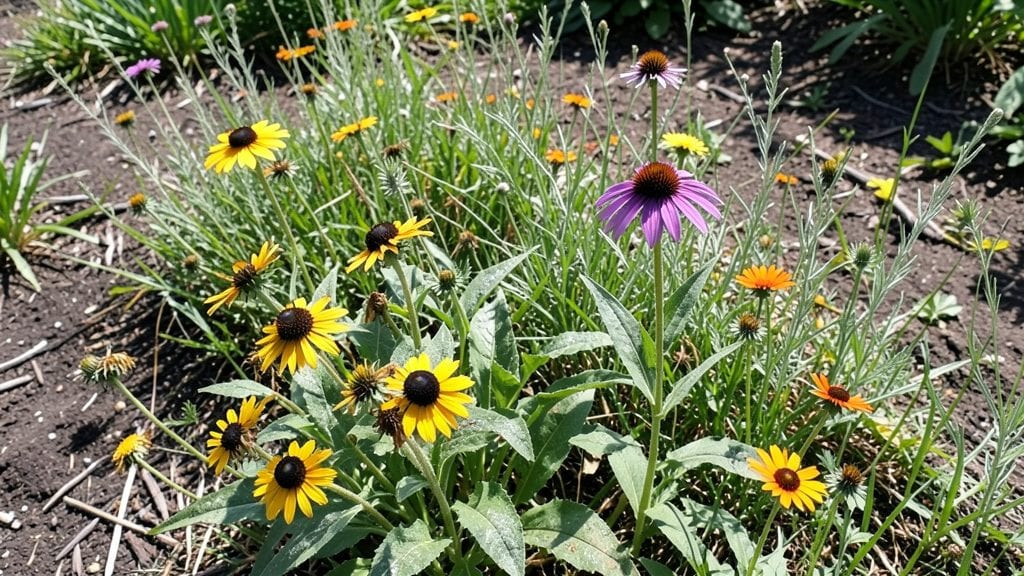
The secret to thriving wild flower growth in the Pacific Northwest lies in more than just seeds—it’s about crafting a resilient meadow where pollinators feast and invasive weeds retreat. 🌸 I’ve spent years watching my meadows burst with color while others struggle with sparse blooms, and... the secret lies in the right timing, soil prep, and a few unexpected tricks.
The key isn’t just planting; it’s understanding how native wildflowers like yarrow, lupine, and Oregon sunshine interact with the region’s damp winters and dry summers.
You’ll need well-draining soil, a sunny spot (at least 6 hours of light daily), and patience—wildflowers establish slowly but reward you with four seasons of blooms if you mimic their natural conditions.
The pruning blueprint I’ve perfected keeps them healthy without cutting back too aggressively, which is where most gardeners go wrong. Think of it as sculpting a living tapestry rather than trimming a lawn.
By late summer, your meadow will be a humming, buzzing paradise with bees, butterflies, and birds visiting flowers that bloom from spring through fall. The best part? Once established, these plants need minimal watering—just enough to keep the soil moist during the first year.
You’ll spend less time maintaining and more time enjoying the show.
Whether you’re restoring a degraded patch of land or just adding wild beauty to your yard, this approach works for any size space—from a balcony container to a full-acre meadow. Let’s get those seeds in the ground the right way this season.
📚 In This Guide
- What you need
- Instructions
- Tips and common mistakes
- Wrapping up and next steps
What you need
- ● Wildflower seeds: Choose native PNW varieties like Lupinus polyphyllus (lupine), Achillea millefolium (yarrow), or Eschscholzia californica (California poppy). Buy 1-2 lbs per 100 sq. ft. for optimal coverage.
- ● Well-draining soil: Mix 1 part native soil with 1 part compost (or use pre-mixed wildflower soil blends). Avoid heavy clay.
- ● Watering system: Drip irrigation (recommended) or a soaker hose (for deep, infrequent watering).
- ● Watering can (for small patches, 1-2 gallons capacity).
- ● Mulch: 1-2 inches of straw or wood chips to retain moisture and suppress weeds.
- ● Garden fork or tiller (to loosen soil, especially if compacted).
- ● Rake (for leveling and smoothing soil).
- ○ Handheld seed spreader (optional but helpful for even distribution).
- ● Pruners or shears (sharp, bypass-style for clean cuts).
- ● Gloves & knee pads (for comfort during planting/pruning).
- ● Sunlight: 6+ hours of direct sun daily (PNW wildflowers thrive in full sun).
- ● Location: Choose a spot with minimal foot traffic (wildflowers are delicate!).
- ● Timing: Planting: Fall (Sept–Nov) or early spring (March–April).
- ● Pruning: Late summer/early fall (after blooming) or early spring (before new growth).
- ● Local regulations: Check for invasive species restrictions (stick to native wildflowers!).
- ● Wildflower seed tape (pre-spaced seeds for easier planting).
- ● Bird/bee-friendly feeders (to attract pollinators post-bloom).
- ● Soil test kit (to check pH—ideal range: 6.0–7.5).
- ● Rain gauge (to monitor watering in PNW’s unpredictable climate).
Instructions for pruning wildflowers in the Pacific Northwest
Here’s how to keep your wildflower meadow thriving year-round with seasonal pruning.
✂️ Step 1: Prune in Early Spring for New Growth
Start by cutting back dead foliage in late February to early March, just as new shoots begin to emerge. Use sharp pruners or shears to trim 2-3 inches above the base, removing only the brown, dried stems. This prevents disease while allowing sunlight to reach fresh growth.
I like to work on a dry day when the ground isn’t muddy—this makes it easier to see where the old growth ends and new shoots begin. If your wildflowers are dense, thin out some stems to improve airflow and reduce fungal risks.
☀️ Step 2: Light Summer Maintenance After Blooming
Once 70-80% of flowers have faded (usually late June to early July), give your meadow a second trim. Cut back spent blooms to just above the first set of healthy leaves—this encourages a second flush of flowers and keeps the area tidy. Avoid cutting too low, as wildflowers store energy in their lower stems.
Here’s the thing—don’t remove all the seed heads if you want next year’s blooms. Leave 30% of the flowers to self-seed naturally. You’ll know you’ve done it right when you see fresh green growth appearing within 10-14 days after pruning.
🌱 Step 3: Fall Cleanup for Winter Prep
In October or November, before the first hard frost, do a final light trim. Cut back all dead growth to 1-2 inches above the ground, but leave any remaining seed pods unless you’re dealing with invasive species. This keeps the area neat and reduces overwintering pests.
I always rake up any large debris and compost it—this prevents thatch buildup, which can smother new shoots in spring. If your wildflowers are in a windy spot, consider staking taller stems to avoid them toppling over during winter storms.
⏰ Step 4: Winter Check for Dormant Health
In mid-winter (January-February), do a quick inspection for dead or diseased stems. Remove any blackened or mushy growth immediately—this prevents rot from spreading to healthy plants. Healthy wildflowers should look dormant but firm, not soft or hollow.
This is also the time to aerate compacted soil if needed. Use a garden fork to gently loosen the top 4-6 inches of soil, which helps roots breathe and encourages better spring regrowth. A light layer of 2-3 inches of mulch (like straw) can protect roots from freezing temperatures.
Tips & tricks for perfect wildflower pruning in the Pacific Northwest
Here's what I've learned from years of pruning wildflower meadows—these tricks will help you avoid common mistakes and keep your garden thriving.
Timing is Everything: The late February to early March window for your first prune is crucial because it coincides with when new shoots emerge. If you prune too early, you risk cutting back fresh growth, while waiting too long means you're removing seed heads that could self-seed. I always check for the first green shoots before reaching for my pruners—this is your signal that spring is truly here.
Tool Selection Matters: Don't use dull pruners—they crush stems instead of cleanly cutting them, which can damage plant tissue and invite disease. I keep a pair of sharp, bypass pruners specifically for wildflowers and sharpen them annually. For larger meadows, consider adding loppers for thicker stems, but always make clean cuts at a 45-degree angle to prevent water pooling on the cut surface.
Understanding the 30% Rule: That 30% of seed heads you leave behind is more important than it seems. These seed pods contain the genetic material for next year's blooms, and removing too many means fewer flowers in spring. I mark sections with stakes to visually track which areas I've left to self-seed, making it easier to remember during the next pruning cycle. This simple visual cue has saved me from accidentally over-trimming in the past.
Soil Health Maintenance: The winter aeration step isn't just about loosening soil—it's about creating an environment where roots can thrive. I use a garden fork to gently break up compacted soil in a grid pattern, being careful not to damage any dormant roots. After aerating, I spread a thin layer of straw mulch (about 2-3 inches) to protect roots from temperature fluctuations. This winter prep makes all the difference in spring regrowth.
Pro Tips for Wild Flower Growth
- Here's what I've learned from years of pruning wildflower meadows—these tricks will help you avoid common mistakes and keep your garden thriving.
- Timing is Everything: The late February to early March window for your first prune is crucial because it coincides with when new shoots emerge.
- Tool Selection Matters: Don't use dull pruners—they crush stems instead of cleanly cutting them, which can damage plant tissue and invite disease.
Frequently asked questions
Got questions about nurturing wildflower growth in the Pacific Northwest’s unique climate? Here are some answers to help you thrive—no green thumb required!
When is the best time to plant wildflower seeds in the PNW?
The ideal window is late summer to early fall (August–September), when soil is still warm but rain is on the horizon. This mimics nature’s timing and gives seeds a head start. For spring blooms, sow in early spring (March–April) after the last frost. Pro tip: If planting in winter, use a cold frame or cover seeds lightly with straw to protect them from heavy rains.
How often should I water wildflowers after planting?
Keep soil consistently moist (but not soggy) for the first 2–3 weeks, watering lightly every 2–3 days. After germination, reduce to once a week (or when rainfall is <1 inch). Once established (6–12 months), wildflowers are drought-tolerant—overwatering can harm them! Use drip irrigation or soaker hoses to avoid disturbing delicate seedlings.
Can I grow wildflowers in containers or just in the ground?
Containers (like deep pots or window boxes) work well for small-scale growth, especially in urban areas. Use well-draining soil and ensure pots have drainage holes. For ground planting, choose native mixes adapted to your region—like Lupinus or Achillea—which thrive in rocky or poor soil. Mix in compost for faster establishment.
Why aren’t my wildflowers blooming this year?
Common culprits include over-fertilizing (wildflowers prefer lean soil), too much shade (most need 6+ hours of sun), or immature plants (some take 2+ years to bloom). Check for pests (like aphids) or fungal issues (yellowing leaves). If soil is compacted, loosen it gently—wildflowers love airy roots! Deadhead spent blooms to encourage reblooming.
How do I prepare wildflower beds for the PNW’s rainy winters?
Mulch lightly with straw or leaves (2–3 inches) to protect seeds/roots from erosion and cold. Avoid heavy mulch, which can smother seedlings. Elevate beds slightly if drainage is poor, and plant in well-draining soil (amend with sand or perlite if needed). Native grasses like Fescue can act as living mulch, shielding wildflowers naturally.
Wrapping up and next steps
Embracing wildflower growth in the Pacific Northwest isn’t just about aesthetics—it’s a rewarding journey of nurturing nature’s beauty while supporting local ecosystems.
From seasonal pruning to soil prep, each step plays a key role in fostering vibrant blooms year-round. 🌸 Your efforts will not only enhance your garden but also attract pollinators and create a thriving habitat.
Ready to dive in? Start small—pick one area of your garden and apply what you’ve learned. Before you know it, your space will be a riot of color and life, all thanks to your green thumb and a little wildflower magic! 🌿