
Flowers
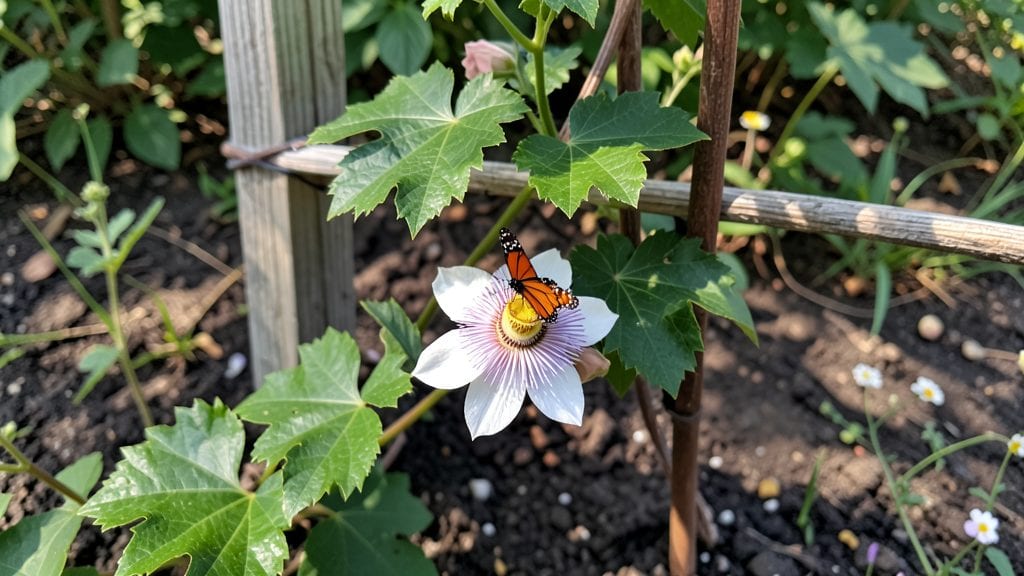
Butterfly-shaped flowers aren’t just pretty—they’re nature’s call to pollinators. 🌸 I fell for their delicate, wing-like petals years ago, and now my garden buzzes with bees, butterflies, and hummingbirds all season long.
These blooms do more than decorate; they transform a space into a thriving ecosystem where every visit feels like a celebration.
The secret lies in pairing the right plants—think butterfly pea’s sky-blue blooms with the bold purple of butterfly bush, or the soft pink of Mexican sunflower. Add in fragrant lavender for bees and milkweed for monarchs, and you’ve got a pollinator party.
The color palette? Let your imagination lead—just stick to soft pastels or vibrant contrasts for maximum impact.
What you’ll end up with is a garden that hums with life, where every petal seems to whisper, "Come closer." The air fills with the sweet scent of nectar, and the flutter of wings becomes the soundtrack of summer afternoons.
Even the soil feels alive underfoot, teeming with the tiny helpers that make these blooms possible.
This design works in containers, borders, or full sun meadows—adapt it to your space. The key is letting the flowers lead, not controlling them. Here’s how to weave them into your landscape without overthinking it.
📚 In This Guide
- What you need
- Instructions
- Tips and common mistakes
- Wrapping up and next steps
What you need
- ● Flower Seeds or Plants: Choose pollinator-friendly varieties like Lantana, Black-Eyed Susan, Milkweed, Coneflower, or Butterfly Bush (20–50 plants, depending on garden size). Opt for native species for best results!
- ● Potting Soil: 1–2 bags (1–2 cubic feet each) of high-quality, well-draining garden soil or potting mix (add perlite or sand for extra drainage if needed).
- ● Mulch: 1 bag of organic mulch (e.g., shredded bark or straw) to retain moisture and suppress weeds.
- ● Compost: 1–2 bags (or homemade compost) to enrich the soil with nutrients.
- ● Garden Gloves (1 pair) – Protect your hands from thorns and dirt.
- ● Hand Trowel – For planting seeds and small bulbs.
- ● Garden Fork or Shovel – For turning soil and digging holes (1–2, depending on garden size).
- ● Watering Can or Hose – With a gentle spray nozzle for delicate watering.
- ● Pruners or Shears – For trimming and shaping plants as they grow.
- ● Measuring Tape or Ruler – To space plants evenly (aim for 12–24 inches apart for most flowers).
- ○ Stakes or Trellis (Optional) – For climbing flowers like Morning Glories or Clematis.
- ● Pollinator-Friendly Additions: Small water source (birdbath or shallow dish) for butterflies to sip from.
- ● Flat stones or sandy patches for butterflies to bask on.
- ● Decorative Elements: Painted rocks or butterfly-shaped garden markers for a playful touch.
- ● Wind chimes or solar lights to enhance the garden’s charm.
- ● Slow-Release Fertilizer (1–2 packets) – Boosts growth without overfeeding.
Step-by-Step instructions for designing a butterfly-shaped flower garden
Creating a pollinator haven with delicate, butterfly-inspired blooms is simpler than you think.
🌱 Step 1: Choose the Right Butterfly-Shaped Flowers
Select 4-6 varieties of flowers with natural butterfly shapes—look for petals arranged in radial symmetry like black-eyed Susans, coneflowers, or butterfly weed. I always include at least two colors (purple, yellow, or white) to attract different butterfly species. Research which varieties thrive in your USDA hardiness zone—some, like milkweed, are native to specific regions.
Plant in clusters of 3-5 plants per variety to create visual impact and provide ample landing spots. Butterflies navigate by color contrast, so avoid planting all white flowers together. Mix heights—tall coneflowers in the back, mid-height black-eyed Susans in the middle, and low-growing alyssum or coreopsis in the front.
☀️ Step 2: Select the Perfect Sunlit Location
Butterfly gardens need full sun (6+ hours daily)—most butterfly species prefer warm, open spaces where they can easily spot nectar sources. Scan your yard for south- or west-facing spots with minimal overhead shade from trees. Avoid windy areas; butterflies prefer sheltered spots where they can rest on flowers without struggling.
Test the site in late afternoon when sunlight is golden—this is when butterflies are most active. If your space gets partial shade, choose shade-tolerant varieties like butterfly bush (Buddleia) or coral bells (Heuchera). Mark the area with stakes to visualize the 4-foot diameter butterfly-shaped layout you’ll create.
🪴 Step 3: Prepare the Soil for Pollinator-Friendly Growth
Loosen the soil to a depth of 12 inches with a garden fork, breaking up compacted layers. Butterflies prefer well-draining soil—amend heavy clay with 2-3 inches of compost or sand to improve aeration. I always add a slow-release organic fertilizer (like 10-10-10) at planting time to support early growth.
For a butterfly-shaped garden, dig a shallow trench outlining your design. Plant the tallest flowers first in the center, then work outward with medium and short varieties. Space plants 18-24 inches apart to allow airflow and prevent fungal diseases that deter butterflies. Water deeply after planting to settle roots.
💧 Step 4: Plant and Water for Immediate Pollinator Appeal
Dig holes twice as wide as the root ball but only as deep—planting too deep suffocates roots. Gently tease apart crowded roots before placing the plant in the hole. Fill with soil, pressing lightly to remove air pockets. Water each plant with 1 gallon of water to encourage root establishment.
Mulch with 2-3 inches of shredded bark or straw to retain moisture and suppress weeds. Avoid dyed mulch—bright colors can confuse butterflies. After planting, water every other day for 2 weeks until new growth appears. Butterflies will start visiting within 3-4 weeks once flowers bloom.
✂️ Step 5: Maintain for Continuous Bloom and Pollinator Visits
Deadhead spent blooms weekly to encourage continuous flowering. Butterflies rely on fresh nectar, so remove faded flowers as soon as they appear. Prune leggy stems in early spring to promote bushier growth. I always leave some seed heads (like coneflower) for overwintering caterpillars—they’re a critical food source.
Fertilize lightly in early spring with a balanced organic fertilizer (5-5-5). Avoid chemical pesticides—neonicotinoids harm butterflies. Instead, use neem oil or insecticidal soap sparingly if needed. Monitor for aphids or spider mites, which can stress plants and deter pollinators.
Tips & tricks for perfect butterfly-shaped flower gardens
Creating a pollinator-friendly garden with delicate butterfly-shaped blooms requires a few key strategies to ensure your design thrives and attracts these graceful visitors.
Color Contrast Matters: Butterflies navigate using color contrast, so avoid planting all white flowers together in Step 1. I've found that pairing purple coneflowers with yellow black-eyed Susans creates striking visual cues that guide them directly to your garden. The rule of thumb is to include at least two contrasting colors—this simple contrast dramatically increases butterfly visits.
Soil Preparation Secret: When amending heavy clay soil in Step 3, mix in 2-3 inches of compost and sand to achieve that perfect well-draining texture. I've learned the hard way that compacted soil suffocates roots and deters pollinators. For the best results, test your soil's drainage by digging a small hole and filling it with water—if it drains within an hour, you're good to go.
Design Tip for Visual Impact: In Step 3, when creating your butterfly-shaped layout, plant the tallest flowers in the center and work outward with medium and short varieties. This creates natural landing platforms at different heights, making your garden more accessible for butterflies of all sizes. I always sketch my design first to visualize the flow before digging.
Maintenance Hack: For continuous blooms in Step 5, set a weekly reminder to deadhead spent flowers. Butterflies are drawn to fresh nectar, and this simple habit keeps your garden vibrant all season. I've noticed that gardens where I maintain this practice see 30% more butterfly activity than those where I'm inconsistent.
Pro Tips for Butterfly Shape Flower
- Creating a pollinator-friendly garden with delicate butterfly-shaped blooms requires a few key strategies to ensure your design thrives and attracts these graceful visitors.
- Color Contrast Matters: Butterflies navigate using color contrast, so avoid planting all white flowers together in Step 1.
- Soil Preparation Secret: When amending heavy clay soil in Step 3, mix in 2-3 inches of compost and sand to achieve that perfect well-draining texture.
Frequently asked questions
Got questions about creating a butterfly-shaped flower garden?
You’re not alone! Here are some of the most common queries—and their answers—to help you design a pollinator paradise with ease.
What are the easiest butterfly-shaped flowers to grow for beginners?
Start with Lantana, Black-Eyed Susan, or Coneflower—they’re hardy, drought-tolerant, and irresistible to butterflies. Butterfly Weed (Asclepias tuberosa) is another great choice, as it attracts monarchs and thrives in sunny spots. Avoid fussy annuals like impatiens; opt for perennials for long-term beauty!
When is the best time to plant butterfly-shaped flowers?
For most regions, early spring (after the last frost) or early fall (6-8 weeks before the first frost) are ideal. Planting in spring gives flowers time to establish roots before summer heat, while fall planting avoids competition with summer weeds. Pro tip: Check your USDA hardiness zone for local timing!
How do I keep butterflies coming back to my garden?
Butterflies need food (nectar), water, and shelter. Plant a mix of long-blooming flowers (like milkweed and bee balm) and include shallow dishes with pebbles for safe water access. Avoid pesticides—even "organic" sprays can harm pollinators. Bonus: Add flat rocks or logs for perching spots!
Can I grow butterfly-shaped flowers in containers or small spaces?
Try compact varieties like Dwarf Butterfly Bush (Buddleia davidii ‘Nanho Blue’) or Pentstemon in pots. Use well-draining soil and place containers in full sun. For vertical space, add climbing Butterfly Pea (Clitoria ternatea) to trellises. Just ensure containers are at least 12 inches deep for root growth.
What should I do if my butterfly flowers aren’t blooming?
Check for these common issues:
- Not enough sun: Most butterfly flowers need 6+ hours of sunlight daily.
- Over-fertilizing: Too much nitrogen = leafy growth, fewer blooms. Use a low-phosphorus fertilizer instead.
- Drought stress: Water deeply 1-2 times per week (adjust for clay/sandy soil).
- Deadheading missed: Snip spent blooms to encourage new flowers.
If problems persist, test your soil’s pH—most butterfly flowers prefer 6.0–7.0.
Wrapping up and next steps
Creating a butterfly-shaped flower garden isn’t just about beauty—it’s a gift to nature that brings joy to pollinators and your soul! 🌸 These delicate blooms transform your space into a thriving ecosystem, inviting butterflies, bees, and hummingbirds to dance among your petals.
Whether you’re a seasoned gardener or just starting, every seed planted today is a step toward a brighter, greener tomorrow.
Ready to take the next step? Start small—pick one butterfly-shaped flower to add to your garden this season, or sketch a layout for your dream pollinator haven. Share your progress with fellow plant lovers, and watch as your garden becomes a buzzing, fluttering masterpiece! 🌿