
Container Gardens
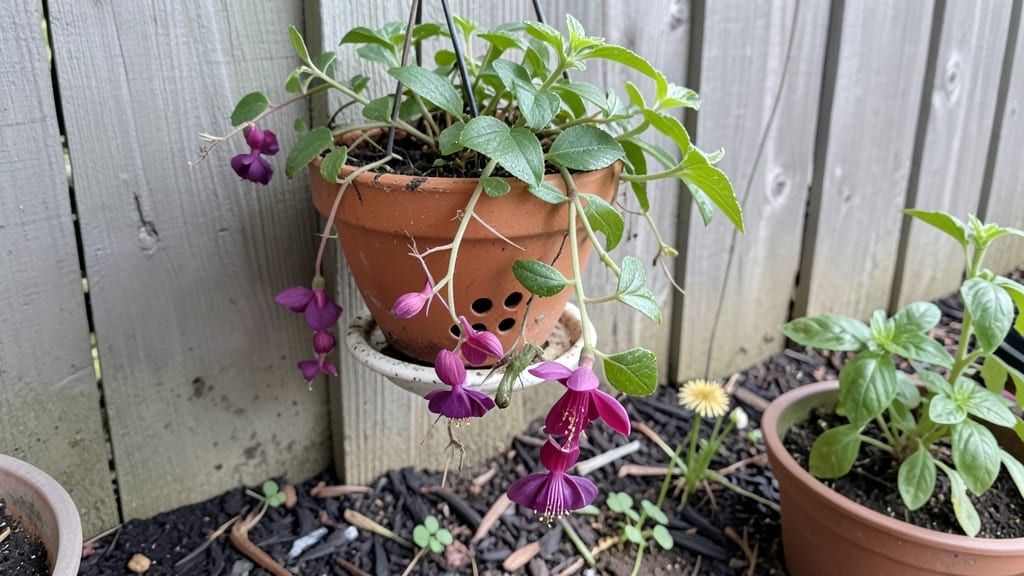
Autumn hanging basket flowers bring shockingly lush color when most gardens fade to brown. 🌿 I learned the hard way that regular annuals wilt by October—but frost-resistant varieties like pansies, ornamental kale, and hardy chrysanthemums keep blooming until snow flies.
The secret isn't just picking the right flowers; it's timing the planting so roots establish before cold snaps hit.
You'll need 3-5 gallon baskets, a well-draining potting mix, and a few hours for arranging. Start planting in late summer to early fall (6-8 weeks before your first frost) so roots grow strong before winter.
Choose trailing varieties like lobelia or dusty miller to fill gaps, and mix in evergreen foliage like heather or sedum for structure that lasts.
With the right care, your baskets will stay vibrant through November and sometimes December. Water carefully—less in cold weather—and add a light mulch of straw to protect roots.
The payoff? Baskets that look better than spring containers, with jewel-toned blooms against frost-kissed skies. Here's how to make it happen without freezing your fingers off.
This works for urban balconies, rural porches, or even under eaves—just adjust watering for wind exposure. The same principles apply whether you're in Zone 5 or Zone 8, though southern gardeners can extend displays into early spring. Let's get those baskets glowing before the leaves fall.
📚 In This Guide
- What you need
- Instructions
- Tips and common mistakes
- Wrapping up and next steps
What you need
- ● Hanging baskets: 1–3 baskets (12–18 inches in diameter) with sturdy metal or plastic frames and drainage holes.
- ● Frost-resistant flower varieties: 1–2 Heuchera (Coral Bells) – for vibrant foliage.
- ● 1–2 Sedum (Stonecrop) – drought-tolerant and hardy.
- ● 1–2 Helleborus (Lenten Rose) – early blooms and cold resilience.
- ● 1–2 Viola (Pansies/Violas) – colorful and cold-hardy.
- ● 1 Fuchsia (hardy varieties like Fuchsia magellanica) – adds whimsical flair.
- ● Potting soil: 2–3 gallons of high-quality, well-draining container mix (avoid garden soil—it compacts!).
- ● Slow-release fertilizer: 1–2 cups of 14-14-14 or 10-10-10 blend.
- ● Moss or coco coir: 1–2 cups (for moisture retention and aesthetics).
- ● Gloves: 1 pair (gardening gloves to protect your hands).
- ● Trowel or small shovel: 1 (for planting and soil adjustments).
- ● Scissors or pruners: 1 (for trimming plants and basket liners).
- ● Watering can or hose with a gentle nozzle: 1 (for even watering).
- ○ Basket liners (optional): 1–3 (plastic or fabric liners to prevent soil loss).
- ○ Decorative accents (optional): Miniature pumpkins or gourds (for seasonal flair).
- ● Fairy lights or solar-powered lights (for evening ambiance).
- ● A sunny or partially shaded spot (6+ hours of light for most varieties).
- ● Access to a water source (hanging baskets dry out faster!).
- ● Patience for frost-hardy blooms (some may take 2–4 weeks to establish).
How to create stunning autumn hanging baskets that survive frost
Here's my foolproof method for baskets that stay vibrant through crisp air and light frosts.
🪴 Step 1: Select Frost-Tolerant Flower Varieties and Containers
Choose heuchera, pansies, snapdragons, and dusty miller—these handle 25-30°F without browning. Avoid tender annuals like petunias. I opt for 14-inch woven baskets with 2-inch drainage holes (they're lightweight and breathable). Line the bottom with 1 inch of moisture-retentive hydroponic matting—this prevents roots from drying out between waterings.
Fill each basket with 3 gallons of premium potting mix blended with 1 cup perlite for aeration. Tap the container gently to settle the soil without compacting it. The goal is a fluffy medium that holds moisture but drains freely. Pre-moisten the mix until it feels like a damp sponge—this ensures even hydration from the first watering.
🌱 Step 2: Plant for Layered Texture and Seasonal Interest
Arrange plants in three tiers: trailing plants (like heuchera 'Palace Purple') at the edges, mid-height foliage (like snapdragons) in the center, and upright flowers (like dusty miller) toward the back. I plant 5-7 plants per basket—crowding too much leads to weak stems that flop by fall.
Dig holes twice as wide as the root ball but only as deep. Gently loosen roots if they're circling, then place each plant so the crown sits ½ inch below the rim. This prevents water from pooling and rotting stems. Backfill with soil, pressing lightly to eliminate air pockets, then water deeply until moisture runs from the drainage holes.
☀️ Step 3: Position for Maximum Autumn Sunlight and Wind Protection
Hang baskets in morning sun with afternoon shade—this prevents leaves from scorching in late-season heat while still providing enough light for flowering. I avoid south-facing walls, which can bake roots. Use sturdy metal hooks rated for 20+ pounds—plastic hooks snap under basket weight when saturated.
Position baskets 3-4 feet apart to allow airflow, which reduces fungal diseases like powdery mildew. If your porch faces wind, add 1-2 inch mesh screens around the edges to protect delicate foliage. Check weekly for yellowing leaves—this signals overwatering or poor drainage, not frost damage.
💧 Step 4: Adjust Watering for Cooler Temperatures
Water every 2-3 days in fall, checking when the top inch of soil feels dry. Mornings are best—watering in evening can leave foliage damp overnight, inviting rot. I use a gentle shower setting on my hose to avoid dislodging plants. Add 1 tablespoon of liquid seaweed fertilizer to each watering after 4 weeks to boost cold resistance.
When nighttime temps drop below 40°F, reduce watering to every 4-5 days. Frost-resistant varieties store moisture better, but soggy soil still suffocates roots. Watch for crispy leaf edges—this is normal in chilly weather, but wilted stems mean roots are struggling. Adjust by moving baskets to a sheltered spot or adding 1 inch of mulch around the soil surface.
✂️ Step 5: Prune and Protect for Light Frosts
Deadhead spent blooms weekly to encourage new flowers—this keeps baskets looking fresh even as days shorten. Snip stems back to the first set of leaves using clean, sharp scissors. Avoid cutting into woody stems, which won't regrow. I also trim any brown or damaged leaves to prevent disease spread.
When first frost threatens (28-32°F), cover baskets with frost cloth at dusk and remove at 10 AM. Never use plastic—it traps moisture and burns foliage. For hard frosts below 28°F, move baskets to a garage or porch where temps stay above freezing. Most frost-resistant varieties bounce back with 2-3 weeks of care—just keep soil lightly moist and in bright light.
Tips & tricks for perfect autumn hanging baskets
These simple strategies will help your frost-resistant hanging baskets stay vibrant through crisp autumn air and light frosts.
Container Selection: I've found that woven baskets with 2-inch drainage holes work best because they're lightweight and allow excess water to escape quickly. Avoid plastic containers—they can overheat in sunlight and cause root rot. For extra insurance against drying out, add the 1 inch of hydroponic matting at the bottom as mentioned in Step 1. This creates a moisture reservoir that keeps roots hydrated between waterings.
Plant Placement Strategy: When arranging your 5-7 plants per basket in Step 2, think about the mature size of each variety. Place the largest plants toward the back and smallest toward the front to create a balanced, full look. I like to stagger the trailing plants like heuchera so they cascade evenly rather than clumping in one spot. This creates that "spilled over" effect that makes autumn baskets look so effortlessly beautiful.
Frost Protection: The 28-32°F temperature range is critical for frost protection. When temps drop below 32°F, cover baskets with frost cloth at dusk and remove it at 10 AM—this prevents moisture buildup that can burn foliage. For hard frosts below 28°F, move baskets to a sheltered location like a garage or porch. I've had great success bringing baskets inside overnight and returning them in the morning—they bounce back beautifully with just a few weeks of care.
Watering Wisdom: The top inch of soil test in Step 4 is your best guide for watering frequency. In cooler weather, I find that checking soil moisture in the morning gives the most accurate reading—afternoon sun can make soil appear drier than it actually is. When nighttime temps drop below 40°F, reduce watering to every 4-5 days and watch for crispy leaf edges. These are normal in chilly weather, but wilted stems indicate roots are struggling and need attention.
Pro Tips for Autumn Hanging Basket Flowers
- These simple strategies will help your frost-resistant hanging baskets stay vibrant through crisp autumn air and light frosts.
- Container Selection: I've found that woven baskets with 2-inch drainage holes work best because they're lightweight and allow excess water to escape quickly.
- Plant Placement Strategy: When arranging your 5-7 plants per basket in Step 2, think about the mature size of each variety.
Frequently asked questions
Got questions about keeping your autumn hanging baskets blooming despite the chill? We’ve got answers!
Here are some of the most common queries—plus tips to help your baskets shine through fall and even winter.
What are the best frost-resistant flowers for hanging baskets in autumn?
Opt for hardy varieties like heuchera (coral bells), sedum (stonecrop), pansies, violas, or cyclamen. These thrive in cooler temps (down to 20–25°F) and add vibrant color. Pair them with evergreen foliage like hebe or lobelia for year-round interest.
When should I plant autumn hanging baskets for fall color?
For maximum impact, plant in early to mid-fall (late August to early October, depending on your climate). This gives roots time to establish before winter. In colder zones, start 6–8 weeks before the first frost—just like spring planting! Use a slow-release fertilizer to support growth.
How do I protect hanging baskets from early frost or freezing temps?
Move baskets to a sheltered spot (like a covered porch or garage) when nighttime temps drop below 30°F. Wrap baskets in burlap or use frost cloth for extra insulation. For extreme cold (below 20°F), bring them indoors near a bright window or under grow lights.
Can I reuse the same hanging baskets and soil next year?
Yes! Refresh the soil by removing old roots and adding compost or new potting mix. Sterilize baskets with a 10% bleach solution (rinse well) to prevent disease. If the soil is depleted, repot with moisture-retentive mix and slow-release fertilizer for a head start.
What do I do if my autumn flowers wilt or stop blooming?
Wilting often means underwatering or overwatering. Check soil moisture—it should stay lightly damp (not soggy). Deadhead spent blooms to encourage new flowers. If leaves turn yellow, it could signal nutrient deficiency—feed with a balanced liquid fertilizer (half-strength) every 4–6 weeks.
Are there low-maintenance alternatives to traditional hanging baskets?
Try self-watering baskets (like those with built-in reservoirs) or terracotta pots with drainage holes. For zero-fuss options, use pre-mixed autumn baskets from garden centers—just add water and enjoy! Succulents (like sedum) also need minimal care and add modern flair.
Wrapping up and next steps
Transforming your space with autumn hanging basket flowers is easier—and more rewarding—than you think! 🌿 Whether you’re drawn to the bold hues of Heuchera or the delicate charm of Lobelia, these frost-resistant picks ensure your garden stays vibrant well into the cooler months.
With the right care and a little creativity, your hanging baskets can become a year-round showstopper.
Ready to get started? Grab your baskets, pick your favorites, and let your green thumb shine! 🌸 Next, sketch a quick layout or browse local nurseries for your dream plants—your autumn garden awaits!