
Flowers
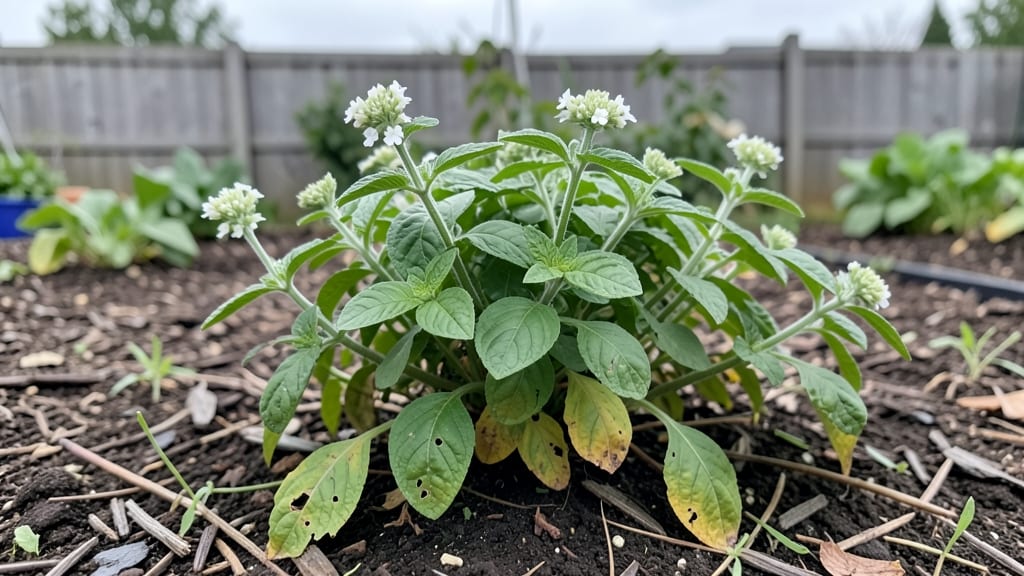
When basil has flowers, it’s not a sign to panic—it’s a signal to act. 🌱 Those delicate white or purple blooms might look pretty, but they’re stealing energy from your plant’s leaves, the part you actually want.
I’ve watched basil go from lush and fragrant to woody and bitter in just weeks when I ignored the flowers, and I’m here to show you how to keep your plants productive.
The good news is that pruning those flowers back is simple and fast—just grab a clean pair of scissors and snip above a set of leaves where the flower stem meets the main stem.
Do this every 7-10 days during the growing season, and you’ll keep your basil bushy, flavorful, and ready for harvest. The key is consistency; one deep prune won’t cut it.
What you’ll end up with is a basil plant that tastes like it came straight from a sun-drenched Italian garden—bright, peppery, and full of life. The leaves stay tender, the stems stay green, and you’ll be harvesting more leaves than you can use all season long.
Plus, you’ll avoid the bitter, woody flavor that sets in when basil focuses on flowering instead of growing.
This works for both potted basil on your windowsill and outdoor plants in the garden. The same principles apply whether you’re growing Genovese, Thai, or purple basil—just adjust your pruning frequency based on how fast your plant grows. Let’s keep those flowers in check so your basil stays delicious!
📚 In This Guide
- What you need
- Instructions
- Tips and common mistakes
- Wrapping up and next steps
What you need
- ● Basil plants: 1–5 mature plants (potted or in-ground), preferably Genovese, Thai, or Purple basil for best flowering results.
- ● Pruning shears: 1 pair of sharp, sterilized shears (bypass pruners work best).
- ○ Gloves (optional but recommended): 1 pair of gardening gloves to protect hands from sap and thorns.
- ● Watering can or hose: 1 with a gentle spray nozzle for post-pruning hydration.
- ● Compost or fertilizer: 1 small bag of balanced, organic fertilizer (10-10-10 or similar) or homemade compost.
- ● Containers or garden bed: Ensure pots have drainage holes if repurposing for cuttings.
- ● Hormone rooting gel: 1 small bottle to boost root growth for cuttings.
- ● Mulch: Straw or shredded leaves to retain soil moisture.
- ● Sunlight meter or app: To track 6–8 hours of daily sunlight for optimal growth.
- ● Spray bottle: For misting new cuttings if humidity is low.
Instructions for pruning basil to keep it flower-free and productive
Here’s how to keep your basil lush and leafy by removing flowers before they form.
✂️ Step 1: Identify and Remove Flower Buds Early
Check your basil plants twice a week for tiny flower buds—they look like tiny green spikes between the leaves. The moment you spot one, pinch it off with your fingers or clean pruners. Don’t wait until flowers open; by then, the plant shifts energy from leaves to blooms, slowing growth.
Use your thumb and forefinger to gently squeeze the bud between the stem and leaf. You’ll hear a faint snap—that’s the bud separating. If you’re using pruners, cut just above a leaf node (the bump where leaves grow) to encourage new branching. Watch for buds near the center first; they appear earliest.
🌿 Step 2: Prune for Bushier Growth After Flower Removal
After removing buds, trim the top 2-3 inches of the main stem just above a set of leaves. This signals the plant to focus on lateral growth instead of flowering. Use clean pruners to avoid tearing stems—dull blades crush plant tissue and invite disease.
Look for healthy, dark green leaves when choosing where to cut. Avoid snipping into woody stems; basil becomes leggy and less productive when over-pruned. If your plant has multiple stems, repeat this step on all of them. You’ll notice new shoots forming within 7-10 days—that’s your reward for pruning early.
☀️ Step 3: Boost Light and Water After Pruning
Basil needs 6+ hours of bright, direct light daily to recover from pruning. Move potted plants to a sunnier spot or supplement with a grow light if indoors. You’ll see leaves perk up within 24 hours of better light exposure.
Water deeply but infrequently—let the top 1 inch of soil dry out between waterings. Overwatering after pruning stresses the plant. Stick your finger in the soil: if it feels damp past your first knuckle, wait another day. Basil roots need air too!
⏰ Step 4: Maintain a Regular Pruning Schedule
Set a reminder to check your basil every 5-7 days during peak growth (spring to early fall). Flowers sneak up fast—once you see one bloom, the plant’s already diverting energy. Prune morning or evening to avoid stressing the plant with midday heat.
Harvest leaves regularly too! Pinch off outer leaves (not the center) to encourage bushiness. If your basil gets leggy, it’s a sign of too little light or over-pruning. Adjust care immediately—healthy basil grows compact and vibrant, not tall and spindly.
🌱 Step 5: Handle Late-Season Flowers Differently
When temperatures drop below 50°F at night, basil slows growth and may flower anyway. Instead of fighting it, harvest leaves aggressively—focus on the largest, healthiest leaves first. Save any remaining stems for indoor overwintering if you’re in a mild climate.
If frost threatens, harvest the whole plant before flowers form. Dry or freeze the leaves for winter use. Even a few leaves saved from a flowering plant taste better than none at all!
Tips & tricks for pruning basil to keep it flower-free
Keeping your basil productive and leafy takes just a little attention—here’s how to make pruning effortless and effective.
Timing Secret: Those twice-weekly checks in Step 1 make all the difference. I set a phone reminder for every Monday and Thursday morning so I never miss a bud. Early removal is key—once flowers open, your basil’s energy shifts to blooms instead of leaves, and you’ll lose that lush, flavorful growth.
Pruning Precision: When you’re trimming the top 2-3 inches in Step 2, aim for just above a leaf node (that little bump where leaves grow). This encourages new branching. I like to count leaves upward from the base—cutting above the 4th or 5th leaf pair gives me the best results. And always use clean pruners! Dull blades crush stems and invite disease, which is the last thing you want after all that pruning work.
Light and Recovery: After pruning, basil needs 6+ hours of bright light daily to bounce back. If your kitchen windows aren’t sunny enough, a simple grow light for 4-6 hours can work wonders. I’ve seen leaves perk up dramatically within 24 hours of better light exposure. Pro tip: Rotate your plant every few days so all sides get even light—this prevents leggy growth.
Seasonal Strategy: When nights drop below 50°F, basil slows down and may flower anyway. Instead of fighting it, focus on harvesting the largest leaves first. You can even save stems for indoor overwintering if you’re in a mild climate. I’ve kept basil thriving indoors through winter by giving it bright light and consistent care—just don’t expect the same growth rate as summer!
Pro Tips for Basil Has Flowers
- Keeping your basil productive and leafy takes just a little attention—here’s how to make pruning effortless and effective.
- Timing Secret: Those twice-weekly checks in Step 1 make all the difference.
- Pruning Precision: When you’re trimming the top 2-3 inches in Step 2, aim for just above a leaf node (that little bump where leaves grow).
Frequently asked questions
Do basil flowers mean my plant is dying?
Not necessarily! Basil flowers are a natural part of its life cycle, but they can signal the end of its productive growth phase. If you’re growing basil for leaves (like for pesto ), pinching off flowers early helps redirect energy back to leaf production. Let them bloom only if you’re harvesting seeds!
How long does it take for basil to flower?
Most basil varieties start flowering 60–90 days after planting, depending on light, heat, and care. If your basil bolts (sends up a tall stem) too quickly, it’s likely due to stress (like heat or poor soil). To delay flowering, ensure consistent watering and partial shade in peak afternoon sun.
Should I cut basil flowers off to keep it growing?
Yes!
Pruning basil flowers (and the stems below them) encourages bushier growth and more leaves. Use clean scissors to snip just above a leaf node. This method also prevents the plant from focusing energy on seeds instead of your harvest. Pro tip: Harvest flowers for tea or garnishes—waste not!
Can I still use basil leaves after it flowers?
While leaves may taste slightly bitter after flowering, they’re still edible. For the best flavor, harvest leaves from the lower stems (younger leaves are milder). If the plant is past its prime, consider propagating cuttings or composting the rest to enrich your soil.
What if my basil flowers but doesn’t produce seeds?
Some basil varieties (like Genovese) are sterile and won’t produce seeds. If your basil flowers but stays seedless, it’s likely a hybrid or leaf-type variety. For seeds, opt for seed-bearing basil types (like Thai or African blue basil) or save seeds from open-pollinated flowers if available.
How do I revive over-flowered basil?
If your basil is already heavily flowered, don’t panic! Prune aggressively to remove ⅓ of the plant, including flower stems. Reduce water slightly, move it to partial shade, and fertilize lightly with a balanced solution. With patience, it may regrow—though expect smaller leaves.
Still stumped? Drop your question in the comments—we’re happy to help!
Wrapping up and next steps
Discovering that basil has flowers isn’t just a quirky botanical fact—it’s your cue to turn pruning into a game-changer!
By snipping those blooms and focusing on healthy leaves, you’ll keep your basil thriving, flavorful, and ready for your kitchen all season long. Your green thumb is closer than you think—just grab those shears and get growing!
Ready to take the next step? Start pruning today and watch your basil flourish like never before. 🌱✨