
Flowers
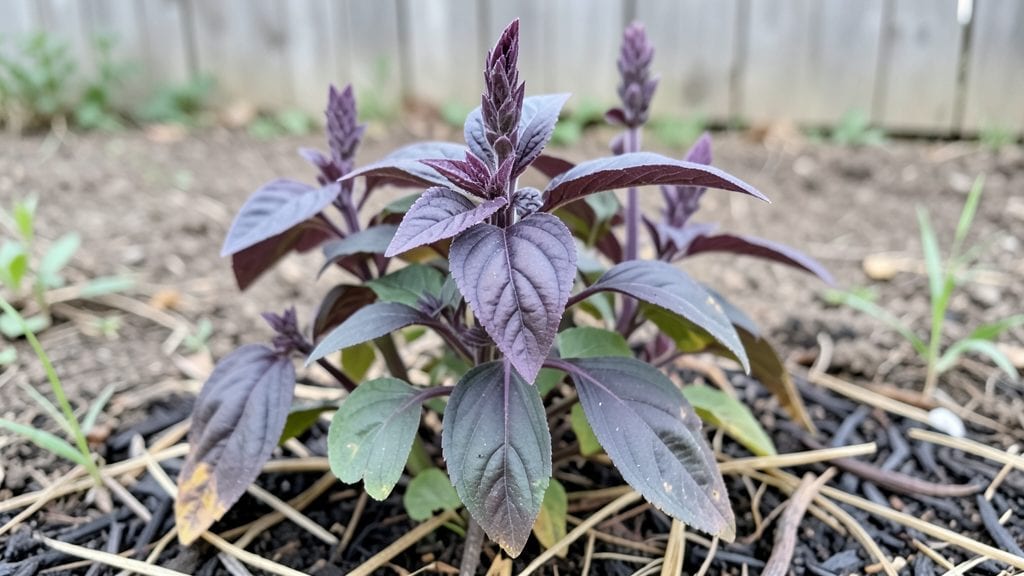
Purple basil transforms your garden from ordinary to extraordinary with its striking two-tone foliage and delicate lavender blooms. 🌿 I fell in love with this variety after seeing it spill over a terracotta pot—its deep purple flowers contrasting beautifully against the bright green leaves.
Unlike regular basil, this ornamental type doubles as a showstopper in containers, borders, or mixed herb gardens.
The secret to growing it successfully is simple: full sun, well-draining soil, and regular pinching to encourage bushier growth. It thrives in containers as small as 12 inches wide, making it perfect for patios or windowsills.
Just be prepared for its sweet, anise-like scent to draw in pollinators all season long.
Pair it with silver foliage plants like lamb’s ear or dusty miller for a stunning Mediterranean vibe, or mix it with white petunias for a cottage-garden feel.
The purple flowers even attract beneficial insects, so you’ll get beauty and pest control. Plus, you can still harvest the leaves for cooking—just leave some flowers for pollinators.
Works in USDA zones 3-11, so whether you're in a cool mountain climate or a hot desert region, this basil adds drama without fuss. Let’s make your garden the talk of the neighborhood!
📚 In This Guide
- What you need
- Instructions
- Tips and common mistakes
- Wrapping up and next steps
What you need
- ● Purple-flowering basil seeds (e.g., Ocimum basilicum varieties like 'Purple Delight' or 'Dark Opal') – 1 packet (50-100 seeds)
- ● Well-draining potting mix – 2-3 gallons (look for a blend labeled for herbs or vegetables)
- ● Containers or garden plot – Containers: 5-7 inch diameter pots (with drainage holes) or a hanging basket (for trailing varieties)
- ● Garden beds: 6+ inches of loose, fertile soil with full sun exposure (6+ hours/day)
- ○ Organic compost or slow-release fertilizer (optional but recommended for nutrient boost)
- ○ Gloves (optional, for handling soil)
- ● Small hand trowel or transplant tray (for seeding)
- ● Spray bottle (for gentle watering of seeds)
- ● Mulch or straw (to retain moisture, 1-2 inches)
- ● Watering can or hose with a fine nozzle
- ● Pruning shears (for harvesting and shaping plants)
- ● Eggshells or crushed eggshells (for calcium-rich soil)
- ● Fish emulsion or liquid seaweed fertilizer (for a mid-season boost)
- ● Decorative stones or pebbles (to enhance container aesthetics)
- ● Grow lights (if starting indoors before last frost)
How to grow two-tone purple basil from seed to harvest
This striking variety thrives with just a few key adjustments—here's my foolproof method.
🌱 Step 1: Start Seeds Indoors for Early Growth
Fill small seed-starting trays with sterile seed-starting mix (not garden soil) and moisten until evenly damp. Press the mix down lightly to create a firm surface for seeds to cling to. Purple basil seeds are tiny—scatter just 2-3 seeds per cell, then cover with a thin layer of mix no deeper than 1/8 inch. This shallow planting prevents seeds from rotting before sprouting.
Place the tray in a warm spot with a heat mat set to 75-80°F—this speeds germination to 7-14 days. Cover with a humidity dome or plastic wrap to retain moisture, but check daily for condensation. The moment you see tiny sprouts, remove the cover immediately to prevent damping-off, a fungal disease that attacks tender seedlings.
☀️ Step 2: Provide Bright, Indirect Light for Compact Growth
As soon as seedlings emerge, move them to a south-facing window or under grow lights providing 14-16 hours of light daily. Purple basil grows leggy without enough light—you'll spot this as thin, pale stems stretching toward the window. Keep the lights 2-3 inches above the plants and raise them gradually as seedlings grow to maintain this distance.
Rotate the trays a quarter turn daily so plants grow evenly. Strong purple basil seedlings develop deep purple stems and broad green leaves with purple veins. If leaves appear yellow or stems flop, your light isn't intense enough—supplement with a grow light immediately.
🪴 Step 3: Transplant to Containers After True Leaves Form
Wait until seedlings have 4-6 true leaves (not just the initial seed leaves) before transplanting. Choose containers at least 6 inches deep with drainage holes—purple basil hates soggy roots. Fill with well-draining potting mix amended with compost for nutrients. Gently remove seedlings from their trays, being careful not to disturb the roots.
Plant each seedling 1 inch deeper than it grew in the tray—this encourages stronger root development. Space plants 8-10 inches apart in containers or 12 inches apart in garden beds. Water thoroughly after transplanting to settle the soil around the roots. Purple basil thrives in full sun (6+ hours daily), but in hot climates, afternoon shade prevents leaf scorch.
💧 Step 4: Water and Fertilize for Vibrant Two-Tone Color
Water purple basil when the top inch of soil feels dry—this variety is drought-tolerant but produces best flavor with consistent moisture. Avoid wetting the leaves to prevent fungal diseases like downy mildew, which turns leaves yellow and spots them. Water at the base in the morning so foliage dries quickly.
Feed plants every 4-6 weeks with a balanced liquid fertilizer (10-10-10) diluted to half strength. The purple hues intensify with proper nutrition—healthy plants develop deep magenta stems and chartreuse leaves with purple veins. Prune regularly to encourage bushiness: pinch off the top set of leaves when the plant reaches 6 inches tall to stimulate branching.
✂️ Step 5: Harvest and Prune for Continuous Production
Begin harvesting leaves when plants reach 8-10 inches tall—you'll recognize ready leaves by their 3-4 inch length and vibrant two-tone color. Pinch off individual leaves or entire stems just above a leaf node to encourage new growth. Regular harvesting prevents flowering, which makes leaves bitter and reduces the striking purple contrast.
If your basil does flower, snip the blooms immediately—they signal the plant to shift energy from leaves to seeds. With proper care, purple basil produces year-round in containers or until first frost in gardens. Overwinter plants indoors near a sunny window, reducing water slightly in winter months to prevent root rot.
Tips & tricks for perfect two-tone purple basil growth
Here's what I've learned after growing this striking herb—small details make all the difference.
Seed Starting Secret: The 75-80°F heat mat temperature is critical for those tiny purple basil seeds to germinate reliably. I've found that using a seedling heat mat with an adjustable thermostat gives you more control than just placing trays on a warm windowsill. If you don't have a heat mat, try placing your trays on top of your refrigerator—it stays consistently warm without overheating.
Lighting Strategy: Those 14-16 hours of light are non-negotiable for preventing leggy seedlings. I've had the most success with a combination of a south-facing window and a 12-inch LED grow light on a timer. Position the light just 2-3 inches above the seedlings and adjust as they grow—this prevents burning while ensuring strong, compact growth. The purple stems won't develop properly without sufficient light intensity.
Transplanting Technique: When you're ready to transplant those seedlings with 4-6 true leaves, here's my game-changer: I always water the seedlings thoroughly in their trays the day before transplanting. This helps prevent transplant shock by keeping roots hydrated during the move. The extra inch of depth you plant them at encourages stronger root development—don't skip this step if you want robust plants.
Color Preservation: To maintain that stunning two-tone color, I fertilize with a diluted 10-10-10 solution every 4 weeks without fail. The purple hues intensify with proper nutrition, but I've noticed that over-fertilizing can actually wash out the color. Always dilute that fertilizer to half strength and apply it to moist (not soggy) soil for best results.
Pro Tips for Basil With Purple Flowers
- Here's what I've learned after growing this striking herb—small details make all the difference.
- Seed Starting Secret: The 75-80°F heat mat temperature is critical for those tiny purple basil seeds to germinate reliably.
- Lighting Strategy: Those 14-16 hours of light are non-negotiable for preventing leggy seedlings.
Frequently asked questions
Got questions about growing or using basil with purple flowers? You’re not alone! Here are some of the most common queries—plus quick answers to help you rock this two-tone herb in your garden or kitchen.
Is purple-flowering basil different from green basil?
Yes! While both types are Ocimum basilicum, purple basil (like Dark Opal or Red Rubin) has striking magenta blooms and often a slightly sweeter, spicier flavor. The leaves may also have a subtle purple tint. It’s a great choice if you love visual drama in your garden!
How long does it take for purple basil to flower?
Purple basil typically starts flowering 6–8 weeks after planting, especially in warm weather. Pinch off early blooms to encourage leaf growth, but if you’re growing it for seeds or just love the look, let them stay! Just know the flavor may mellow slightly once flowers appear.
Can I grow purple basil in containers?
This herb thrives in pots—just use a container at least 12 inches wide with drainage holes. Ensure it gets 6+ hours of sunlight daily and water when the top inch of soil feels dry. Containers also help control pests and make harvesting easier!
Is purple basil safe to eat?
Yes! All parts of purple basil—leaves, flowers, and stems—are edible and packed with antioxidants. Use the flowers to garnish dishes or infuse oils for a unique twist. Just avoid pesticides if growing outdoors, and always wash before eating. Pro tip: Purple basil pairs beautifully with tomatoes and balsamic vinegar!
Why are my purple basil leaves turning yellow?
Yellowing leaves usually signal overwatering, nutrient deficiency, or pests. Check for:
- Root rot: Ensure pots drain well and water only when soil is dry.
- Nutrients: Feed with a balanced fertilizer (like 10-10-10) every 4–6 weeks.
- Pests: Inspect for aphids or spider mites—spray with neem oil if needed.
Wrapping up and next steps
Growing basil with purple flowers is a rewarding way to add beauty and flavor to your garden or containers! This two-tone herb thrives with minimal effort, offering both visual charm and culinary versatility.
Whether you’re a seasoned gardener or just starting out, its vibrant blooms and aromatic leaves make it a must-have for any space.
Ready to dive in? Start by planting your seeds or seedlings today—your garden (and taste buds!) will thank you. 🌱✨