
Flowers
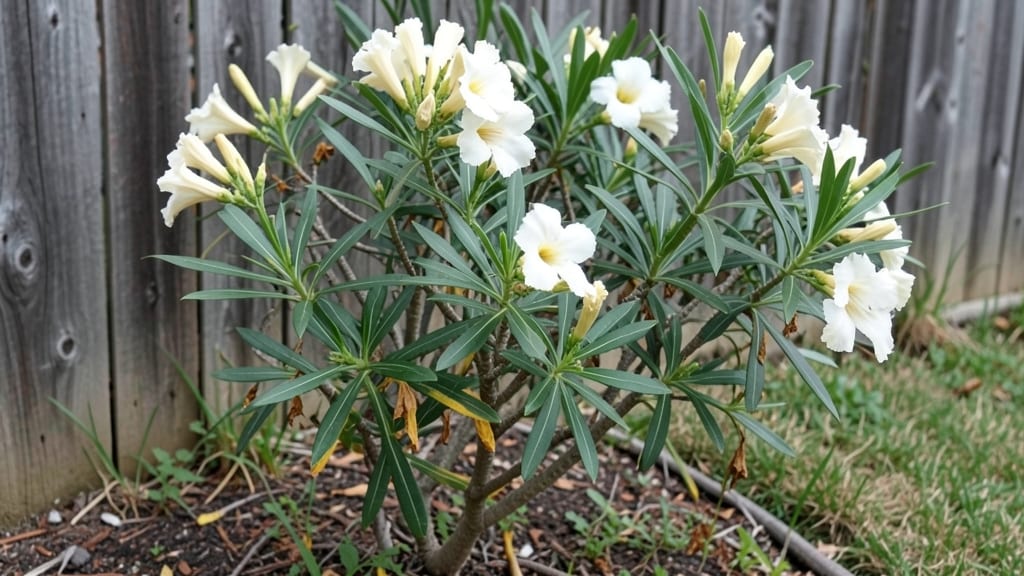
These beautiful but poisonous flowers—like oleander, foxglove, and lily of the valley—could transform your garden into a fairy-tale vision if you handle them with care. 🌸 The trade-off? A showstopping garden that still keeps your family and pets safe.
These plants shine in cottage gardens, mixed borders, or as dramatic focal points. Oleander thrives in hot climates with its leathery leaves and fragrant blooms, while foxglove adds vertical drama with its spiky flower spikes.
The key is containment—raised beds, fenced areas, or high-placed planters keep curious hands and paws away while letting you enjoy their beauty.
Imagine a summer border where creamy foxglove towers over purple salvias, or a patio pot bursting with oleander’s pink-and-white blooms. With proper precautions, these toxic beauties become garden stars rather than liabilities. The visual payoff? Worth every safety measure.
For pet owners, consider non-toxic alternatives like marigolds or zinnias in high-traffic areas. But if you’re set on these showstoppers, a simple "do not touch" sign near the plants keeps admiration from turning dangerous. Balance is everything in a garden like this.
📚 In This Guide
- What you need
- Instructions
- Tips and common mistakes
- Wrapping up and next steps
What you need
- ● Poisonous flowers (3-5 varieties): Oleander (Nerium oleander) – 2-3 stems
- ● Foxglove (Digitalis purpurea) – 3-4 stems
- ● Lily of the Valley (Convallaria majalis) – 2-3 clusters
- ● Castor Bean (Ricinus communis) – 1-2 pods (handle with gloves!)
- ● Angel’s Trumpet (Brugmansia spp.) – 2-3 blooms
- ○ Non-toxic filler flowers (optional but recommended for contrast): Sunflowers – 1-2 stems
- ● Roses (non-toxic varieties) – 3-4 stems
- ● Baby’s Breath (Gypsophila) – small handful
- ● Floral foam or chicken wire (1 block or 1 roll)
- ● Floral knife or sharp scissors (1)
- ● Gloves (nitrile or latex, 1 pair) – critical for handling toxic flowers!
- ● Vase or container (1-2, depending on arrangement size)
- ● Water (1 gallon, for floral foam or vase)
- ○ Floral preservative (1 bottle, optional but extends life)
- ● Wire cutters (1 pair) – for securing stems
- ● Tweezers (1 pair) – for delicate adjustments
- ● Floral tape (1 roll) – to bundle stems
- ● Newspaper or drop cloth (1) – protects surfaces from sap/stains
- ● Spray bottle with water (1) – keeps flowers fresh
- ● Child/pet safety sign (1) – if displaying indoors
How to safely incorporate toxic flowers into your garden design
These striking blooms add drama—but knowing their risks keeps your garden beautiful and safe.
🌿 Step 1: Research Each Plant’s Toxicity Profile
Not all poisonous flowers are equally dangerous. Oleander, for example, contains cardiac glycosides that can cause fatal heart arrhythmias if ingested, while foxglove affects the nervous system. I always cross-reference three sources: the ASPCA’s toxic plant database, Poison Control Center guidelines, and botanical toxicity studies.
Look for specific warnings: whether the toxin affects skin contact, ingestion, or inhalation. Foxglove’s digitalis is deadly in doses as small as 2 leaves, while lily of the valley’s cardiac glycosides require larger amounts. Note whether pets, children, or wildlife are particularly vulnerable—this determines placement.
⚠️ Step 2: Strategically Place Flowers Beyond Reach
Position highly toxic varieties in high-traffic areas where accidental contact is unlikely. I plant oleander and castor bean in backyard corners, at least 10 feet from patios or playgrounds. For container gardening, use elevated stands or hanging baskets—this keeps curious pets and children from brushing against them.
If you have young children or pets, opt for low-toxicity alternatives like datura (jimsonweed) in enclosed glass terrariums or wisteria on trellises where vines stay 8+ feet above ground. Always label plants with non-toxic warning signs—a simple red flag with "Poisonous" written in bold.
🧴 Step 3: Implement Physical Barriers and Protective Measures
Use ornamental fencing or raised beds to contain toxic plants. For example, I line castor bean plants with 3-foot-tall bamboo screens to prevent livestock from grazing. If growing near walkways, add gravel mulch—it deters rooting and makes accidental ingestion less likely.
Wear gloves and long sleeves when handling toxic flowers, especially oleander, lily of the valley, or monkshood. Rinse skin immediately with soap and water if sap touches exposed areas. Keep a first-aid kit with activated charcoal nearby—it can help bind toxins if accidental ingestion occurs.
🌱 Step 4: Educate Your Household and Visitors
Post clear warning signs near toxic plants, using both text and symbols (like a skull-and-crossbones). I include a small QR code linking to ASPCA’s toxicity database—this gives guests instant access to safety info. For children, create a "Do Not Touch" garden map with colorful illustrations of dangerous plants.
If you have pets, research their specific vulnerabilities—dogs are more sensitive to lily of the valley, while cats react severely to lilies. Train pets to avoid the area using positive reinforcement (treats for staying away). For wildlife, avoid planting near water sources—animals are more likely to graze when thirsty.
✂️ Step 5: Monitor and Maintain Safe Growth Conditions
Prune toxic plants regularly to prevent overgrowth, especially those with berry-like seed pods (like castor bean). Deadhead spent blooms immediately—foxglove seeds can spread easily and are highly toxic. I schedule pruning for early morning when temperatures are cooler, reducing sap exposure.
Test soil pH and nutrient levels to keep plants healthy—stressed plants produce more toxins. For example, oleander thrives in slightly acidic soil (pH 6.0-6.5), while monkshood prefers neutral (pH 6.5-7.5). Over-fertilizing can increase toxicity, so follow a balanced 10-10-10 schedule and avoid nitrogen-heavy amendments.
Tips & tricks for beautiful but poisonous flowers
Transforming your garden into a stunning yet safe showcase of toxic blooms takes more than just aesthetics—it requires strategic planning and proactive precautions.
Toxicity Research: Beyond the ASPCA database and Poison Control guidelines, I recommend consulting local botanical gardens for regional toxicity variations. Some flowers like oleander have different toxicity levels depending on geographic location, while foxglove toxicity increases in cooler climates. Always verify whether your specific variety contains digitalis or other cardiac glycosides—these can be 10 times more potent in certain strains.
Placement Precision: When placing toxic flowers in backyard corners, measure from all high-traffic areas including children's play zones and pet access points. I use a 15-foot radius from any seating area for highly toxic varieties like lily of the valley. For container plants, elevate them at least 5 feet above ground level—this prevents accidental contact while still allowing full sunlight exposure.
Barrier Innovation: Instead of traditional fencing, I've found decorative trellis screens work beautifully for containing toxic plants while maintaining garden aesthetics. For ground-level protection, use landscape fabric with decorative rocks—this creates a natural barrier that deters both pets and wildlife. The key is making barriers blend seamlessly with your design while serving their safety purpose.
Seasonal Safety: Toxicity levels can fluctuate seasonally—foxglove becomes more dangerous in late summer when its digitalis content peaks. Schedule your most intensive handling (like pruning) for early spring when toxin levels are lowest. Always wear gloves when working with any toxic plant, even if it's not currently in bloom—some toxins remain in stems and leaves year-round.
Pro Tips for Beautiful But Poisonous Flowers
- Transforming your garden into a stunning yet safe showcase of toxic blooms takes more than just aesthetics—it requires strategic planning and proactive precautions.
- Toxicity Research: Beyond the ASPCA database and Poison Control guidelines, I recommend consulting local botanical gardens for regional toxicity variations.
- Placement Precision: When placing toxic flowers in backyard corners, measure from all high-traffic areas including children's play zones and pet access points.
Frequently asked questions
Got questions about these stunning yet dangerous blooms? Here’s what you need to know before bringing them into your garden or home.
Are poisonous flowers dangerous to touch or just harmful if ingested?
Most poisonous flowers are dangerous only if ingested—their toxins (like glycosides or alkaloids) can cause nausea, vomiting, or worse if eaten. However, some, like oleander or foxglove, can irritate skin or cause reactions upon contact, especially if you have open wounds or sensitive skin. Always wear gloves when handling them!
When is the safest time to plant or remove these flowers?
The best time to plant poisonous flowers is in spring or early fall, when soil is workable but not extreme. For removal, wait until late fall or winter—after blooming—to minimize accidental exposure to pollen or sap. Avoid pruning during peak bloom (spring/summer) to reduce airborne toxins.
Can I keep these flowers indoors safely, or should I avoid them entirely?
Indoor placement is risky unless you have children or pets. Opt for low-toxicity alternatives like orchids or African violets if safety is a concern. If you must keep them indoors, place them in high, inaccessible areas (e.g., hanging baskets) and label them clearly with warning signs.
What should I do if my pet ingests part of a poisonous flower?
Act fast! Remove any remaining plant material from their mouth, then contact your vet or a pet poison hotline (like ASPCA’s 24/7 line: (888) 426-4435). Bring the plant (or a photo) for ID. Do NOT induce vomiting unless instructed by a professional—some toxins worsen with vomiting.
Are there non-toxic flowers that look similar to dangerous ones?
Yes! Swap these lookalikes for safer options:
- Foxglove (deadly) → Snapdragons (mildly toxic but less severe)
- Oleander (highly toxic) → Plumbago (sky blue, non-toxic)
- Lily of the Valley (cardiotoxic) → True lilies (like Lilium species—still toxic, but daylilies (Hemerocallis) are safer)
Always double-check with a gardening guide or app like PictureThis for ID help!
Wrapping up and next steps
The world of beautiful but poisonous flowers reminds us that nature’s allure often comes with caution. While these stunning blooms add drama to gardens, it’s essential to admire them safely—whether by wearing gloves or keeping them out of reach. 🌸
Now that you’re armed with knowledge, why not transform your garden into a breathtaking (yet safe) masterpiece? Start by researching local alternatives or visiting a botanical garden to see these flowers up close—just remember to keep a safe distance! 🌿
Stay curious, stay safe, and let your green thumb shine! 🌺