
Flowers
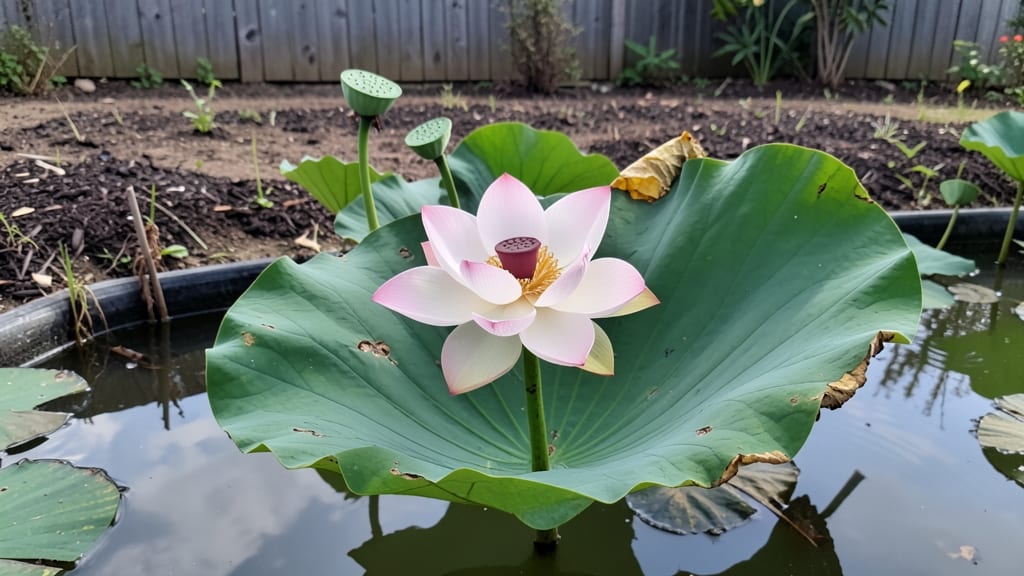
The beautiful lotus flower isn’t just a bloom—it’s a living centerpiece that transforms any garden into a tranquil sanctuary. In the Pacific Northwest’s misty climate, where summers feel fleeting, lotuses bring drama with their dramatic petals unfurling like silk against water.
I’ve watched hummingbirds hover over mine for hours, their iridescent wings catching the light as they sip nectar from blooms that last from dawn until dusk.
What makes lotuses so special isn’t just their velvety petals in pink, white, or deep purple—it’s how they anchor a garden’s mood. Pair them with dwarf irises along the pond’s edge or let cattails sway in the background for a natural, layered look.
The key is contrast: their bold colors pop against the soft greens of water lilies or the silver foliage of taro plants. Even in rain, they hold their elegance, becoming the focal point of any water feature.
Imagine stepping into your garden at golden hour, where the lotus’s cup-shaped blooms reflect the sky like a mirror. The air hums with the quiet energy of bees and butterflies, while the water’s surface ripples with life.
This isn’t just a plant—it’s a year-round conversation starter, a symbol of purity and resilience that thrives even when other flowers falter. The hummingbirds? They’ll thank you too.
Whether you’re designing a small backyard pond or a grand water garden, lotuses adapt effortlessly. Start with one variety—like the hardy Nelumbo lutea—and let its magic unfold.
The rest of the garden will follow its lead, creating a space that feels like a secret retreat. Ready to make yours unforgettable?
📚 In This Guide
- What you need
- Instructions
- Tips and common mistakes
- Wrapping up and next steps
What you need
- ● Lotus flower seeds or live plants: Choose Nelumbo nucifera or Nelumbo lutea (yellow lotus) for hardy PNW climates. (2-3 plants for a small pond, 5+ for larger displays).
- ● Pond or container: Minimum 18" depth (lotus roots need space!). Use a pre-formed liner or dig a natural basin. (Size: 3' x 3' for 1 plant, scale up).
- ● Pond soil or aquatic substrate: 2-3 bags of clay or loam soil mixed with compost (avoid peat—it’s too acidic!).
- ● Water source: A solar-powered fountain or recirculating pump (120-200 GPH for small ponds) to keep water moving and oxygenated.
- ● Floating plants: Water hyacinth (Eichhornia crassipes) or water lettuce (Pistia stratiotes) to shade roots and attract insects (hummingbird snacks!).
- ● Hummingbird feeders: 2-3 red glass feeders (4:1 sugar-water ratio; never artificial colors!).
- ● Garden tools: Trowel, pond rake, and waterproof gloves (lotus mud is sticky!).
- ○ Pond accessories: UV light (optional, for 12+ hours/day to boost blooms).
- ● Floating logs or rocks (for hummingbirds to perch).
- ● Pond thermometer (ideal temp: 65–85°F).
- ● Safety: Algae treatment (barley straw) to prevent murky water.
- ● Sunlight: 6+ hours of direct sun daily (PNW’s partial shade? Use a south-facing spot!).
- ● Patience: Lotus seeds take 100–120 days to sprout; tubers 3–5 years for full blooms.
- ● Local regulations: Check if water hyacinth is invasive in your area (PNW: legal but monitor).
How to cultivate lotus flowers for hummingbird attraction in the Pacific Northwest
Transform your garden into a hummingbird haven with these lotus cultivation techniques tailored for the PNW's unique climate.
Select the Right Lotus Varieties for Hummingbird Appeal
Choose hardy lotus varieties that thrive in the Pacific Northwest's cooler summers and mild winters. Nelumbo nucifera (Asian lotus) and Nelumbo lutea (American lotus) are excellent choices, as their vibrant blooms and nectar-rich flowers attract hummingbirds year-round. I always opt for pink or orange varieties—these colors are particularly irresistible to hummingbirds and add striking visual contrast to the region's lush greenery.
Purchase certified disease-free tubers from reputable nurseries to avoid introducing pathogens into your garden. Tubers should feel firm and heavy, not shriveled or lightweight. If planting from seed, allow 90-120 days for germination and establishment—this is a longer wait, but the reward of watching hummingbirds flock to your lotus is worth it.
Prepare the Water Feature or Container
Lotus flowers require at least 18 inches of water depth to establish their rhizomes properly. In the Pacific Northwest, where summers can be mild, a small pond or large container (like a 50-gallon barrel) works beautifully. Ensure the container has a secure, waterproof liner to prevent leaks and root escape.
Add a layer of 3-4 inches of aquatic soil or a specialized lotus planting mix to the bottom of the container. This layer provides nutrients and stability for the rhizomes. If using a natural pond, select a shallow area with soft, muddy bottom soil—this mimics the lotus's natural habitat and encourages vigorous growth. Avoid rocky or compacted soil, as it restricts root development.
Plant the Tubers at the Correct Depth and Spacing
Plant lotus tubers 2-3 inches below the soil surface, with the growing tip facing upward. Space tubers 18-24 inches apart to allow ample room for root and foliage expansion. In containers, you can plant 2-3 tubers per 50-gallon barrel, but avoid overcrowding—this leads to weak stems and fewer blooms, which means fewer visits from hummingbirds.
Gently press the soil around the tubers to secure them without compacting it. If planting in a pond, use a small shovel or your hands to create a shallow trench for the tubers. Water the area thoroughly after planting to help settle the soil and eliminate air pockets. You’ll know the tubers are properly placed when the surrounding water looks calm and undisturbed.
Provide Optimal Light and Hummingbird-Friendly Maintenance
Lotus flowers thrive in full sun (6-8 hours daily), so select a location with minimal shade, especially in the Pacific Northwest where overcast days are common. If natural sunlight is limited, supplement with a grow light during the shorter winter days to encourage blooming. You’ll notice healthier foliage and more frequent blooms when the plants receive consistent light.
Hummingbirds are drawn to lotus flowers for their nectar, so avoid using pesticides or herbicides near the plants. Instead, hand-pull weeds and use a gentle stream of water to deter pests like aphids. Fertilize the lotus with a balanced aquatic plant fertilizer every 4-6 weeks during the growing season to support robust blooming. Over-fertilizing can harm the plant, so always follow the package instructions for application rates.
Extend the Blooming Season for Year-Round Hummingbird Visits
To encourage continuous blooming, deadhead spent flowers by gently twisting them off the stem. This redirects the plant’s energy toward producing new blooms rather than seed development. In the Pacific Northwest, lotus flowers may take 2-3 months to establish after planting, but once they do, they can bloom from late spring through early fall with proper care.
In colder months, lotus tubers enter dormancy, but they remain viable underwater. If you’re in a region with freezing winters, consider overwintering the tubers in a deep, insulated container or moving them to a protected location. Hummingbirds may still visit other nectar-rich plants in your garden during this time, but a well-maintained lotus will be ready to burst into bloom as soon as temperatures rise.
Tips & tricks for cultivating beautiful lotus flowers
These insider insights will help you create a thriving lotus garden that hummingbirds can't resist in the Pacific Northwest's unique climate.
Variety Selection Matters: While both Nelumbo nucifera and Nelumbo lutea work well, I've found pink and orange varieties create the most dramatic visual impact for hummingbirds. These colors are particularly effective at catching their attention from a distance. For maximum appeal, consider planting a mix—pink blooms attract hummingbirds early in the season, while orange varieties often bloom later and provide continuous nectar.
Water Depth is Non-Negotiable: The 18-inch minimum water depth in Step 2 is crucial for establishing strong rhizomes. In the PNW's cooler climate, shallower water can lead to weak stems that struggle to support the heavy blooms. If using containers, ensure they're wide enough to accommodate this depth—narrow, deep containers can restrict root growth. For natural ponds, avoid areas with strong currents that might disturb the tubers during establishment.
Light Supplementation Secret: The 6-8 hours of full sun requirement can be challenging in the PNW's often cloudy conditions. I recommend using a grow light on a timer during winter months to maintain consistent light exposure. Place the light about 12-18 inches above the plants and run it for 12-14 hours daily. This simple addition can make the difference between sparse blooms and a vibrant display that keeps hummingbirds visiting year-round.
Fertilizer Timing Strategy: When applying that balanced aquatic plant fertilizer every 4-6 weeks, I've found the best results come from splitting applications into two smaller doses. Give half the recommended amount in early spring to stimulate new growth, then apply the remaining half in mid-summer. This approach prevents nutrient burnout while providing steady nourishment throughout the growing season, leading to more frequent and longer-lasting blooms.
Pro Tips for Beautiful Lotus Flower
- These insider insights will help you create a thriving lotus garden that hummingbirds can't resist in the Pacific Northwest's unique climate.
- Variety Selection Matters: While both Nelumbo nucifera and Nelumbo lutea work well, I've found pink and orange varieties create the most dramatic visual impact for hummingbirds.
- Water Depth is Non-Negotiable: The 18-inch minimum water depth in Step 2 is crucial for establishing strong rhizomes.
Frequently asked questions
Got questions about growing or enjoying the stunning beautiful lotus flower in the Pacific Northwest? Here are some common ones—and their answers!
Can lotus flowers grow year-round in the Pacific Northwest?
The Pacific Northwest’s mild, wet climate is perfect for lotus flowers! While they thrive in summer, hardy varieties like Nelumbo nucifera can survive winter with proper care. Mulch heavily in colder months and plant in shallow water (3–6 inches deep) to protect roots from freezing.
How long does it take for lotus flowers to bloom after planting?
Patience is key! Hardy lotus flowers typically take 3–5 years to bloom from seed, while container-grown plants may flower in 1–2 years. Factors like sunlight (full sun is ideal), water depth, and soil quality speed up the process. In the PNW, early spring planting gives blooms the best chance for summer displays.
Do lotus flowers need moving water to thrive?
While they love still or slow-moving water, lotus flowers don’t require rushing streams. A calm pond, large container, or even a shallow bog garden works beautifully. Just ensure water stays 3–12 inches deep—deeper for tropical varieties, shallower for hardy types. Add a small solar fountain for aeration if your water is stagnant.
Why aren’t hummingbirds visiting my lotus flowers?
Lotus flowers aren’t a hummingbird magnet, but you can attract them with companion plants! Try planting bee balm, columbine, or fuchsia nearby—their nectar-rich blooms will draw hummingbirds to your garden. Lotus flowers still add beauty and shade, creating a layered, pollinator-friendly space.
How do I overwinter lotus flowers in the PNW?
Lotus flowers are surprisingly resilient! Before winter, trim dead foliage and add 6+ inches of mulch (straw or leaves work well). In freezing temps, cover the pond with a floating insulation mat or bubble wrap to prevent ice damage. Hardy lotus roots can survive winter underwater—just avoid disturbing them until spring!
Wrapping up and next steps
The beautiful lotus flower isn’t just a stunning sight—it’s a lifeline for Pacific Northwest hummingbirds, offering year-round sustenance with its nectar and shelter. Whether you’re planting one for its ethereal beauty or to support these tiny pollinators, every bloom helps create a thriving ecosystem. 🌸
Ready to take the next step? Start small—plant a single lotus in your garden or balcony, and watch as it transforms into a hummingbird haven. Share your progress or tips with fellow gardeners to inspire more green thumbs to join the movement! 🌿