
Flowers
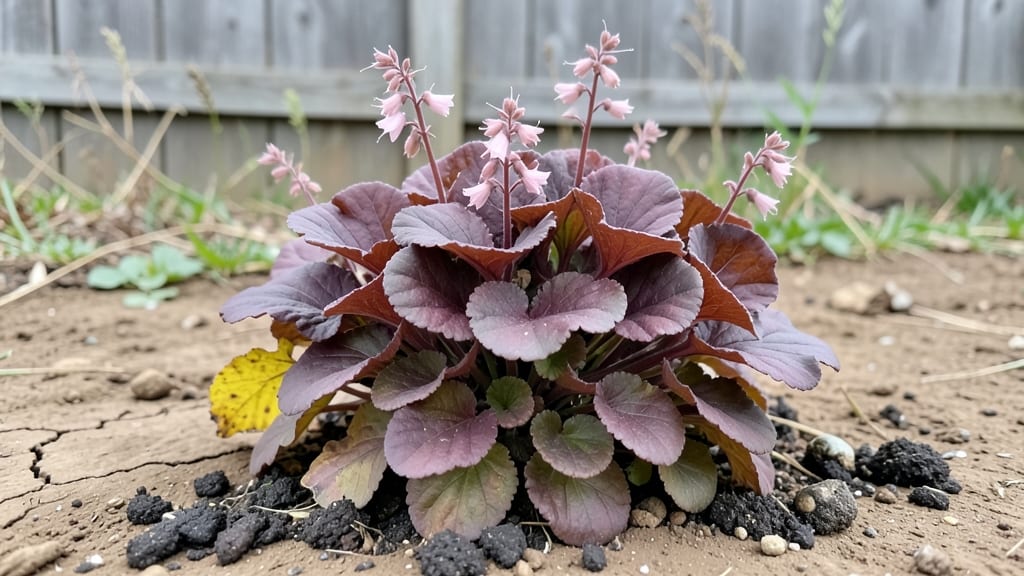
Clay soil can actually be the perfect canvas for stunning flowers—you just need the right plants and a few soil secrets. 🌸 I spent years struggling with soggy, compacted clay until I discovered that amending it with organic matter transforms it into a powerhouse for blooms like coneflowers and daylilies.
The key is breaking up that heavy clay with compost, sand, or aged manure to improve drainage while keeping moisture. Once your soil is lightened, you’ll see roots spread easily, and flowers thrive without the stress of waterlogged conditions.
My garden now bursts with color from spring to frost, and the secret is simpler than you’d think.
You’ll end up with bold, long-lasting blooms that outshine anything from a nursery. The right flowers not only tolerate clay but love its richness once it’s amended—think deep purple coneflowers, golden black-eyed Susans, and vibrant daylilies that multiply every year. The payoff? A garden that’s both beautiful and low-maintenance.
Works for any yard with clay soil, from small city plots to large rural gardens. Let’s get those roots growing in the right conditions—your future garden will thank you.
📚 In This Guide
- What you need
- Instructions
- Tips and common mistakes
- Wrapping up and next steps
What you need
- ● Flowers for Clay Soil: Choose from these clay-tolerant picks (pick 3–5 per season): Black-eyed Susans (Rudbeckia hirta) – 3–5 plants
- ● Coneflowers (Echinacea purpurea) – 3–5 plants
- ● Daylilies (Hemerocallis) – 5–7 plants
- ● Russian Sage (Perovskia atriplicifolia) – 3 plants
- ● Bee Balm (Monarda didyma) – 3–5 plants
- ● Amendments for Clay Soil: Compost – 2–3 inches (top-dress beds)
- ● Peat moss or coconut coir – 1 part per 2 parts clay (mix into top 6–12 inches)
- ● Sand (coarse, not fine) – 1 part per 2–3 parts clay (improves drainage)
- ● Gypsum (calcium sulfate) – 10–20 lbs per 100 sq ft (breaks up compacted clay)
- ● Tools: Garden fork or broadfork – essential for aerating clay
- ● Shovel – for mixing amendments
- ● Garden trowel – for transplanting seedlings
- ● Wheelbarrow – for hauling soil/compost
- ● Gloves – heavy-duty (clay is messy!)
- ● Mulch (straw, pine needles, or shredded bark) – 2–3 inches (retains moisture)
- ● Soil pH test kit – to check if your clay is too acidic (aim for 6.0–7.0)
- ● Organic matter boosters: Worm castings – ½ cup per plant (nutrient-packed)
- ● Bone meal – 1 tbsp per hole (for phosphorus)
- ● Drip irrigation or soaker hoses – clay drains slowly, so consistent watering helps!
Step-by-Step instructions for planting flowers in clay soil
Here’s how to transform heavy clay into a thriving garden bed for your favorite flowers.
🌱 Step 1: Test and Improve Soil Drainage
Clay soil’s biggest problem is poor drainage, which suffocates roots. Dig a 6-inch deep hole and fill it with water—if it drains slower than 1 inch per hour, you need amendments. I mix 3 inches of compost (like the 2 cubic feet you’ll need per plant) with the existing soil to loosen it up. This improves aeration while retaining moisture.
Work the compost into the top 8 inches of soil using a garden fork. Avoid tilling too deep—clay compacts easily. You’ll notice the soil becomes crumbly and darker, signaling better structure for roots to spread.
☀️ Step 2: Choose the Right Flowers for Heavy Soil
Not all flowers thrive in clay—opt for tough, native varieties like black-eyed Susans, bee balm, or daylilies, which handle moisture and compacted soil. Avoid delicate annuals like petunias or impatiens; they’ll rot in soggy conditions. For your 4 plants, select 2-3 varieties to create visual interest while keeping care consistent.
Plant in early spring or fall when temperatures are mild. Dig holes twice as wide as the root ball but only as deep—burying too deep suffocates stems. Gently loosen roots before placing them in the hole to encourage outward growth.
💧 Step 3: Water Deeply and Mulch to Retain Moisture
After planting, water deeply—1 gallon per plant—until the soil 6 inches down is evenly moist. Clay holds water like a sponge, so you’ll water less frequently (every 5-7 days once established) but more thoroughly. This prevents shallow root systems and encourages deep growth.
Spread 2 inches of mulch (like shredded bark or straw) around the base, keeping it 3 inches away from stems. Mulch insulates roots in winter and reduces evaporation in summer. Replenish mulch annually—it breaks down faster in clay soil.
✂️ Step 4: Fertilize and Monitor for Signs of Stress
Clay soil often lacks nutrients, so feed plants once in early spring with a balanced, slow-release fertilizer (like 10-10-10). Follow package rates—too much fertilizer burns roots in heavy soil. You’ll see darker green leaves and faster growth within 3-4 weeks if the soil’s pH is right (test kits are cheap and worth it).
Watch for yellowing leaves (a sign of overwatering or poor drainage) or stunted growth (a sign of compacted roots). If you notice these, loosen the soil gently with a hand fork around the base to aerate without disturbing roots. Most flowers in amended clay soil thrive with minimal intervention once established.
🌿 Step 5: Divide and Maintain for Long-Term Beauty
Perennials like daylilies or coneflowers often outgrow their space in 3-4 years. Dig up clumps in early spring or fall, separate the roots, and replant sections. This rejuvenates plants and gives you free divisions for friends or new garden spots. Clay soil makes dividing easier—roots stay intact because the soil doesn’t dry out as quickly.
Deadhead spent blooms regularly to encourage more flowers and prevent self-seeding weeds. In winter, add a 3-inch layer of leaves or straw over the mulch to protect roots from freezing. With these steps, your clay soil garden will become a lush, low-maintenance showstopper.
Tips & tricks for perfect flowers in clay soil
Transforming heavy clay into a vibrant garden bed takes patience and the right approach—here’s how to set yourself up for success.
Soil Test First: Before amending, test your clay soil’s drainage by digging a 6-inch hole and filling it with water. If it drains slower than 1 inch per hour, you’ll definitely need the 3 inches of compost mentioned in Step 1. I’ve found that adding coarse sand (like builder’s sand) to the compost mix helps break up clay even more effectively—just mix in a 1:1 ratio with the compost for better aeration. This step is critical because clay’s density can suffocate roots if not properly loosened.
Plant Selection Matters: In Step 2, when choosing your 2-3 flower varieties, prioritize native perennials like black-eyed Susans or bee balm—they’ve evolved to thrive in clay’s moisture and density. For extra resilience, consider adding coneflowers or Russian sage to your mix. These tough plants will reward you with vibrant blooms year after year with minimal fuss. Avoid annuals like petunias unless you’re willing to amend the soil even more heavily, as their delicate roots struggle in clay’s compacted nature.
Watering Wisdom: The deep watering technique in Step 3 is key—1 gallon per plant until the soil 6 inches down is moist ensures roots grow deep rather than staying shallow. Here’s a trick: Use a soil moisture meter to verify moisture levels rather than guessing. I’ve seen many gardeners overwater because clay holds so much moisture, leading to yellowing leaves. Water only when the top 2 inches of soil feel dry to the touch, and you’ll prevent both underwatering and soggy roots.
Mulch Like a Pro: When applying the 2 inches of mulch in Step 3, choose organic options like shredded bark or straw—they break down over time, adding nutrients to your clay soil. I like to add a thin layer of pine needles first (about ½ inch) before the mulch, as they naturally acidify the soil slightly, which benefits many flowering perennials. This extra layer also helps suppress weeds while keeping moisture levels consistent, reducing the need for frequent watering.
Pro Tips for Flowers For Clay Soil
- Transforming heavy clay into a vibrant garden bed takes patience and the right approach—here’s how to set yourself up for success.
- Soil Test First: Before amending, test your clay soil’s drainage by digging a 6-inch hole and filling it with water.
- Plant Selection Matters: In Step 2, when choosing your 2-3 flower varieties, prioritize native perennials like black-eyed Susans or bee balm—they’ve evolved to thrive in clay’s moisture and density.
Frequently asked questions
Got questions about growing flowers in clay soil? You’re not alone! Here are some of the most common concerns—and their solutions—to help you create a stunning garden even in heavy clay.
What are the best flowers for clay soil that require little to no amending?
If you’re not ready to tackle soil amendments, opt for native or resilient flowers like coneflowers, black-eyed Susans, or daylilies. These thrive in clay because they’re adapted to poor drainage and compacted soil. Just ensure they get full sun and well-draining spots where possible.
How long does it take for clay soil to improve with amendments?
Patience is key! With consistent amendments like compost, sand, or organic matter, you’ll see noticeable improvements in 3–6 months. However, heavy clay may take up to a year to fully transform. Test your soil annually to track progress—a soil test kit is your best friend here!
Do flowers in clay soil need more or less water?
Clay soil holds moisture too well, so overwatering is the biggest risk. Let the top 1–2 inches dry out between waterings, and focus on deep, infrequent soakings. Mulching (2–3 inches) helps regulate moisture and prevents crusting. Drip irrigation is ideal to avoid surface runoff.
Can I grow roses in clay soil, or should I avoid them?
Yes, but with extra care! Roses love nutrients but hate soggy roots. Amend the soil with compost and sand, plant in raised beds if possible, and choose disease-resistant varieties like Knock Out roses. Prune for airflow, and avoid planting in low spots where water pools.
What’s a quick fix if my flowers are struggling in clay despite amendments?
If your plants look wilted or stunted, they might be root-bound or suffocating. Loosen the soil around the base (gently!) to improve aeration, and top-dress with well-rotted manure or worm castings. For container plants, repot into a lighter potting mix if drainage is poor.
Still stumped? Drop your specific flower or issue in the comments—we’re happy to help troubleshoot!
Wrapping up and next steps
Transforming clay soil into a flourishing garden isn’t just possible—it’s empowering! 🌱 With the right flowers, amendments, and care, you’ve got everything you need to create a vibrant, low-maintenance space that thrives despite heavy soil. Remember, patience and preparation are your best tools—your garden’s beauty will bloom with time.
Ready to take the next step? Start small—pick one or two of the recommended flowers and amend a section of your garden. Monitor progress, adjust as needed, and soon, your entire yard could be a stunning showstopper! Happy gardening! 🌸