
Transplanting
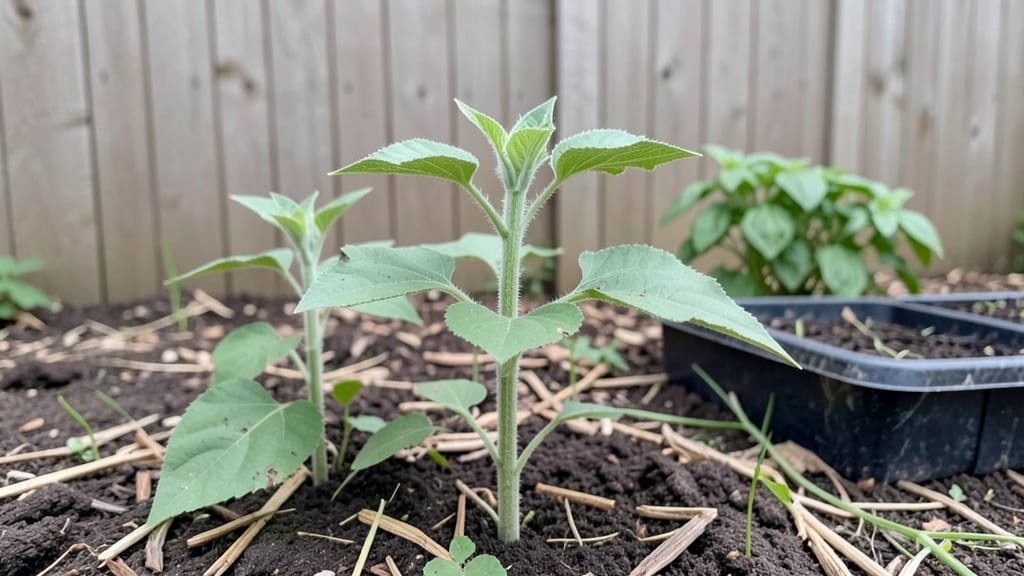
Caring for sunflower seedlings is where the magic happens—those first delicate sprouts turn into towering giants with the right attention. 🌱 The key is consistency: too much water and they rot; too little, and they wilt before they even get their first true leaves.
I’ve watched seedlings go from wobbly stems to sturdy, sun-loving plants just by sticking to a simple routine.
Start with well-draining soil and a sunny spot—sunflowers crave light from day one. A 5-gallon container or small pot works well, and keep the soil moist but not soggy.
Leggy seedlings? They’re begging for more light, not more water. A grow light for 12-14 hours daily fixes this fast, and you’ll see compact, strong stems within a week.
By the time they’re 4-6 inches tall, you’ll notice the difference: vibrant green leaves, no wilting, and roots ready for transplanting. The secret is patience—sunflowers grow fast once they’re happy, and with these steps, you’ll avoid the most common pitfalls that turn seedlings into sad, stunted plants.
Whether you’re growing in pots or the ground, these basics work for all varieties. Next up: how to harden them off before they meet their permanent home in the garden.
📚 In This Guide
- What you need
- Instructions
- Tips and common mistakes
- Wrapping up and next steps
What you need
- ● Seedling containers: 3–4 inch pots or biodegradable seedling pellets (1–2 per seedling). Pro tip: 💡 Use peat or coconut coir pots to avoid transplant shock!
- ○ High-quality potting mix: 5–10 lbs of sterile, well-draining soil (look for a mix labeled for seedlings or vegetables). Optional: 🌡️ Add perlite or vermiculite (10–20%) for extra aeration.
- ● Sunflower seeds: Germinated or pre-sprouted seeds (or fresh seeds if starting from scratch). 🎯 Choose hybrid varieties like ‘Mammoth’ or ‘Autumn Beauty’ for taller, hardier seedlings.
- ● Watering can or spray bottle: With a fine rose attachment to avoid disturbing seedlings.
- ● Grow lights or sunny windowsill: 12–16 hours of light daily (LED grow lights work great!).
- ● Fertilizer: Balanced liquid fertilizer (5-5-5 or 10-10-10) or a slow-release granular fertilizer.
- ● Transplanting tools: Small hand trowel or spoon for gentle soil handling.
- ● Humidity dome or plastic wrap to retain moisture during germination.
- ● Thermometer to monitor soil temp (ideal: 70–80°F for germination).
- ● Seedling heat mat (if starting indoors in cool climates).
- ● Compost or worm castings for extra nutrients (mix 10% into potting soil).
- ● Label markers to track seedling varieties.
How to care for sunflower seedlings: thriving transplants in 7 simple steps
Sunflower seedlings need just a few key things to grow strong—let’s make sure yours get them right.
🌱 Step 1: Wait for the Right Time to Transplant
Sunflowers hate cold soil, so wait until the ground temperature reaches at least 55°F—use your finger to check: push it 1 inch deep into the soil. If it feels warm to the touch, it’s ready. I always plant mine after the last frost when nighttime temps stay above 50°F.
Seedlings need time to harden off first. If you started them indoors, move them outside for 3-4 hours daily over 5-7 days before transplanting. Watch for wilting—they’ll bounce back if they’re ready, but if they stay droopy, give them one more day of acclimation.
☀️ Step 2: Choose the Perfect Spot
Sunflowers need full sun (6-8 hours daily) to grow tall and sturdy. Pick a location with no shade after 10 AM—even partial afternoon shade causes leggy, weak stems. I always scout the spot in the morning to check for obstructions like trees or buildings that might cast shadows.
Loosen the soil to a depth of 12 inches with a garden fork to help roots spread. If your soil is heavy clay or sandy, mix in 2-3 inches of compost to improve drainage and fertility. Sunflowers thrive in well-draining soil—they’ll rot if their roots sit in soggy ground.
🪴 Step 3: Plant Seedlings at the Right Depth
Dig holes just as deep as the seedlings’ root balls—no deeper, or they’ll suffocate. Space them 6 inches apart in rows that are 2 feet apart for proper airflow. If you’re planting multiple rows, stagger the seedlings like bricks to prevent overcrowding as they grow.
Gently remove the seedling from its container, keeping the root ball intact. Place it in the hole, then fill in with soil, pressing lightly around the base. Water deeply right after planting to settle the soil and eliminate air pockets. You’ll see the soil sink slightly—top it off if needed.
💧 Step 4: Water Deeply but Sparingly
Sunflowers need 1-1.5 inches of water per week, but too much water causes weak stems. Water at the base in the morning so the foliage dries quickly—this prevents fungal diseases like powdery mildew. I use a soaker hose or drip irrigation to avoid wetting the leaves.
Let the top 1-2 inches of soil dry out between waterings. Stick your finger in the soil—if it feels dry, it’s time to water. Overwatering is the #1 killer of young sunflowers, so resist the urge to water daily. Once established, they’re surprisingly drought-tolerant.
✂️ Step 5: Support Tall Seedlings Early
Sunflowers grow fast—tall varieties can reach 10 feet in one season! To prevent them from toppling in wind or rain, install stakes or cages as soon as they’re 12 inches tall. I use 3-foot bamboo stakes tied loosely with soft twine to avoid damaging the stem.
Gently weave the stem through the stake’s opening as it grows, adjusting the twine every 3-4 days to accommodate growth. If you wait until they’re too tall, the stems may bend permanently. Watch for leaning—if a seedling starts to tilt, bury the stake deeper on the heavier side to stabilize it.
🌿 Step 6: Fertilize Lightly for Strong Growth
Sunflowers don’t need much fertilizer, but a light feeding boosts their growth. After 4-6 weeks, mix ½ cup of 10-10-10 fertilizer per 10 square feet into the soil around the base. Water it in well to prevent root burn. I avoid high-nitrogen fertilizers—they produce lots of leaves but few flowers.
If your soil is nutrient-poor, repeat the feeding 4-6 weeks later. Stop fertilizing 6-8 weeks before harvest to ensure the plant directs energy to seed development. Yellowing leaves? That’s often a sign of over-fertilizing—cut back immediately and water deeply to flush excess salts.
⏰ Step 7: Monitor for Pests and Diseases
Sunflowers attract aphids, spider mites, and birds, but early action keeps them in check. Check the undersides of leaves weekly for tiny insects or webbing. Spray with a mix of 1 tablespoon dish soap + 1 quart water if you spot pests—it’s safe, effective, and won’t harm pollinators.
Powdery mildew appears as white, powdery spots on leaves. Improve airflow by thinning crowded seedlings and avoid overhead watering. If mildew appears, spray with a 1:10 baking soda-water mix (add a drop of dish soap as a surfactant). Remove heavily infected leaves immediately to stop the spread.
Tips & tricks for perfect sunflower seedling care
Sunflower seedlings might seem simple, but these small details make all the difference between healthy plants and struggling ones.
Soil Temperature Test: That 55°F soil temperature check in Step 1 is non-negotiable. I learned this the hard way—planting too early when soil was only 50°F resulted in stunted growth. Use a soil thermometer if you're unsure; it's more accurate than your finger test, especially in spring's unpredictable mornings.
Hardening Off Hack: When you're hardening off seedlings for those 3-4 hours daily over 5-7 days, start with just 1 hour on day one. Gradually increase time to avoid shocking the plants. I place mine in a sheltered spot where they get morning sun but afternoon shade—this mimics gradual outdoor conditions.
Sunlight Strategy: The 6-8 hours of full sun in Step 2 is crucial, but timing matters too. If your sunflowers start leaning toward the light, rotate them 180 degrees every few days. This prevents them from growing lopsided stems that can't support their own weight later. I set a timer to check their position mid-morning.
Watering Wisdom: For the 1-1.5 inches of water per week, I measure it using a rain gauge. This helps me visualize how much water my seedlings actually need. Watering at the base in the morning (as mentioned) is key—it gives leaves time to dry completely, which prevents those dreaded fungal diseases that can wipe out your seedlings overnight.
Pro Tips for Care For Sunflower Seedlings
- Sunflower seedlings might seem simple, but these small details make all the difference between healthy plants and struggling ones.
- Soil Temperature Test: That 55°F soil temperature check in Step 1 is non-negotiable.
- Hardening Off Hack: When you're hardening off seedlings for those 3-4 hours daily over 5-7 days, start with just 1 hour on day one.
Frequently asked questions
Got questions about nurturing your sunflower seedlings? You’re not alone! Here are some of the most common concerns—and their solutions—to keep your young plants on track for towering success.
How often should I water sunflower seedlings?
Keep the soil consistently moist but not soggy—about 1 inch of water per week, more if it’s scorching hot. Water at the base (not the leaves) to prevent fungal diseases like powdery mildew. Pro tip: Use a spray bottle for delicate seedlings to avoid disturbing them!
When is the best time to transplant sunflower seedlings outdoors?
Wait until after the last frost and soil temps are above 55°F (13°C). Seedlings should be 4–6 inches tall with 2–3 sets of true leaves. Transplant on a cloudy day or late afternoon to reduce stress. Harden them off for 5–7 days first!
Why are my sunflower seedlings leaning or falling over?
Leaning (called etiolation) happens when seedlings don’t get enough light. Move them to a sunnier spot or use a grow light if indoors. For floppy stems, stake them early (use soft ties) or plant deeper to encourage root growth. No drama! They’ll bounce back.
Can I use fertilizer on sunflower seedlings?
Yes! Use a balanced, water-soluble fertilizer (10-10-10) at half-strength when seedlings have their first true leaves. Avoid high-nitrogen fertilizers—they’ll make leaves grow faster than roots. Organic options? Try compost tea or a diluted fish emulsion.
What if my seedlings get yellow leaves?
Yellow leaves often mean overwatering, nutrient deficiency, or pests. Check the soil—it should dry slightly between waterings. If leaves are pale, add a magnesium-rich fertilizer (like Epsom salt). For spotted leaves, inspect for aphids or fungal issues and treat with neem oil if needed.
| Quick Fixes | When to Use |
|---|---|
| Staking (soft ties or bamboo stakes) | When seedlings reach 6+ inches and lean |
| Compost top-dressing (light layer around base) | For slow growth or pale leaves |
| Prune lower leaves (if crowded) | To improve airflow and reduce disease |
Still stumped? Drop your sunflower struggles in the comments—we’ve all been there!
Wrapping up and next steps
Caring for sunflower seedlings is all about patience, consistency, and a little love—just like nurturing any young plant!
With the right balance of sunlight, water, and space, your seedlings will grow into towering beauties that bring joy to your garden. 🌻 Now that you’re armed with these 7 simple steps, it’s time to roll up your sleeves and watch your sunflowers thrive.
Ready to take the next step? Transplant your seedlings outdoors once they’ve developed 3-4 true leaves and the soil is warm enough—just follow your local frost dates for the best results. Happy gardening! 🌱