Flowers
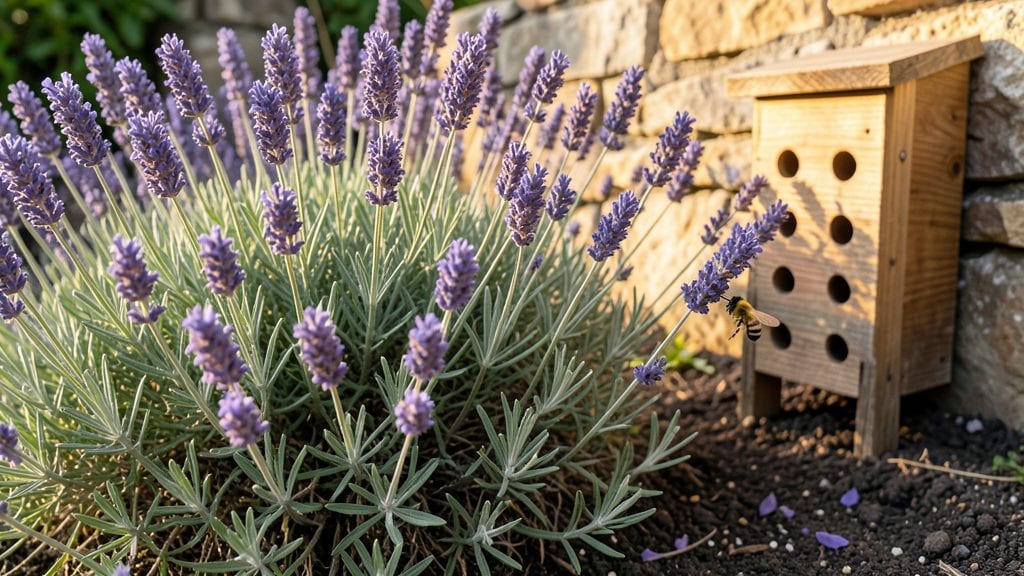
Creating a bees' friend flower garden in the Pacific Northwest isn’t just about beauty—it’s about crafting a buzzing, fragrant haven where pollinators thrive. 🌸 The right mix of native blooms and classic favorites transforms your yard into a year-round buffet for bees, hummingbirds, and butterflies.
I’ve designed mine to bloom from early spring through frost, ensuring no hungry pollinator goes hungry.
Start with lavender, coneflowers, and sunflowers—these are pollinator magnets that also bring bold color and texture to your landscape. Pair them with native PNW favorites like yarrow, Oregon grape, and salal for a garden that feels wild yet intentional.
The key is layering plants with different bloom times so food is always available, and using fragrant varieties like bee balm or catmint to lure bees with their sweet scent.
By mid-summer, your garden will hum with activity as bees dart between blooms, their wings dusted with pollen. The air fills with the earthy sweetness of lavender and the citrusy tang of bee balm, while the garden stays vibrant with color.
This isn’t just a pretty space—it’s an ecosystem that supports local wildlife while giving you a front-row seat to nature’s busiest workers.
Whether you have a sunny meadow or a small balcony, these principles adapt easily. Next, we’ll dive into the planting combinations that keep bees coming back all season—plus how to arrange them for maximum impact and pollinator traffic.
📚 In This Guide
- What you need
- Instructions
- Tips and common mistakes
- Wrapping up and next steps
What you need
- ● Native pollinator-friendly seeds or plants: 1–2 lbs of Eschscholzia californica (California poppy) seeds
- ● 3–5 Lavandula angustifolia (lavender) plants (6–12" pots)
- ● 2–3 Achillea millefolium (yarrow) plants (1-gallon containers)
- ● 1–2 Monarda fistulosa (bee balm) plants (quart-sized pots)
- ● Potting mix: 5–10 cubic feet of well-draining, organic-rich soil (or compost blend for containers)
- ● Mulch: 2–3 bags of cedar chips or straw mulch (to retain moisture)
- ● Watering can or hose: With a gentle spray nozzle (for delicate seedlings)
- ● Garden tools: 1 trowel
- ● 1 hand pruners (sterilized)
- ○ 1 pair of gardening gloves (optional but recommended!)
- ● Sunlight access: 6+ hours of direct sunlight daily (or partial shade for some native varieties)
- ● Water source: Nearby hose or rain barrel for consistent hydration
- ○ Optional (but helpful!): Bee water station (shallow dish with pebbles)
- ● Pollinator-friendly fertilizer (low-nitrogen, high-phosphorus)
- ● Stakes or trellis (for taller varieties like bee balm)
How to create a Pacific Northwest pollinator paradise
Turn your garden into a buzzing haven where bees thrive and fragrant blooms create a sensory feast.
🌱 Step 1: Select Native Bee-Friendly Flowers
Choose plants native to the Pacific Northwest—bees have evolved alongside them and know exactly how to access their nectar and pollen. Favorites like Pacific Coast iris, salal, sword fern, and Oregon grape provide year-round interest while supporting local pollinators. Avoid non-native invasives; they often lack the co-evolved relationships that make flowers truly bee-friendly.
Look for flowers with open, flat faces—these give bees easy landing spots. Single-bloom varieties (like beebalm or yarrow) are better than double flowers, which often have fewer reproductive parts. Group plants in clusters of 3-5 to create visible "beacon" patches that bees can spot from a distance.
🌿 Step 2: Plan for Year-Round Bloom Times
Bees need food from early spring through late fall, so layer plants with staggered bloom periods. Start with early spring bloomers like salmonberry or western columbine, then transition to summer favorites like lupine and checker mallow, and finish with fall bloomers like asters or goldenrod. This ensures bees never face a food desert.
Include ground covers like creeping thyme or wild strawberry to provide early-season pollen when taller plants haven't emerged yet. Mulch with wood chips (not dyed mulch) to retain moisture and protect roots, while also creating microhabitats for beneficial insects.
☀️ Step 3: Provide Water and Shelter
Bees need shallow water sources—place a birdbath with pebbles or a small dish filled with marbles so they can drink without drowning. Refresh the water every 2-3 days to prevent mosquito breeding. Position water sources near—but not inside—flower beds so bees can easily transition from feeding to hydration.
Create shelter with dense shrubs like Pacific dogwood or red elderberry, which offer shade and nesting sites. Leave some bare soil patches or rotting logs—many native bees nest underground. Avoid pesticides entirely; even "bee-friendly" sprays can harm pollinators. If pests appear, handpick or use neem oil sprays applied at dusk.
✂️ Step 4: Maintain Without Disrupting Pollinators
Deadhead spent blooms after bees have finished foraging—check flowers daily in peak bloom season. If you see bees actively working a flower, wait 24 hours before pruning. Use clean, sharp shears to avoid damaging stems, and dispose of clippings in compost (not the trash) to return nutrients to the soil.
Water deeply once a week during dry spells, focusing on the root zone rather than overhead spraying. Early morning is best—wet foliage in afternoon sun attracts fungal diseases. If your soil is heavy clay (common in the PNW), amend with compost to improve drainage while retaining moisture.
🪴 Step 5: Expand with Hedges and Windbreaks
Plant hedges like Pacific wax myrtle or evergreen huckleberry to create windbreaks that protect smaller plants and bees from harsh coastal winds. These also provide year-round structure and nesting opportunities. Space them 4-6 feet apart for mature growth, allowing room for understory plants to thrive.
Add native grasses like Pacific reedgrass or tufted hairgrass for texture and additional pollen sources. Their seed heads offer late-season food when many flowers have finished blooming. Avoid mowing until late fall—bees and other pollinators rely on these seeds as winter food.
Tips & tricks for creating a Pacific Northwest pollinator paradise
Creating a thriving pollinator haven doesn't require a green thumb—just a few strategic choices that make all the difference.
Native Plant Selection: In Step 1, focus on plants with open, flat-faced blooms like Pacific Coast iris and yarrow—they're bee magnets because they provide easy landing platforms. I learned this the hard way after planting several double-flower varieties that ended up being pollinator deserts. The key is to mimic what bees have evolved to recognize.
Bloom Timing Strategy: For Step 2, think of your garden as a buffet with courses—spring, summer, and fall. I always include at least three bloom periods to ensure bees have continuous nourishment. For example, pair early spring's salmonberry with summer's lupine and fall's goldenrod. This layered approach prevents what I call "the pollinator famine" that happens when flowers all bloom at once and then disappear.
Water Source Design: In Step 3, when setting up water sources, place them within 10 feet of flowers—bees are lazy in the best way, preferring short flights between food and water. I use a shallow dish with pebbles and refresh it every 2-3 days to prevent mosquito breeding. The pebbles create natural landing spots for tiny legs, making it safer for our winged friends.
Pruning with Purpose: In Step 4, the 24-hour waiting period before deadheading is crucial—it gives bees time to finish their work. I always check flowers in the morning for active pollinators before reaching for my shears. This small patience pays off in visible bee activity throughout the season. The composting tip for clippings is also a game-changer for soil health.
Pro Tips for Bees Friend Flower
- Creating a thriving pollinator haven doesn't require a green thumb—just a few strategic choices that make all the difference.
- Native Plant Selection: In Step 1, focus on plants with open, flat-faced blooms like Pacific Coast iris and yarrow—they're bee magnets because they provide easy landing platforms.
- Bloom Timing Strategy: For Step 2, think of your garden as a buffet with courses—spring, summer, and fall.
Frequently asked questions
Got questions about growing bees' friend flowers in the Pacific Northwest? You’re not alone! Here are some common queries—and their answers—to help you create a buzzing, blooming paradise for pollinators.
What are the best “bees’ friend” flowers for the PNW climate?
The Pacific Northwest’s mild, wet winters and warm summers make it ideal for hardy, native bloomers like bee balm, lavender, yarrow, and violet. These flowers thrive in the region’s soil and provide nectar from early spring to late fall. Stick to native species—they’re low-maintenance and packed with pollen!
When is the best time to plant these flowers for year-round bee activity?
For continuous blooms, plant in early spring (March–April) and early fall (September–October). Spring-planted flowers like lupine and columbine kickstart the season, while fall additions (e.g., asters) keep bees fed as summer winds down. Pro tip: Succession planting—adding new blooms every 4–6 weeks—ensures no gaps in your pollinator buffet!
Do bees’ friend flowers need special care in rainy PNW weather?
Most native PNW flowers love moisture, but avoid soggy soil by planting in well-draining areas or raised beds. Mulch with wood chips or straw to protect roots and reduce fungal risks. Warning: Overwatering can drown roots—let the top 1–2 inches of soil dry between waterings in winter.
Can I grow these flowers in containers or small spaces?
Compact varieties like dwarf lavender, miniature bee balm, or window-box-friendly alyssum thrive in pots. Use lightweight, well-draining soil and containers with drainage holes. Place them near windows or balconies to maximize sun exposure—bees will find them even in tight spots!
Why aren’t bees visiting my “bees’ friend” flowers?
Check these fixes:
- Timing: Some flowers (like early spring crocuses) bloom before bees wake up. Add late-winter bloomers (e.g., heather) to bridge the gap.
- Pesticides: Even “bee-safe” sprays can deter pollinators. Skip chemicals—opt for neem oil or soapy water sprays if pests appear.
- Location: Plant near water sources (like a shallow dish with pebbles) and avoid windy spots—bees prefer sheltered, sunny areas.
Wrapping up and next steps
Transforming your Pacific Northwest garden into a bees’ friend flower haven isn’t just rewarding—it’s a gift to nature!
By choosing fragrant, native blooms like Ceanothus or Lavandula, you’re supporting pollinators while adding beauty to your space. Start small: even a single patch of bee-friendly flowers makes a difference, and soon, your garden will buzz with life (and gratitude!). 🐝✨
Ready to take the next step? Pick one plant from this guide and plant it this weekend—your local bees will thank you!