Planting
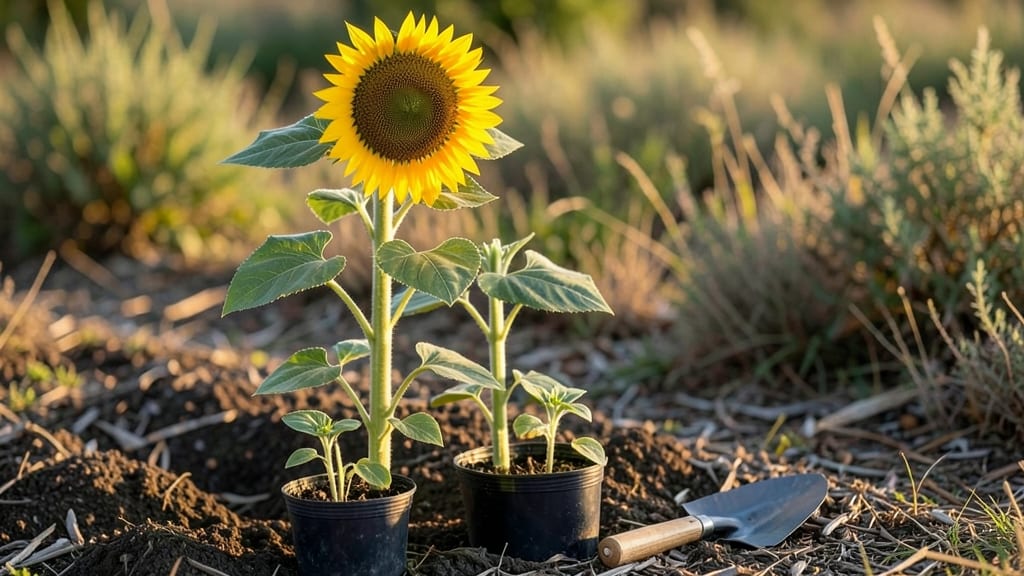
The best place to plant sunflowers is where they can soak up six to eight hours of direct sunlight daily—that’s the golden rule for those towering stems and bright blooms. 🌻 I learned this the hard way after planting mine in a shady corner last summer, only to watch them stretch pitifully toward the sky like starving teenagers.
Sunflowers aren’t just sun-lovers; they’re sun-worshippers, and anything less than full sun means smaller blooms and weaker stems.
Now, here’s the thing—sunflowers aren’t picky about soil, but they do best in well-draining earth with a little room to stretch. Urban gardens? No problem—just find the sunniest patch, even if it’s a balcony or sidewalk strip.
Rural plots give you more flexibility for spacing, but even in tight city spaces, three feet between plants keeps them from competing for light. Windy areas? Plant them near a fence or wall to break the breeze—they’ll thank you with fewer floppy stems.
When you get it right, you’ll end up with sunflowers that reach six to twelve feet tall, their faces tracking the sun like little solar panels. The blooms? Vibrant, dinner-plate-sized delights that attract bees and make your garden the talk of the neighborhood.
Plus, the seeds? Crunchy, nutritious snacks straight from your backyard. This is the sunflower magic you’re after—and it all starts with the perfect spot.
Pro tip: Pair them with fast-growing companions like radishes or lettuce to use up early sunlight, then let the sunflowers take over as they grow. And if you’re in a cooler climate, wait until after the last frost—sunflowers love warmth, and they’ll bolt if planted too early.
Let’s get those seeds in the ground!
📚 In This Guide
- What you need
- Instructions
- Tips and common mistakes
- Wrapping up and next steps
What you need
- ● Sunflower seeds: Choose dwarf (4–5 ft), medium (6–8 ft), or giant (10+ ft) varieties based on space. 🌱
- ● Quantity: 10–20 seeds per plant (or pre-packaged seed packets for ~10–20 plants).
- ● Pro tip: Opt for heirloom or non-GMO seeds for better flavor and pollinator appeal! 🐝
- ● Soil: Well-draining, loamy soil with a pH of 6.0–7.5 (test with a soil kit if unsure).
- ● Add compost (1–2 inches mixed into top 6–12 inches of soil) for nutrients.
- ● Fertilizer: Balanced 10-10-10 or 5-10-10 fertilizer (follow package rates).
- ○ Optional: Slow-release organic fertilizer (like bone meal) for extra nutrients. 💪
- ● Watering tools: Watering can or drip irrigation (for consistent moisture).
- ● Hose with a gentle spray nozzle (to avoid displacing seeds).
- ● Planting supplies: Gardening gloves (to protect hands from thorns on mature plants).
- ● Trowel or hand shovel (for digging holes).
- ● Measuring tape or ruler (to space seeds 6–36 inches apart, depending on variety).
- ● Sunlight: Full sun (6–8+ hours of direct sunlight daily). Partial shade = shorter stems! ☀️
- ● Temperature: Plant after the last frost when soil temps are at least 50°F (10°C).
- ● Avoid planting in extreme heat (above 90°F/32°C)—seeds may dry out.
- ● Spacing: Dwarf: 6–12 inches apart
- ● Medium: 12–18 inches apart
- ● Giant: 24–36 inches apart (they need room to sway!).
- ● Mulch (straw or wood chips) to retain moisture and suppress weeds.
- ● Cage or stake (for giant varieties to prevent toppling in wind).
- ● Bird netting (if squirrels or birds are seed thieves!). 🐿️
- ● Seed-starting tray (if you’re super early and want to sow indoors 4–6 weeks before last frost).
How to choose the perfect sunflower location for maximum height and blooms
Sunflowers reward the right spot with jaw-dropping height and vibrant blooms—here's exactly where to plant them for stunning results.
🌱 Step 1: Find a Location with Full Sun Exposure
Sunflowers demand 6-8 hours of direct sunlight daily—no compromises. The more sun they get, the taller and more robust they become. I always check the sunniest corner of my yard first, as morning sunlight combined with afternoon warmth produces the best results. Watch your yard over a week to identify spots where sunlight hits consistently.
If your yard has partial shade, choose the sunniest side of the house or fence where sunflowers can soak up those golden rays. You'll notice the difference immediately—sunflowers in partial shade grow leggy and produce smaller blooms. For the best towering stems, aim for full sun without obstructions from trees or buildings.
☀️ Step 2: Test Soil Drainage Before Planting
Sunflowers hate soggy roots, so test your soil's drainage first. Dig a hole about 12 inches deep and fill it with water. If the water drains within an hour, your soil is good to go. If it pools for hours, amend the soil with 2-3 inches of compost to improve drainage and aeration.
I like to work in a handful of coarse sand or perlite if my soil is particularly clay-heavy. Well-draining soil prevents root rot and ensures your sunflowers grow strong and straight. You'll see healthy, upright stems rather than weak, leaning plants that struggle to support their own weight.
🪴 Step 3: Plant in Spacious, Uncrowded Areas
Sunflowers need room to spread their roots and grow tall without competing for nutrients. Space them 18-24 inches apart in rows that are 2-3 feet apart. This gives them plenty of elbow room to develop strong root systems and sturdy stems. Crowding leads to weak, top-heavy plants that flop over before they even bloom.
For a dramatic display, plant sunflowers along fences or borders where they can grow unobstructed. I often group them in clusters of 4-5 plants to create a striking focal point. Avoid planting near large trees or shrubs, as their roots will compete for water and nutrients, stunting your sunflowers' growth.
⏰ Step 4: Time Planting for Optimal Growth Conditions
Plant sunflower seeds 2-3 weeks after your last frost date when soil temperatures reach at least 55°F. This ensures they germinate quickly and grow strong before summer heat sets in. I always check the frost dates for my area and mark the calendar—planting too early risks frost damage, while planting too late can result in shorter stems.
If you're growing sunflowers in containers, use pots that are at least 12 inches deep to accommodate their long taproots. Place containers in a sunny spot and water deeply when the top inch of soil feels dry. You'll see rapid growth once the seeds sprout, with some varieties reaching 10 feet tall in just a few months.
💧 Step 5: Monitor and Adjust for Wind Protection
Tall sunflowers need support in windy areas. If your location is exposed to strong breezes, plant sunflowers near a fence, wall, or other windbreaks. You can also stake taller varieties with bamboo stakes or use plant ties to secure them as they grow. This prevents them from snapping under their own weight or bending over.
I often plant sunflowers in a staggered pattern along a fence line to create a natural windbreak for other plants. This not only protects your sunflowers but also adds a beautiful vertical element to your garden. Watch for signs of stress like wilting or leaning stems—these are clear indicators that your sunflowers need a little extra protection from the elements.
Tips & tricks for perfect sunflower planting
These game-changing tips will help you grow sunflowers that reach sky-high and bloom like showstoppers!
Sun Exposure Secret: The 6-8 hours of direct sunlight in Step 1 is non-negotiable, but here's the thing: morning sun (6 AM-12 PM) is more important than afternoon sun. Sunflowers need that morning warmth to kickstart their growth. I've seen sunflowers in partial afternoon shade still grow tall if they get full morning sun—just don't expect those massive blooms. For maximum height, aim for sun from both east and west exposures.
Soil Test Hack: When testing soil drainage in Step 2, I like to add a handful of gypsum to clay-heavy soils along with the compost. This helps break up compacted soil over time, giving those deep taproots room to stretch. The 12-inch deep test is perfect—it mimics the depth sunflower roots will reach. If water pools at all, you know you've got work to do before planting.
Spacing Strategy: The 18-24 inch spacing in Step 3 might seem generous, but trust me on this: sunflowers grow surprisingly fast. I've seen them shoot up 2 inches in a single day! For a dramatic effect, plant in staggered rows—offset each row by half the spacing distance. This creates a natural windbreak between plants while maximizing your garden space. And if you're really ambitious, try planting in a spiral pattern for a whimsical, fairy-tale look.
Wind Protection Pro Tip: For windy areas mentioned in Step 5, I recommend using soft plant ties instead of stiff stakes. The flexible ties move with the plant as it grows, preventing stem damage. You can even make your own from old t-shirts! Start tying when plants reach about 2 feet tall, and always tie above the leaf nodes. This encourages new growth above the tie point, keeping your sunflowers growing upward instead of getting stuck at a certain height.
Pro Tips for Best Place To Plant Sunflowers
- These game-changing tips will help you grow sunflowers that reach sky-high and bloom like showstoppers!
- Sun Exposure Secret: The 6-8 hours of direct sunlight in Step 1 is non-negotiable, but here's the thing: morning sun ...
- Soil Test Hack: When testing soil drainage in Step 2, I like to add a handful of gypsum to clay-heavy soils along wit...
Frequently asked questions
Got questions about planting sunflowers? You’re not alone!
Here are answers to the most common queries to help you grow stunning, sun-soaked blooms with ease.
When is the best time to plant sunflowers?
Sunflowers thrive in warm soil—plant them after the last frost when temperatures stay above 50°F (10°C). For most regions, this means late spring to early summer. If you’re in a mild climate, you can even try fall planting for late-season blooms!
Can I grow sunflowers in containers or small spaces?
Dwarf varieties like ‘Teddy Bear’ or ‘Moulin Rouge’ (1–3 feet tall) are perfect for pots, balconies, or small gardens. Use a 5-gallon container with drainage and plant 1–2 seeds per pot. Just ensure they get full sun (6+ hours/day)!
Why aren’t my sunflowers blooming?
Sunflowers need full sun, consistent water, and good soil. Check these fixes:
- Light: Move to a sunnier spot if shaded.
- Water: Keep soil evenly moist (not soggy).
- Nutrients: Add balanced fertilizer (10-10-10) at planting.
- Overcrowding: Thin seedlings to 12–24 inches apart.
If they’re tall but leggy, they may need more sunlight.
What’s the best companion plant for sunflowers?
Sunflowers pair well with:
- Beans or peas (nitrogen-fixing friends).
- Marigolds (repel pests naturally).
- Basil or borage (improve flavor if grown for seeds).
Avoid planting near potatoes or corn—they compete for nutrients.
Can sunflowers survive winter?
Most sunflowers are annuals and die back in frost. However, perennial varieties (like ‘Russian Mammoth’) may return in mild winters. To extend their life:
- Cut back dead stems in late fall.
- Mulch the base to protect roots.
- In cold climates, dig up tubers (if growing for seeds) and store them in a cool, dry place.
Save seeds for next year’s sunny surprises!
Wrapping up and next steps
Planting sunflowers is a rewarding journey that brings joy, beauty, and even delicious rewards to your garden! 🌻 Whether you’re aiming for towering blooms, bird-friendly seeds, or edible snacks, the key to success lies in choosing the right spot—full sun, well-drained soil, and plenty of space.
Now that you know the best places to plant them, grab your gardening gloves and get ready to watch your sunflowers grow into stunning, sun-soaked giants!
💡 Next step: Mark your sunny patch, prep the soil, and plant those seeds—your future sunflower paradise awaits! 🌱