Watering
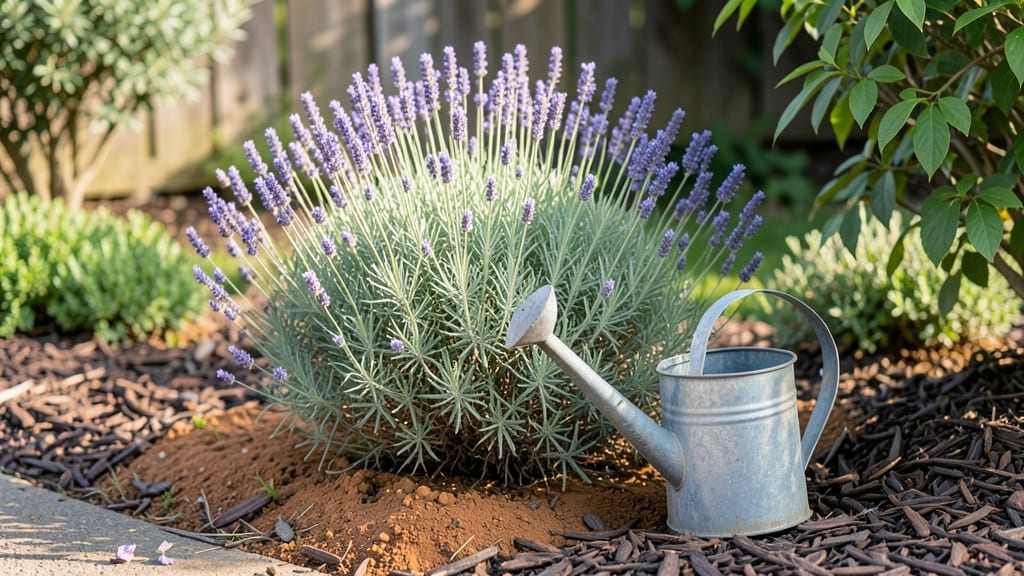
The best way to water flower beds is with a deep soak—it’s the single most important habit I learned after killing my first garden, transforming wilting petals into lush, vibrant blooms.
Too many gardeners drown their plants with light sprinkles, thinking more water equals better growth, but shallow watering creates weak roots and wasted H₂O. The secret lies in soaking slowly until moisture reaches 6–8 inches deep, which encourages roots to dive downward for nutrients and drought resistance.
Timing matters just as much as technique. Early morning watering (before 9 AM) lets foliage dry quickly, preventing fungal diseases like powdery mildew, while evening watering risks nighttime dampness that invites slugs.
Frequency depends on your soil: sandy beds need watering every 2–3 days, while clay holds moisture for a week. Tools like soaker hoses or drip irrigation deliver water at the roots where it’s needed, cutting evaporation and weed growth by up to 50%.
Even a simple watering wand gives you control over pressure and distribution.
You’ll notice the difference within weeks—plants stand taller, leaves stay crisp, and blooms last longer. Drought-tolerant lavender thrives on deep but infrequent watering, while hydrangeas demand consistent moisture.
The key is adapting to your garden’s needs: stick your finger in the soil after watering—if the top inch feels dry, it’s time again. This method cuts water use by 30% while keeping your garden thriving, even during heatwaves.
For clay-heavy soil, mix in compost to improve drainage; for sandy soil, mulch retains moisture longer. Avoid watering overhead at peak sun—it burns leaves and wastes water. Start small with one bed, track what works, and soon your entire garden will thank you with stronger stems and bigger blooms.
The payoff? A garden that looks effortless because it is effortless—once you master the deep soak.
📚 In This Guide
- What you need
- Instructions
- Tips and common mistakes
- Wrapping up and next steps
What you need
- ● Water source: Garden hose (3/8" or 1/2" diameter, 50+ feet long for reach)
- ● Adjustable nozzle (showerhead or oscillating spray for even coverage)
- ● Watering aids: Soaker hoses (1/4" or 1/2" diameter, 10–50 feet, depending on bed size)
- ○ Drip irrigation kit (optional but ideal for precision watering)
- ● Timing tools: Timer or smart watering controller (for automated schedules)
- ● Waterproof timer (if using a hose)
- ● Safety & prep: Work gloves (to protect hands from sharp edges or soil)
- ● Knee pads (for comfort during longer sessions)
- ● Water-saving tools: Rainwater barrel (to collect and reuse water)
- ● Moisture meter (to check soil hydration levels)
- ● Comfort & convenience: Wheelbarrow (for carrying water or tools)
- ● Portable stool (for larger gardens)
- ● Mulch: Organic mulch (straw, wood chips, or shredded leaves) to retain moisture and reduce evaporation
Instructions for watering flower beds like a pro
Here's the method I rely on to keep flower beds lush without wasting water or inviting disease.
Water Deeply at the Right Time
Water your flower beds in the early morning—between 6 and 10 a.m.—when temperatures are cool and evaporation is minimal. This gives roots time to absorb moisture before the heat of the day. Use a soaker hose or drip irrigation system to deliver water slowly at the base of plants. You'll know you're doing it right when the top 6 inches of soil feel damp but not soggy.
For new plantings, water immediately after planting to settle the soil and encourage root growth. After that, wait until the soil feels dry to the touch about 1-2 inches below the surface before watering again. Overwatering is just as harmful as underwatering—it suffocates roots and promotes fungal diseases. I always check with my finger before reaching for the hose.
Space Watering Sessions for Maximum Root Growth
Instead of light, frequent watering, aim for deep, infrequent watering sessions. This encourages roots to grow deeper in search of moisture, making plants more drought-resistant. For most flower beds, watering 2-3 times per week during dry spells is plenty, but adjust based on your climate and soil type. Sandy soil drains quickly and may need more frequent watering, while clay soil holds moisture longer.
Here's the thing—if you're watering daily, you're likely only wetting the surface. Roots need to stretch deep, and that happens when they're forced to seek out moisture. Watch for wilting leaves or soil pulling away from the pot (if using containers) as signals it's time to water again. Mulch helps retain moisture, so apply a 2-3 inch layer of organic mulch around plants to reduce evaporation.
Adjust for Seasonal and Weather Changes
During the spring and fall, when temperatures are moderate and rainfall is more consistent, you can reduce watering to once a week unless the soil feels dry. In summer, heat and wind increase evaporation rates, so you may need to water every other day—especially for thirsty plants like sunflowers or zinnias. Always check the soil before watering; it's the best indicator of what your plants truly need.
After heavy rain, skip watering entirely. Overwatering after rain can lead to root rot and other issues. I like to stick my finger into the soil after a rainstorm—if it's already damp below the surface, hold off on watering. Conversely, if a heatwave is forecasted, increase watering slightly to help plants cope with the stress. Consistency is key, but adaptability is what keeps your flower beds thriving.
Target Watering to Avoid Waste and Disease
Direct water to the base of plants, not the leaves or flowers. Watering foliage can lead to fungal diseases like powdery mildew, especially in humid climates. Use a watering wand or soaker hose to control the flow and ensure water goes where it's needed most. If you're using a sprinkler, water in the early morning to allow foliage to dry quickly and prevent disease.
For flower beds with varying plant types, group plants with similar water needs together. Succulents and drought-tolerant perennials can share space, while thirsty annuals like petunias or impatiens need more frequent watering. This zoning makes maintenance easier and ensures no plant is over- or underwatered. Always water slowly to avoid runoff, which wastes water and can erode soil around plants.
Tips & tricks for perfect flower bed watering
Here's what I've learned after years of trial and error to keep your flower beds looking their absolute best with minimal effort.
Timing is Everything: That 6-10 a.m. window in Step 1 isn't just arbitrary—it's when evaporation is lowest and plants can absorb moisture most efficiently. I've seen firsthand how watering at noon can waste up to 30% of your water through evaporation. If you must water later, do it in the evening but make sure foliage dries completely to prevent fungal issues. The key is getting water to the roots when they're ready to drink.
Soil Check is Non-Negotiable: When Step 1 says to check for dryness 1-2 inches below the surface, I mean it—don't just glance at the top layer. The top inch can dry out quickly while moisture remains below. Use your finger to test the soil's dampness at the 1-2 inch depth before watering. This simple check prevents both underwatering and the dreaded overwatering that causes root rot. I keep a small trowel handy to make this check quick and easy.
Mulch Makes All the Difference: The 2-3 inch layer of mulch mentioned in Step 2 isn't just decorative—it's your secret weapon against moisture loss. Organic mulches like wood chips or straw break down over time, adding nutrients to the soil while locking in moisture. I've found that properly mulched beds need about 25% less water than unmulched ones. Just be sure to keep mulch a few inches away from plant stems to prevent rot.
Equipment Matters More Than You Think: While any watering method works, the soaker hose or drip irrigation mentioned in Step 1 are game-changers. They deliver water directly to the roots at a slow, steady pace that prevents runoff and waste. I've seen people use regular hoses and still get great results, but the difference in water efficiency and plant health is noticeable. If you're on a budget, even a simple watering wand gives you better control than a sprinkler.
Pro Tips for Best Way To Water Flower Beds
- Here's what I've learned after years of trial and error to keep your flower beds looking their absolute best with minimal effort.
- Timing is Everything: That 6-10 a.m. window in Step 1 isn't just arbitrary—it's when evaporation is lowest and plants can absorb moisture most efficiently.
- Soil Check is Non-Negotiable: When Step 1 says to check for dryness 1-2 inches below the surface, I mean it—don't just glance at the top layer.
Frequently asked questions
Got questions about keeping your flower beds lush and hydrated?
Here are answers to the most common concerns—from timing tricks to troubleshooting woes.
How often should I water my flower beds?
Most flower beds need 1–1.5 inches of water per week, either from rain or manual watering. Deep watering 2–3 times per week (early morning or late evening) encourages strong roots. Adjust based on your climate—dry areas may need more, while humid zones can go longer between waterings.
What’s the best time of day to water?
Water in the early morning (5–9 AM) to reduce evaporation and fungal risks. Avoid midday heat, which wastes water, and evening watering, which can promote mildew. If you must water later, do it at least 3 hours before sunset for optimal absorption.
Can I use a sprinkler, or is drip irrigation better?
Both work, but drip irrigation is ideal for flower beds—it delivers water directly to roots, cuts waste, and prevents fungal diseases. Sprinklers are fine for quick hydration but may overwater leaves. For small beds, a soaker hose is a budget-friendly middle ground!
How do I know if my flowers are over- or under-watered?
Under-watered signs:
Wilting, dry soil 1–2 inches down, crispy leaf edges. Over-watered signs: Yellowing leaves, mold/mildew, soil that stays soggy. Stick your finger in the soil—if it’s dry past 1 inch, water; if it’s damp, wait. Adjust your schedule based on these cues!
What if my flower bed has uneven water distribution?
Uneven watering often stems from clogged emitters, poor soil contact, or sloped beds. Check drip lines for blockages, ensure emitters are buried slightly, and consider mulching to retain moisture evenly. For slopes, water in short bursts or use a swing joint to direct flow where needed.
Wrapping up and next steps
Mastering the best way to water flower beds is all about consistency, timing, and technique—whether you’re a seasoned gardener or just starting out! 🌱 By committing to deep, infrequent watering, using the right tools, and adjusting for your climate, you’ll nurture lush, resilient blooms that thrive year-round.
The key takeaway? Patience and precision pay off—your garden will thank you with vibrant colors and healthy growth.
Ready to put these tips into action? Grab your watering can or hose, pick a sunny morning, and give your flower beds the love they deserve. Your thriving garden awaits! 🌸