
Trees
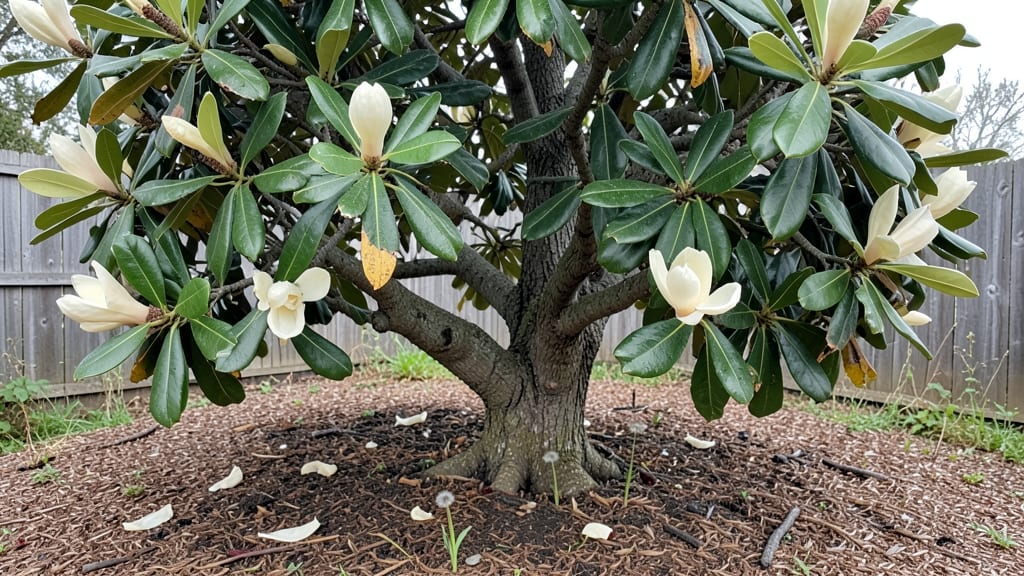
Planting big flowering trees in the Pacific Northwest isn’t just about adding height—it’s about creating a hummingbird magnet that transforms your yard into a seasonal spectacle. 🌸 I’ve watched my own magnolia explode with blooms in April, its petals so thick they block the driveway for weeks, while hummingbirds dart between branches like tiny acrobats.
The right tree doesn’t just grow—it becomes the heart of your landscape, offering shade, privacy, and year-round interest.
Magnolias, dogwoods, and western redbuds thrive here because they love the PNW’s mild summers and wet winters. They’ll need well-draining soil (amend heavy clay if needed) and 15–25 feet of space to avoid crowding power lines or foundations.
The payoff? A canopy of blossoms that outshines any annual flower bed, plus fragrant blooms that attract pollinators from March to June. Just pick a spot where you’ll enjoy the show for decades—these trees aren’t going anywhere.
Start with a young specimen (3–5 gallons) for easier planting, and mulch heavily to retain moisture. Within 3–5 years, you’ll have a towering focal point that casts dappled shade and hosts hummingbird migrations.
The key is patience—big trees take time, but they repay it with unmatched drama and low-maintenance beauty. Let’s pick the perfect one for your space.
Bonus: These trees handle our rainy winters better than most, and their fall foliage often rivals their spring blooms. Whether you want a statement entrance or a backyard privacy screen, the right flowering giant will make your neighbors green with envy—literally. Ready to plant something legendary?
📚 In This Guide
- What you need
- Instructions
- Tips and common mistakes
- Wrapping up and next steps
What you need
- ● Big flowering tree saplings: Choose Pacific Northwest natives like Pacific Dogwood (Cornus nuttallii), Oregon Grape Holly (Mahonia aquifolium), or Vine Maple (Acer circinatum). Buy 3-5 mature trees (5–10 ft tall) for optimal impact.
- ● High-quality potting soil: 50 lbs of organic, well-draining soil (amend with 10 lbs of compost for nutrients).
- ● Mulch: 3–4 cubic feet of wood chips or bark mulch (3–4 inches deep) to retain moisture and suppress weeds.
- ● Slow-release fertilizer: 1 lb of balanced 10-10-10 or organic tree fertilizer (follow package rates).
- ● Tree stakes & ties: 2–3 stakes per tree (6 ft tall) and soft fabric ties to support young trees.
- ● Shovel or spade: For digging holes 3x wider and as deep as the root ball.
- ● Pruning shears: Bypass pruners (for clean cuts) and loppers (for thicker branches).
- ● Wheelbarrow: To haul soil, mulch, and tools.
- ● Garden hose or watering can: With a soaker hose attachment for deep watering.
- ● Gloves & knee pads: For comfort during planting.
- ● Tree guard: Plastic or metal to protect young trunks from rodents.
- ● Hummingbird feeders: 2–3 feeders (red, nectar-filled) to attract birds while flowers bloom.
- ● Drip irrigation system: For automated watering (great for drought-prone areas).
- ● Soil pH tester: To ensure your soil is slightly acidic (pH 5.5–6.5), ideal for PNW natives.
How to select and plant big flowering trees for Pacific Northwest hummingbird gardens
Here's the straightforward approach I've used to establish showstopping trees that attract hummingbirds year after year.
🌱 Step 1: Choose Native Species Perfect for Hummingbirds
Focus on Pacific Northwest natives like Pacific Dogwood (Cornus nuttallii), Vine Maple (Acer circinatum), or Red Flowering Currant (Ribes sanguineum). These species evolved alongside hummingbirds and produce high-sugar nectar that fuels migrating birds. Dogwoods in particular bloom in early spring when food is scarce, making them a hummingbird magnet.
Look for mature specimens with established root systems—these trees establish faster and handle transplant shock better. Avoid container-grown trees with circumferential roots (roots circling the pot), as these will strangle the trunk when planted. Instead, select bare-root or field-grown specimens when possible, or carefully prune container roots before planting.
🪴 Step 2: Prepare the Planting Site for Long-Term Success
Dig a hole twice as wide as the root ball but no deeper—planting too deep suffocates roots and causes stress. Amend the native soil with compost (mix 5-10 gallons into the backfill) to improve drainage and fertility, but avoid heavy amendments like peat moss, which can compact over time. The Pacific Northwest's acidic, clay-heavy soils often need this adjustment for optimal growth.
Test the site for full sun exposure—most flowering trees need 6+ hours of direct light daily. If your yard has partial shade, choose shade-tolerant species like Oregon Grape (Mahonia aquifolium) or Salal (Gaultheria shallon) instead. Mark the planting location with stakes to ensure you account for the tree's mature spread (often 20-40 feet wide for large species).
☀️ Step 3: Plant at the Right Time and Water Deeply
Plant in early fall or late winter when temperatures are cool but the ground isn't frozen. This gives roots 6-8 weeks to establish before summer stress. Remove the tree from its container and soak the root ball for 30-60 minutes before planting to rehydrate roots. If planting bare-root, soak roots for 1-2 hours in water with a rooting hormone to encourage regrowth.
Position the tree so the root flare (where roots meet trunk) sits 1-2 inches above ground level. Backfill with native soil, tamping gently to remove air pockets. Create a watering basin by mounding soil 4-6 inches high around the perimeter—this directs water straight to roots. Water deeply (about 10 gallons) immediately after planting to settle soil and eliminate air gaps.
💧 Step 4: Mulch and Monitor for Hummingbird Activity
Spread 3-4 inches of wood chips or bark mulch over the root zone, keeping it 6 inches away from the trunk to prevent rot. Mulch retains moisture and regulates soil temperature, which is critical in the Pacific Northwest's wet winters and dry summers. Replenish mulch annually—it breaks down faster in our climate than in drier regions.
Within 2-3 weeks, you should see new leaf growth—this confirms the tree is established. By late spring, hummingbirds will begin visiting as flowers open. To encourage repeat visits, avoid pesticides (even organic ones) and consider adding a hummingbird feeder nearby during migration seasons (April and September).
✂️ Step 5: Prune Strategically for Health and Bloom
Wait 1-2 years before pruning to allow the tree to establish its root system. When you do prune, remove dead, diseased, or crossing branches in late winter or early spring before new growth begins. Never remove more than 25% of the canopy in a single season—this stresses trees and reduces flowering. For flowering trees, prune after blooming to preserve next year's flowers.
Watch for suckers (shoots growing from the base) and water sprouts (vertical shoots from the trunk)—these divert energy from flowering. Remove them promptly with clean, sharp pruners to maintain the tree's energy focus on producing high-quality nectar for hummingbirds. A well-pruned tree in the Pacific Northwest will reward you with decades of blooms and hummingbird visits.
Tips & tricks for perfect big flowering trees
A few strategic moves will help your Pacific Northwest flowering trees thrive and become hummingbird magnets from day one.
Species Selection Insight: When choosing between Pacific Dogwood, Vine Maple, or Red Flowering Currant, consider bloom timing. Dogwoods bloom earliest in spring when hummingbirds are most desperate for nectar after migration, while Vine Maple offers late spring color. For continuous interest, plant a combination—Dogwood for early season, Currant for mid-season, and Maple for late blooms. This layered approach creates a year-round hummingbird buffet.
Root System Strategy: The 30-60 minute soaking time for container roots is non-negotiable—it rehydrates roots after pot confinement and reduces transplant shock. For bare-root specimens, extend that to 1-2 hours with rooting hormone. Pro tip: Trim any circumferential roots with clean pruners before planting to prevent girdling. I've seen trees with these roots literally strangle themselves within 3 years.
Site Preparation Secret: The 5-10 gallons of compost mixed into backfill might seem like overkill, but Pacific Northwest's clay-heavy soils need this adjustment. Use only well-aged compost—fresh manure can burn roots. For extra insurance, create a 6-inch deep "compost sandwich" layer in the bottom of the planting hole before positioning your tree. This gives roots immediate access to nutrients as they establish.
Mulching Mastery: That 3-4 inch mulch layer isn't just for looks—it's a moisture and temperature regulator critical for our climate's extremes. Use only wood chips or bark mulch (never dyed mulch), and maintain the 6-inch trunk clearance to prevent rot. In our wet winters, I often double the mulch thickness to 6 inches temporarily, then reduce back to 3-4 inches in summer when moisture needs are lower.
Pro Tips for Big Flowering Trees
- A few strategic moves will help your Pacific Northwest flowering trees thrive and become hummingbird magnets from day one.
- Species Selection Insight: When choosing between Pacific Dogwood, Vine Maple, or Red Flowering Currant, consider bloom timing.
- Root System Strategy: The 30-60 minute soaking time for container roots is non-negotiable—it rehydrates roots after pot confinement and reduces transplant shock.
Frequently asked questions
Got questions about big flowering trees in the Pacific Northwest? You’re not alone! Here are some of the most common inquiries—and their answers—to help you plan your hummingbird haven with confidence.
What’s the best big flowering tree for attracting hummingbirds in the PNW?
The Pacific Dogwood (Cornus nuttallii) is a top pick—its stunning spring blooms and nectar-rich flowers are irresistible to hummingbirds. Other standouts include Oregon Ash (Fraxinus latifolia) and Red Flowering Currant (Ribes sanguineum), both native and low-maintenance.
How long does it take for a big flowering tree to mature and bloom?
Most big flowering trees take 3–7 years to reach full bloom after planting, depending on species and growing conditions. Fast growers like Vine Maple (Acer circinatum) may bloom in 2–3 years, while slower growers like Bigleaf Maple (Acer macrophyllum) can take 5+ years.
Are big flowering trees drought-tolerant in the PNW’s rainy climate?
Some are! Native species like Oregon Grape Holly (Mahonia aquifolium) and Salal (Gaultheria shallon) handle moisture well, but others (e.g., Crabapple) need consistent watering. Always check the species’ native range—PNW natives are your best bet for resilience.
Can I plant a big flowering tree in a small urban yard?
Opt for dwarf or columnar varieties like Columnar Cherry (Prunus avium ‘Columnaris’) or Dwarf Pacific Dogwood (Cornus nuttallii ‘Compacta’). Just ensure it has 6–8 feet of clearance from structures and overhead power lines.
Will big flowering trees attract bees or other pests alongside hummingbirds?
Yes! Most flowering trees welcome pollinators like bees and butterflies—that’s a good thing for ecosystems. To minimize pests, choose native species (they’re adapted to local predators) and avoid over-fertilizing. Hummingbirds will still dominate at feeders!
Pro Tip:
Need a fast hummingbird magnet? Plant Red Columbine (Aquilegia formosa) or Salal as understory companions—they bloom early and provide nectar while your big tree matures!
Wrapping up and next steps
Big flowering trees in the Pacific Northwest aren’t just stunning—they’re vital lifelines for hummingbirds and a feast for the eyes! 🌸 From towering Pacific Dogwoods to vibrant Oregon Grape, these giants offer nectar, shelter, and a splash of color that turns any landscape into a hummingbird haven.
Whether you're a gardener, a nature lover, or just someone who adores blooms, planting these trees is a rewarding way to support local ecosystems and create a breathtaking outdoor space.
Ready to take the next step? Start small—research a tree that thrives in your zone, or visit a local nursery to see these beauties in person. Your yard (or balcony!) could soon be buzzing with life—one big bloom at a time! 🌿✨