
Flowers
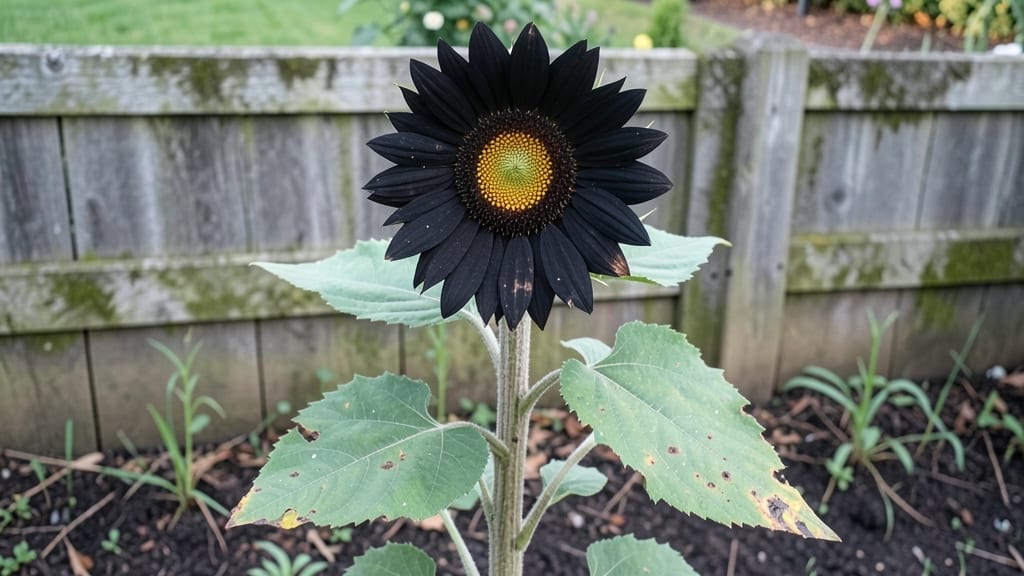
Black-and-white sunflowers aren’t just striking—they’re the bold statement your garden’s been missing. 🌻 I planted mine last spring as a centerpiece, and they instantly became the conversation starter of the yard, towering over other flowers with their dramatic petal contrast.
The deep black centers pop against the creamy white, creating a visual punch that’s hard to ignore.
These sunflowers aren’t just eye-catching—they’re pollinator magnets, drawing bees and butterflies like nothing else. Pair them with lavender or purple salvia for a monochromatic dream or contrast them with bright reds and oranges for a cottage-garden vibe.
Their height (often 5-7 feet) makes them perfect for back borders or mixed containers.
You’ll love how they elevate any design—whether you’re going for moody elegance or playful drama. The blooms last weeks when cut fresh, so you can enjoy them in arrangements too. Just give them full sun and well-draining soil, and they’ll reward you with effortless height and drama.
Works in modern gardens, cottage-style plots, or even as a single statement plant. Once you see them in person, you’ll understand why they’re a gardener’s secret weapon for instant impact.
📚 In This Guide
- What you need
- Instructions
- Tips and common mistakes
- Wrapping up and next steps
What you need
- ● Black-and-white sunflower seeds: Choose a variety like 'Moulin Rouge' or 'Black Oil' (mix with white varieties for contrast). Quantity: 10–20 seeds (or 1–2 plants per pot if container-growing).
- ● Well-draining potting mix: Type: Organic garden soil + perlite (ratio: 3:1). Quantity: 1–2 gallons (depending on planting method).
- ● Garden space or containers: Outdoor: Full sun (6+ hours/day), loose soil with good drainage.
- ● Containers: Minimum 12-inch diameter pots (1 plant per pot) with drainage holes.
- ● Watering can or hose: With a gentle spray nozzle for seedlings.
- ○ Fertilizer (optional but recommended): Type: Balanced 10-10-10 or compost (for organic gardens).
- ● Quantity: 1 tbsp per plant at planting + monthly feedings.
- ● Seedling trays: For starting indoors (4–6 weeks before last frost).
- ● Plant markers: To label varieties (black vs. white!).
- ● Mulch: Straw or shredded leaves to retain moisture.
- ● Pollinator-friendly companions: Marigolds or cosmos to attract bees and butterflies.
- ● Stakes or cages: For tall varieties (up to 6 feet!).
Step-by-Step instructions for growing black and white sunflowers
Here’s how to cultivate these bold beauties from seed to towering pollinator magnets.
🌱 Step 1: Choose the Right Location and Prepare the Soil
Sunflowers thrive in full sun, so pick a spot with at least 6-8 hours of direct sunlight daily. I always test the soil first—sunflowers prefer well-draining soil with a pH between 6.0 and 7.0. If your soil is heavy clay, mix in 2-3 inches of compost to improve drainage and fertility. Work the compost into the top 12 inches of soil to create loose, airy conditions for deep taproots.
Sunflowers hate soggy feet, so avoid low-lying areas where water pools. If your garden has poor drainage, consider planting in raised beds or large containers with drainage holes. The key is to mimic their natural prairie habitat—open, airy, and nutrient-rich.
🌱 Step 2: Plant Seeds at the Right Depth and Spacing
Direct-sow seeds ½ inch deep after the last frost when soil temperatures reach 60°F or warmer. I plant 4 seeds per hill, spacing hills 18-24 inches apart in rows 2-3 feet apart. This gives mature plants room to develop their striking 4-6 foot stems without competing for nutrients or light.
Press the seeds gently into the soil—don’t bury them too deep, or they’ll struggle to emerge. Water lightly after planting to settle the soil around the seeds. Sunflower seeds germinate quickly in warm soil, often within 7-10 days, so keep the soil consistently moist (but not soggy) until you see first true leaves appear.
☀️ Step 3: Provide Support and Maintain Consistent Care
As stems grow, they’ll need support—especially in windy areas. I install 3-4 foot tall stakes or heavy-duty plant cages at planting time. Gently tie the main stem to the support as it grows using soft plant ties or old fabric strips. This prevents stems from snapping under their own weight or in storms.
Water deeply once a week, providing 1-2 inches of water per week. Sunflowers are drought-tolerant once established, but consistent moisture during flowering encourages larger, showier blooms. Fertilize lightly with a balanced 10-10-10 fertilizer when plants reach 12 inches tall, then again when buds form. Too much nitrogen produces leafy growth at the expense of flowers.
✂️ Step 4: Deadhead and Extend the Blooming Season
To keep your black-and-white sunflowers flowering longer, deadhead spent blooms by snipping off the flower head just above the first set of healthy leaves. This redirects the plant’s energy into producing new buds instead of setting seed. I do this every 2-3 days during peak bloom to maintain a continuous display.
Watch for birds—sunflowers are irresistible to pollinators and seed-eaters. If you want to save seeds for next year, cover developing seed heads with fine mesh netting once they turn brown. This protects them while still allowing bees and butterflies to visit the flowers.
🪴 Step 5: Harvest and Prepare for Next Year
When seed heads turn brown and papery, cut the entire stem and hang it upside down in a dry, well-ventilated area to finish drying. Once fully dry, rub the seed head between your hands to release the seeds. Store them in a cool, dark place until next spring’s planting. The black-and-white varieties often self-sow prolifically, so you might find volunteers popping up in future seasons.
After flowering, leave the stalks standing for birds and other wildlife. The dried seed heads provide winter food and shelter. If you prefer a tidy garden, cut stalks down to 6 inches above ground level in early spring. The roots will decompose naturally, enriching the soil for next year’s plants.
Tips & tricks for perfect black and white sunflower growth
These pro tips will help you coax the most dramatic height and vibrant blooms from your striking sunflowers.
Soil Prep Secret: In Step 1, don't just add compost—mix in a handful of wood ash (from untreated wood) to raise the pH slightly if your soil tests below 6.0. Sunflowers thrive in that neutral range, and the ash provides potassium for strong stems. I also recommend adding a slow-release fertilizer like bone meal at planting time for extra phosphorus—this boosts root development and flower production.
Planting Precision: When planting those 4 seeds per hill in Step 2, space them in a small square pattern rather than a line. This creates a natural support system where stems can lean against each other. After germination, thin to the strongest seedling per hill once they reach 2 inches tall. The 18-24 inch spacing between hills gives roots room to develop those deep taproots that anchor these towering beauties.
Support System Pro Tip: For Step 3, I recommend using bamboo stakes instead of metal—they're lighter, biodegradable, and won't conduct heat that could damage stems. Install stakes when you plant, not after growth starts. If you're in a particularly windy area, consider adding a second stake at 45-degree angles for extra stability. The 1-2 inches of weekly water is perfect, but water in the morning so leaves have time to dry—wet foliage attracts fungal diseases.
Deadheading Technique: In Step 4, use clean, sharp pruning shears to deadhead rather than pulling by hand. Cut just above the first set of healthy leaves to encourage new buds to form from that node. I've found that deadheading every 2-3 days during peak bloom extends the flowering season by 3-4 weeks compared to letting them go to seed naturally. The fine mesh netting for seed saving works best if you secure it with soft plant clips rather than tying—this prevents damage to developing seed heads.
Pro Tips for Black And White Sun Flower
- These pro tips will help you coax the most dramatic height and vibrant blooms from your striking sunflowers.
- Soil Prep Secret: In Step 1, don't just add compost—mix in a handful of wood ash (from untreated wood) to raise the pH slightly if your soil tests below 6.0.
- Planting Precision: When planting those 4 seeds per hill in Step 2, space them in a small square pattern rather than a line.
Frequently asked questions
Can I grow black and white sunflowers from seed?
These sunflowers are typically grown from seeds—just plant them 1/2 inch deep after the last frost when soil is warm (60°F+). They thrive in full sun (6+ hours/day) and well-draining soil. Pro tip: Soak seeds overnight to speed up germination (usually 7–14 days).
How long do black and white sunflowers take to bloom?
Patience pays off! From seed to bloom, expect 8–12 weeks for most varieties. Early-blooming types (like ‘Moulin Rouge’) may flower in as little as 60 days, while taller varieties take closer to 10–12 weeks. Bonus: Deadhead spent blooms to encourage more flowers!
Are these sunflowers good for pollinators?
Yes! Black and white sunflowers are magnets for bees, butterflies, and birds. Their bold blooms attract pollinators and provide seeds for finches and squirrels later. Plant in clusters (3+ plants) to boost their pollinator appeal—just avoid pesticides!
Can I use black and white sunflowers in dried arrangements?
Perfect for drying! Harvest when 70–80% of petals are open, then hang upside down in a dark, dry space for 2–3 weeks. Once fully dry, they’ll retain their striking contrast. Tip: Remove seeds to prevent mold in arrangements.
What if my sunflowers aren’t turning black?
Don’t worry—sunflowers with dark centers (like ‘Black Oil’ or ‘Moulin Rouge’) may show purplish-brown or deep maroon hues, not true black. True black petals are rare; the contrast comes from deep purple-black centers against white or cream petals. Fix: Ensure full sun and fertile soil for the darkest tones!
Wrapping up and next steps
Embrace the bold elegance of a black-and-white sunflower—a stunning, low-maintenance addition that brings drama and life to any garden! 🌻 Its striking contrast not only captivates the eye but also supports pollinators, making it a win-win for beauty and biodiversity.
Whether you're a seasoned gardener or just starting, this variety proves that growing impactful plants doesn’t have to be complicated.
Ready to transform your space? Grab your seeds or cuttings today and plant them in a sunny spot—your garden (and local bees!) will thank you. Happy growing! 🌱