
Neem Oil
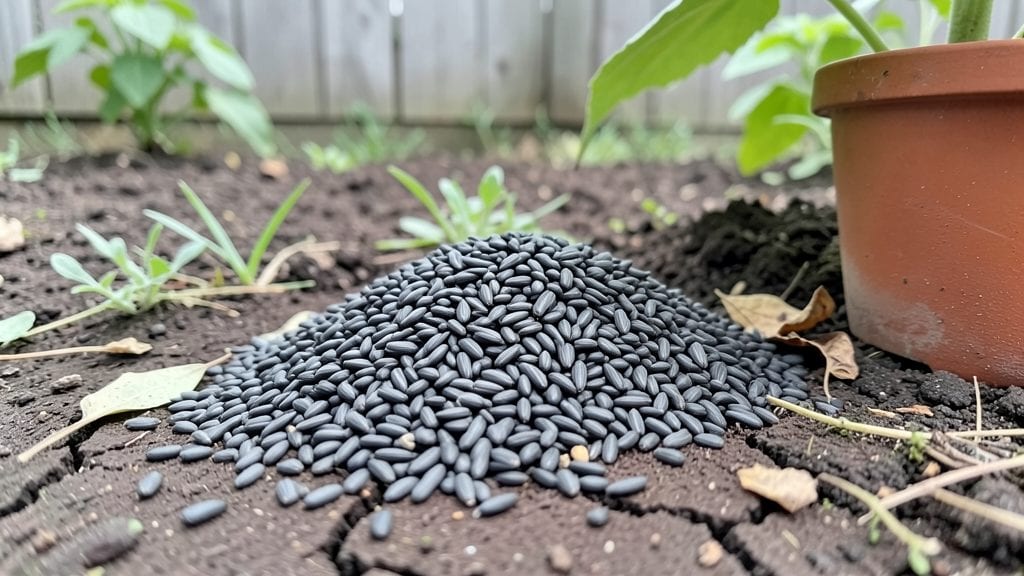
Planting black oil sunflower seeds unlocks a towering harvest of both beauty and bounty—these fast-growing giants reach 10-12 feet in a single season while producing seeds packed with oil and birdseed potential.
I still remember the first time I watched them shoot up past my porch roof in just 60 days, their velvety dark leaves contrasting against the sky.
The secret starts with the right soil prep: loose, well-draining earth with 2-3 inches of compost mixed in, because these seeds refuse to struggle in compacted ground.
You’ll need full sun (at least 6-8 hours daily), a 1/4-inch planting depth, and spacing that accounts for their eventual size—6-12 inches apart in rows 18-24 inches apart.
The germination is shockingly fast (often within 7-10 days), but keep the soil consistently moist—not soggy—until those first true leaves appear. Black oil sunflowers thrive in USDA zones 2-11, making them one of the most adaptable annuals for almost any climate.
What you’ll end up with is a sturdy 10-foot stalk by midsummer, its 3-inch-wide blooms attracting pollinators while the seeds mature into a dual-purpose harvest. The oil-rich seeds (great for cooking) and the leftover shells (perfect for birds) mean zero waste from a single plant.
Just be ready to stake taller varieties in windy areas—those top-heavy stems can lean dramatically without support.
For maximum success, plant after your last frost date and consider interplanting with bush beans (they fix nitrogen) or radishes (they deter pests). If germination stalls, try soaking seeds overnight—this variety’s high oil content sometimes needs a little coaxing.
The payoff? A foolproof crop that yields both food and flowers with minimal effort once established.
📚 In This Guide
- What you need
- Instructions
- Tips and common mistakes
- Wrapping up and next steps
What you need
- ● Black Oil Sunflower Seeds: 1 lb (16 oz) starter pack (or 100+ seeds per 100 sq ft of planting space)
- ● Look for certified organic or non-GMO seeds for best results.
- ● Planting Containers or Garden Bed: For containers: 6-inch deep pots (1-2 seeds per pot) or a raised bed (12" spacing between seeds).
- ● For in-ground planting: Well-draining soil with a pH of 6.0–7.5.
- ● High-Quality Potting Soil or Garden Soil: 1–2 bags (2–4 cubic feet) of lightweight, nutrient-rich soil mix (add compost for extra fertility).
- ● Watering Can or Hose with a Gentle Spray Nozzle: Ensure even moisture without disturbing seeds.
- ○ Planting Tray or Seedling Flat (Optional for Early Start): 1–2 trays (10x20 inches) for indoor seed starting (4–6 weeks before last frost).
- ● Grow Lights or Sunny Windowsill (For Indoor Starting): 12–16 hours of light daily (LED grow lights work great!).
- ● Mulch or Straw: 1–2 bags to retain soil moisture and suppress weeds.
- ● Seedling Heat Mat: Speeds up germination in cooler climates.
- ● Fertilizer (Balanced or Low-Nitrogen): 5-10-10 or compost tea for established plants.
- ● Plant Labels: Mark varieties if growing multiple types.
- ● Pruning Shears: For trimming dead foliage or harvesting.
- ● Neem Oil (1% Solution): Pro tip: 💡 Spray occasionally to deter pests like aphids or beetles!
Step-by-Step instructions for planting black oil sunflower seeds
Here's how to transform those high-germination seeds into towering, pollinator-friendly sunflowers.
Prepare the Planting Site for Maximum Germination
Sunflowers thrive in well-draining soil with full sun exposure. Choose a location that receives at least 6-8 hours of direct sunlight daily. Work the soil to a depth of 12 inches, breaking up any clumps and removing rocks or debris. Sunflowers have deep taproots, so loose, aerated soil ensures strong root development from the start.
Amend the soil with a balanced 10-10-10 fertilizer at a rate of 1 pound per 100 square feet if your soil is poor or sandy. Mix it into the top 6 inches of soil. For clay-heavy soil, incorporate 2-3 inches of compost to improve drainage and nutrient retention. Test the soil pH—sunflowers prefer a slightly acidic to neutral range of 6.0 to 7.0. If your soil is too alkaline, add sulfur to lower the pH gradually.
Plant Seeds at the Correct Depth and Spacing
Plant black oil sunflower seeds 1 inch deep and 6 inches apart in rows spaced 18-24 inches apart. These seeds germinate quickly, so avoid overcrowding, which can lead to weak stems and increased disease risk. I like to use a small hand trowel to create individual holes—this ensures consistent depth and spacing. Drop 1-2 seeds per hole and cover lightly with soil, pressing gently to ensure good seed-to-soil contact.
Water the area immediately after planting to settle the soil and provide moisture for germination. Use a gentle spray or a watering can with a fine rose attachment to avoid displacing the seeds. Keep the soil consistently moist but not soggy until germination, which typically occurs in 7-14 days depending on soil temperature. You’ll know germination is underway when the first true leaves appear—these are the second set of leaves that emerge after the initial seed leaves (cotyledons).
Provide Consistent Care for Strong, Healthy Growth
Once seedlings emerge, thin them to 1 plant per hole to prevent competition for nutrients and space. Use sharp scissors or a small knife to cut unwanted seedlings at soil level rather than pulling, which can disturb the roots of remaining plants. Leave the strongest seedling in each spot, ensuring it has enough room to develop a sturdy stem and broad leaves.
Water sunflowers at the base of the plant, avoiding the foliage to reduce the risk of fungal diseases like powdery mildew. Aim for 1 inch of water per week, adjusting for rainfall. During dry spells, water deeply 2-3 times per week, ensuring the soil is moist to a depth of 4-6 inches. Fertilize again when plants reach 12 inches tall with a low-nitrogen, high-phosphorus fertilizer (like 5-10-10) to encourage strong root and flower development. Apply it at a rate of ½ pound per 100 square feet and water thoroughly afterward.
Monitor for Pests and Support Tall Stems
Sunflowers are generally low-maintenance, but keep an eye out for common pests like aphids, sunflower moths, and birds, which may peck at emerging buds. If aphids appear, spray the plants with a soapy water solution (1 tablespoon mild dish soap per gallon of water) to dislodge them. For birds, use bird netting or reflective tape to deter them without harming the plants.
As sunflowers grow taller, they may need support, especially in windy areas. Install stakes or cages when plants reach 3 feet tall to prevent them from toppling over. Tie the main stem loosely to the stake with soft plant ties or old fabric strips, leaving room for the stem to thicken as it grows. This support ensures the plant can channel energy into producing those iconic 6-8 foot blooms rather than struggling to stay upright.
Harvest Seeds for Next Year’s Plantings
When the flower heads turn brown and the back of the head feels dry to the touch, it’s time to harvest seeds. Cut the entire head off the stem with a sharp knife or pruners, leaving a 2-inch stem. Hang the heads upside down in a well-ventilated, dry place for 2-3 weeks to fully dry. Once the seeds rattle freely inside the head, rub them out by hand or use a clean cloth to brush them off.
Store the seeds in a cool, dark place in an airtight container for up to 2 years. Black oil sunflowers are excellent for bird feeders, but their seeds are also a great option for replanting. If you’re saving seeds for next year, ensure the plants were isolated from other sunflower varieties to maintain purity. With proper care, your sunflowers will not only bring joy with their vibrant blooms but also provide a sustainable seed source for future gardens.
Tips & tricks for perfect black oil sunflower planting
These practical insights will help you maximize germination and grow sunflowers that reach their full towering potential.
Soil Preparation Secret: The 12-inch deep soil preparation in Step 1 is non-negotiable for sunflowers. Use a garden fork to loosen the soil without turning it—this preserves the natural soil structure while creating channels for those deep taproots. For urban gardeners with limited space, consider growing in large containers with at least 18 inches of depth and drainage holes. The key is replicating that loose, aerated environment where roots can penetrate deeply.
Planting Precision: When creating those 1-inch deep holes in Step 2, make them slightly wider than the seeds. This prevents soil compaction around the seed, which can hinder germination. I've found that using a small hand trowel with a rounded tip creates the perfect-sized hole. The 6-inch spacing between seeds might seem generous, but it prevents competition that leads to weak, spindly stems. Trust me on this—crowded sunflowers grow tall but never reach their full potential.
Germination Timing: The 7-14 day germination window in Step 2 can vary dramatically based on soil temperature. For faster germination, warm the soil by covering it with black plastic for 24 hours before planting. You'll know germination is underway when you see the first true leaves—these are the second set of leaves that appear after the initial seed leaves. This is your cue to start thinning and give each plant its own space to thrive. The true leaves are your first sign that the plant is establishing its energy production system.
Sunflower Support System: The 3-foot height mentioned in Step 4 is actually when you should start thinking about support. I recommend installing stakes or cages at this stage rather than waiting—sunflowers grow surprisingly fast once they reach this height. Use soft plant ties or old fabric strips to secure the main stem, leaving room for growth. This support isn't just about preventing toppling; it allows the plant to focus its energy on producing those massive blooms rather than struggling to stay upright in wind or rain.
Pro Tips for Black Oil Sunflower Seeds For Planting
- These practical insights will help you maximize germination and grow sunflowers that reach their full towering potential.
- Soil Preparation Secret: The 12-inch deep soil preparation in Step 1 is non-negotiable for sunflowers.
- Planting Precision: When creating those 1-inch deep holes in Step 2, make them slightly wider than the seeds.
Frequently asked questions
Got questions about growing black oil sunflower seeds? You’re in the right place! Here are answers to the most common queries to help you cultivate those stunning, towering blooms with ease.
When is the best time to plant black oil sunflower seeds?
Plant your seeds after the last frost when soil temperatures reach at least 55°F (13°C). For most climates, this means late spring (April–May). In warmer regions, you can start as early as March. Black oil sunflowers thrive in full sun (6+ hours daily), so choose a spot with plenty of light!
How long does it take for black oil sunflower seeds to germinate?
Germination typically occurs in 7–14 days under ideal conditions (warm soil, consistent moisture). Keep seeds moist but not soggy—water gently to avoid displacing them. If germination takes longer, check for proper soil temperature and moisture. Patience pays off with these fast growers!
Can I grow black oil sunflowers in containers or small spaces?
These sunflowers are compact varieties (usually 2–5 feet tall) and adapt well to containers. Use a pot at least 12 inches deep and wide with drainage holes. Place containers in full sun and fertilize lightly every 4–6 weeks. Just ensure they have enough space to avoid overcrowding.
What pests or diseases should I watch for with black oil sunflowers?
Common issues include aphids, sunflower moths, and powdery mildew. To prevent pests, spray neem oil or insecticidal soap early. Improve airflow to reduce mildew. If birds are a problem, use netting over young plants. Regular monitoring and good garden hygiene keep these issues at bay!
Are black oil sunflower seeds edible, and how do I harvest them?
Yes! Their seeds are nutrient-rich and edible—high in protein, vitamin E, and healthy fats. To harvest, wait until the back of the flower turns yellow and the seed heads dry out (usually late summer/early fall). Cut the heads, hang them upside down in a dry, dark place, and let the seeds dry for 1–2 weeks before shelling.
Wrapping up and next steps
Growing black oil sunflower seeds is a rewarding journey that yields stunning blooms and bountiful harvests—perfect for both beginners and seasoned gardeners! 🌻 With their high germination rates and hardy nature, these seeds are your ticket to vibrant summer gardens.
Whether you're aiming for pollinator-friendly landscapes or a delicious snack crop, the key lies in proper soil prep, spacing, and a little patience.
Now that you’re armed with all the tips and tricks, it’s time to roll up your sleeves and plant! Start small with your starter pack, track your progress, and soon you’ll be basking in the glory of towering sunflowers. Happy planting—your garden (and bees!) will thank you. 🌱✨