
Flowers
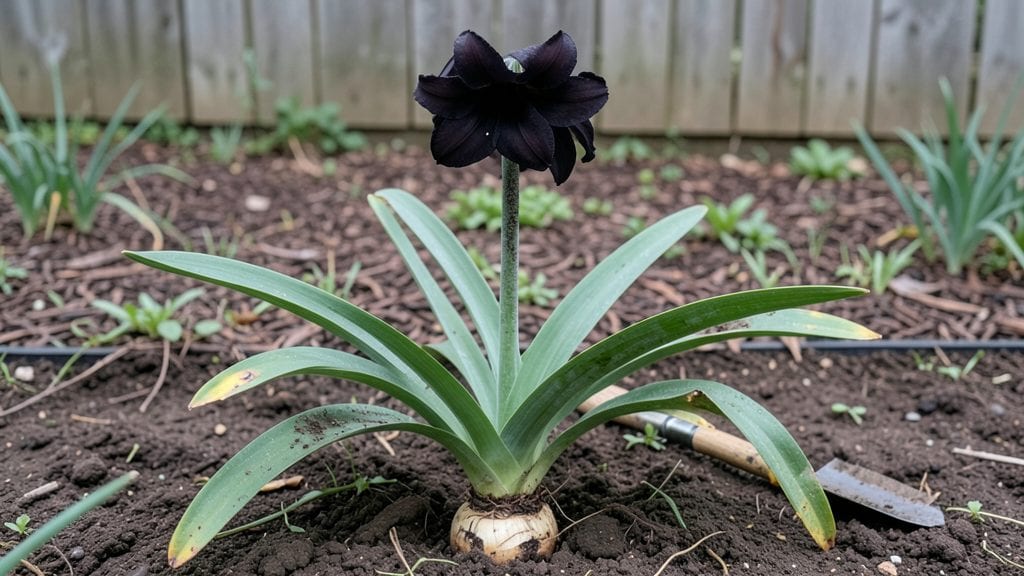
Growing black flower seeds is like painting with nature’s darkest hues—deep, mysterious, and impossible to ignore. ✨ I planted my first batch of black dahlias last spring, and the velvety blooms transformed my garden into a moody masterpiece.
The key? Starting with the right varieties and giving them the perfect conditions to thrive.
You’ll need rich, well-draining soil, full sun for most varieties, and patience—black flowers often take longer to bloom than their bright counterparts. Popular choices like black callas, tulips, or dahlias deliver drama, but they demand consistent moisture and protection from harsh winds.
Think of it as nurturing a high-fashion garden piece.
By midsummer, you’ll be rewarded with striking blooms that draw the eye and command attention. The contrast against green foliage is jaw-dropping, and the scent—when there is one—adds another layer of intrigue. Just be prepared for curious neighbors asking how you grew something so bold.
Whether you’re planting in containers or garden beds, these tips will help you avoid common pitfalls like leggy stems or slow germination. Let’s get those seeds in the ground and turn your garden into a dark, dazzling showstopper.
📚 In This Guide
- What you need
- Instructions
- Tips and common mistakes
- Wrapping up and next steps
What you need
- ● Black flower seeds – Choose from varieties like Black Dahlia, Black Tulip, or Black Petunia. Buy 1–2 seed packets per variety (check packet for quantity—typically 10–50 seeds).
- ● High-quality potting mix – 1–2 bags (1–2 cubic feet each), well-draining and enriched with compost.
- ● Containers or garden beds – 5–10" pots (for seedlings) or prepared garden soil (pH 6.0–7.0).
- ● Seed-starting trays – 1–2 trays (biodegradable or plastic) with drainage holes.
- ○ Grow lights or sunny windowsill – LED grow lights (optional but helpful) for 12–16 hours/day if natural light is limited.
- ● Planting tools – Small hand trowel, tweezers (for delicate seeds), and a spray bottle (for watering).
- ● Fertilizer – Balanced liquid fertilizer (10-10-10) or slow-release granules for seedlings.
- ● Mulch – Organic mulch (straw or shredded bark) to retain moisture and suppress weeds.
- ● Gloves & protective gear – Garden gloves (some seeds or soil may irritate skin).
- ● Seedling heat mat – Speeds up germination for slow starters.
- ● Transplanting pots – 3–4" pots for hardening off seedlings before outdoor planting.
- ● Black or dark-colored pots – Enhances contrast and absorbs heat (great for dramatic displays!).
- ● Epsom salt – A pinch in water boosts magnesium for vibrant blooms.
Step-by-step guide to growing dramatic black flowers
Here's how to cultivate striking black blooms that command attention in any garden space.
🌱 Step 1: Select the Right Black-Flowering Varieties
Not all black flowers are created equal—true black blooms are rare, so focus on varieties with deep, velvety petals like Black Baccara roses, Black Lace elderberry, or Queen of Night tulips. These cultivars develop their darkest hues when planted in full sun with well-draining soil. I always start with certified disease-free seeds or tubers to avoid introducing pathogens that can weaken plants before they even bloom.
Check seed packets for days to maturity—some black-flowering varieties take 90-120 days to reach their signature color. Plant early varieties first if you want sequential blooms. For example, Black Dahlia 'Gouyavettes' thrives in warm climates but needs 6-8 weeks of warm soil temperatures before sprouting.
☀️ Step 2: Prepare Soil and Planting Conditions
Black flowers often develop their richest pigment when grown in slightly acidic soil (pH 6.0-6.5). Amend your garden beds with 2-3 inches of compost and a handful of peat moss to lower pH naturally. Avoid fresh manure—it can scorch roots and cause uneven growth. I like to work in a slow-release organic fertilizer at planting time to give these dramatic plants a nutrient boost from the start.
Plant seeds or tubers at the depth indicated on the packet—usually twice the diameter of the seed or 3-4 inches deep for bulbs. Space plants according to their mature size: 12-18 inches apart for roses, 6-12 inches for annuals like Black Velvet petunias. Water deeply after planting to settle the soil and encourage root contact.
💧 Step 3: Maintain Consistent Moisture and Light
Black flowers need consistent moisture to develop their deep color, but they hate soggy roots. Water 1-2 inches per week, adjusting for rainfall—let the top 2 inches of soil dry between waterings. Mulch with 2-3 inches of shredded bark to retain moisture and suppress weeds. I use a drip irrigation system for black-flowering perennials to avoid wetting foliage, which can lead to fungal issues.
These plants thrive in full sun (6+ hours daily)—without enough light, their blooms fade to dull purple or brown. If your climate is hot, provide afternoon shade during peak summer to prevent leaf scorch. You'll notice the darkest blooms develop when plants receive at least 8 hours of direct sun combined with cool evening temperatures.
✂️ Step 4: Prune and Deadhead for Continuous Blooms
Regular pruning keeps black-flowering plants bushy and encourages more dramatic blooms. For roses and elderberry, cut back 1/3 of the oldest stems in early spring to stimulate new growth. For annuals like Black Dahlia, pinch back the top set of leaves when plants reach 12 inches tall to promote branching. Always use sterilized pruners to prevent disease spread.
Deadhead spent blooms immediately—this redirects the plant's energy into producing more flowers rather than seed pods. For Queen of Night tulips, remove faded blooms but leave the foliage until it yellows naturally. This ensures next year's flowers will be just as bold. I schedule deadheading sessions on weekend mornings when humidity is lower, reducing the risk of fungal spores spreading.
🌿 Step 5: Extend the Season with Strategic Care
To prolong blooming, apply a balanced liquid fertilizer every 4-6 weeks during the growing season. Black flowers often respond well to fish emulsion or seaweed extract, which provides micronutrients that enhance pigmentation. In fall, reduce watering gradually and mulch heavily (4-6 inches) to protect roots from freezing temperatures.
For tender perennials like Black Baccara roses, cover plants with burlap wraps or frost blankets when temperatures drop below 25°F. This simple step prevents winter dieback and ensures dramatic blooms return the following season. I mark protected plants with bright flags so I remember to remove the covers in early spring.
Tips & tricks for perfect black flower gardens
These insider tips will help you cultivate the deepest, most dramatic blooms with velvety black petals that turn heads.
Variety Selection Matters: Not all "black" flowers are truly black—they often appear deep purple or maroon in different lighting. For true black blooms, focus on cultivars like Black Baccara roses and Queen of Night tulips that develop their signature color when planted in full sun (8+ hours daily). I've found that these varieties need consistent warmth to maintain their darkest hues, so avoid planting in shaded areas where they'll fade to brownish-purple.
Soil pH is Non-Negotiable: The slightly acidic soil range of pH 6.0-6.5 mentioned in Step 2 is crucial for pigment development. Test your soil before planting—many garden centers sell affordable test kits. If your soil tests higher than 6.5, amend with peat moss or sulfur before planting. I've seen black flowers lose up to 50% of their dramatic color when grown in alkaline soil (pH 7.0+), so don't skip this step.
Planting Depth and Spacing: The instructions mention planting seeds at twice their diameter and tubers at 3-4 inches deep, but spacing is equally important. For Black Dahlia 'Gouyavettes', I've found that giving each plant 18 inches of space (instead of the standard 12 inches) prevents overcrowding, which can lead to weak stems and lighter blooms. Proper spacing also improves air circulation, reducing fungal risks that can dull the petal color.
Frost Protection Strategy: When covering tender perennials below 25°F, I recommend using frost blankets with breathable fabric rather than plastic sheeting. The breathable material allows moisture to escape while still protecting roots. Mark protected plants with bright-colored flags—I use red survey flags tied to stakes—to remember which plants need cover removal in spring. This simple system has saved me from forgetting to uncover plants, which can lead to rot.
Pro Tips for Black Flower Seeds
- These insider tips will help you cultivate the deepest, most dramatic blooms with velvety black petals that turn heads.
- Variety Selection Matters: Not all "black" flowers are truly black—they often appear deep purple or maroon in different lighting.
- Soil pH is Non-Negotiable: The slightly acidic soil range of pH 6.0-6.5 mentioned in Step 2 is crucial for pigment development.
Frequently asked questions
Got questions about growing black flower seeds? You’re not alone!
Here are answers to the most common queries to help you achieve that dramatic, moody garden vibe with ease.
What are the easiest black flower seeds to grow for beginners?
Start with Black Baccara zinnias or Black Velvet petunias—they’re hardy, fast-growing, and thrive in full sun. For bold foliage, try Black Lace Elderberry (a shrub) or Ostrich Fern (for shady spots). All three are forgiving and deliver instant drama!
How long does it take for black flower seeds to germinate?
Germination time varies: zinnias and petunias sprout in 7–14 days at 70–75°F, while elderberry seeds can take 4–8 weeks (they’re slower!). Keep soil moist but not soggy, and use a heat mat if your climate is chilly. Patience pays off—those deep blacks are worth the wait!
Can black flower seeds grow in partial shade?
Most deep-black blooms (like zinnias or petunias) crave full sun (6+ hours daily) for vibrant color. For shade, opt for Black Mondo Grass or Purple Smoke Bush—they tolerate 4–6 hours of shade and add moody texture. Test your spot: if it’s dim, pair black foliage with silver or chartreuse plants for contrast.
What can I do if my black seeds aren’t sprouting?
Try these fixes:
- Check moisture: Too dry? Mist soil daily. Too wet? Let it dry slightly between waterings.
- Test temperature: Use a seedling heat mat if below 60°F.
- Scratch the seed: Some (like elderberry) have hard coats—lightly nick them with sandpaper to encourage germination.
- Fresh seeds: If older than 1 year, buy new ones (viability drops fast!).
Are there annuals vs. perennials in black flower seeds?
Annuals:
Zinnias, petunias, and Black Prince tulips (if grown from seed) bloom one season but pack a punch. Perennials: Black Adder Bugleweed or Ostrich Fern return yearly (though some, like elderberry, grow slowly). Pro tip: Mix both for instant drama and long-term impact!
Bonus Tip: Boost black blooms’ vibrancy
Pair black flowers with silver foliage (like lamb’s ear) or bright pops (crimson or gold) to make them pop. And here’s a hack: Add a dash of coffee grounds to soil—it’s acidic, which some black-flowering plants (like hydrangeas) love!
Wrapping up and next steps
Ready to transform your garden into a dramatic, high-contrast masterpiece? Black flower seeds are your secret weapon—adding boldness, intrigue, and visual flair with minimal effort. Whether you’re a seasoned gardener or just starting, these striking blooms prove that dark doesn’t have to mean dull. 🌑✨
Now that you’re armed with the right seeds, tools, and tips, it’s time to get planting! Start small with a single pot or go all out with a full garden bed. Experiment, enjoy the process, and watch your garden come to life—you’ve got this! 🌱💚
Next step: Pick your favorite black-flowered variety, grab those seeds, and start growing today!