Size
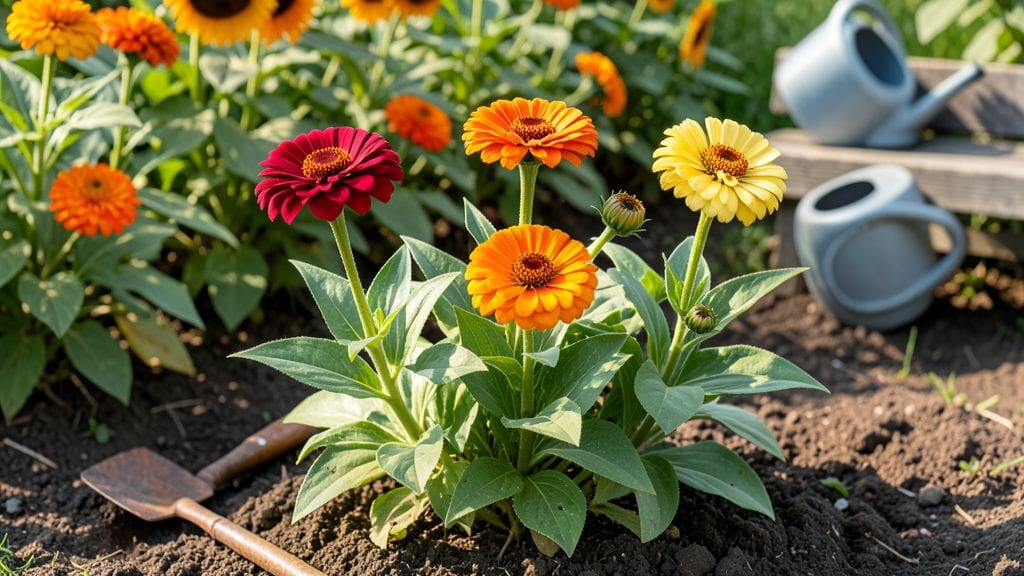
Finding flowers that grow well in the Pacific Northwest’s damp, cool climate shouldn’t feel like a guessing game. 🌿 After years of trial and error—including a particularly soggy spring that drowned half my garden—I’ve narrowed it down to plants that thrive with minimal fuss.
These beauties handle the region’s mix of rain, shade, and mild summers like pros, so you can enjoy vibrant blooms without the stress.
The secret isn’t fancy soil or constant attention—it’s choosing the right players. Think hardy perennials like sword lilies (they’re practically indestructible) or bleeding hearts, which burst into color without needing a greenhouse.
Annuals like lobelia and pansies also take the lead, blooming nonstop from spring to frost. Even in shady corners, heuchera and astilbe deliver lush foliage and feathery plumes with almost no effort.
What you’ll end up with is a garden that looks effortlessly polished—think velvety foliage, jewel-toned blooms, and fragrance that lingers even after the rain. No deadheading required, no wilting from too much sun, and no replanting every year.
These flowers just work, letting you focus on enjoying the view instead of fixing mistakes. Ready to see which ones fit your space?
Whether you’ve got full sun or dappled shade, rocky soil or rich loam, these picks adapt without complaint. The best part? You’ll spend less time fretting and more time admiring. Let’s get growing!
📚 In This Guide
- What you need
- Instructions
- Tips and common mistakes
- Wrapping up and next steps
What you need
- ● Seeds or young plants: Choose PNW-friendly varieties like Pacific Coast Iris, Sword Fern, Salal, or Western Columbine. Buy 5–10 plants or seed packets (check for native or drought-tolerant species).
- ● Well-draining soil: 1–2 cubic yards of peat moss or compost mix (PNW soil can be acidic; aim for a pH of 5.0–6.5).
- ● Mulch: 2–3 bags of cedar chips or pine bark (3–4 inches deep) to retain moisture and suppress weeds.
- ● Watering can or hose: A 5-gallon watering can with a rose attachment or a soaker hose for gentle hydration.
- ● Garden gloves: 1 pair of durable, breathable gloves (PNW soil can be damp and abrasive!).
- ● Hand trowel or transplant spade: A 5-inch stainless-steel trowel for digging and planting.
- ● Pruners: Bypass pruners for trimming dead foliage (sterilize with rubbing alcohol between uses!).
- ● Rake: A bendable-bladed rake (8–12 inches wide) to level soil and remove debris.
- ● Fertilizer: Slow-release organic fertilizer (like fish emulsion or compost tea) for nutrient-poor PNW soil.
- ● Drip irrigation kit: Automates watering and saves time (ideal for sloped or large gardens).
- ● Plant markers: Biodegradable labels to track native species and planting dates.
- ● Shade cloth: Lightweight 30–50% shade fabric for seedlings if your garden gets harsh afternoon sun.
Step-by-step guide to selecting and planting Pacific Northwest's low-maintenance flowers
Here's how to choose and cultivate hardy blooms that thrive in the region's climate without demanding constant care.
🌱 Step 1: Choose Native and Adapted Species
The Pacific Northwest's cool, wet summers and mild winters make it ideal for certain flowers that naturally thrive in these conditions. Focus on native species like Pacific Coast Iris, Sword Fern, or Western Columbine, as they require minimal intervention. These plants have evolved alongside the local climate, meaning they're already well-suited to the region's rainfall, soil types, and temperature fluctuations.
For a splash of color with minimal effort, consider Lungwort or Bleeding Heart, both of which flourish in shade and handle the region's damp winters beautifully. I always prioritize perennials over annuals—they return year after year, saving time and resources. Avoid tropical or desert flowers; they'll struggle with the consistent moisture and cooler temperatures.
☀️ Step 2: Assess Your Site's Light and Soil Conditions
The Pacific Northwest's varied microclimates mean light exposure can shift dramatically even within a small area. Observe your garden throughout the day to identify spots with full sun (6+ hours), partial shade (3-6 hours), or full shade (less than 3 hours). For example, Pacific Dogwood thrives in partial shade, while Bearded Iris craves full sun.
Soil in this region often leans toward acidity, especially in forested areas, but many native flowers like Salal or Oregon Grape prefer this environment. If your soil feels dense or compacted, amending it with compost or leaf mold improves drainage without overworking the ground. Test your soil's pH—most native flowers prefer a slightly acidic to neutral range (5.5-7.0).
💧 Step 3: Plant at the Right Time and Depth
Timing matters most in the Pacific Northwest's unpredictable weather. Plant perennials in early spring or early fall, when temperatures are mild and rainfall is consistent. Avoid planting during heatwaves or deep freezes, as both can stress young plants. Dig holes twice as wide as the root ball but only as deep as the container it came in—burying too deep can suffocate roots.
Space plants according to their mature size to prevent overcrowding, which leads to competition for water and nutrients. For example, Pacific Iris needs 12-18 inches between clumps, while Bleeding Heart can handle 18-24 inches of space. Water deeply after planting to settle the soil and encourage root growth. Mulch with wood chips or shredded bark to retain moisture and suppress weeds—this is especially helpful in the region's damp but often cloudy summers.
✂️ Step 4: Maintain with Minimal Effort
Once established, many Pacific Northwest flowers require little more than occasional watering during dry spells and deadheading spent blooms to encourage more flowers. For example, Pacific Dogwood benefits from removing faded flowers, while Sword Fern thrives with no pruning at all. I typically water deeply once a week during the summer, but adjust based on rainfall—if the ground stays soggy for days, skip watering entirely.
Fertilize lightly in early spring with a balanced, organic fertilizer (like fish emulsion or compost tea) to support new growth. Avoid heavy-handed feeding, as native plants often prefer lean soil. Watch for signs of stress, like yellowing leaves or stunted growth, which can signal overwatering, poor drainage, or nutrient deficiencies. Most issues in this region stem from too much moisture rather than too little, so err on the side of caution.
🌿 Step 5: Plan for Seasonal Changes
The Pacific Northwest's mild winters mean many flowers remain dormant but resilient. In late winter or early spring, prune back any dead or damaged foliage from the previous season. This is also the time to divide overcrowded perennials like Pacific Iris or Bleeding Heart to rejuvenate their growth. Split clumps in early spring when new shoots appear but before they bloom.
As summer approaches, keep an eye out for slugs and snails, which thrive in the region's damp conditions. Use organic slug baits or beer traps if needed, but prevention is key—mulch and dense plantings deter pests naturally. In fall, add a fresh layer of mulch to protect roots from temperature swings and retain moisture for next year's growth. This low-maintenance approach ensures your garden stays vibrant with minimal effort year after year.
Tips & tricks for perfect Pacific Northwest flower gardens
Creating a thriving garden with minimal effort starts with understanding these simple yet powerful strategies tailored to the region's unique climate.
Native Plant Pairing: Group plants with similar light and moisture needs together to create microclimates that require less maintenance. For example, pair Pacific Dogwood with Salal in partial shade areas—their complementary foliage creates a lush, low-maintenance understory. This approach reduces watering frequency and minimizes soil competition.
Soil Prep Shortcut: Instead of testing soil pH, observe your native plants—they're already thriving in your natural conditions. If you notice Oregon Grape or Sword Fern growing vigorously, your soil likely has the perfect acidity (5.5-7.0) without amendments. For new plantings, simply loosen the soil and mix in a thin layer of compost during planting—no need for heavy soil overhauls.
Timing is Everything: The Pacific Northwest's unpredictable weather means early spring and early fall are your golden windows for planting. I've found that planting in March-April or September-October gives roots time to establish before summer heat or winter chill. Avoid planting during heatwaves—even native species can struggle with sudden temperature spikes above 85°F.
Mulch Magic: Apply a 2-3 inch layer of wood chips or shredded bark immediately after planting to create a self-sustaining ecosystem. This mulch layer suppresses weeds naturally, retains moisture during occasional dry spells, and gradually breaks down to enrich the soil. In the Pacific Northwest, this single step reduces summer watering needs by up to 50% while protecting roots from temperature fluctuations.
Pro Tips for Flowers That Grow Well
- Creating a thriving garden with minimal effort starts with understanding these simple yet powerful strategies tailored to the region's unique climate.
- Native Plant Pairing: Group plants with similar light and moisture needs together to create microclimates that require less maintenance.
- Soil Prep Shortcut: Instead of testing soil pH, observe your native plants—they're already thriving in your natural conditions.
Frequently asked questions
Got questions about growing flowers in the Pacific Northwest?
You’re not alone! Here are answers to the most common concerns—whether you’re a beginner or a seasoned gardener.
What are the easiest flowers to grow in the PNW with minimal effort?
Look for native perennials like sword ferns, salal, or Pacific coast iris—they thrive in the region’s damp, mild climate with little fuss. Annuals like lupines and sweet peas also grow quickly with basic care. Check our materials guide for soil and sunlight tips!
When is the best time to plant flowers in the Pacific Northwest?
For spring bloomers (e.g., daffodils, tulips), plant bulbs in fall (September–October). Perennials and annuals do best in early spring (March–April) or late summer (August) to avoid summer heat stress. Pro tip: Wait until the soil warms (60°F+) to avoid frost damage!
How do I handle the PNW’s rainy climate without drowning my flowers?
Most native flowers love moisture, but avoid soggy soil by planting in well-draining areas or raised beds. Use mulch (3–4 inches) to retain moisture and suppress weeds. For container plants, ensure pots have drainage holes and water only when the top inch of soil feels dry.
Can I grow flowers in partial shade if my yard gets little sunlight?
Opt for shade-tolerant varieties like heuchera (coral bells), ferns, or impatiens. These thrive in 2–6 hours of sunlight daily. For deeper shade (<1–2 hours), try hostas or lungwort. Bonus: Add reflective surfaces (mirrors, light-colored mulch) to boost indirect light!
What should I do if my flowers get eaten by slugs or pests?
PNW slugs and aphids are common! Prevent damage with:
- Beer traps (bury a cup filled with beer near plants—slugs crawl in and drown).
- Diatomaceous earth (food-grade only!) around bases to deter pests.
- Handpick larger pests early in the morning when they’re slow.
- Encourage beneficial insects like ladybugs with native plants.
Pro tip: Avoid chemical pesticides—they harm pollinators and can disrupt the ecosystem.
Are there drought-tolerant flowers for the PNW’s occasional dry spells?
Yes! Try lavender, yarrow, or sedum—they store water efficiently. Native grasses (like Pacific reedgrass) also add texture while conserving water. Water deeply but infrequently (every 1–2 weeks) once established, and mulch heavily to lock in moisture.
Wrapping up and next steps
Transforming your Pacific Northwest garden into a vibrant oasis doesn’t have to be complicated—it just takes the right flowers and a little care! From hardy Rhododendrons to cheerful Sword Ferns, these low-maintenance beauties thrive in the region’s climate, offering year-round color and texture with minimal effort.
Whether you’re a seasoned gardener or just starting, these resilient plants make gardening easy, rewarding, and stress-free.
Ready to bring more life to your space? Start small—pick one or two flowers from this list, test your soil, and give them a try! With the right conditions, you’ll soon be enjoying a garden that’s as stunning as it is effortless. Happy planting! 🌸🌿