
Blooming
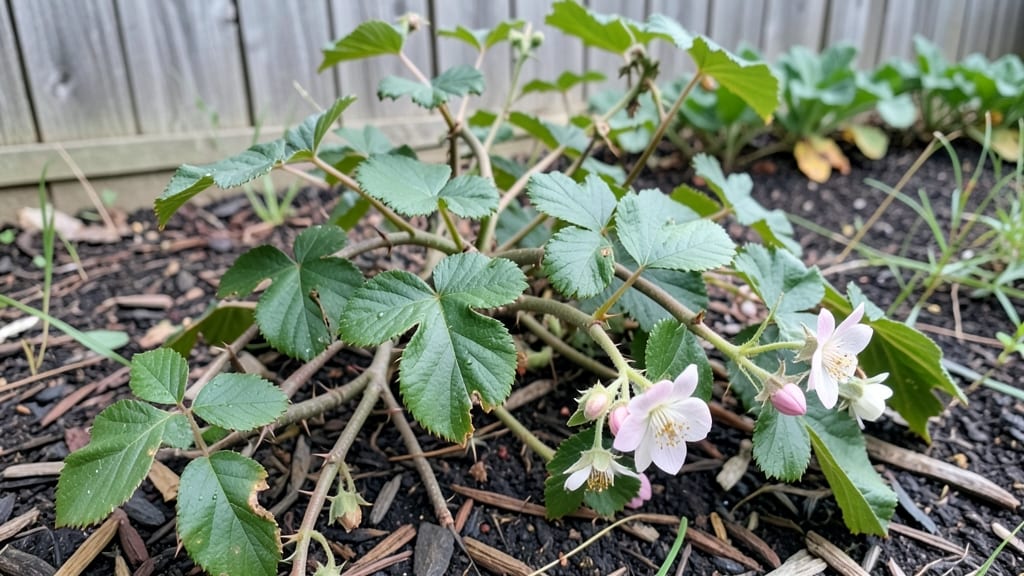
Those delicate pink-and-white blackberry blossom flowers smell like spring in the Pacific Northwest, but growing them well means understanding their finicky balance between chill and warmth. I learned the hard way—my first year, half the blooms froze before setting fruit, and the rest wilted under too much sun.
The secret lies in timing, shelter, and knowing exactly when to prune.
Blackberries thrive in full sun to partial shade, with soil that drains well but stays moist—not soggy. Pacific Northwest gardeners get an edge with our cool summers and mild winters, but frost timing is everything.
Plant in a spot where morning sun warms the canes while evening shade protects blossoms from late frosts. A 3-inch layer of mulch keeps roots cool and conserves moisture through dry spells.
Pruning in late winter—before buds swell—is where the magic happens. Cut back last year’s canes to 2-3 feet tall, leaving 5-6 strong buds per stem. This forces energy into new growth and blooms.
When flowers appear, watch for Japanese beetles or spider mites; a strong spray of water usually sends them packing. With proper care, you’ll go from fragrant blossoms to juicy berries in just 8-10 weeks.
Whether you’re growing for berries or just love the romantic, fragrant flowers, these vines deliver year after year. The key is patience—first harvests are modest, but after three years, your blackberries will blanket the plant like a pink-and-white waterfall. Let’s get those canes thriving!
📚 In This Guide
- What you need
- Instructions
- Tips and common mistakes
- Wrapping up and next steps
What you need
- ● Blackberry plants: Choose thornless varieties (e.g., 'Natchez,' 'Triple Crown,' or 'Chehalem') for easier handling. Buy 1-3 bare-root plants (fall/early spring) or potted 1-gallon plants (spring).
- ● Well-draining soil: Mix 1 part compost with 2 parts native soil or use a blackberry-specific potting mix (pH 5.5–6.5).
- ● Sunlight access: Secure a full-sun location (6+ hours daily) with partial afternoon shade (critical for PNW summers).
- ● Support system: T-posts or stakes (6 ft tall, 4–6 per plant)
- ● Jute twine or blackberry trellis wire (16-gauge, 20–30 ft per plant)
- ○ Watering supplies: Drip irrigation kit (optional but recommended for consistent moisture)
- ● Hose with adjustable nozzle (for deep watering)
- ● Pruning tools: Bypass pruners (sharp, cleaned with rubbing alcohol)
- ● Loppers (for thicker canes, 20–24" reach)
- ● Mulch: 4–6 inches of wood chips or straw (retains moisture, suppresses weeds).
- ● Fertilizer: Balanced organic fertilizer (10-10-10) or compost tea (apply in early spring).
- ● Row cover fabric (for late frosts, 30% shade cloth in summer).
- ● Soil tester kit (to monitor pH and nutrient levels).
- ● Blackberry plant food (high in potassium for blooms/fruit).
- ● Garden gloves (thornless varieties still have prickles!).
Step-by-step guide to growing blackberry blossom flowers
Here's how to cultivate fragrant blackberry vines that thrive in the Pacific Northwest's cool climate.
Select the Right Variety for Your Climate
Choose a thornless blackberry variety like 'Natchez' or 'Triple Crown'—they're bred for cold tolerance and produce stunning white and pink blossoms. These varieties handle the Pacific Northwest's chill well, withstanding temperatures down to 10°F. Avoid tropical varieties that won't survive winter in your region.
Look for bare-root plants from reputable nurseries in early spring. The roots should be firm and moist, not dried out. If you're planting from seed, it takes 2-3 years for the plant to flower—so bare-root is faster for blossoms. I always check the root system first; healthy roots mean a stronger start.
Prepare the Planting Site for Optimal Growth
Blackberry blossoms thrive in full sun, so pick a spot that gets at least 6-8 hours of sunlight daily. The Pacific Northwest's cloudy days mean you'll need a location that catches the sun when it appears. Amend the soil with 2-3 inches of compost to improve drainage—blackberries hate soggy roots.
Space plants 4-6 feet apart in rows 8-10 feet apart to allow for their sprawling growth. If you're planting along a fence or trellis, leave 6 feet of space between plants. I like to plant in early spring, about 2-3 weeks before the last frost, when the soil is workable but not muddy.
Plant and Support the Vines for Healthy Growth
Dig a hole twice as wide as the root ball but no deeper. Place the plant so the top of the root ball sits 1 inch above soil level—this prevents rot. Gently spread the roots outward and backfill with soil, tamping lightly to remove air pockets. Water deeply to settle the soil around the roots.
Install a trellis or support system immediately. Blackberry canes grow 10-15 feet in a season, and without support, they sprawl uncontrollably. Use T-posts or sturdy wooden stakes with wire or nylon mesh for the vines to climb. I tie the canes loosely with soft plant ties as they grow to avoid damaging the bark.
Water and Fertilize for Vibrant Blossoms
Keep the soil evenly moist but not waterlogged—blackberries need 1-1.5 inches of water per week, including rainfall. In the Pacific Northwest's damp climate, you may need to adjust for excessive rain. Mulch around the base with 2-3 inches of wood chips or straw to retain moisture and regulate soil temperature.
Fertilize in early spring with a balanced 10-10-10 fertilizer at ½ pound per 100 feet of row. Avoid high-nitrogen fertilizers—they promote leafy growth at the expense of flowers. I also add a handful of bone meal at planting time to encourage strong root and blossom development. Stop fertilizing after mid-summer to allow the plant to harden off for winter.
Prune and Maintain for Continuous Blooms
Prune in late winter or early spring before new growth begins. Remove dead, diseased, or weak canes at the base. Thin the remaining canes to 6-8 of the strongest, most vigorous ones per plant. This improves air circulation and reduces pests. I always sterilize my pruners with rubbing alcohol between cuts to prevent disease spread.
After harvesting berries in summer, prune again to remove old canes (those that produced fruit this year). These canes won't produce again, and removing them redirects energy to new growth. Watch for blackberry aphids or mites—spray with neem oil if you see curled leaves or sticky residue. Healthy vines produce more blossoms the following year.
Tips & tricks for perfect blackberry blossom flower cultivation
These practical tips will help you grow fragrant blackberry blossoms that thrive in the Pacific Northwest's unique climate.
Variety Selection: When choosing between 'Natchez' and 'Triple Crown', consider your specific goals. 'Natchez' produces large, showy white blossoms perfect for ornamental gardens, while 'Triple Crown' offers both beautiful pink blossoms and excellent berry production. Both varieties handle the region's chill down to 10°F, but 'Triple Crown' tends to be slightly more cold-hardy in extreme winters.
Root System Inspection: Before planting, examine the bare-root plant's roots carefully. Healthy roots should be firm and moist, with no signs of drying or rot. If you notice any dark or mushy areas, soak the roots in water for 15-20 minutes before planting. This quick check can prevent future plant health issues—trust me, I've learned this the hard way after planting compromised plants.
Sunlight Strategy: The Pacific Northwest's frequent cloud cover means you'll need to be strategic about sunlight. If your garden doesn't get the full 6-8 hours of direct sunlight, consider planting near a reflective surface like a light-colored fence or wall that can bounce additional sunlight onto the plants. This simple trick can make a noticeable difference in blossom production.
Pruning Timing: When pruning in late winter or early spring, look for the first signs of green growth emerging from the canes. This is your cue that new growth is starting, and it's the perfect time to prune. The 6-8 strongest canes should be your target—these will produce the most vigorous growth and best blossoms. I always prune on a dry day to prevent spreading any potential fungal diseases.
Pro Tips for Blackberry Blossom Flower
- These practical tips will help you grow fragrant blackberry blossoms that thrive in the Pacific Northwest's unique climate.
- Variety Selection: When choosing between 'Natchez' and 'Triple Crown', consider your specific goals.
- Root System Inspection: Before planting, examine the bare-root plant's roots carefully.
Frequently asked questions
Got questions about growing blackberry blossom flowers? We’ve got answers!
Whether you’re a beginner or a seasoned gardener, these FAQs will help you navigate the joys (and occasional challenges) of cultivating these fragrant Pacific Northwest beauties.
When is the best time to plant blackberry blossom flowers?
Plant blackberry blossom flowers in early spring (March–April) or fall (September–October) when the soil is workable but not frozen. This timing ensures roots establish before summer heat or winter cold sets in. For the Pacific Northwest’s mild climate, spring planting is ideal—just wait until the last frost has passed!
How do I protect blackberry blossoms from frost damage?
Blackberry blossoms are frost-sensitive, especially in early spring. Use frost cloth or row covers to shield them when temperatures dip below 28°F (-2°C). Alternatively, mulch heavily around the base to insulate roots. If frost hits unexpectedly, water the soil—moist ground retains heat better!
Can I grow blackberry blossom flowers in containers?
Yes! Choose a large container (at least 15 gallons) with drainage holes and use a well-draining potting mix. Opt for dwarf or semi-dwarf varieties like ‘Arapaho’ or ‘Triple Crown’ to save space. Place containers in full sun (6+ hours/day) and water consistently—containers dry out faster than garden beds.
Why aren’t my blackberry blossom flowers blooming?
Common culprits include insufficient sunlight (they need full sun), poor soil nutrition (add compost or a balanced fertilizer), or over-pruning (leave last year’s canes for blooms). Check for pests like Japanese beetles or disease (e.g., anthracnose), which can stress plants. If all else fails, repot or transplant to a sunnier spot!
What’s a good alternative if blackberry blossoms don’t thrive in my garden?
If your climate or conditions aren’t ideal, try these fragrant, cold-hardy alternatives:
- Raspberry blossoms (similar care, edible fruit!)
- Flowering currants (drought-tolerant, vibrant blooms)
- Mock orange (Philadelphus) (highly fragrant, thrives in shade)
- Honeysuckle (fast-growing, attracts pollinators)
Wrapping up and next steps
The blackberry blossom flower is a fragrant, resilient beauty that brings charm and bounty to Pacific Northwest gardens. With the right care—from well-draining soil to patient pruning—you’ll enjoy lush vines and delicious berries for years to come. 🌿
Ready to dive in? Start by preparing your space this spring, then watch your garden transform into a thriving haven for pollinators and wildlife. Happy growing!
- Next step: Mark your calendar for early spring planting—your blackberry bushes will thank you!